


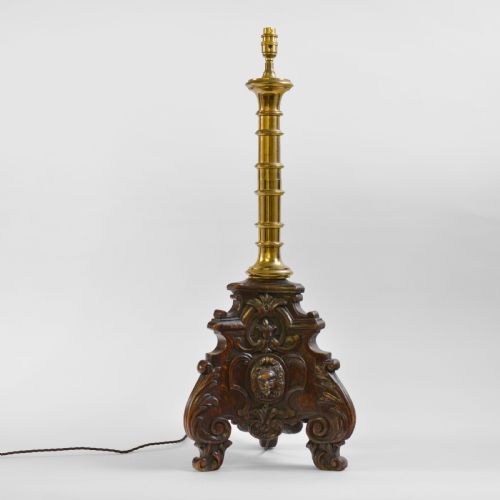


Brass Lion Mask Table
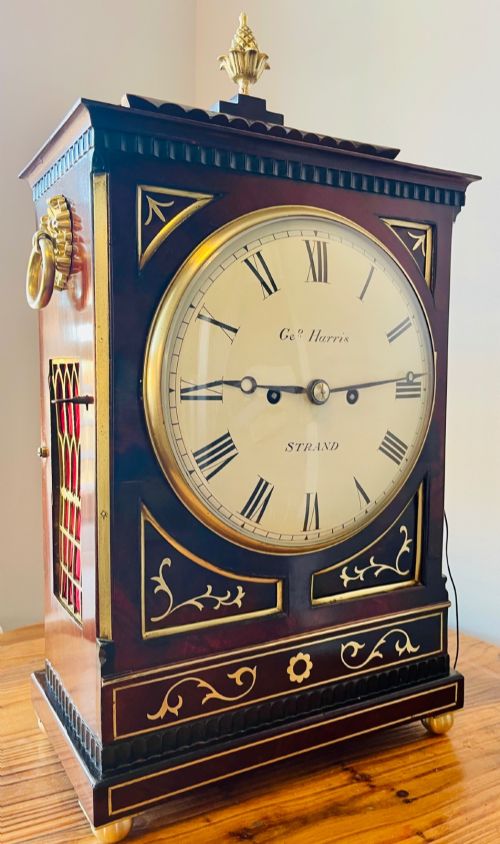
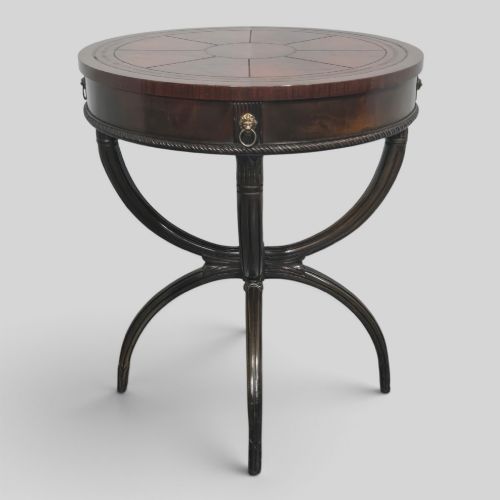
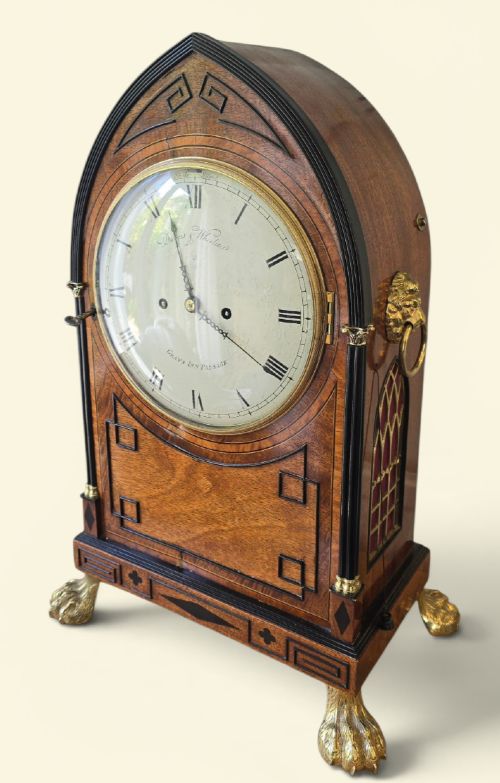
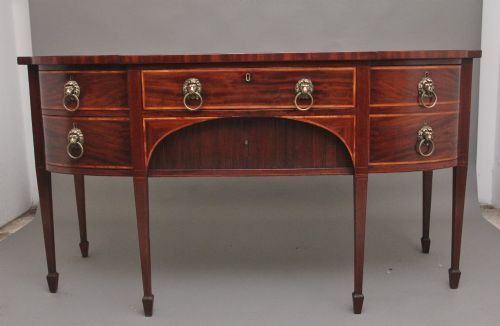
A brass lion mask table brings classical presence into a room through bold cast metal mounts and rich timber work.
Brass Lion Mask Table
Buyers encounter forms ranging from fold-out games tables and sofa tables to occasional centre tables resting on timber supports. Mahogany dominates the wood selections, often paired with boxwood, ebony, and decorative brass inlay.
The aesthetic bridges classical Neoclassical restraint and bolder French Empire or Egyptian Revival tastes. Each piece combines functional surface area with sculptural metalwork that anchors the overall design.
Materials and construction methods
Cabinetmakers utilised dense timbers like mahogany and oak for the structural carcase and legs, ensuring stability under heavy use. Boxwood and satinwood provide subtle contrasting stringing and geometric inlay across tabletops and friezes.
Foundries cast brass elements separately before hand-finishing and fixing them securely to corners, legs, or aprons. Glass and leather elements frequently complete the upper surfaces of specific table variants.
Brass Lion Mask Table Retail Price Guide 2026
Typical asking prices for brass lion mask table among the pieces listed under this phrase on Sellingantiques today, from the lower quarter to the upper quarter. They describe what is for sale here now, not the wider market.
Materials appearing across these entries range from solid oak and mahogany to delicate boxwood stringing and silk.
Assessing quality in execution
Joinery standards separate standard workshop output from exceptional cabinetwork. Tight drawer linings, precise brass inlay alignment, and sturdy structural framing without excessive modern replacement parts define the upper tier.
Gillington of Dublin·Mitchell and Russell·Desbois and Wheeler·H Mower and Stephenson
The Brass Lion Mask Table Glossary
- Ormolu
- Gilded bronze or brass mounts applied to furniture and clocks. This technique adds bright metallic contrast against dark timber surfaces.
- Regency
- A British design period spanning the early nineteenth century. Furniture from this era often incorporates classical Roman and Greek motifs.
- Satinwood
- A durable exotic timber yielding a pale yellow sheen. Makers used it frequently for contrasting stringing and geometric banding.
- Stringing
- Thin inlaid lines of contrasting wood set flush into a table surface. It frames the perimeter of tabletops and drawer fronts.
- Egyptian Revival
- A nineteenth-century design style drawing directly on ancient pharaonic motifs. It appears alongside classical Regency and Georgian forms in high-status pieces.
Brass Lion Mask Table: Frequently Asked Questions
What is a brass lion mask table?
A brass lion mask table is a timber occasional or serving table featuring cast brass lion mounts on the legs or apron. These pieces reflect neoclassical and Regency design influences.
The listings show these tables appearing in mahogany alongside bracket clocks, sideboards, and occasional furniture from the eighteenth and nineteenth centuries.
How were these tables used originally?
These tables served various domestic functions depending on their specific form, from card playing on fold-out games surfaces to serving meals or displaying decorative objects.
The inclusion of sturdy timber frames and inlaid tops allowed them to occupy central positions in formal reception rooms.
How do I care for mahogany and brass?
Mahogany requires occasional polishing with traditional wax to maintain its deep lustre and prevent the wood from drying out. Avoid placing timber furniture in direct sunlight or near heat sources.
Brass mounts benefit from gentle dusting with a soft cloth rather than aggressive cleaning, which can strip away the natural patination built up over centuries.
How do I identify Regency pieces?
Regency items typically display clean architectural lines, classical proportions, and specific decorative accents like brass inlay or ormolu mounts. The period draws heavily on ancient Roman and Greek aesthetics.
Comparing the timber grain and the crispness of the cast brass lion masks against known examples helps confirm the era.