





Brass Library Light
These brass library light examples span desk lamps, wall lights, and ceiling fixtures, offering period illumination for workspaces and reading rooms.
Brass Library Light
When you search for brass library light, you encounter desk lamps, table lamps, wall lights, and ceiling fixtures designed for focused illumination. These pieces emerge from the Victorian, Edwardian, and Georgian eras, alongside designs from 1900, 1910, 1920, and 1870.
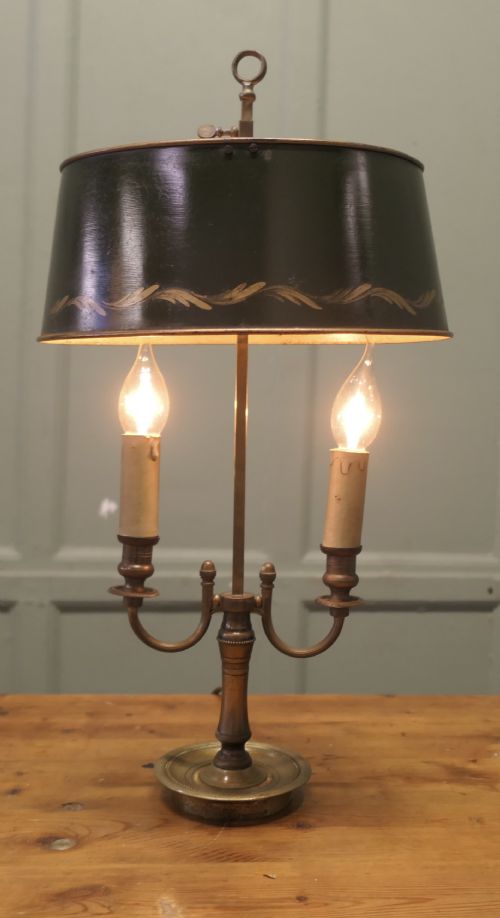
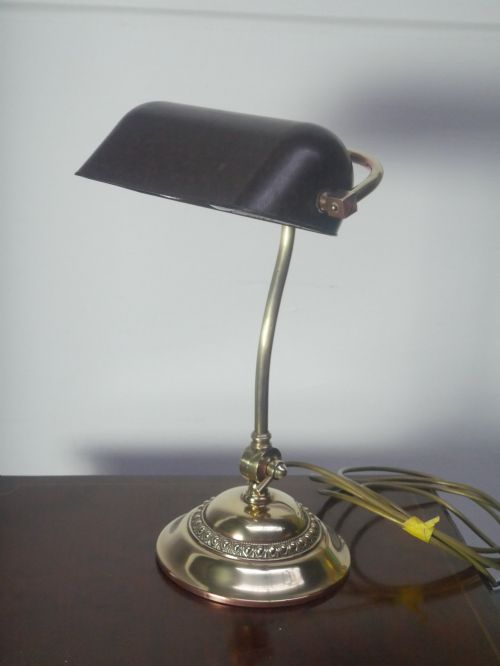
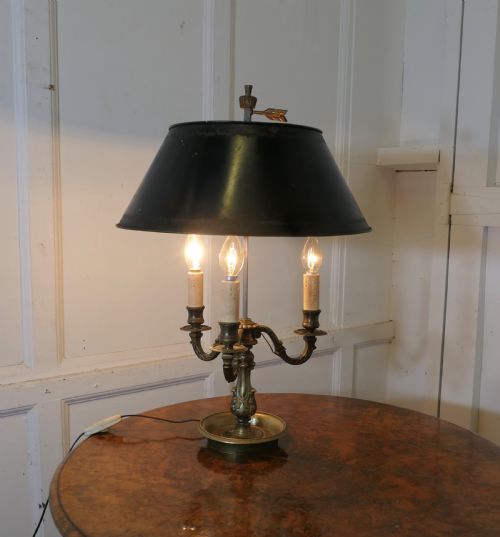
The selection on this page centres heavily on desk and table lamps, including bankers lamps, bouillotte lamps with toleware shades, and student lamps. You also find standard floor lamps and ceiling lights originating from England, France, and North America.
How they were made
Construction relies primarily on brass, bronze, and gilt brass, paired with metal, toleware, and patinated metal frames. Copper and fabric components also appear across the selection.
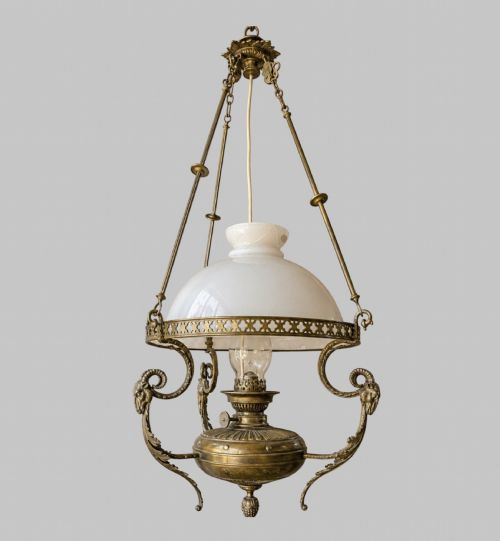
Lighting elements incorporate glass shades, including opaline glass and cranberry glass, alongside specialised hardware like Hinks burners. Articulated arms and adjustable mechanisms allow functional movement in desk and pullman lamps.
Listings span the nineteenth and twentieth centuries, including Georgian, Victorian, and Edwardian periods alongside 1900, 1910, 1920, and 1870 dates.
What varies in quality
Quality differentiates through the weight and finish of the metalwork, distinguishing heavy cast brass and bronze components from lighter sheet metal construction. Refined chasing on gilt brass and the substance of patinated metal set higher grades apart.
The integrity of auxiliary materials defines the standard of a piece, from hand-painted toleware shades to cased opaline or cranberry glass. Complete mechanisms, such as original burners or functional articulation joints, elevate the execution.
Messenger·Wild & Wessel·Faraday & Sons
The Brass Library Light Glossary
- Bouillotte lamp
- A traditional desk or table lamp featuring a central shaft, a saucer-like base with a gallery to catch wax, and an adjustable shade often made of painted toleware.
- Toleware
- Enamelled or lacquered sheet metal, frequently painted in green or other colours, commonly utilised for lamp shades.
- Opaline glass
- A milky, semi-translucent glass used for lamp shades to diffuse light softly across a workspace.
- Pullman lamp
- A specialised lighting form often designed with adjustable arms or brackets, reminiscent of carriage or reading illumination.
- Student lamp
- A nineteenth-century desk lamp configuration featuring one or more adjustable oil or paraffin burners mounted on a central stem.
Brass Library Light: Frequently Asked Questions
Where were brass library lights used?
These lights served in studies, libraries, and offices to provide focused illumination for reading and writing desks. They were also placed on sofa tables and side tables in domestic interiors.
Larger variations such as ceiling lights and wall lights provided ambient or task lighting for entire rooms in Victorian and Edwardian homes.
How do I identify a Victorian library lamp?
Victorian examples often feature heavy brass or bronze casting, sometimes incorporating mechanisms like student lamps with implements or paraffin burners with specific maker components.
They frequently display styles tied to French Empire or classical Revival motifs, differing from the later, more streamlined Art Deco or Jugendstil forms of the early twentieth century.
What is a bouillotte lamp?
A bouillotte lamp is a specific lighting form originating in France, characterised by a central standard rising from a dished metal base that holds writing implements or loose items.
They typically support multiple candle-style arms beneath an adjustable painted toleware shade, appearing in twin, triple, or four-branch configurations.
Can these lamps be used with modern electricity?
Many period pieces have been adapted over time or rewired for electric illumination while retaining their original brass, bronze, and glass components.
Some historical examples, such as paraffin or oil lamps, preserve burners like the Hinks burner alongside their original metal reservoirs and chimneys.