


Brass Iron Single Bed
A brass iron single bed brings the substantial weight and decorative metalwork of the nineteenth century straight into a modern bedroom.
Brass Iron Single Bed
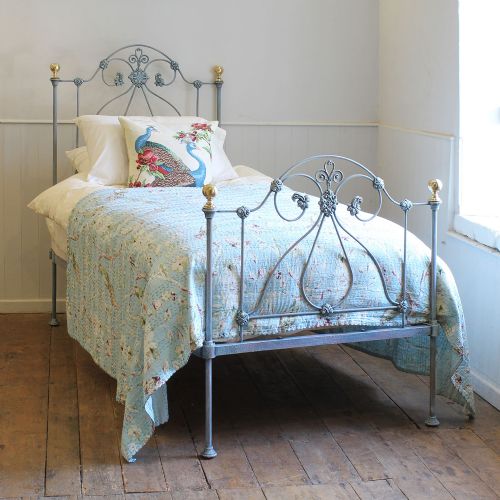
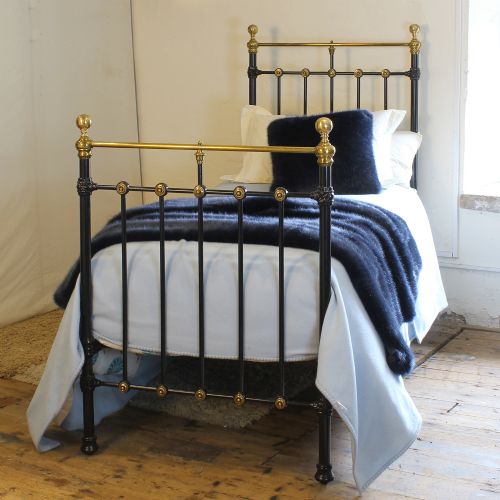
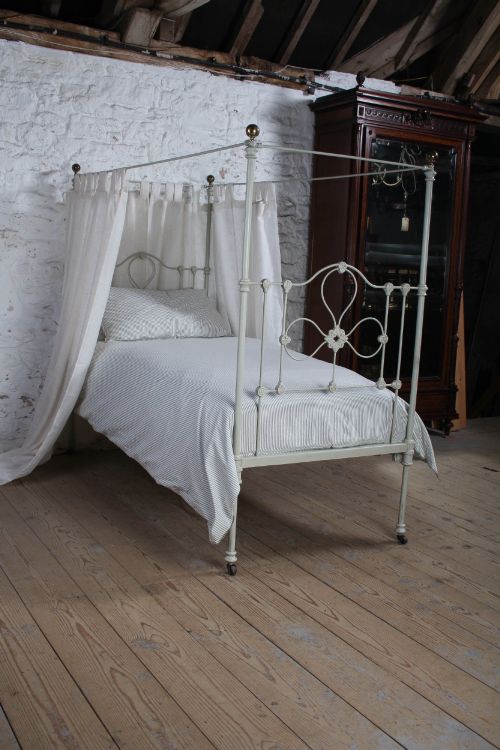
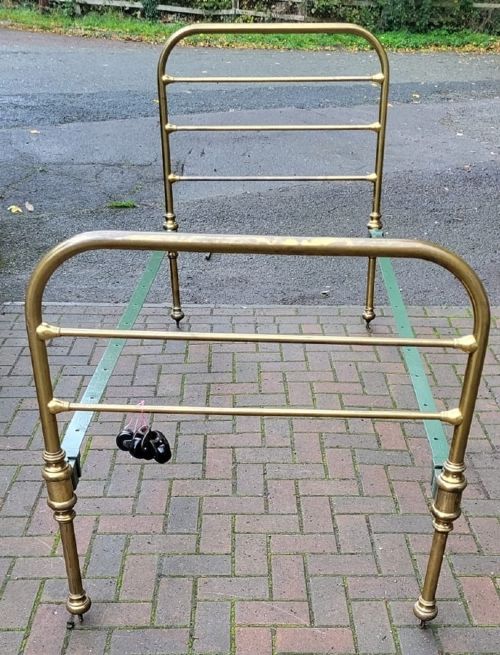
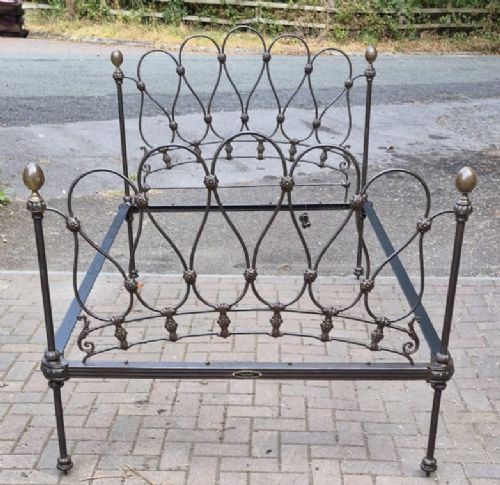
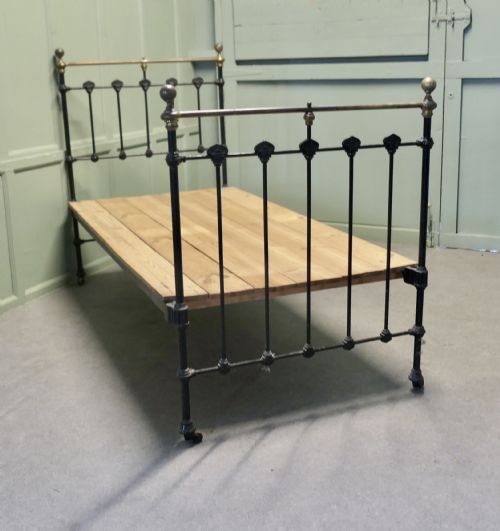
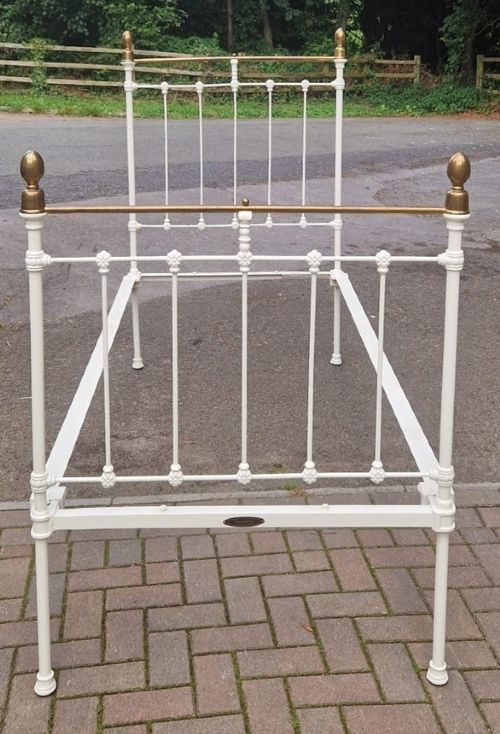
A brass iron single bed combines heavy metal framing with polished brass finials and mounts, appearing most frequently in Victorian and Edwardian examples across this selection. These pieces range from simple painted iron frames with modest brass details to elaborate four-poster and platform styles featuring cast rings and decorative scrolls. Buyers often encounter standard single sizes alongside wider three-foot formats designed for individual use.
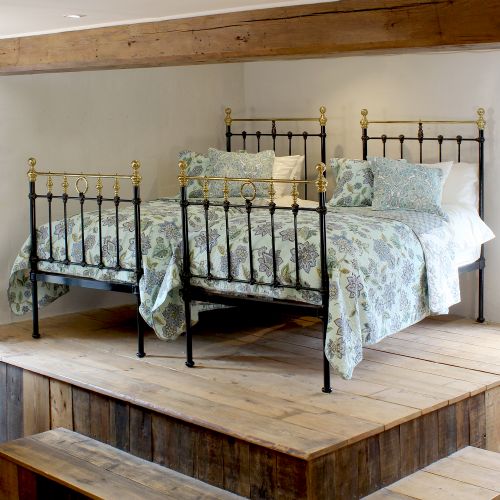
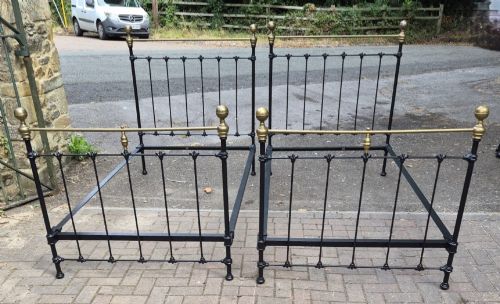
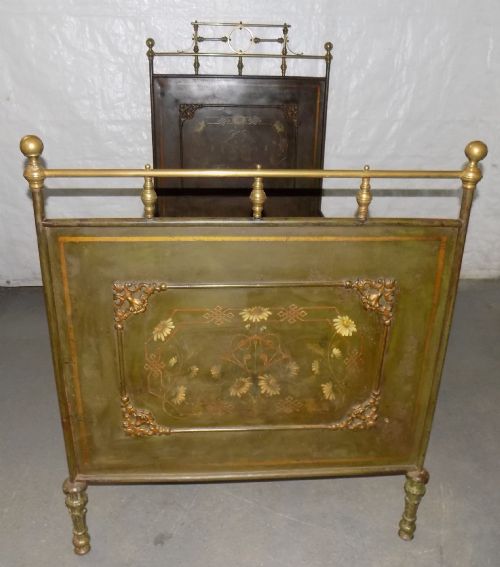
Makers and regional workshops produced these bedsteads across Britain and continental Europe, incorporating styles such as Austrian toleware and Portuguese traditional forms alongside classic domestic Victorian designs. Many surviving single frames share proportions that allow pairs to join together, reflecting their original versatility in guest rooms and larger households.
How they were made
Makers constructed the primary structure using a combination of cast iron and hand-forged wrought iron, providing a rigid and heavy load-bearing chassis. Brass components, including spun knobs, heavy tubing, and decorative castings, were then applied to the corners and headboards for contrast. Iron surfaces typically received protective coats of black or coloured paint, while brass elements were polished or left with natural patination.
Additional materials appear in specific variants, such as ceramic castors for floor mobility and wooden slats or metal spring bases to support mattresses. Some continental examples utilise painted sheet metal, known as toleware, to introduce decorative colour directly to the panels.
Some single beds come with rings so heavy they probably doubled as indoor gym equipment for enthusiastic Victorians.
What varies in quality
Structural heft and the weight of the metal distinguish standard commercial frames from superior examples, with heavier iron castings providing greater rigidity. The intricacy of the brass decoration, from simple turned knobs to complex cast rings and four-poster configurations, marks out higher grades of craftsmanship.
The integrity of the original joints and the quality of surface finishing, whether in the depth of the painted iron or the preservation of the brass components, determine the overall calibre of the piece.
R W Winfield·Maple and Co·Shoolbred
The Brass Iron Single Bed Glossary
- Bedstead
- A framework of a bed, consisting of headboard, footboard, and side rails designed to support a mattress and base.
- Toleware
- Enamelled or lacquered metalware, frequently painted with decorative motifs on continental European bed panels.
- Cast iron
- Iron melted and poured into a mould to create rigid structural or decorative components for bed ends.
- Wrought iron
- Iron beaten or forged by hand into shape, offering high tensile strength for slender frame parts.
- Finial
- A decorative knob or terminal ornament fitted to the top corners of bed posts.
Brass Iron Single Bed: Frequently Asked Questions
Can these single beds be joined together?
Many surviving single bedframes were built with matching pairs in mind, allowing two frames to sit side by side as a larger sleeping area.
Buyers should examine the side rails and foot designs to confirm whether specific pairs are configured for joining.
What mattress size fits an antique single bed?
Victorian and Edwardian single beds often measure around three feet in width, though dimensions vary slightly across earlier continental examples.
Checking the exact internal length and width between the side rails ensures a correct mattress fit.
How do I care for the brass and iron?
Painted iron surfaces require only gentle dusting and occasional cleaning with a soft cloth to preserve the finish.
Brass elements can be polished with a mild metal cleaner or left unpolished to maintain an aged, darkened patina.
Are these beds easy to assemble?
Most antique metal bedsteads utilise wedge-fit or slot-in side rail fastenings that lock the headboard and footboard together without complex fixings.
Two people are usually required for assembly due to the substantial weight of the cast iron components.