




Brass Inlaid Music Stand
A brass inlaid music stand brings together polished timber and metallic detail, offering a stable support for scores while anchoring a room.
Brass Inlaid Music Stand
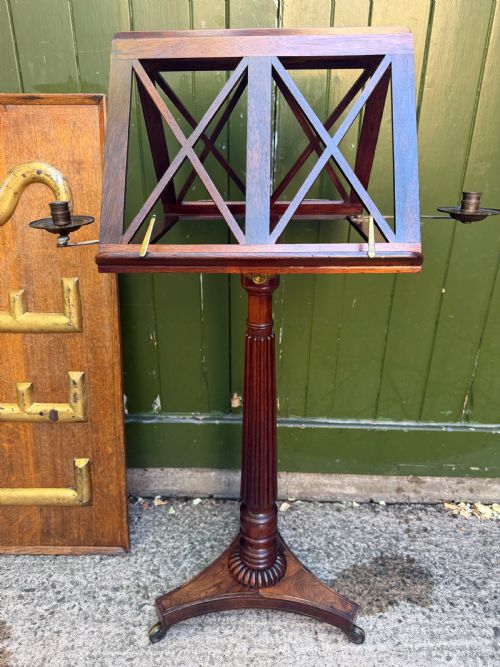
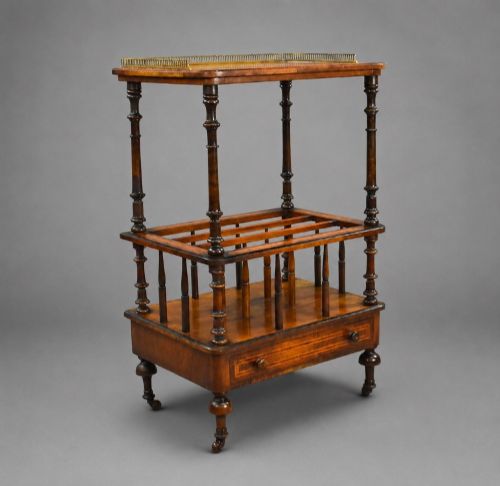
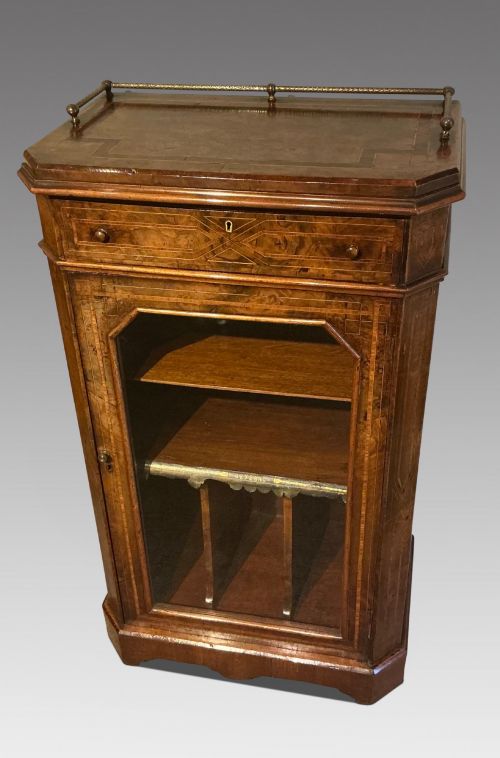
When you search for a brass inlaid music stand, you are looking at functional Victorian, Regency, and Edwardian furnishings designed to hold sheet music or books during recitals. The most common examples met on this page date from the nineteenth century, including music cabinets, canterburys, and adjustable stands.
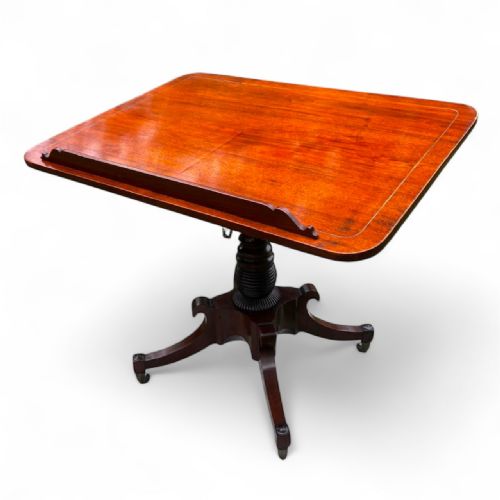
The evidence shows forms ranging from lyre-shaped stands and music tables to side cabinets and burr walnut canterburys. These pieces combine practical storage or display surfaces with metallic ornamentation set directly into the wood.
Construction and materials
Cabinetmakers utilised dense hardwoods including walnut, burr walnut, mahogany, and rosewood as the primary chassis for these pieces. Surfaces frequently incorporate satinwood inlay alongside polished brass elements, combining dark timber grain with bright metallic contrast.
Adjustable mechanisms and specialised joinery allowed these stands to alter height or angle for performers. Glass components and occasional table tops also appear in the record, showing diverse applications beyond simple score-holding.
Brass Inlaid Music Stand Retail Price Guide 2026
Typical asking prices for brass inlaid music stand among the pieces listed under this phrase on Sellingantiques today, from the lower quarter to the upper quarter. They describe what is for sale here now, not the wider market.
Listings on this site feature walnut, burr walnut, mahogany, and rosewood across Victorian, Regency, and Edwardian periods.
Judging quality and execution
Quality rests upon the precision of the timber selection and the integration of the brass inlay into the surrounding grain. Burr walnut and figured rosewood distinguish finer examples from plain mahogany builds.
The sophistication of the mechanism, such as adjustable stems or lyre supports, marks the distinction between standard items and superior workshop output. Cohesion between the inlaid details and the overall period style determines the visual success of the piece.
Collinson & Lock London
The Brass Inlaid Music Stand Glossary
- Canterbury
- A low stand featuring partitions for sheet music or books, often mounted on castors. This form frequently incorporates turned supports and inlaid details.
- Lyre-shaped
- A form styled after the ancient Greek stringed instrument, commonly utilised for the central rest of a music stand. It provides open framework geometry.
- Inlay
- A technique where contrasting materials such as brass or satinwood are set flush into recesses carved into the wood surface. It creates geometric or floral ornamentation.
- Adjustable
- A mechanical property allowing the height or reading angle of the stand to be altered. This function served musicians during recitals.
Brass Inlaid Music Stand: Frequently Asked Questions
What periods do these stands cover?
The listings span the Regency, William IV, Victorian, and Edwardian eras, covering the nineteenth and early twentieth centuries.
Most items originate from the Victorian period, utilising walnut and burr walnut timber.
How were these stands used originally?
They supported sheet music and scores during musical recitals in period parlours and drawing rooms.
Many designs included cabinets or partitions to store scores alongside the reading slope.
Are the stands adjustable?
Certain examples include adjustable mechanisms designed to alter the height or reading angle for the performer.
Regency and Victorian pieces frequently incorporate these mechanical elements.
What woods are commonly found?
Makers utilised dark cabinet timbers including mahogany, rosewood, walnut, and highly figured burr walnut.
Satinwood and brass accents provide decorative contrast against these rich wood grounds.