

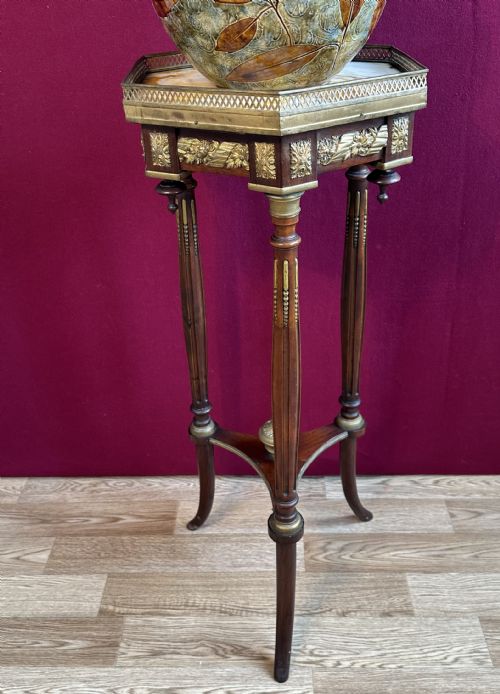


Brass Indoor Cachepot
These brass indoor cachepot examples bring polished warmth and historic texture to interiors, offering a classic vessel for potted plants.

Brass Indoor Cachepot
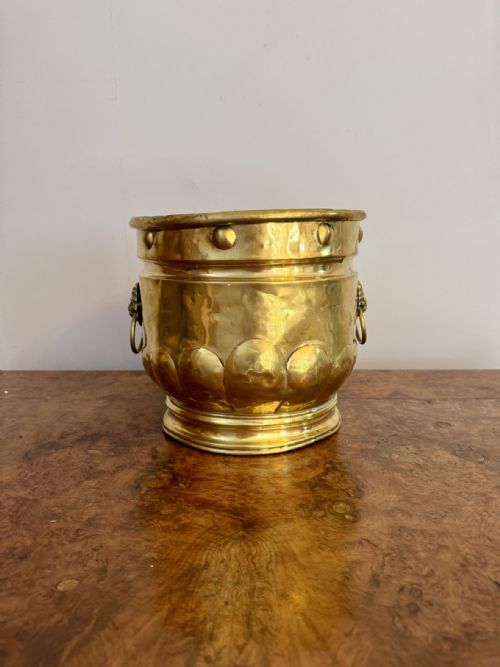
A brass indoor cachepot functions as an ornamental container designed to hold a plant pot inside a room. The selections gathered here encompass forms frequently described as jardinières, planters, and plant stands, spanning periods from the nineteenth century into the early twentieth century.
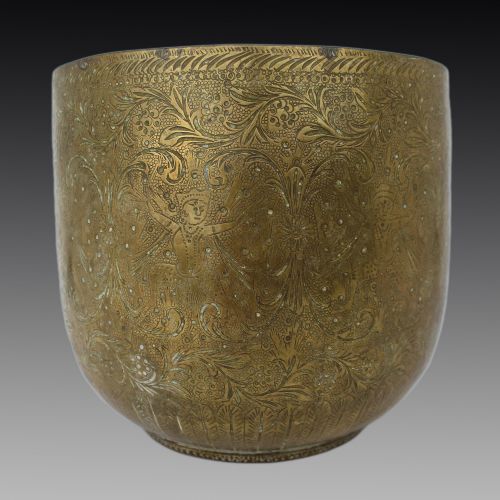
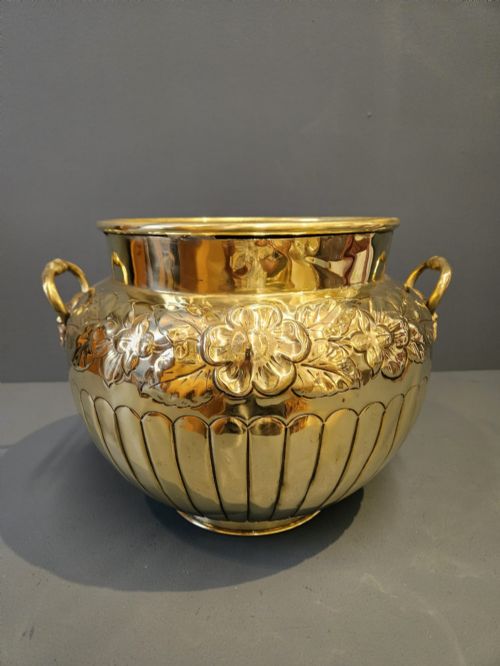
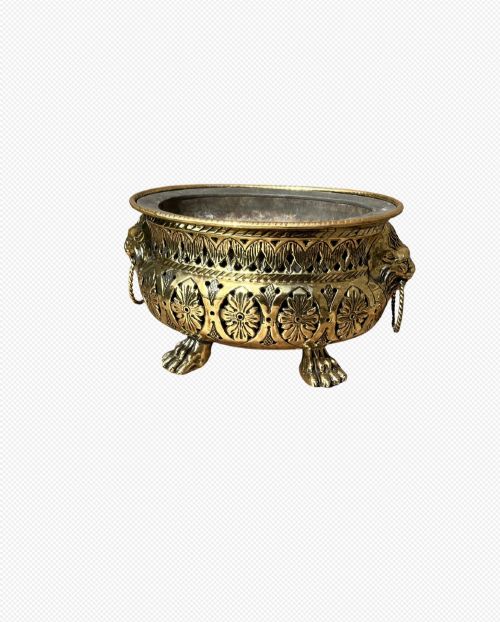
Victorian and Edwardian pieces dominate the selection, sitting alongside examples showing French Empire, Art Nouveau, Gothic Revival, and Anglo-Indian influences. Buyers encounter cylindrical shapes, square forms, fluted bodies, and vessels fitted with lions mask handles or intricate pierced work.
Materials and construction
Metalworking techniques dictate the construction of these items, with brass forming the primary material supplemented by copper, iron, and occasional combinations with walnut, mahogany, or marble. Artisans shaped these metals through hand-engraving, embossing, and piercing to achieve decorative surfaces.
Traditional methods such as dinanderie work appear among the objects, uniting beaten brass with chased or engraved patterns. Heavier structural elements utilise sturdy metal casting, particularly evident in handles and stands.
Brass Indoor Cachepot Retail Price Guide 2026
Typical asking prices for brass indoor cachepot among the pieces listed under this phrase on Sellingantiques today, from the lower quarter to the upper quarter. They describe what is for sale here now, not the wider market.
Assessing quality in metal vessels
Quality rests upon the crispness of the hand-engraving, the depth of the embossing, and the structural integrity of the metal body. Thicker gauge brass and substantial weight indicate superior manufacture compared to thinner, pressed alternatives.
Design ambition separates standard forms from exceptional pieces, particularly where distinct stylistic motifs like Art Nouveau flowing lines or Gothic details are executed with precision. The presence of integrated handles, liners, or complementary materials like marble elevates the object.
The Brass Indoor Cachepot Glossary
- Cachepot
- A decorative container used to conceal an ordinary flowerpot. The term translates from French as hiding pot.
- Jardiniere
- An ornamental pot or stand for holding plants or flowers. These vessels often sit on furniture or directly on the floor.
- Dinanderie
- A medieval term revived for various kinds of European brass and copper objects, particularly beaten and engraved hollowware. It originates from the Belgian town of Dinant.
- Pierced
- Work decorated with patterns of holes cut through the metal. This technique creates lighter, lace-like borders around the vessel rim.
- Embossed
- Ornamented with raised surfaces or designs moulded or stamped into the metal. The technique adds tactile depth to the exterior wall.
Brass Indoor Cachepot: Frequently Asked Questions
What is a cachepot used for?
A cachepot serves to hold a potted plant without direct planting into the vessel itself. It hides standard clay or plastic nursery pots while protecting interior surfaces from water.
Historically, these pieces sat on tables, plant stands, or hearths to bring greenery into domestic rooms. They remain practical containers for modern house plants.
How do I date an antique planter?
Dating relies on stylistic clues, manufacturing techniques, and material combinations seen across the piece. Victorian and Edwardian examples often feature specific decorative revivals like Gothic or Art Nouveau motifs.
Hand-engraved Indian Raj pieces and French Empire styles carry distinct aesthetic markers from their respective decades. Comparing construction methods like hand-piercing versus machine stamping helps narrow the period.
Can I plant directly inside them?
Direct planting is generally discouraged because moisture and soil cause corrosion and damage to antique metal. Using a separate plastic or ceramic inner pot protects the historic vessel.
Placing a saucer inside the cachepot catches excess drainage water from watering. This method keeps the interior dry and preserves the metal.