
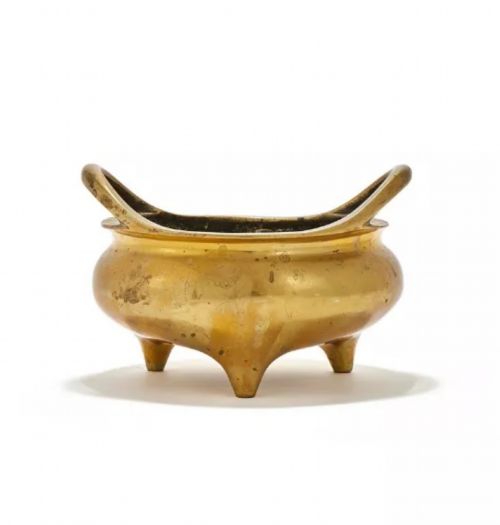
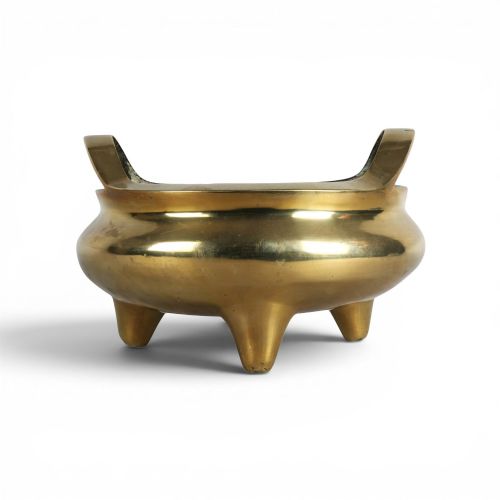


Brass Incense Burner
A brass incense burner brings centuries of craftsmanship into a room, offering tactile metalwork and quiet ritual form.
Brass Incense Burner
A brass incense burner is a vessel designed to hold burning aromatics, drawing on long traditions of metalcraft. When you search for this phrase, you encounter vessels ranging from domestic items to scholarly objects.
The pieces on this page lean heavily towards Asian and Oriental origins, particularly Chinese and Tibetan styles. You will find forms spanning the eighteenth and nineteenth centuries, alongside pieces from the Victorian era.
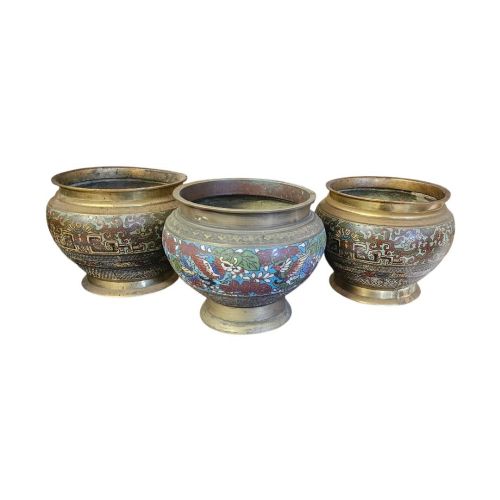
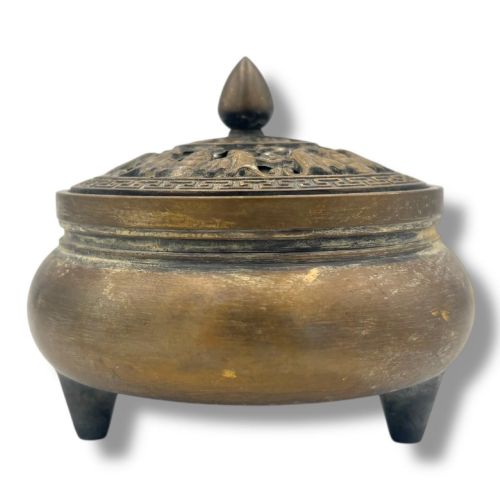
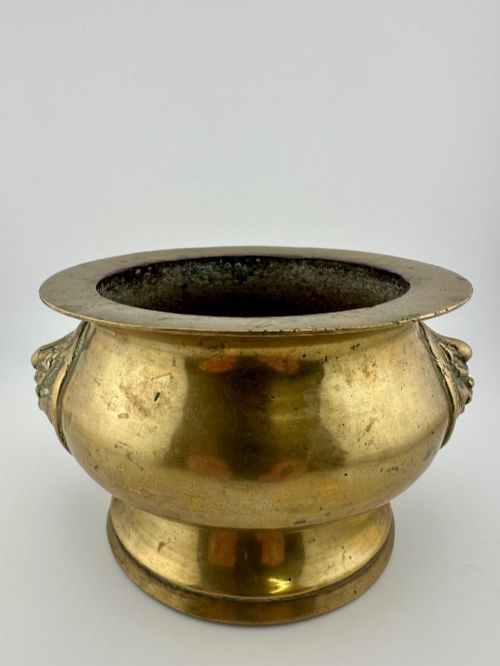
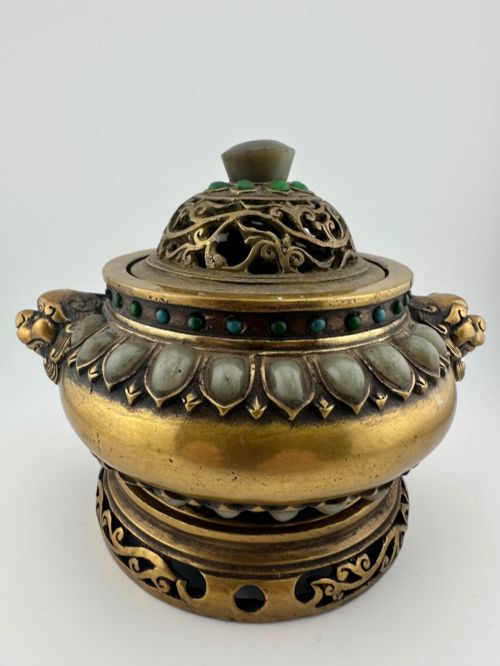
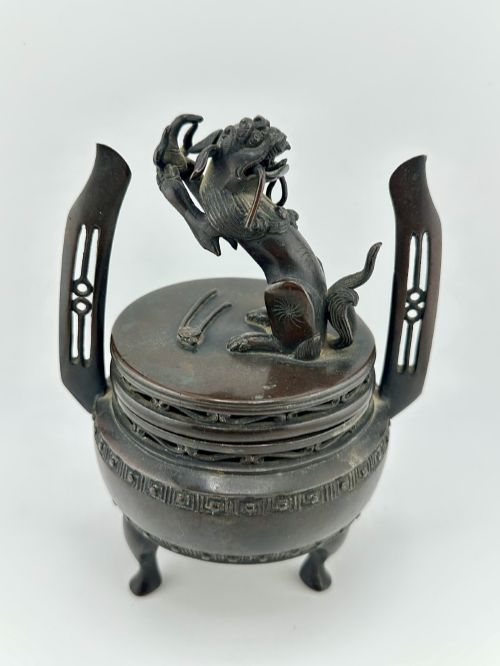
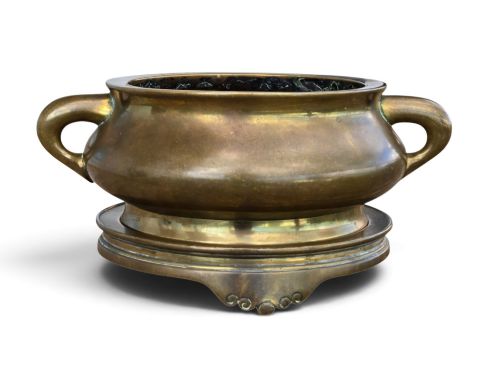
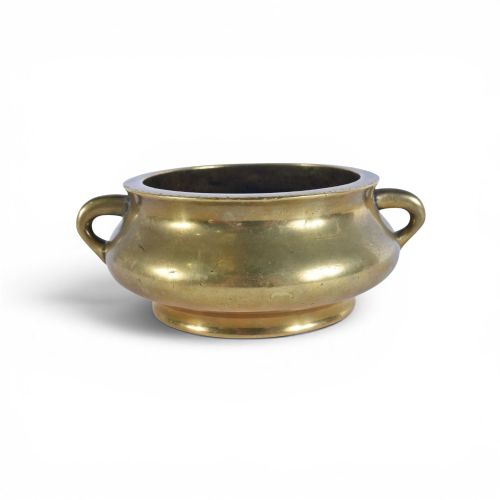
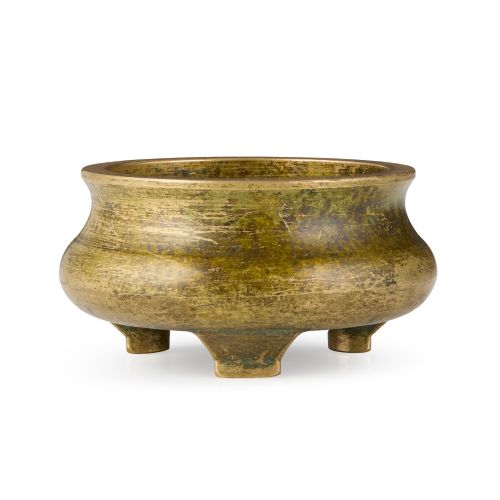
Common shapes include tripod censers, heavily cast bowls, and lidded vessels featuring handles shaped like lions or qilin. These items function equally as decorative bowls, jardinieres, and ritual objects.
How they were made
The primary metals used are brass and bronze, often cast with significant weight and substance. Makers frequently incorporated elements of cloisonné or champlevé enamel to introduce colour and pattern to the surface.
Many examples are further enriched through inlay work, utilising jade, hardstone, and copper. Pierced lids and intricate cast handles demonstrate advanced metalworking techniques developed during the Qing Dynasty and related periods.
Brass Incense Burner Retail Price Guide 2026
Typical asking prices for brass incense burner among the pieces listed under this phrase on Sellingantiques today, from the lower quarter to the upper quarter. They describe what is for sale here now, not the wider market.
Some heavy specimens weigh over four kilograms, turning a simple incense ritual into a serious weightlifting exercise.
What varies in quality
Quality rests in the precision of the casting and the density of the metal. Heavier vessels with well-balanced tripod legs and crisp relief decoration represent the finer end of the spectrum.
The presence of scholarly studio marks, reign marks, or intricate hardstone inlays elevates a piece. Surface finish, whether through patination or detailed enamel work, distinguishes standard domestic items from superior studio creations.
The Brass Incense Burner Glossary
- Censer
- A vessel used for burning incense. These often feature pierced covers to allow smoke to escape gracefully.
- Tripod
- A vessel supported by three legs. This configuration provides stability on uneven surfaces and lifts the heated base away from furniture.
- Champlevé
- An enamel technique where troughs are dug into the metal surface and filled with vitreous enamel before firing. It creates bold patterns alongside the exposed metal lines.
- Archaistic
- A style that consciously imitates ancient forms and motifs. These pieces look back to earlier dynastic bronzes for inspiration.
- Qilin
- A mythical hooved creature featured in Chinese art. They often appear as finials or decorative handles on lids and bodies.
Brass Incense Burner: Frequently Asked Questions
How were brass incense burners used?
These vessels served both practical and ritual functions, holding burning incense in homes, temples, and scholar's studios. The aromatic smoke was believed to purify spaces and aid meditation.
Over time, many of these utilitarian objects evolved into purely decorative items, prized for their sculptural qualities and rich patination.
How do I identify eighteenth century pieces?
Eighteenth century examples often display deep patination, substantial weight, and specific reign or studio marks on the base. The casting tends to be exceptionally crisp and heavy.
Stylistic cues link them to Qing Dynasty production, particularly the Qianlong period, where bronze and brass work achieved notable technical refinement.
What is the difference between a censer and a jardiniere?
A censer specifically functions to burn incense, usually featuring a fitted lid with piercing for smoke and a heat-resistant bowl. They frequently stand on three legs.
A jardiniere is a decorative pot intended to hold plants or floral arrangements, lacking the specialised lids and ritual design associated with incense burning.
How should I clean my brass incense burner?
Maintenance requires minimal intervention to preserve the historic patina that collectors value. Dusting with a soft brush keeps the surface clear without stripping the aged finish.
Harsh metal polishes and chemical cleaners should be avoided entirely, as they remove the natural oxidation accumulated over centuries.