
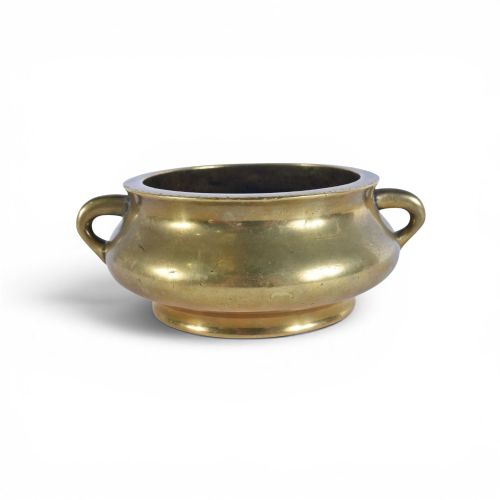
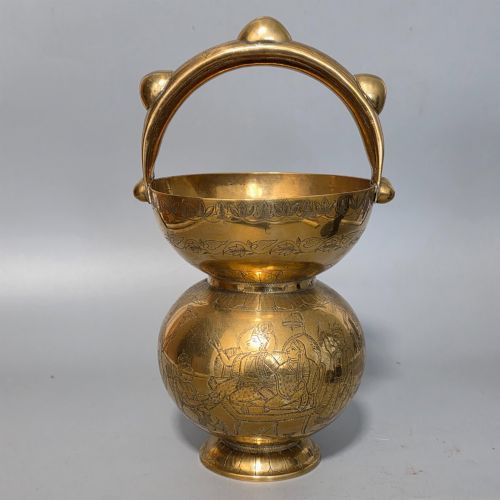


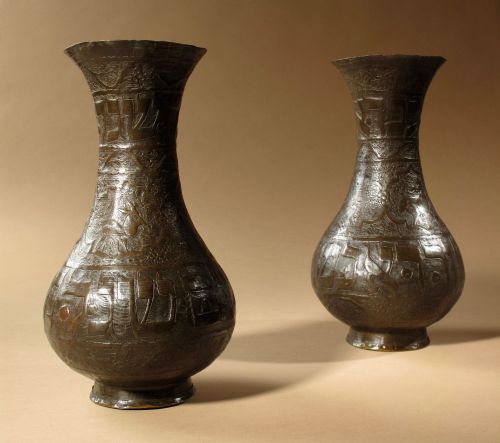


Brass Ritual Vessel
These brass ritual vessel pieces are heavy, grounded metal objects forged for ceremony, offering a tactile connection to historical traditions.
Brass Ritual Vessel
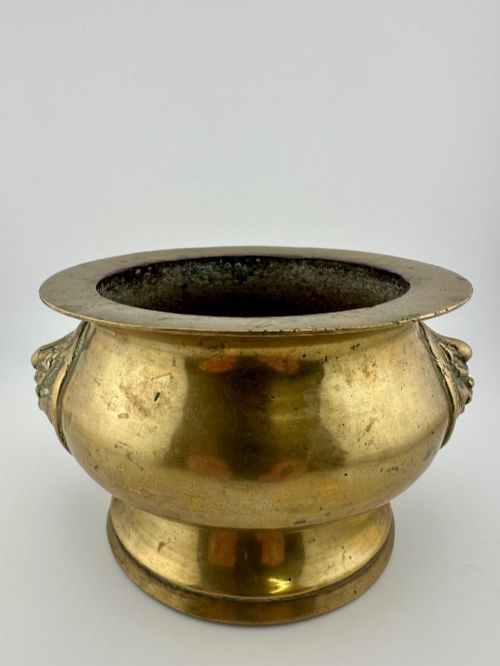
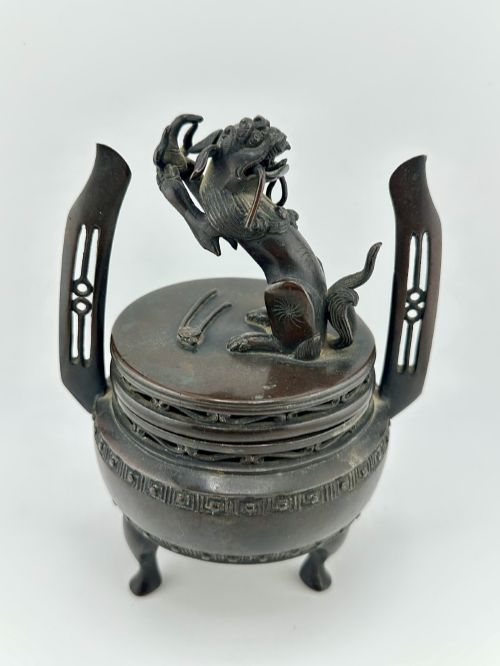
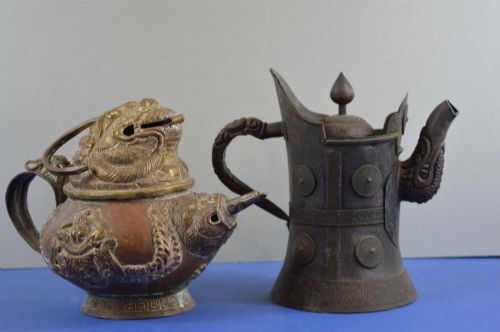
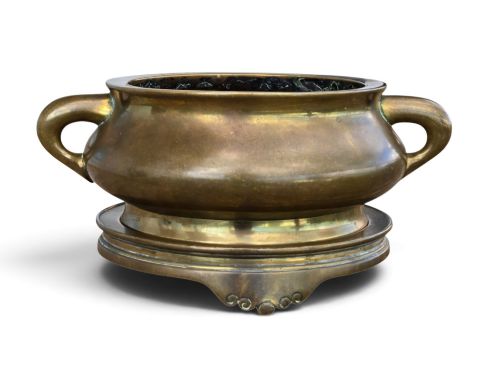
A brass ritual vessel serves ceremonial functions, appearing in forms such as censers, incense burners, ewers, teapots, and ceremonial bowls. Buyers searching this phrase encounter items spanning the eighteenth and nineteenth centuries, including Qing Dynasty and Tibetan traditional pieces.
The objects take diverse shapes, ranging from tripod censers with lion mask handles and qilin finials to spherical holy water carriers and butter oil lamps. Origins stretch across China, Tibet, India, and the Himalayas, reflecting distinct religious and domestic rites.
Most examples found on this page date to the nineteenth century, alongside earlier eighteenth-century examples and turn-of-the-century works. These vessels function equally as decorative centrepieces and as tangible fragments of Asian and Jewish heritage.
How they were made
Metalworking traditions utilise bronze, brass, and copper, often cast with substantial weight and finished with careful attention to surface detail. Artisans employ casting and embossing techniques to shape utilitarian yet sacred forms.
Makers incorporate decorative elements such as animal handles, mythological finials, and cast seal marks directly into the metal body during production. Selected pieces also combine metal with complementary materials like hardwood and fabric.
Several heavy censers retain the literal weight of centuries, requiring two hands and steady footing to rearrange on the mantelpiece.
What varies in quality
Weight and metal density set apart substantial pieces, such as heavy censers, from lighter domestic items. The crispness of cast details, including lion mask handles and qilin finials, dictates the visual strength of the piece.
Historical provenance and clear cultural markers, such as seal marks or specific regional school attributions, elevate certain items. The integrity of the original surface patination remains a key factor in assessing how well a vessel has aged.
The Brass Ritual Vessel Glossary
- Censer
- A container designed for burning incense during religious ceremonies or domestic rituals. These vessels often feature pierced covers to release scented smoke.
- Ewer
- A large jug or pitcher with a spout, historically used for carrying water or ceremonial liquids. They frequently appear alongside matching teapots in ritual settings.
- Archaistic
- A design style that consciously imitates the ancient forms, motifs, and bronze work of earlier historical periods. This approach is common in Chinese ritual art.
- Patina
- The surface coloration and texture developed by metal over decades of handling and exposure to the environment. Collectors value stable patinas that demonstrate age.
Brass Ritual Vessel: Frequently Asked Questions
What is a brass ritual vessel used for?
These vessels were historically created for sacred ceremonies, temple offerings, and domestic religious practices. They held substances such as incense, holy water, butter oil, or tea during rituals.
Today, collectors use them as sculptural decorative objects in modern interiors. Their weighty presence and historical depth make them striking focal points in a room.
How do I identify the age of a bronze censer?
Age is typically assessed through casting methods, surface patination, and stylistic details. Earlier pieces from the eighteenth century often display specific seal marks and archaic motifs.
Comparing the wear patterns and construction techniques with documented examples helps confirm the period. Material composition, such as the specific alloy of bronze or brass, also provides clues.
Are these vessels made of brass or bronze?
The listings include objects made from both brass and bronze, as well as copper. In historical contexts, these copper-alloy terms often overlap based on the specific metal mixture used by the workshop.
Visual inspection reveals differences in colour and weight between the metals. Over time, each alloy develops a distinct natural oxidation and patina.
How should I clean an antique metal vessel?
Antique metal vessels should generally be left with their original surface patina intact. Aggressive polishing removes the historical ageing that collectors prize.
Gentle dusting with a soft, dry cloth is sufficient for routine maintenance. Avoid chemical cleaners and moisture, which can damage the aged metal surface.
Where do these ceremonial items originate?
The pieces originate from various cultural traditions, primarily across Asia. Common origins include China, Tibet, India, and the Himalayan region.
Each region developed distinct ritual forms, such as Tibetan butter lamps, Chinese tripod censers, and Indian ceremonial bowls. These origins dictate the specific decorative motifs found on each item.