


Brass Hearth Supports
Brass hearth supports hold logs above the hearth floor to improve airflow, bringing bright metallic warmth to a period fireplace.
Brass Hearth Supports
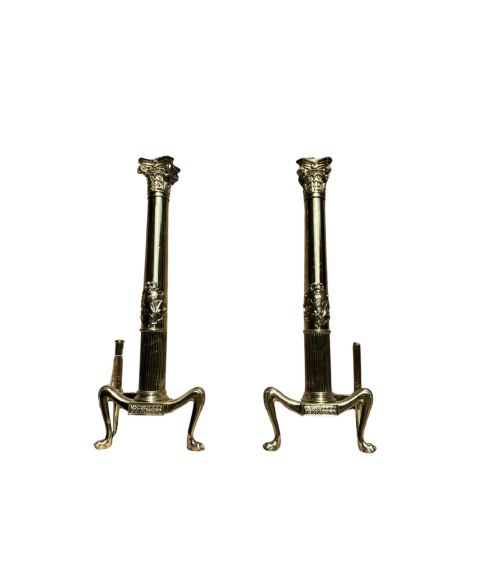
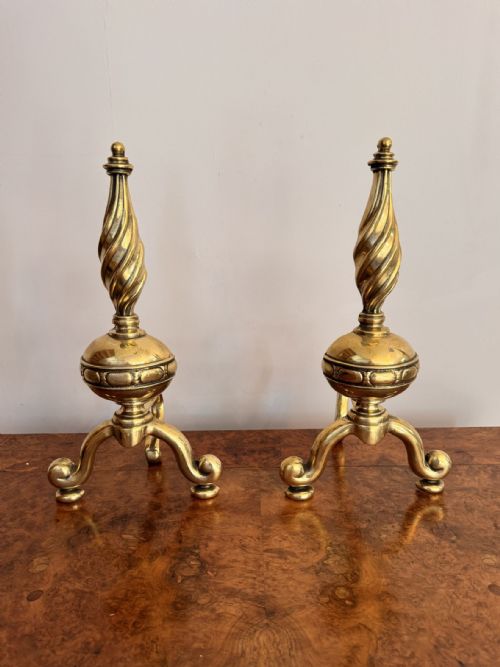
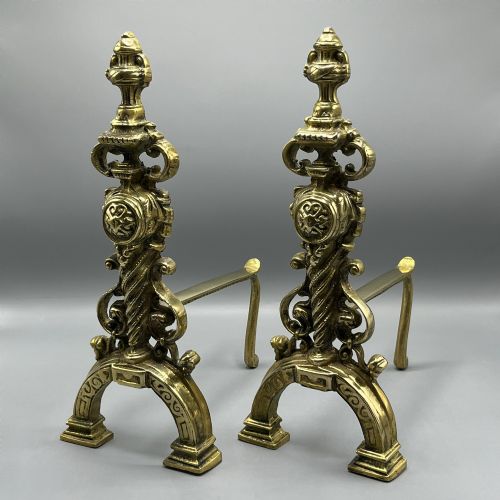
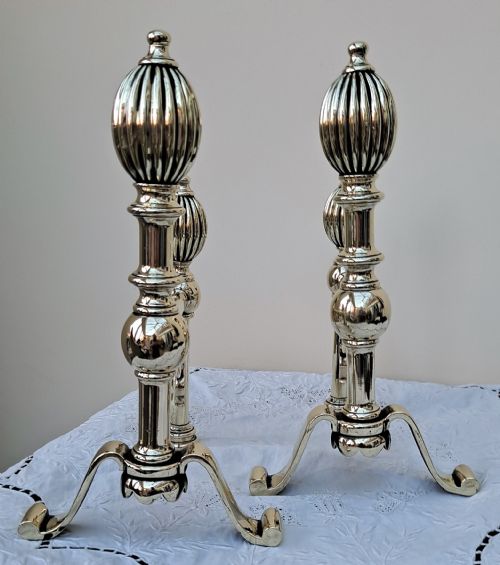
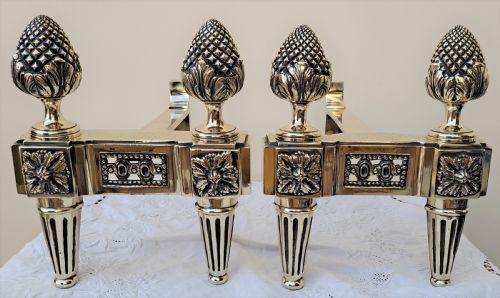
Brass hearth supports are functional fireplace accessories designed to elevate firewood within the grate. When you browse for brass hearth supports, you encounter robust pairs spanning the Victorian and Regency eras, alongside earlier Georgian forms.
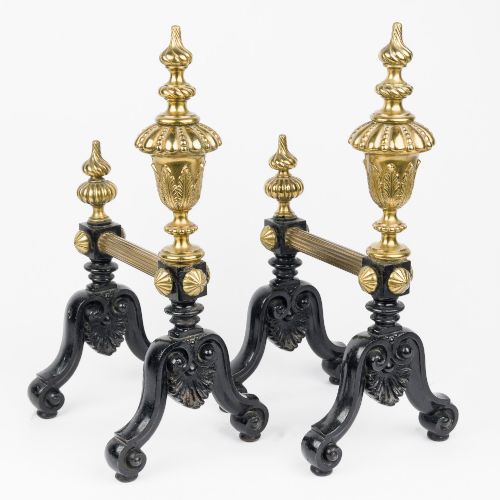
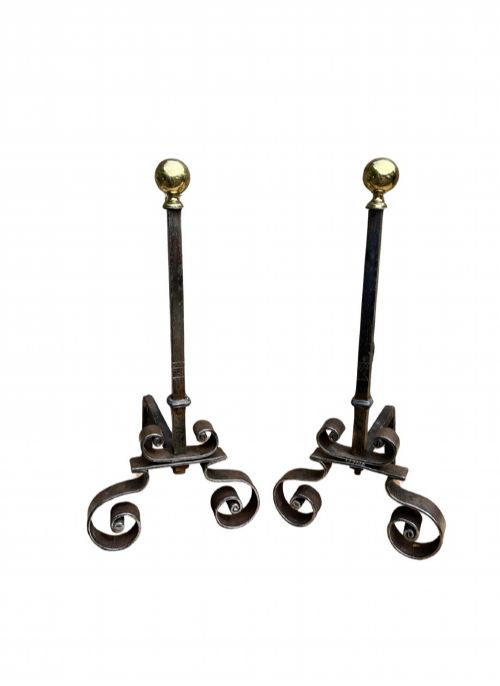
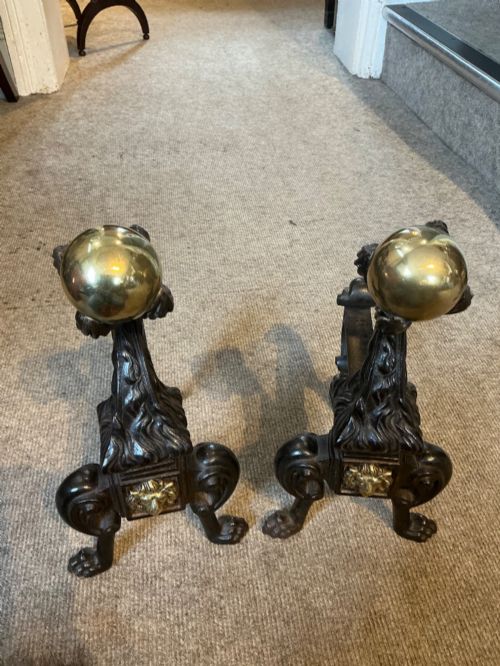
These pieces primarily appear as matching pairs of firedogs or andirons constructed to flank the hearth. Many examples combine bright brass fronts with durable iron or cast iron internal shafts to withstand the heat of the fire.
How they were made
Makers utilised casting and forging techniques, pairing decorative brass elements with sturdy wrought iron or cast iron to handle the heavy weight of logs. Metalworkers shaped the brass through casting and chasing, often adding gilt brass, ormolu mounts, or bronze details for richer visual texture.
Designers drew upon diverse historical influences, producing items in Georgian, Regency, Victorian Gothic Revival, and Baroque styles. Artisans also incorporated copper components or integrated fire tools alongside the main supports.
Listings feature brass hearth supports spanning the Georgian, Regency, and Victorian periods, alongside 17th Century revival styles.
What varies in quality
Quality rests in the crispness of the cast ornamentation and the substantial weight of the metal used. Superior pairs display finely chased surface details and balanced proportions, rather than simple mass-produced casting.
The choice of materials also dictates the calibre of the piece, with solid brass, heavy bronze, and gilt or ormolu mounts marking out finer examples from simpler iron-heavy utilitarian supports.
The Brass Hearth Supports Glossary
- Andirons
- Supports for logs in a fireplace, typically consisting of a horizontal bar on legs with an upright decorative front. These metal fixtures have supported British firesides for centuries.
- Firedogs
- Alternative term for andirons used to keep logs elevated for better combustion. They serve both a practical combustion role and a decorative fireplace function.
- Ormolu
- Finely ground high-carat gold applied to a bronze base using a mercury amalgam technique. This decorative coating yields a rich golden shine on French and English hearth ornaments.
- Chenets
- French term for andirons or fire dogs. These ornamental metal supports frequently feature elaborate cast brass or bronze work.
- Gilt Brass
- Brass treated with a thin layer of gold or gold-coloured wash to enhance surface brilliance. This treatment elevates the decorative presence of hearth accessories.
Brass Hearth Supports: Frequently Asked Questions
What are brass hearth supports used for?
These metal supports elevate firewood above the hearth floor to improve airflow beneath the logs. Better oxygen circulation helps the fire burn more efficiently.
Beyond utility, they serve as ornamental centrepieces for the fireplace when the hearth is unlit. Matching pairs frame the opening with polished metallic detail.
How do I clean antique brass fire dogs?
Dust the surface gently with a soft dry cloth to remove soot and surface grime. Avoid harsh chemical cleaners that strip the historic patina accumulated over decades.
Gentle wiping preserves the aged character of the metalwork. Excessive polishing can damage delicate chased details and surface gilding.
Are andirons and firedogs the same thing?
The terms describe the exact same fireplace accessory used to hold logs. Different regions and periods tended to favour one name over the other.
Both words refer to metal supports placed inside the hearth fireplace. You will find them used interchangeably in period listings.
How do I date an old pair of andirons?
Examine the casting style, assembly methods, and metal composition to estimate the period of manufacture. Georgian and Regency examples often display restrained neoclassical lines, while Victorian pieces lean toward ornate revival styles.
Wear patterns on the iron log bars also indicate age and frequency of use. Comparing the decorative motifs to documented design styles helps narrow the date range.