



Brass Hearth Logs
Brass hearth logs refer to the various metal containers and fire irons used for holding fuel, which bring both utility and warmth to an open fireplace.
Brass Hearth Logs
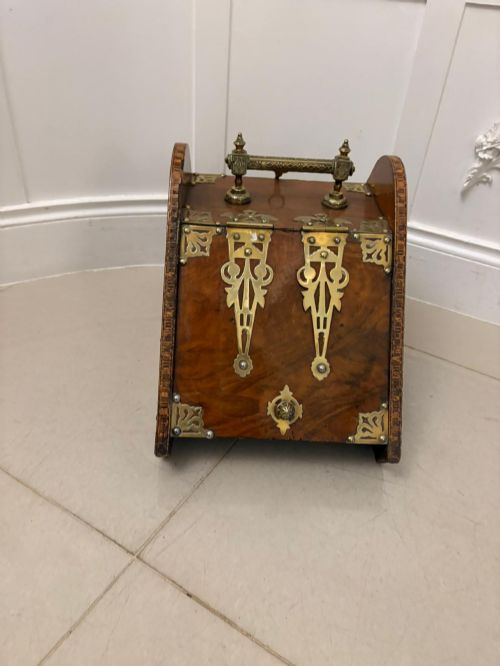
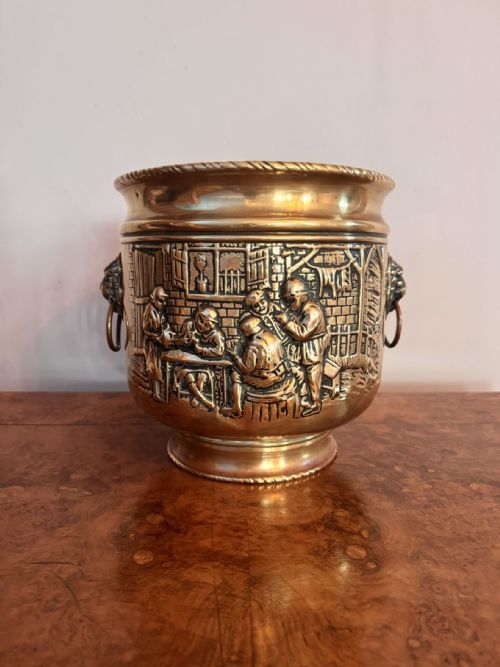
When searching for brass hearth logs, buyers encounter a variety of fireside accessories designed for fuel storage and hearth management, predominantly taking the form of coal buckets, log bins, and scuttles alongside matching fire dogs. These items span periods from the Georgian era through the Victorian and Edwardian periods, reflecting changing domestic habits around the hearth.
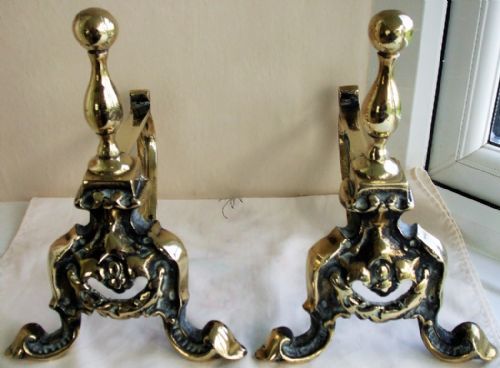
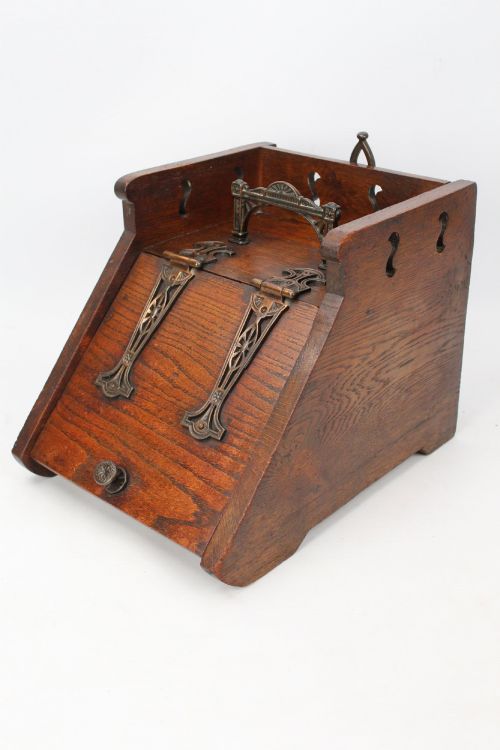
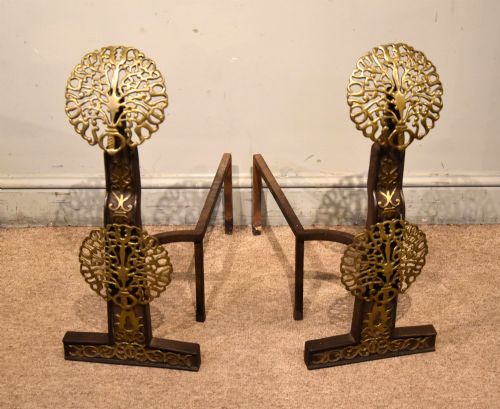
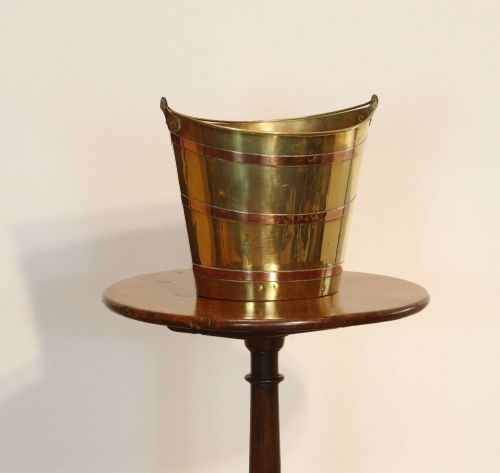
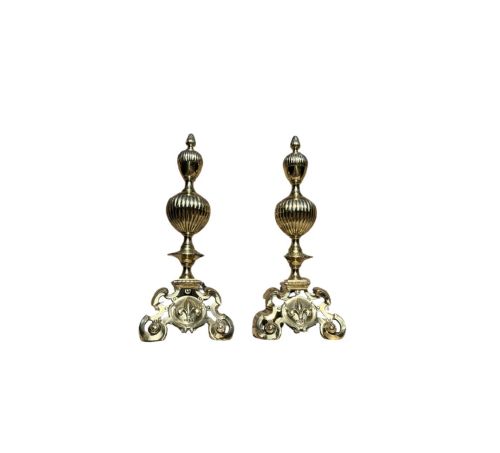
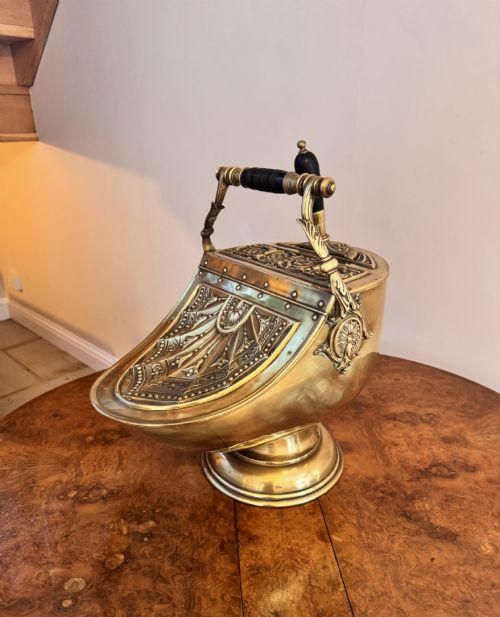
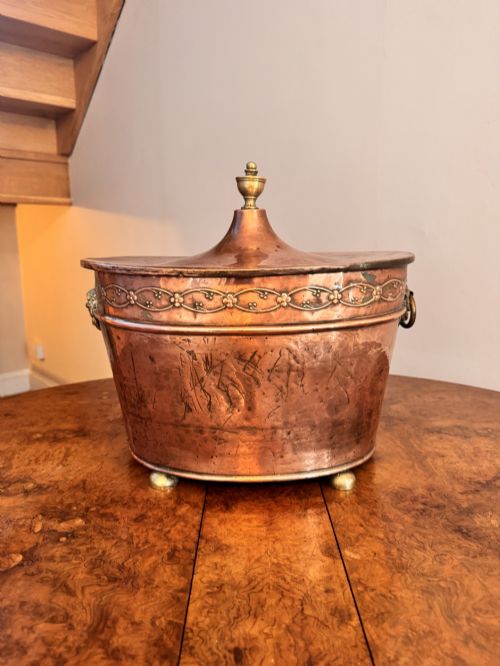
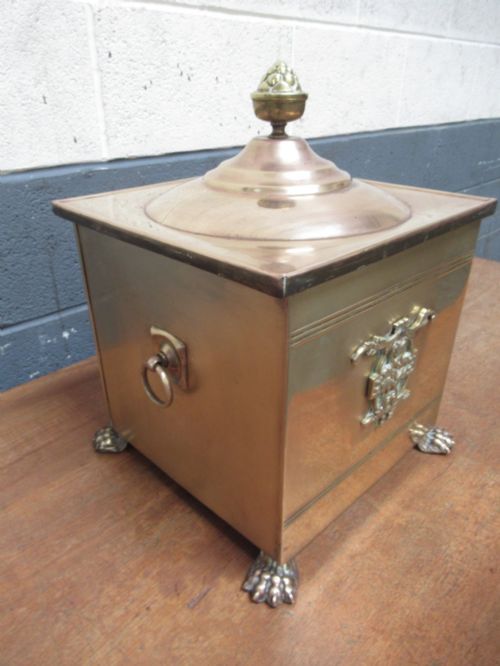
The most common pieces on this page are Victorian and Edwardian brass-mounted coal scuttles and log bins, often paired with copper bodies or swing handles. Alongside these containers, buyers frequently find pairs of brass and iron fire dogs or andirons intended to support logs within the fireplace grate.
Materials and construction methods
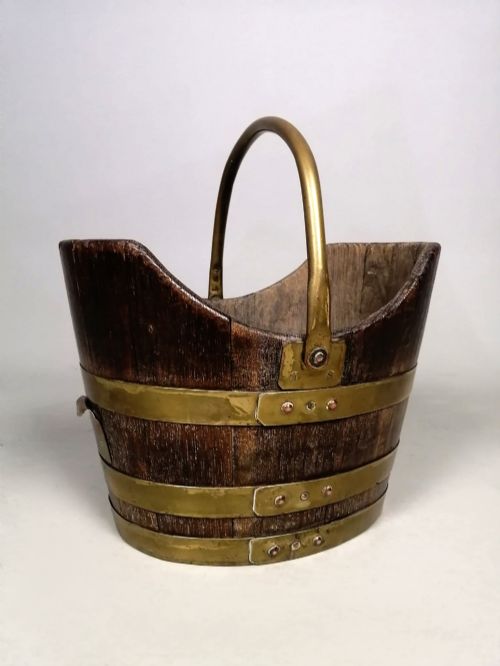
The construction of these pieces relies heavily on sheet brass and copper, frequently combined with iron, cast iron, or wrought iron for structural strength and durability around open flames. Wooden elements such as oak, mahogany, and walnut appear in scuttles and bins, sometimes complemented by coopered staves or brass banding.
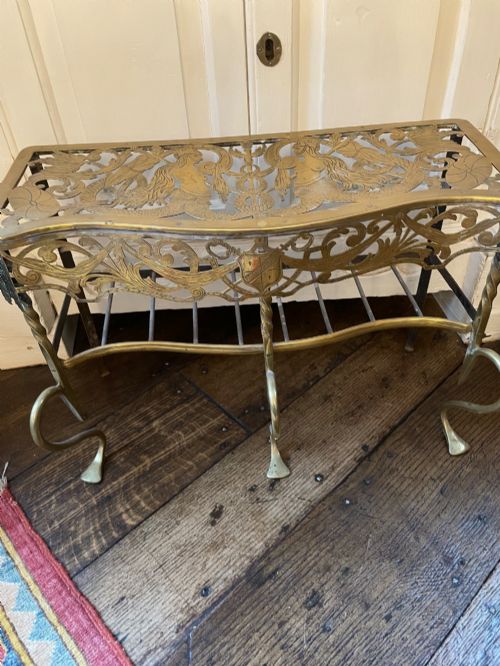
Techniques range from hand-finished sheet metal shaping and embossing to decorative fretwork and cast iron moulding. Many of the containers utilise swing handles, riveted seams, and applied brass mounts to secure the mixed media components.
Brass Hearth Logs Retail Price Guide 2026
Typical asking prices for brass hearth logs among the pieces listed under this phrase on Sellingantiques today, from the lower quarter to the upper quarter. They describe what is for sale here now, not the wider market.
Listings feature materials spanning brass, copper, cast iron, oak, walnut, and mahogany across the Georgian, Victorian, and Edwardian periods.
Distinctions in quality
Quality in these hearth items rests on the weight of the metal gauge used in the body and the crispness of any embossed or chased decoration. Substantial brass thickness and solid riveting separate robust utility pieces from lighter, purely decorative items.
The integration of mixed materials, such as tight coopered wooden staves bound cleanly with brass or crisp casting in iron fire dogs, demonstrates higher standards of period craftsmanship.
Henry Loveridge
The Brass Hearth Logs Glossary
- Coal scuttle
- A container designed for holding coal near the fire, often featuring a sloping body, a hinged lid, and a carrying handle. These vessels frequently include a matching shovel stored in a side pocket.
- Andirons
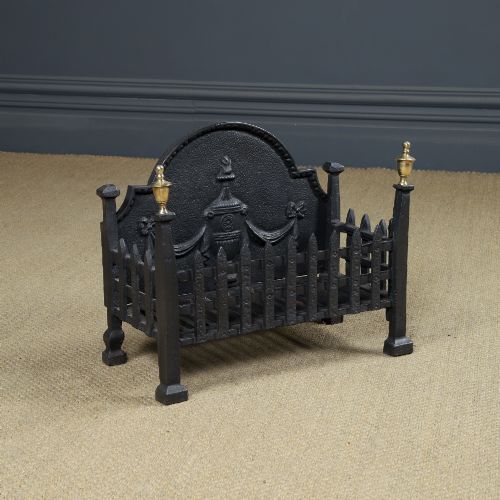
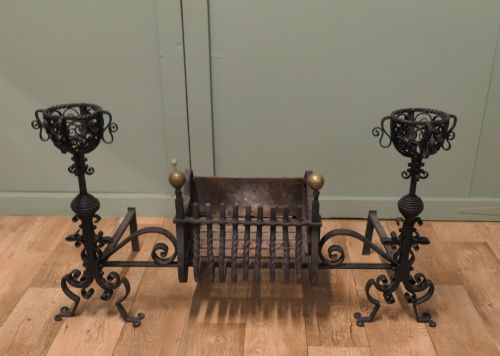
- Supports made of iron or brass placed in a hearth to raise logs off the floor for better air circulation. They are also known as fire dogs.
- Log bin
- A deep container used for storing firewood beside the hearth. They are often constructed from copper or brass-banded wood.
- Fretwork
- Ornamental openwork cut into sheet metal or wood, commonly seen on Edwardian coal buckets. This technique lightens the visual weight of the container while adding pattern.
Brass Hearth Logs: Frequently Asked Questions
What is a brass hearth log container?
These items are functional vessels and accessories designed to hold and store firewood or coal beside an open fireplace.
They combine metalwork and sometimes wood to keep solid fuel tidy and accessible in period rooms.
How were coal scuttles used?
Coal scuttles served to transport fuel from an outdoor store or cellar directly to the hearth for replenishing the fire.
Their angled spouts and handles allowed the user to pour the coal cleanly onto the grate.
How do I clean a brass log bin?
Dust the surface regularly with a soft cloth to prevent the accumulation of soot and grime near the fireplace.
Avoid harsh chemical abrasives that can strip the historic patina from the brass and copper surfaces.
How can I tell Victorian pieces apart?
Victorian pieces often display heavier embossing, machine-pressed brass mounts, and mixed media constructions like copper bodies with iron swing handles.
Earlier Georgian items tend to rely on hand-beaten surfaces, simple brass banding, and coopered wooden construction.