
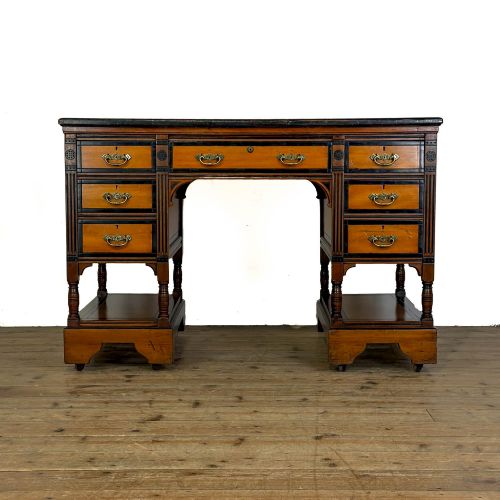
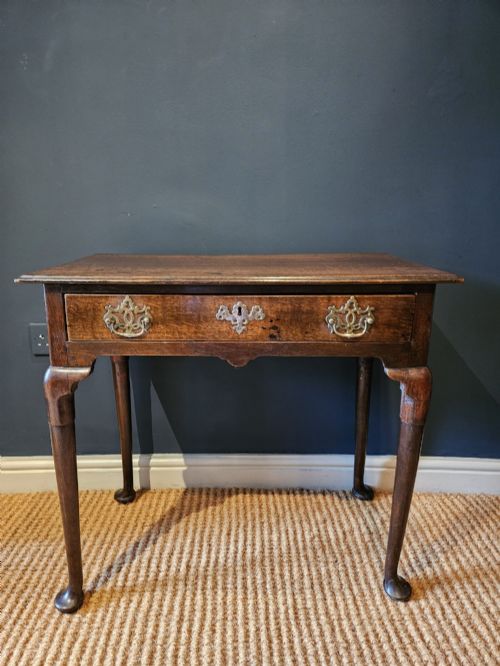
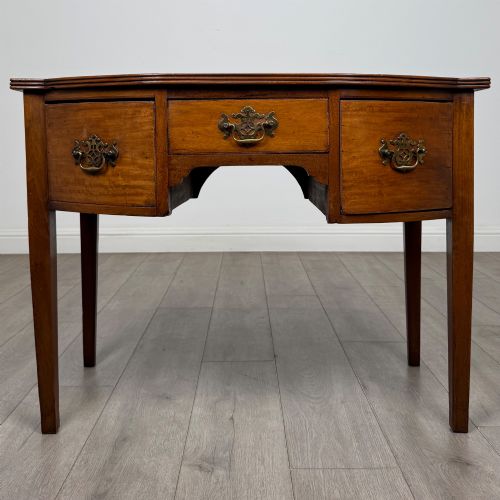
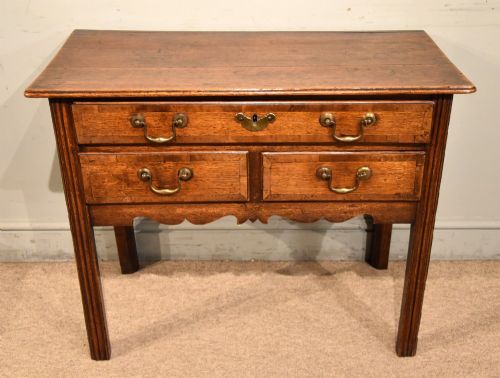
Brass Handled Side Table
A brass handled side table offers compact utility and period character, bringing practical surface space and polished metal detail to a room.
Brass Handled Side Table
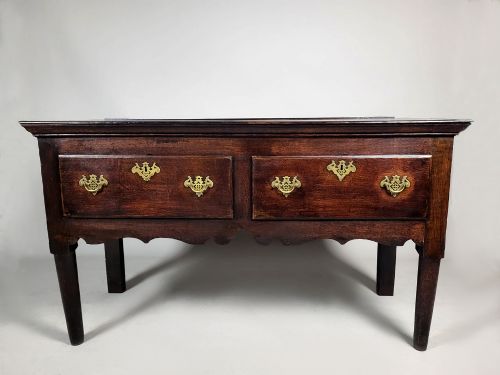
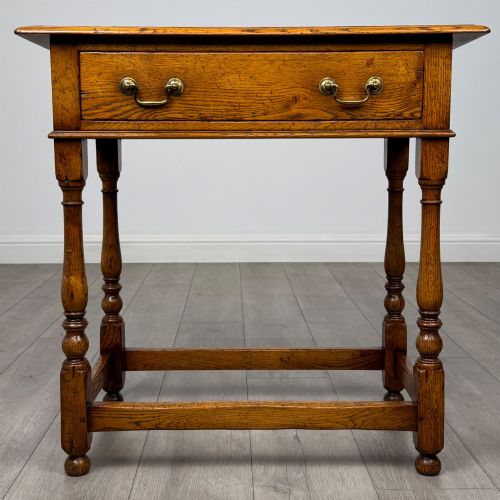
A brass handled side table encompasses a range of domestic forms designed for functional surface use and small-scale storage. When searching for a brass handled side table, buyers encounter examples spanning from the seventeenth century through to the early twentieth century, reflecting shifting domestic habits over generations.
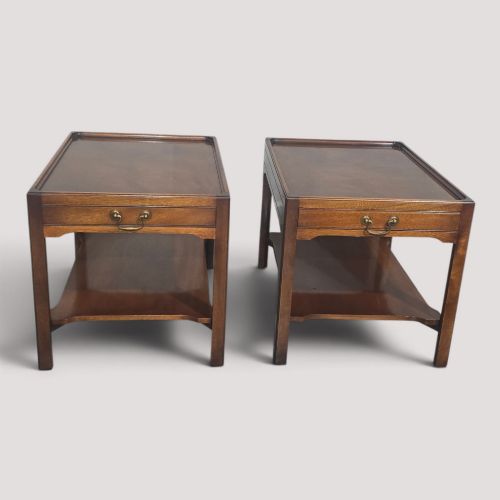
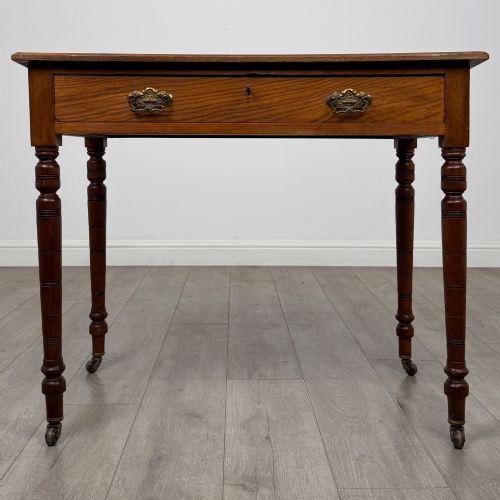
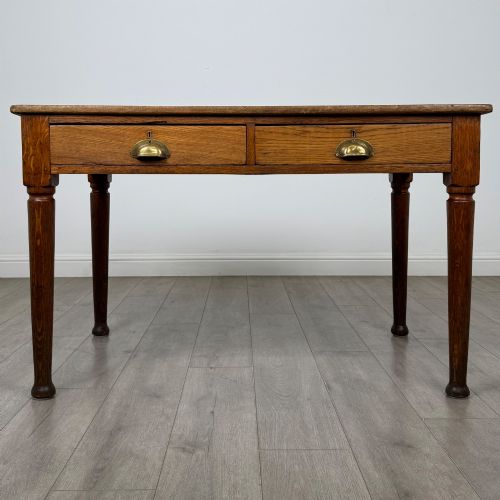
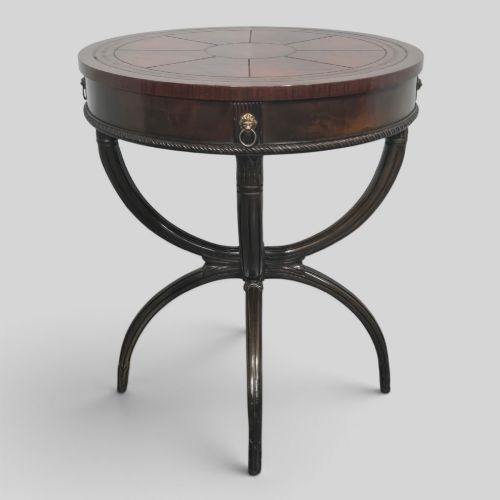
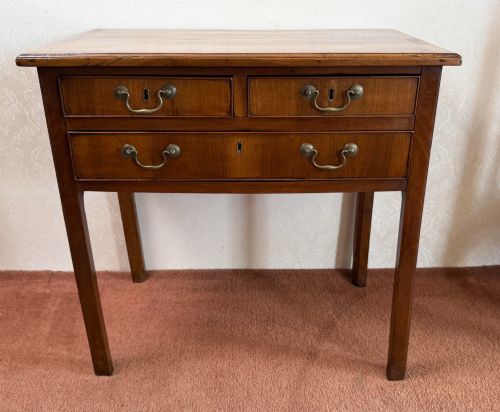
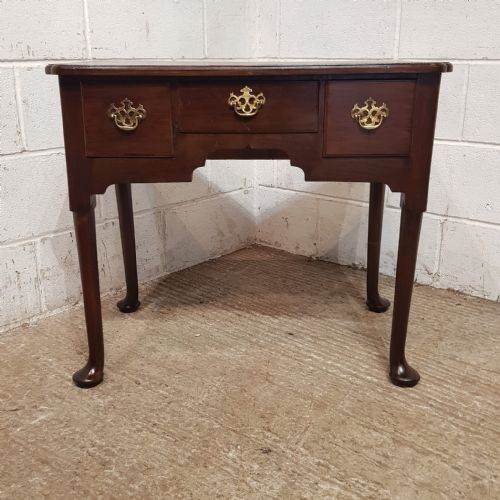
The most common formats on this page are lowboys, occasional tables, and writing tables dating from the Georgian, Victorian, and Edwardian periods. These tables frequently utilise timbers such as oak, mahogany, and walnut, often complemented by original metalwork fittings.
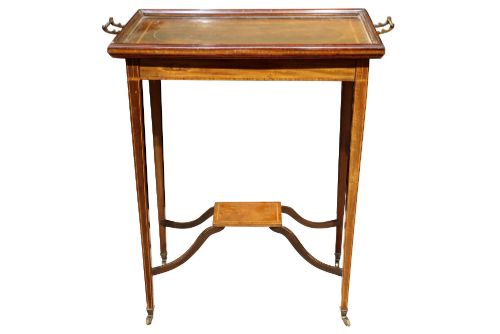
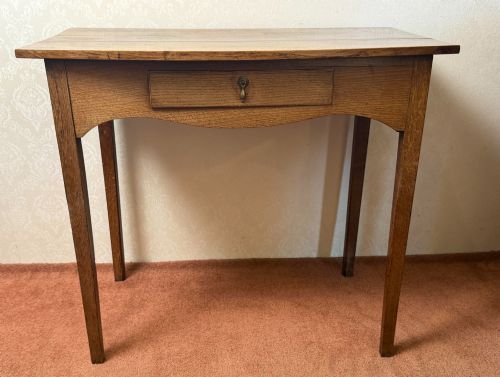
Originating largely from British workshops and country houses, these pieces demonstrate the varied regional tastes of cabinet makers working across different reigns. From simple oak single drawer surfaces to finely inlaid mahogany tray tables, each item serves as a practical table with distinct period provenance.
How they were made
Makers constructed these tables using a foundation of solid timbers like oak, mahogany, and walnut, frequently incorporating secondary woods such as boxwood and satinwood for decorative inlay and banding. Cabinet makers relied on traditional joinery methods, including dovetail joints for drawer construction and mortise and tenon frames for structural stability.
Metal components, specifically brass handles, escutcheons, and hinges, were cast and finished by hand to secure operational longevity and visual contrast against the dark wood surfaces. Surface finishes typically involved hand-applied wax or polish, which protected the timber while enhancing the natural grain patterns of walnut, fruitwood, and mahogany.
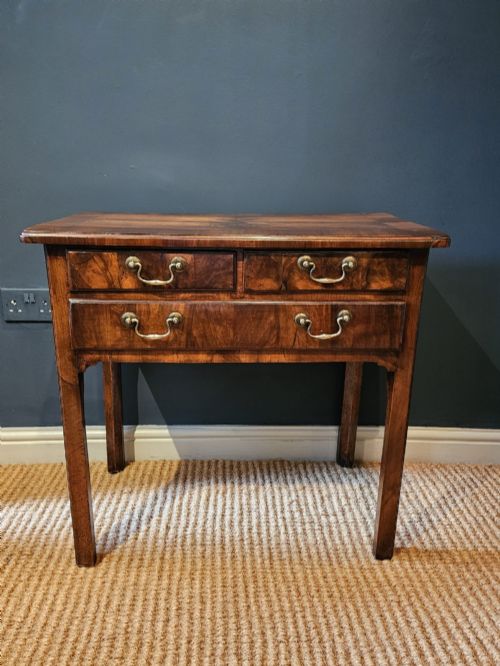
The selection includes forms ranging from Georgian lowboys and Victorian writing tables to Edwardian tray top occasional tables.
What varies in quality
The standard of timber selection largely dictates the caliber of a piece, with figured burr walnut, dense mahogany, and quartersawn oak representing the higher tiers of cabinet work. Superior tables display meticulous attention to grain alignment, particularly across drawer fronts and table tops where mismatched timber immediately diminishes the visual harmony.
The integrity of the construction and the retention of original brass hardware elevate certain examples above standard utilitarian items. Hand-cut dovetailing, precise marquetry or inlay work, and unblemished structural framing distinguish master workshop output from simpler provincial carpentry.
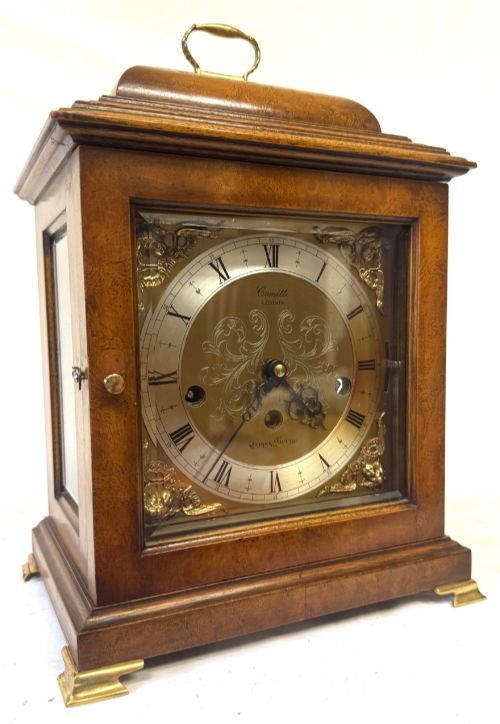
Comitti Of London·Jenners
The Brass Handled Side Table Glossary
- Lowboy
- A small table with one or more drawers, typically supported on four legs, used historically as a dressing table or side table.
- Dovetail
- A joint formed by interlocking wedge-shaped fingers, prized for its tensile strength in drawer construction.
- Escutcheon
- A flat plate of brass surrounding a keyhole, protecting the surrounding wood from wear.
- Marquetry
- Decorative veneer patterns applied to a furniture surface, creating pictorial designs using various tinted woods.
- Potboard
- An open lower shelf built into a dresser base or side table, originally designed for storing heavy pots and pans.
Brass Handled Side Table: Frequently Asked Questions
What is a lowboy table?
A lowboy is a small, low table featuring one or more drawers beneath the surface. They typically appeared in seventeenth and eighteenth-century homes as versatile surfaces.
Craftsmen often built them in oak or walnut to stand against walls or serve as compact dressing desks. Their shallow profile makes them adaptable for modern hallways and living rooms.
How do I style a side table?
Side tables provide functional display space for lamps, books, or decorative objects without dominating a room. Placing one beside a sofa or in an entryway balances practicality with period charm.
Allow the natural timber grain and brass details to stand out by keeping surface arrangements uncluttered. They integrate well into both traditional country house interiors and contemporary spaces.
Are these tables solid wood?
Many of these pieces utilise solid timbers like oak, mahogany, walnut, and fruitwood throughout their primary structure. Cabinet makers of earlier centuries relied on thick boards for tops and structural frames.
Some later or more decorative examples incorporate veneers over secondary woods for marquetry and patterned surfaces. Examining the drawer linings and undersides reveals the primary construction methods.