

Brass Handled Cabinet
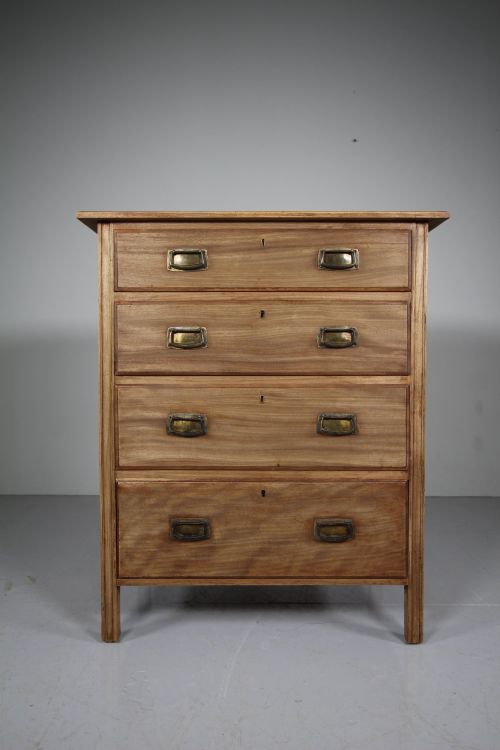
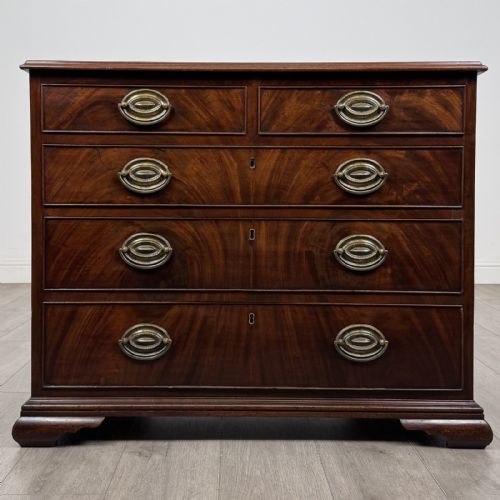
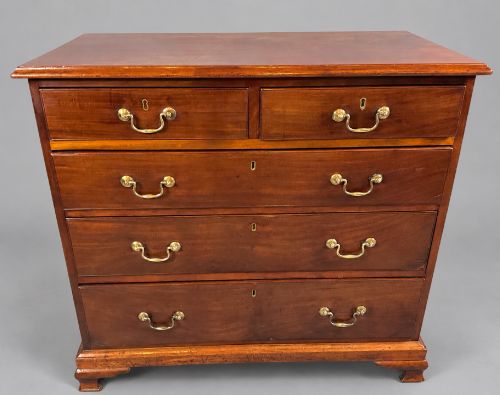
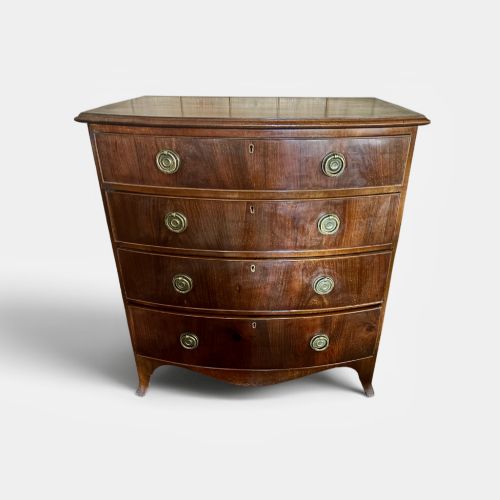
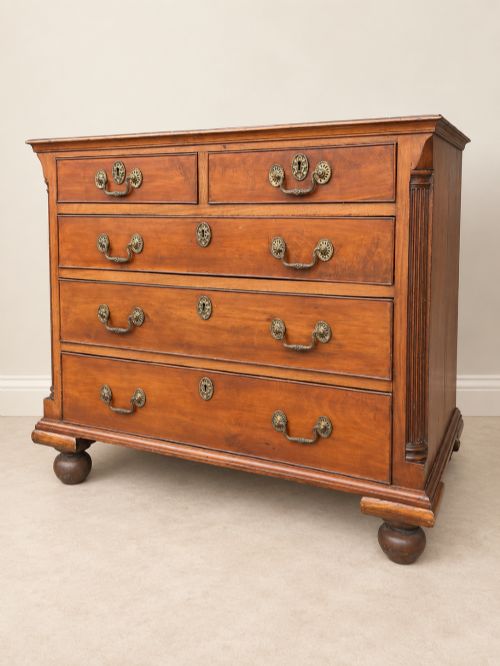
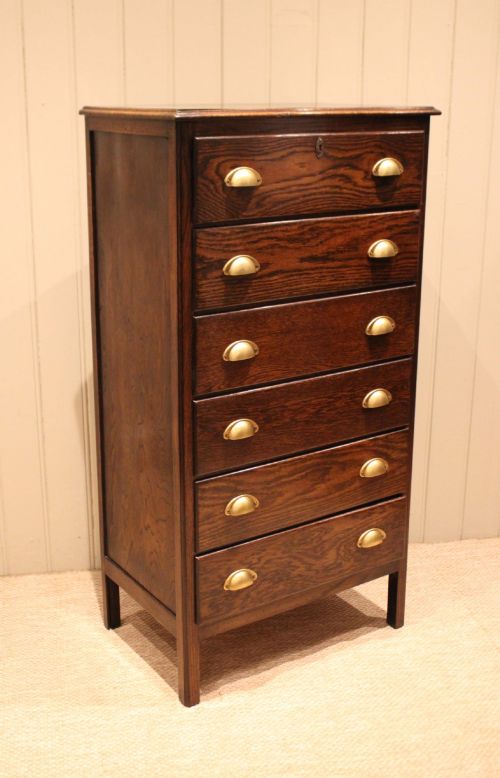
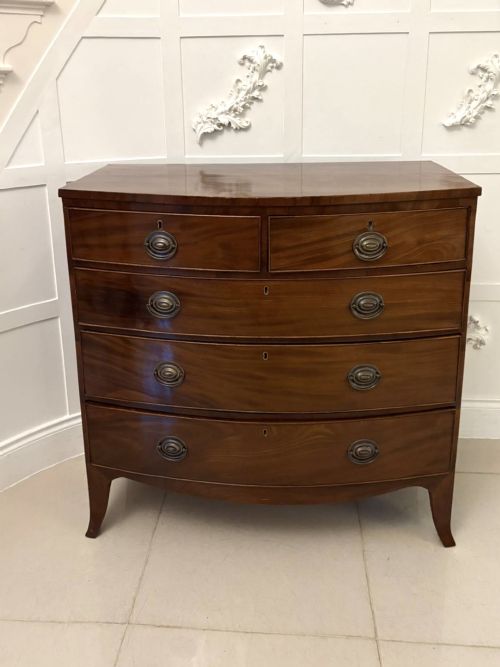
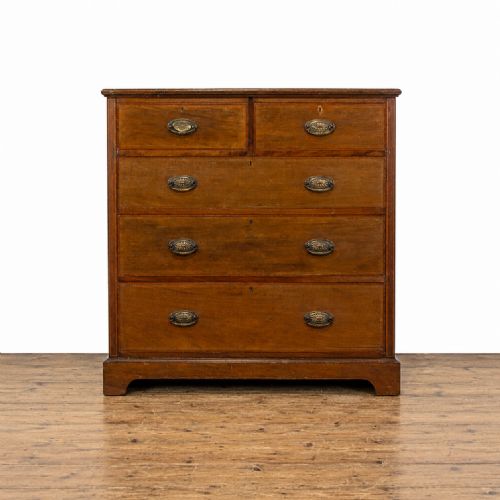
A brass handled cabinet is a practical piece of storage furniture, most often found here as a Georgian or Edwardian chest of drawers.
Brass Handled Cabinet
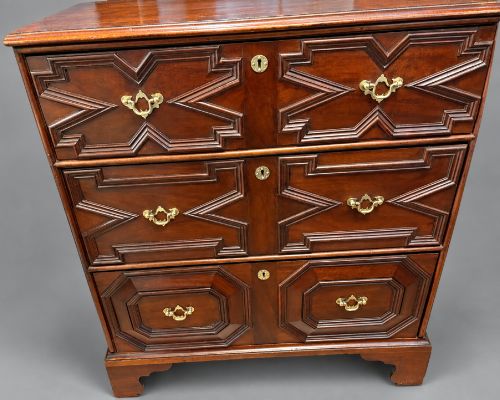
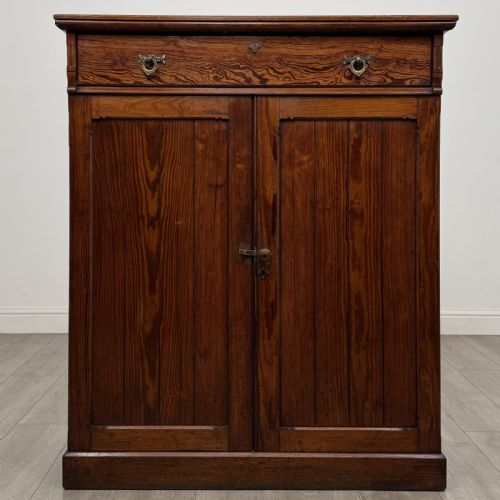
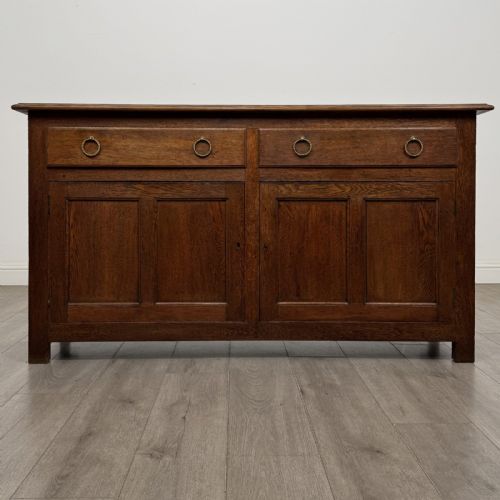
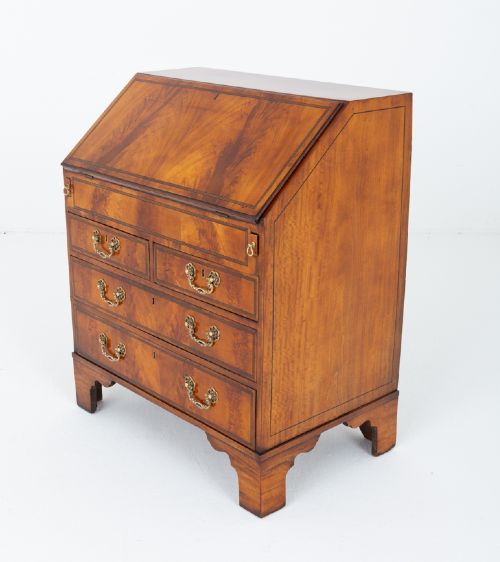
A brass handled cabinet covers a wide range of storage furniture, primarily chests of drawers, sideboards, and filing cabinets spanning the eighteenth to early twentieth centuries. When searching for a brass handled cabinet, buyers most frequently encounter mahogany chests of drawers from the Georgian and Edwardian periods.
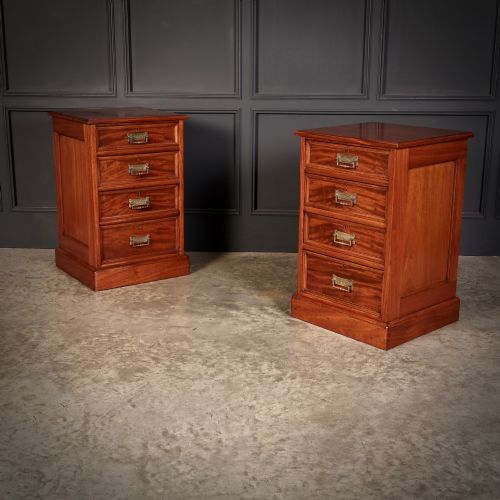
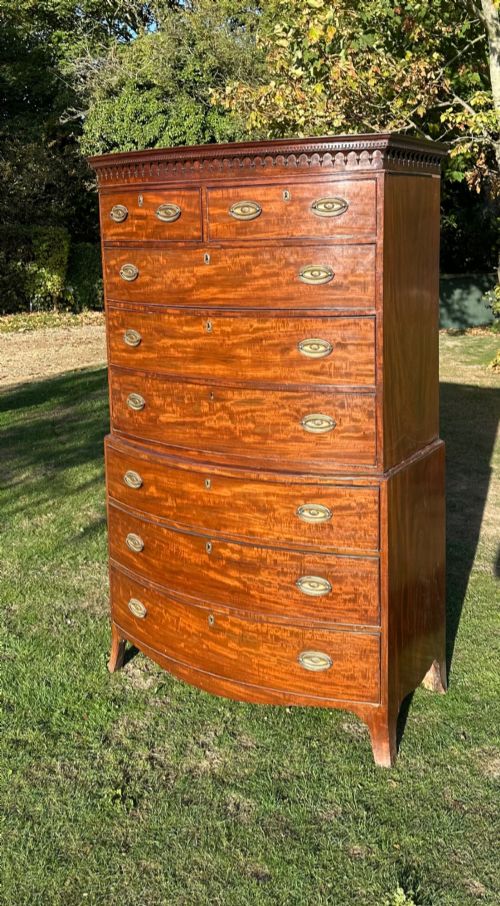
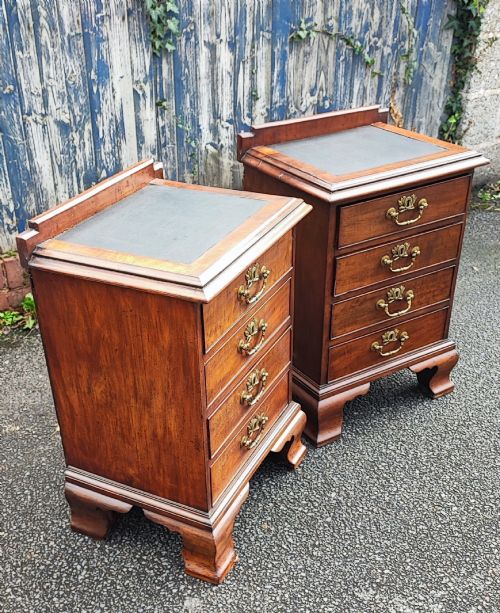
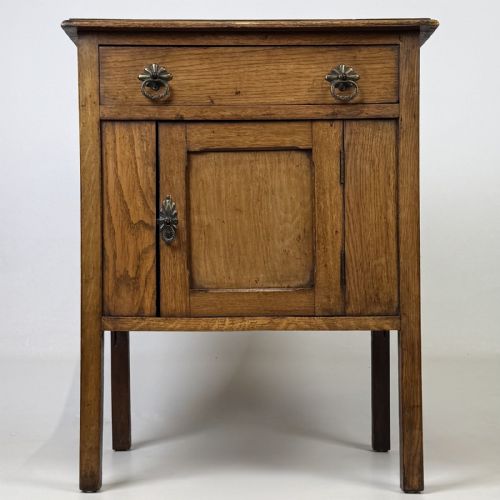
The selection includes tallboys, writing bureaux, cellarettes, and banks of drawers alongside standard chests. Oak, walnut, and pine also appear across these forms, reflecting domestic and functional uses from different eras.
How they were made
Cabinet makers utilised dense hardwoods such as mahogany, oak, and walnut, often applying satinwood crossbanding, marquetry, or inlay to surfaces. Drawer construction typically involved hand-cut dovetails, paired with brass drop handles, ring pulls, or shell pulls.
Secondary timbers like pine appear on internal drawer linings and backs. Finishes rely on traditional polish and wax applied directly to the timber grain.
Brass Handled Cabinet Retail Price Guide 2026
Typical asking prices for brass handled cabinet among the pieces listed under this phrase on Sellingantiques today, from the lower quarter to the upper quarter. They describe what is for sale here now, not the wider market.
Some nineteenth-century filing drawers retain their original paper label holders, ready for a completely new filing system.
What varies in quality
Quality shows in the selection of timber figures, such as Cuban mahogany or burr walnut, and the precision of the cabinet work. Superior pieces display matched wood veneers, finely fitted drawers, and original brass hardware.
Proportion and architectural detailing distinguish standard utility pieces from fine workshop productions. The integrity of the original construction and timber patination define the upper tier of the range.
Hewetsons London
The Brass Handled Cabinet Glossary
- Chest on chest
- A tall storage unit formed of one chest stacked directly upon a larger lower chest, often called a tallboy. This form provides substantial drawer space while maintaining a compact footprint in a room.
- Cellarette
- A fitted cabinet or box designed to hold bottles of wine and spirits securely. They are frequently lined and sometimes raised on short legs or stands.
- Bureau
- A desk featuring a sloping hinged flap that opens to reveal a writing surface and small interior compartments. These units combine workspace with lower drawer storage.
- Crossbanding
- A narrow strip of veneer applied to the borders of a furniture top or drawer front so the grain runs perpendicular to the main panel. This decorative technique frames the primary timber.
- Dovetail
- An interlocking wood joint formed by wedge-shaped pins and tails that secures drawer corners together. Hand-cut dovetails indicate traditional craftsmanship.
Brass Handled Cabinet: Frequently Asked Questions
How do I date a mahogany chest of drawers?
Dating relies on examining construction methods, timber choice, and handle styles. Earlier pieces often feature hand-cut dovetails and solid timber carcases.
Later Victorian and Edwardian examples introduce machine-sawn elements and different veneer thicknesses alongside period-specific brass hardware.
Where should I place a bank of drawers?
A bank of drawers suits studies, kitchens, or living spaces needing substantial small-item storage. Their shallow or deep configurations organise papers, collections, or daily supplies.
Ensure adequate floor space is available for full drawer extension.
Are brass handles original to the furniture?
Checking the interior of the drawer boards reveals whether handle backplates cover older fixing holes. Original handles leave consistent wear patterns matching the age of the timber.
Replacements are common on antique furniture due to centuries of use.
What is the difference between an oak and mahogany cabinet?
Oak furniture tends to date from earlier centuries, exhibiting a prominent grain and robust structural character. Mahogany became dominant by the Georgian period for finer formal rooms.
Both timbers offer durable storage but present distinct visual tones in an interior.