

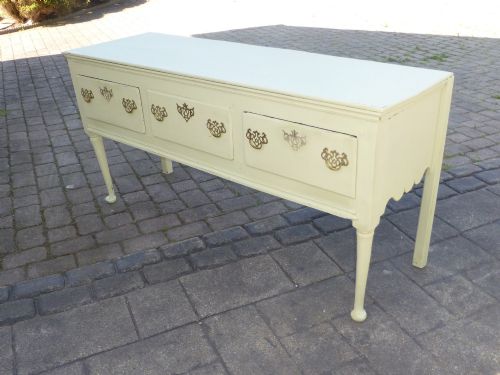
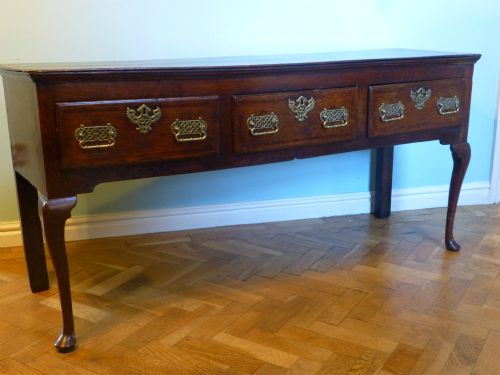

Brass Handle Oak Sideboard
A brass handle oak sideboard brings robust storage and deep historical character to a room, spanning periods from the seventeenth century onward.
Brass Handle Oak Sideboard
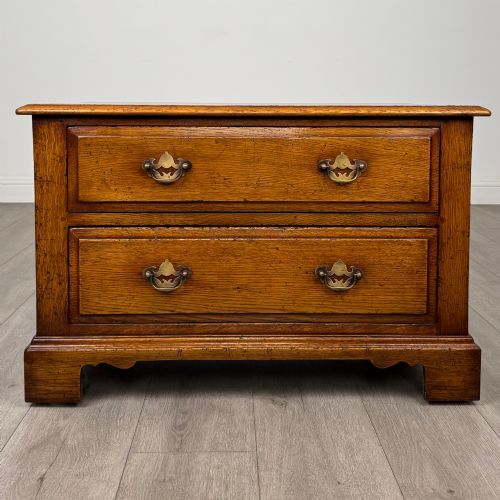
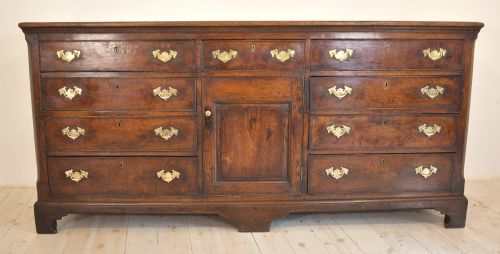
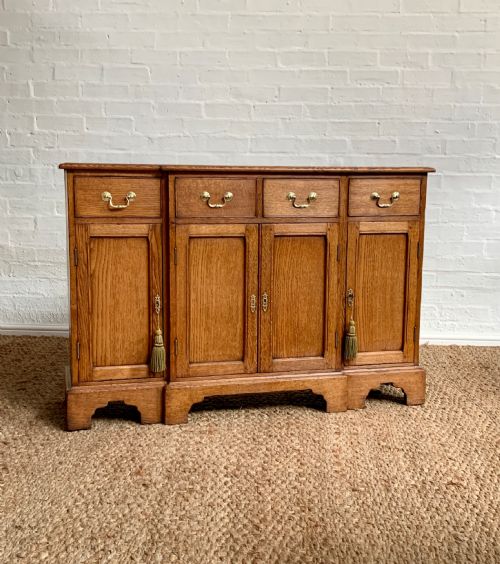
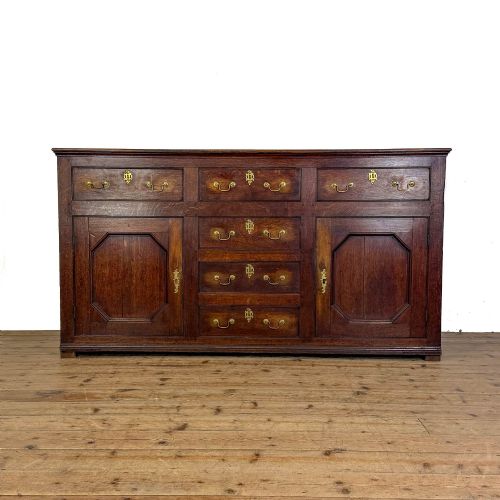
A brass handle oak sideboard search centres primarily upon robust oak furniture built for storage, encompassing dresser bases, sideboard cabinets, and low chests of drawers. These pieces emerge from periods spanning the seventeenth century through to the Edwardian era, reflecting regional English cabinet-making traditions.
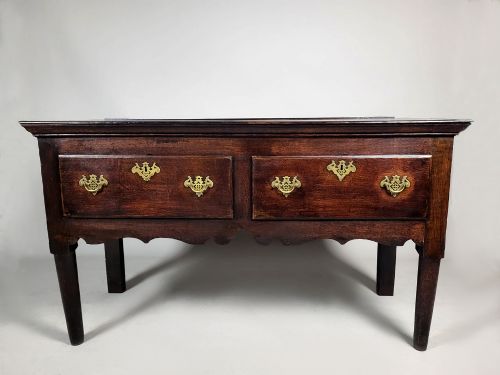
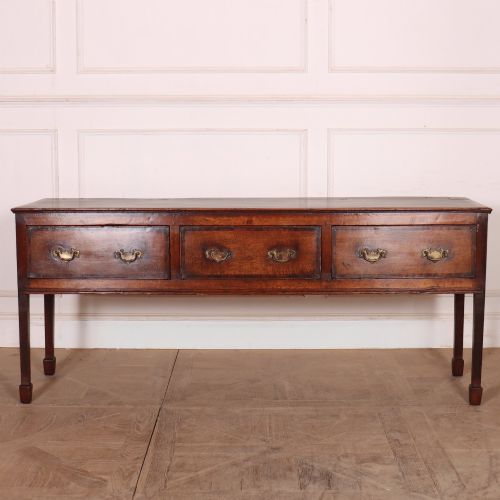
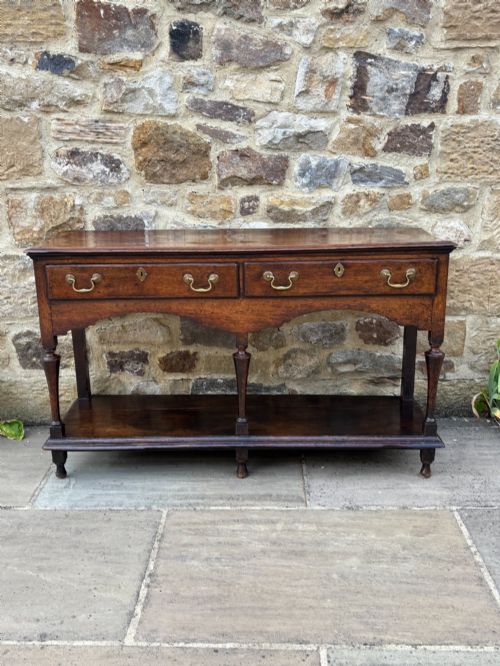
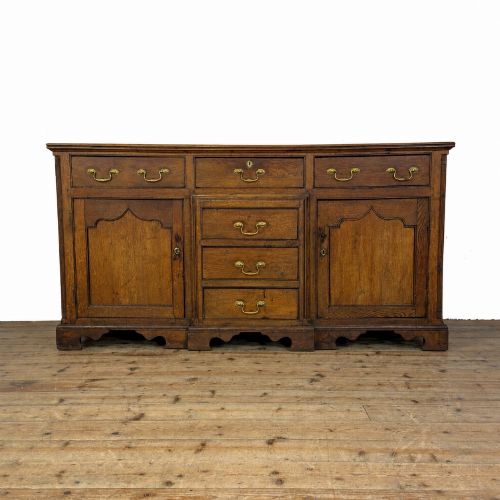
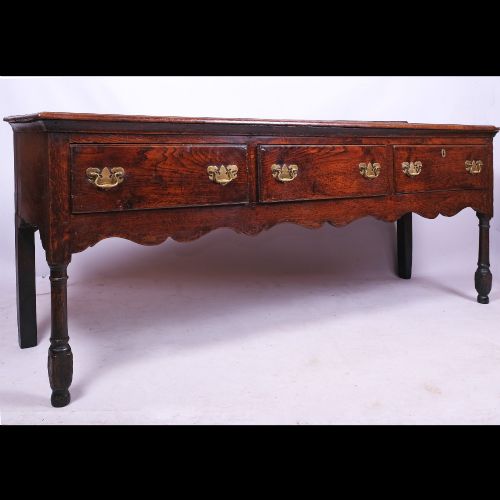
The version most frequently met on this page is the eighteenth-century Georgian oak dresser base, often fitted with functional drawers and occasionally an open potboard beneath. Buyers encounter vernacular forms originating from regions like Lancashire alongside formal George III examples.
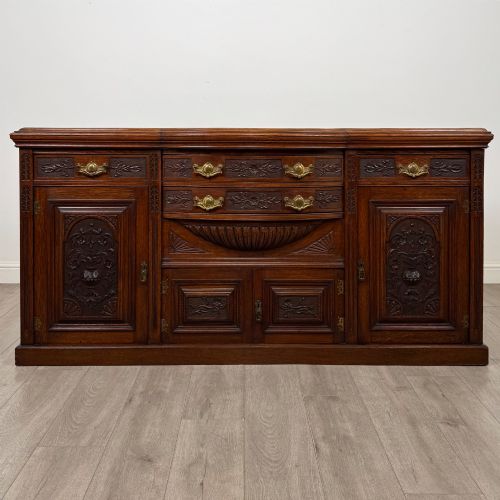
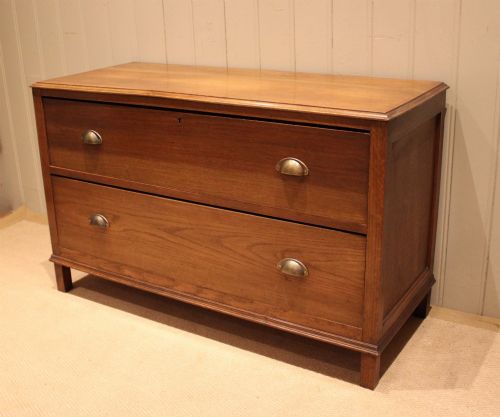
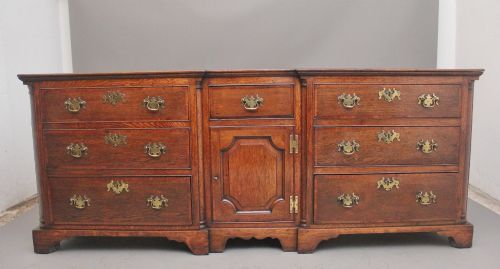
Beyond traditional dressers, the selection broadens to include Victorian carvings, Edwardian low chests, and seventeenth-century style cabinets. Each piece demonstrates the enduring utility of oak as a primary framing and panelling timber.
Materials and Construction
Construction relies heavily on solid oak timbers, chosen for strength and worked using traditional jointing methods. Cabinet-makers incorporated inlay timber and occasional painted finishes to decorate surfaces.
Hardware forms a critical component, featuring brass handles and brasses secured to drawer fronts and doors. Carved detailing appears on specific Victorian and seventeenth-century style iterations.
Listings span multiple centuries, ranging from seventeenth-century styles and Georgian periods through to Victorian and Edwardian eras.
Assessing Quality
Quality rests upon the integrity of the timber, the retention of original brass hardware, and the crispness of any hand-carved elements. Pieces retaining their original patination and early brasses stand distinctly apart from later alterations.
Structural honesty and the proportion of the carcass dictate the standing of a piece within its period. Refined cabriole legs or balanced proportions elevate specific Georgian and Queen Anne examples above simpler vernacular builds.
The Brass Handle Oak Sideboard Glossary
- Dresser Base
- A low sideboard or cabinet featuring multiple drawers, originally used in dining rooms or kitchens for food preparation and storage.
- Potboard
- An open lower shelf built into a dresser base, traditionally designed to hold pots and heavy kitchen utensils.
- Brasses
- The backplates and handles made of brass attached to drawers and doors, which help date a piece by their manufacturing style.
- Cabriole Leg
- A furniture leg that curves outward and then tapers inward, common on finer eighteenth-century seating and case pieces.
- Lancashire Dresser
- A regional English dresser type known for sturdy proportions, deep drawer configurations, and local timber usage.
Brass Handle Oak Sideboard: Frequently Asked Questions
What is a dresser base?
A dresser base is a low wooden cabinet with multiple drawers along the front, often paired with a lower shelf known as a potboard. These sturdy pieces served practical storage functions in domestic interiors.
Over time, they transitioned from utilitarian furniture to principal display and storage items in dining rooms and living spaces.
How do I date an oak sideboard?
Dating relies on examining construction methods, timber grain, handle styles, and decorative details like carving or inlay. Earlier pieces from the seventeenth and early eighteenth centuries often display hand-tooled joinery and pegged frames.
Later Victorian and Edwardian examples show machine assistance, different hardware mounting techniques, and distinct regional stylistic influences.
Where were these sideboards made?
The majority of these pieces originate from English workshops, with distinct regional varieties emerging from areas such as Lancashire. Cabinet-makers utilised locally sourced timber alongside imported brass for handles.
French workshops also contributed distinct carved chests of drawers that share similar functional storage purposes.
How do I care for antique oak?
Antique oak benefits from stable indoor humidity levels away from direct heat sources and strong sunlight, which can dry out the timber. Regular dusting with a soft, dry cloth preserves the surface.
Applying a traditional beeswax polish occasionally helps nourish the wood and maintain its natural lustre without sealing the grain.