


Brass Glass Lustre
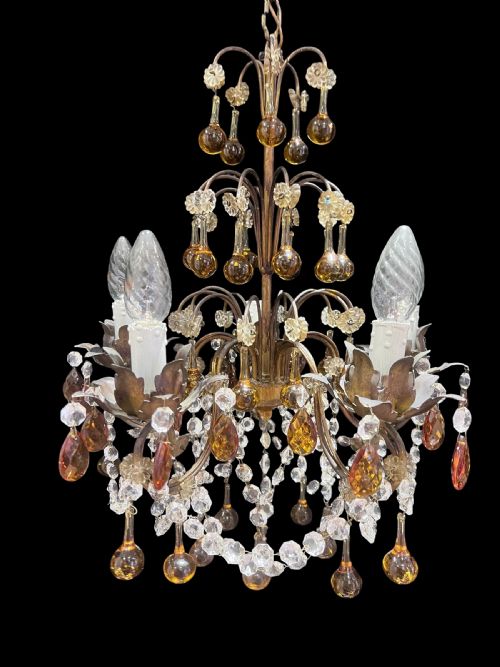
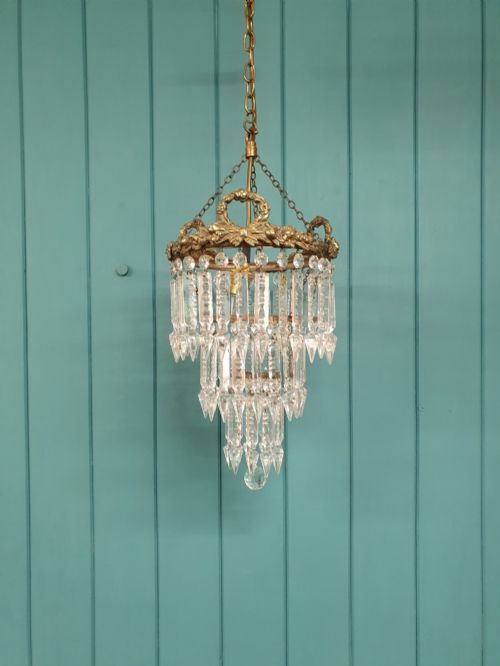
These brass glass lustre pieces combine warm metal frames with hanging crystal drops that catch and scatter the light.
Brass Glass Lustre
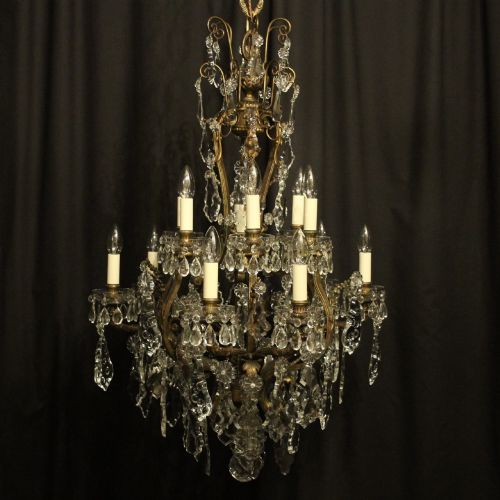
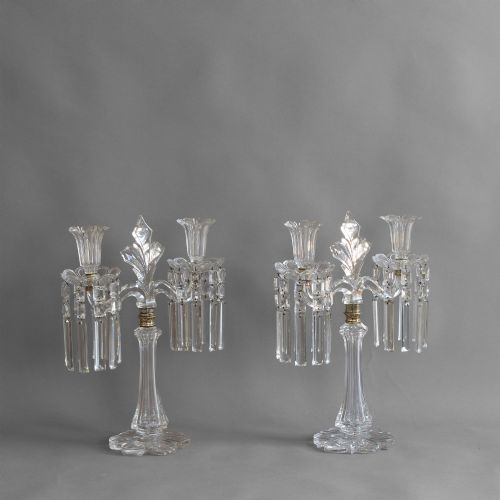
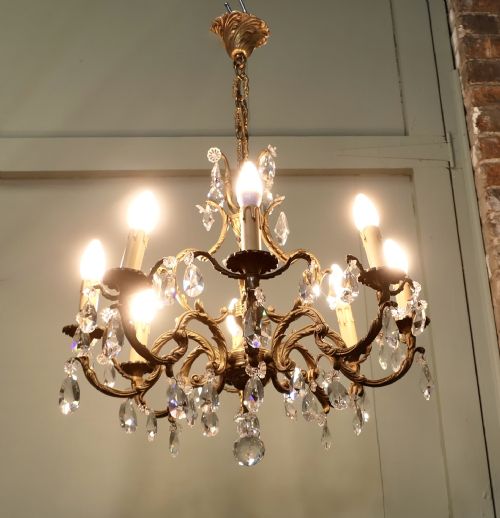
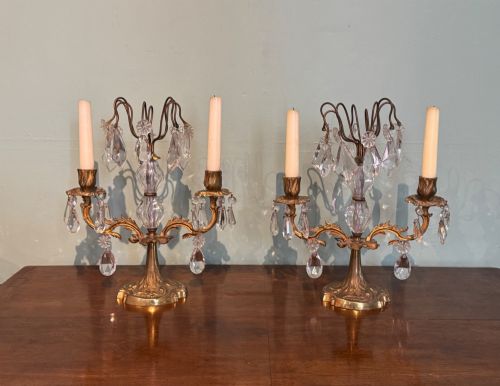
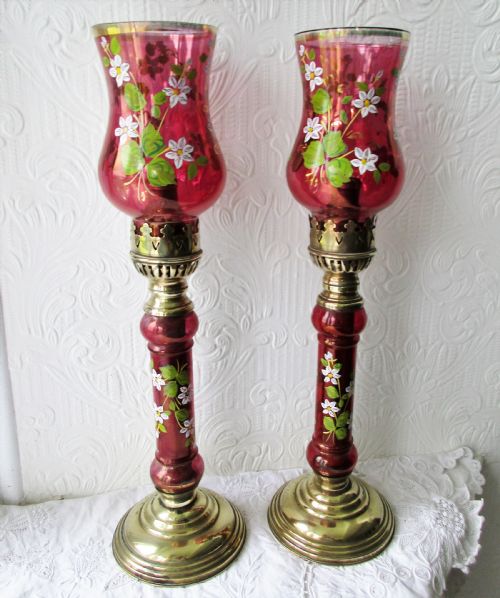
When searching for brass glass lustre items, buyers encounter a variety of lighting and candle fixtures designed to amplify illumination through suspended glass prisms. The selection centres heavily on nineteenth-century and early twentieth-century examples, ranging from large chandeliers to paired table candle-lamps and candelabras.
Most items originate from French, English, and Swedish workshops, spanning periods from the eighteenth century through to the Edwardian era and the nineteen-thirties. Forms vary from multi-light ceiling fixtures hung with crystal drops to smaller table-standing lustres equipped with storm shades.
The category encompasses both functional lighting, such as chandeliers and candle lamps, and decorative mantel or tabletop ornaments designed to reflect candlelight. Buyers frequently meet paired arrangements of table lustres alongside substantial gilt brass or bronze chandeliers.
What varies in quality
The distinction between standard examples and finer pieces lies in the crispness of the brass casting and the depth of the cut glass drops. Superior items display intricate chasing upon the bronze or brass framework alongside heavy, hand-cut crystal prisms that retain sharp facets.
Proportion and completeness also govern the calibre of these pieces, particularly in chandeliers and paired lustres where matching drops are essential. Original components, such as intact storm shades or complete sets of crystal pendants, elevate the integrity of the object.
Listings feature items spanning from the eighteenth century through to the nineteen-thirties, including Victorian and Edwardian periods.
Clarkes
The Brass Glass Lustre Glossary
- Lustre
- A decorative candlestick or lighting fixture hung with cut glass pendants designed to reflect light. These pieces are often found in pairs upon mantelpieces or tables.
- Chandelier
- A branched ceiling-mounted lighting fixture designed to hold multiple candles or bulbs. Examples in this category frequently feature tiers of crystal drops hung from brass or gilt bronze frames.
- Candelabra
- A large branched candlestick holder used for multiple candles. They often incorporate brass frames and glass lustre drops.
- Storm shade
- A glass cylinder placed around a candle flame to protect it from draughts. They appear on specific Victorian candle-lamps alongside brass and glass lustre elements.
- Gilt bronze
- Metal cast in bronze and treated with a gold-coloured finish or gilt layer. This material provides a durable and ornate foundation for many French antique fixtures.
Brass Glass Lustre: Frequently Asked Questions
What is a brass glass lustre?
A brass glass lustre is a decorative lighting or candle accessory featuring a metal frame adorned with hanging cut glass pendants. These pendants are intended to catch and multiply the illumination from candles or early electric bulbs.
They were traditionally placed on dining tables, mantelpieces, or hung from ceilings in formal rooms during the eighteenth, nineteenth, and early twentieth centuries.
How do I clean the crystal drops?
Cleaning crystal drops requires removing them gently from the brass frame to wash them individually in warm soapy water. A soft cloth and mild solution ensure the glass facets are not scratched during the process.
The brass framework should be dusted carefully with a dry cloth to preserve any existing gilding or aged patina without damaging the metal surface.
Were these fixtures electrified later?
Many surviving chandeliers and candle lamps from the nineteenth and early twentieth centuries have been adapted for modern electricity over time. Some retain their original candle-only configuration, particularly smaller table lustres and paired candelabras.
Buyers should examine the wiring and fittings of each piece to determine whether it has been converted or remains in its original format.
How do I date a lustre chandelier?
Dating these fixtures involves examining the style of the metal casting, the cut of the glass drops, and the overall construction methods used. Victorian and Edwardian examples often feature specific revival motifs, such as French Rococo curves or simpler early twentieth-century proportions.
Comparing the drop shapes and the type of brass or gilt bronze provides further clues to whether the piece originates from the eighteenth, nineteenth, or twentieth century.