


Brass Glass Lighting Fixture
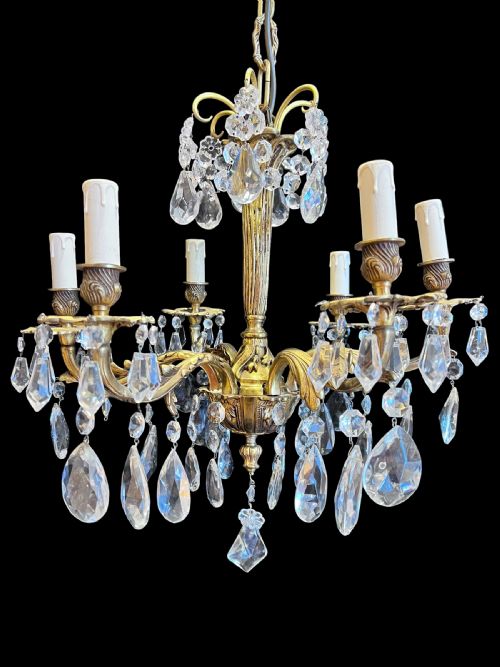
A brass glass lighting fixture brings structural warmth and reflective brilliance to a room, turning everyday illumination into a focal point.
Brass Glass Lighting Fixture
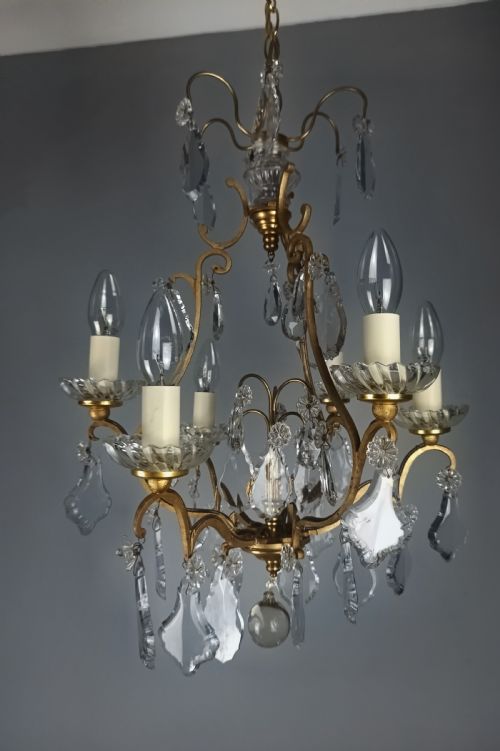
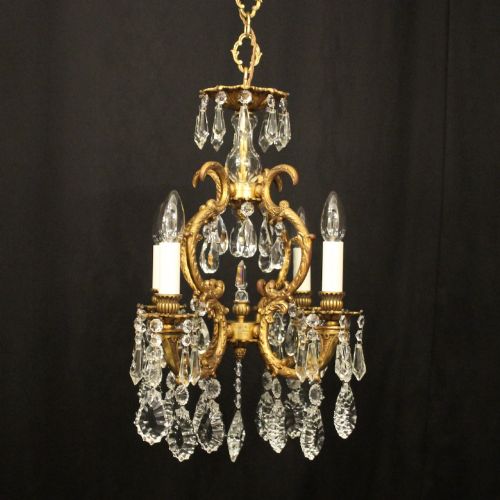
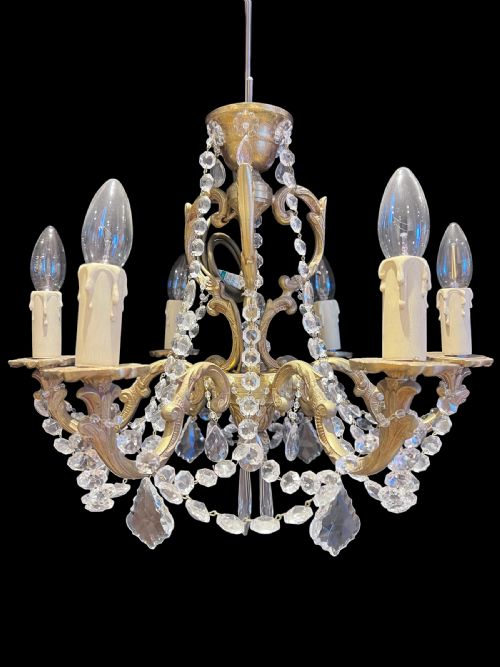
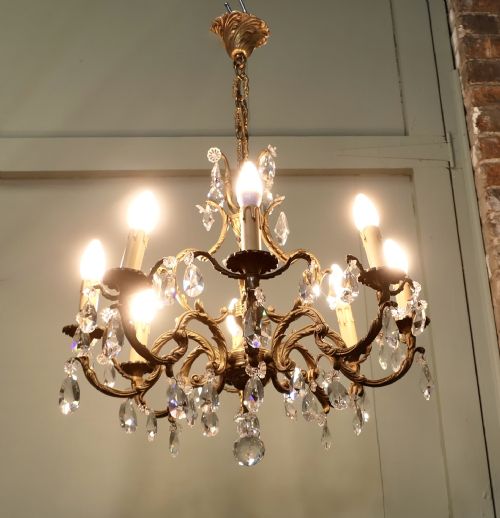
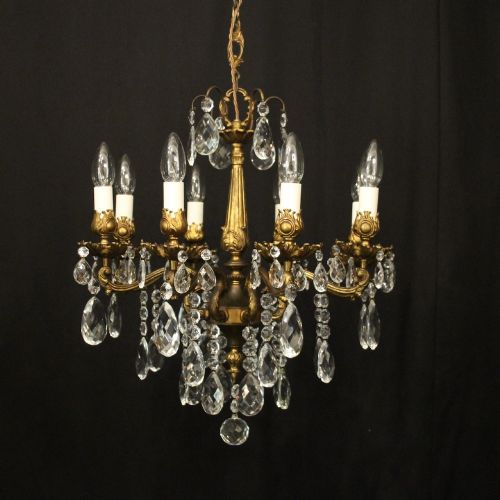
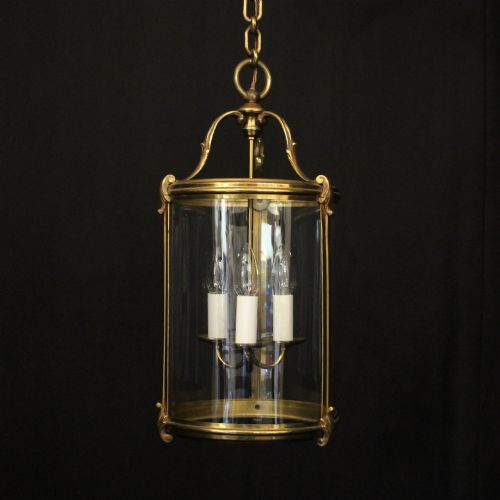
A brass glass lighting fixture encompasses a diverse group of overhead suspensions designed to brighten interiors through metal frames and transparent panels or drops. Buyers searching for a brass glass lighting fixture will encounter everything from multi-armed chandeliers to enclosed hall lanterns and single pendants.
The selections span significant historical periods, running from Victorian and Edwardian examples through to Art Deco designs of the 1920s and 1930s. French stylistic influences dominate the selection, appearing alongside English and Italian variants.
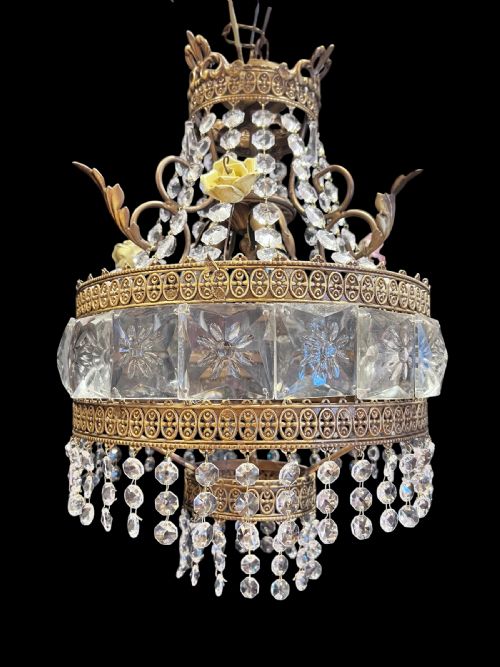
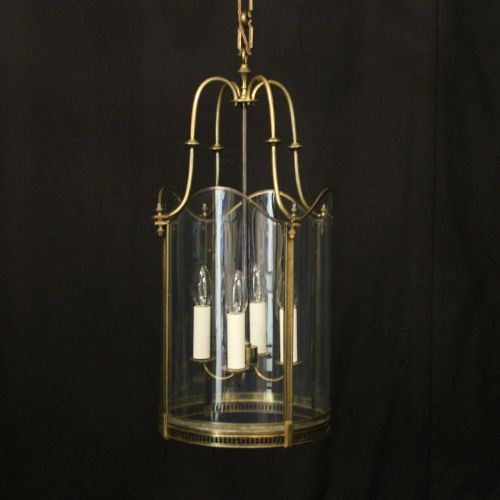
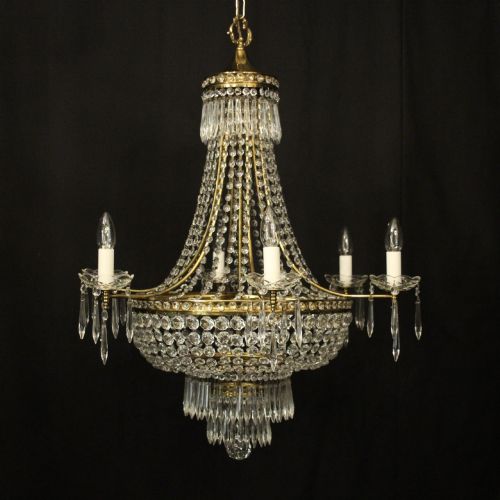
Common forms include crystal-hung chandeliers, tent and waterfall configurations, and convex wall or ceiling lanterns. These pieces suit entryways, reception rooms, and spaces requiring substantial overhead illumination.
Materials and construction
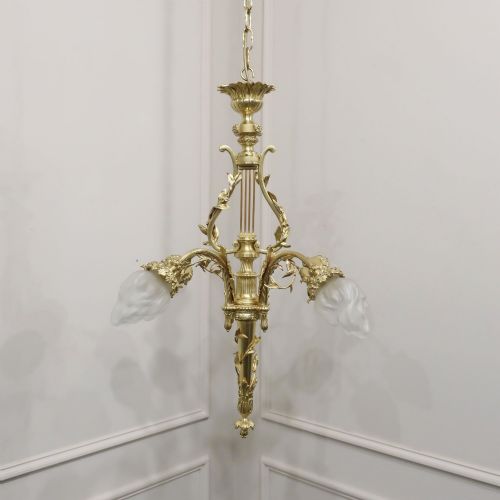
Frames are constructed from brass, gilt bronze, or gilded brass, providing a rigid metallic skeleton that holds the glazing. This metalwork often carries cast ornamentation, ranging from leaf motifs to neoclassical details.
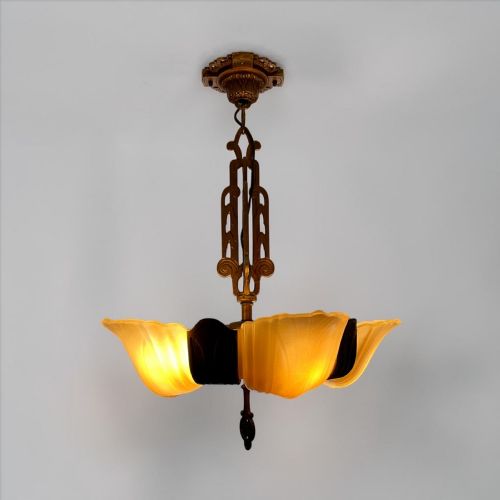
Glass elements take multiple forms, including faceted crystal drops, cut glass panes, bevelled segments, and moulded slip shades. These translucent components catch and refract light from the internal bulbs or gas burners.
Period representation includes Victorian, Edwardian, and extensive 1920s and 1930s production.
Distinctions in craftsmanship
Quality rests in the weight and definition of the metal framework, where finely cast gilt bronze or chased brass surpasses simpler stamped constructions. The intricacy of the metal detailing dictates the overall character of the piece.
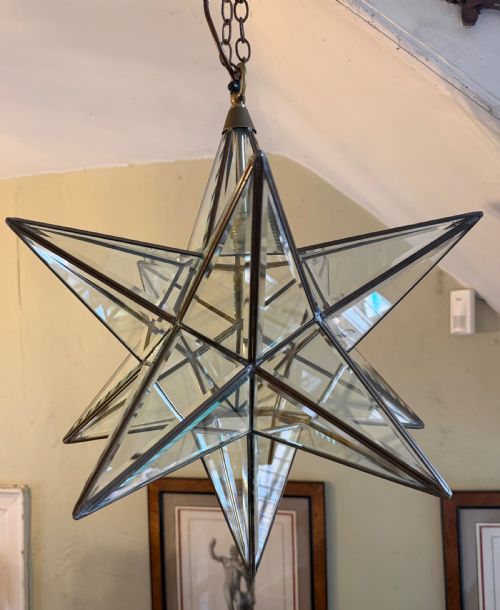
The integration of the glass components sets apart superior examples. Hand-cut crystal drops, bevelled glass stars, and opalescent or pink Venetian glass elements demonstrate higher artistic ambition than plain moulded alternatives.
The Brass Glass Lighting Fixture Glossary
- Plafonnier
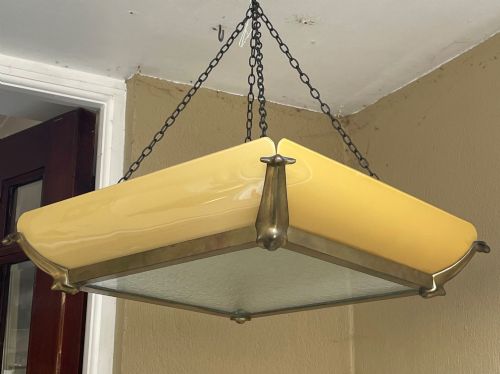
- A ceiling-mounted lighting fixture that sits flush or very close to the ceiling surface. These often feature glass bowls or cut glass plates secured within a metal mount.
- Tent and waterfall
- A chandelier style characterised by an upper triangular tent of crystal beads cascading down into a wider waterfall of drops. This arrangement creates a dense curtain of reflective glass.
- Hall lantern
- An enclosed hanging light designed for corridors and entranceways. They frequently employ convex glass panels held inside a brass or bronze frame.
- Gilt bronze
- An alloy of copper and zinc treated with a gold finish to give a rich, metallic lustre. It is frequently employed in French neoclassical and empire designs.
- Slip shade
- A type of frosted or moulded glass shade that slots directly into a metal frame. These are strongly associated with Art Deco lighting designs.
Brass Glass Lighting Fixture: Frequently Asked Questions
How do I hang a heavy antique chandelier?
Heavy chandeliers require secure anchoring directly into ceiling joists using rated steel fixings. Professional installation is essential to support the combined weight of the metal frame and glass components.
Weight distribution must be calculated carefully before mounting larger multi-light fixtures. Consulting a qualified electrician ensures the wiring safely accommodates the period fitting.
What periods are represented in these lights?
The available pieces originate from the Victorian era, the Edwardian period, and the early twentieth century. Art Deco designs from the 1920s and 1930s are particularly prevalent.
Stylistic influences also stretch across French neoclassical, empire, and rococo revivals. Each period brings distinct metal casting techniques and glass-cutting styles.
How do I clean cut glass drops?
Crystal and cut glass elements benefit from careful hand cleaning with a mild soapy solution and warm water. Removing the drops individually allows thorough polishing with a lint-free cloth.
Harsh chemical cleaners should be avoided to protect the surrounding brass or gilt surfaces. Regular dusting maintains the reflective brilliance of the glass.
Are these lights wired for modern bulbs?
Many surviving fixtures have been adapted over time to accept standard modern electrical fittings. Rewiring is often updated to meet contemporary safety standards while preserving the exterior antique appearance.
Buyers should inspect the internal wiring status of specific pieces before installation. A local electrician can easily replace outdated components if necessary.