

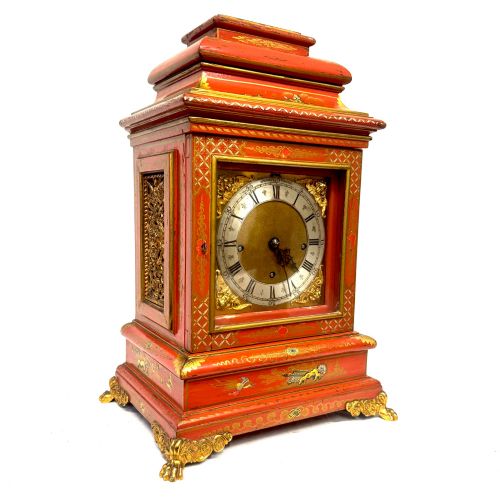
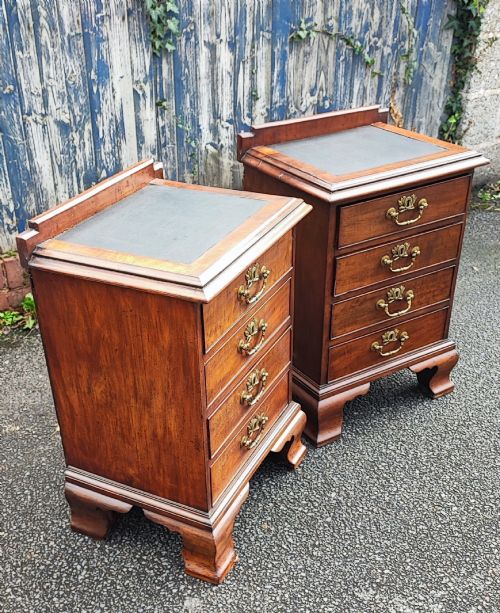
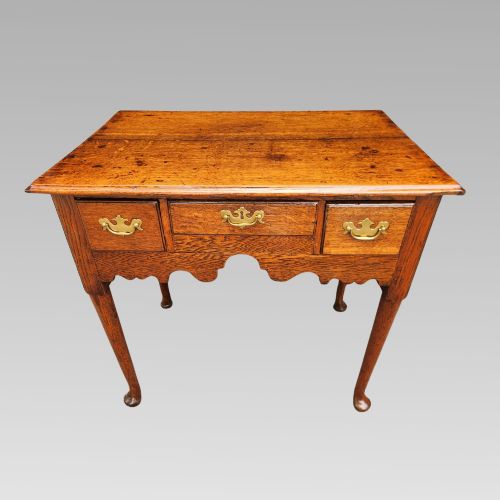
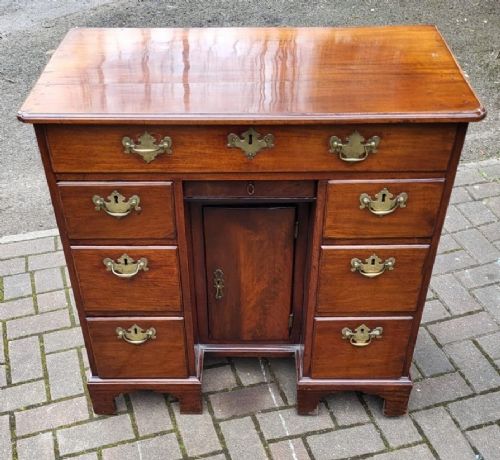

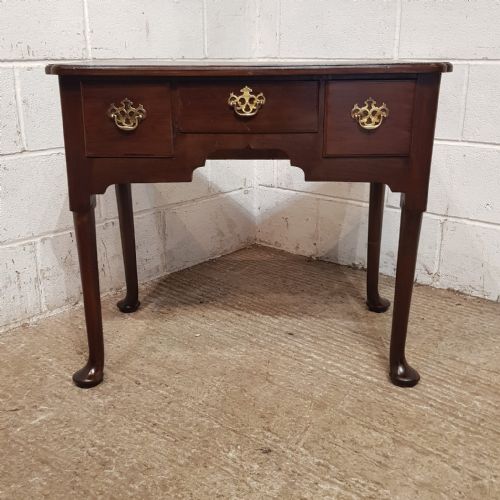
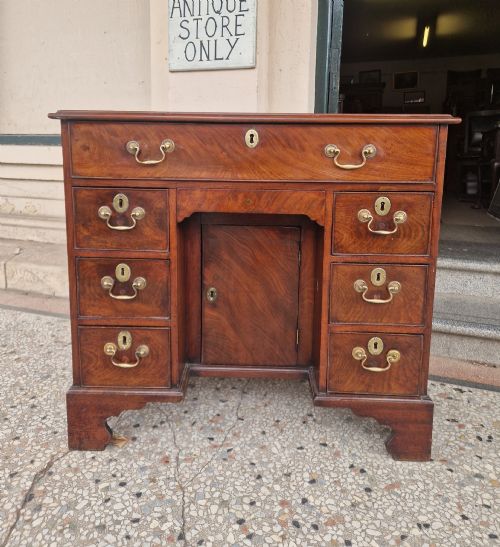
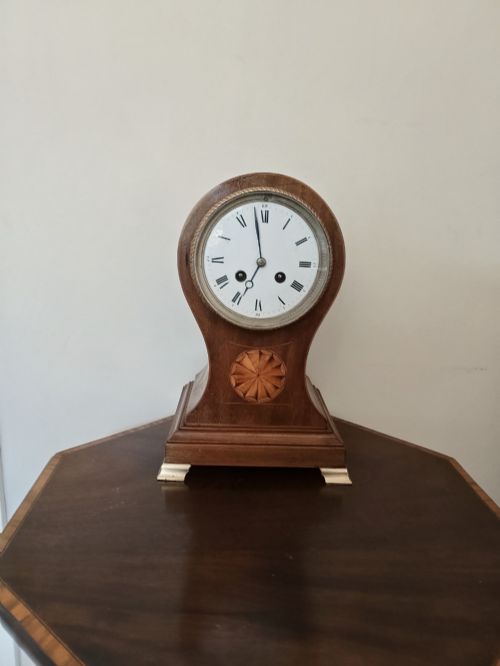
Brass Footed Table
A brass footed table brings together timber frames and metal mounts to ground a room with period weight.
Brass Footed Table
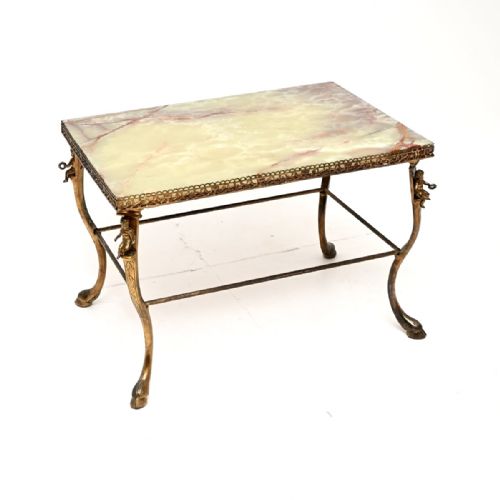
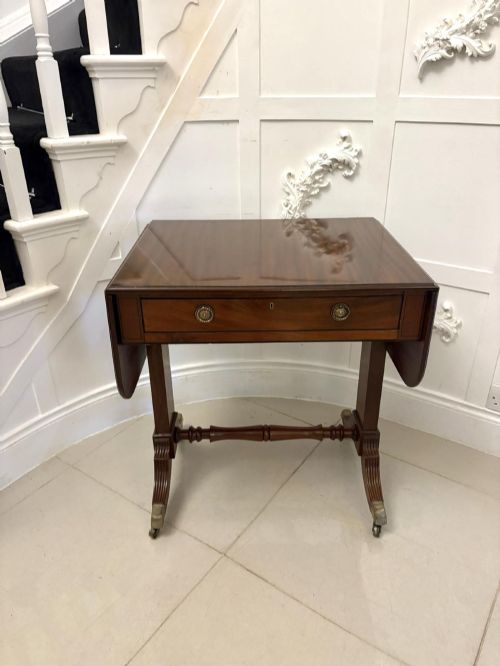
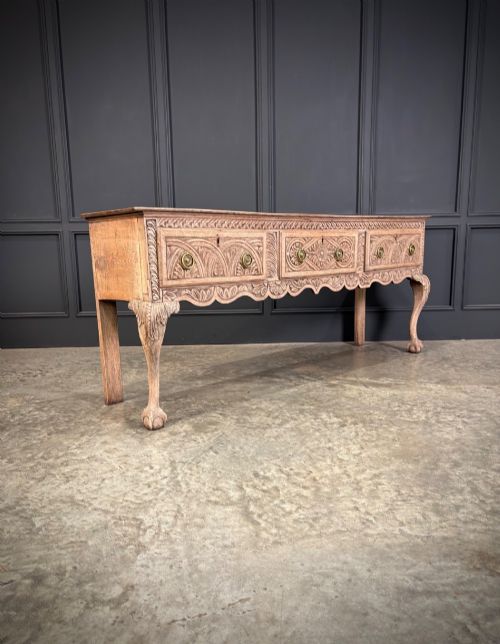
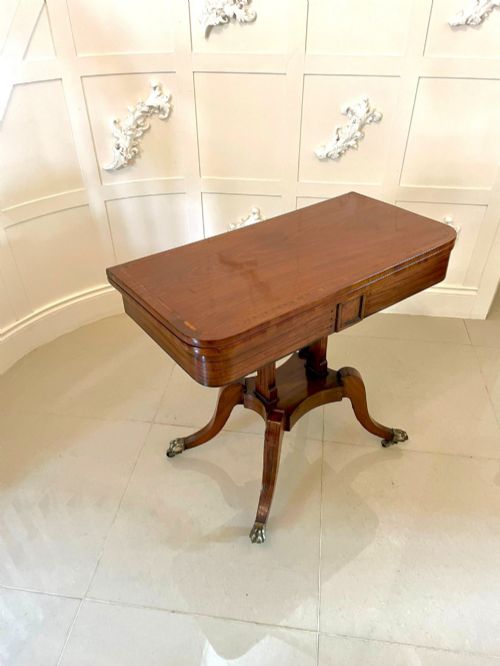
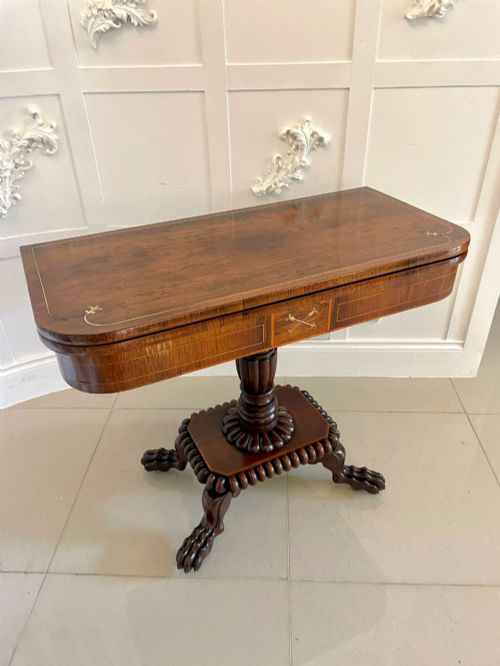
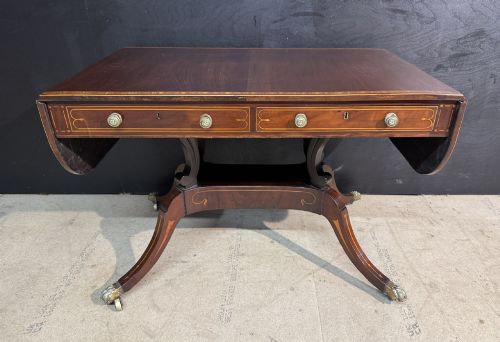
A brass footed table combines a timber primary structure with metal terminals, providing a sturdy surface for domestic use. When looking for a brass footed table, one encounters forms ranging from card tables and sofa tables to centre tables and coffee tables.
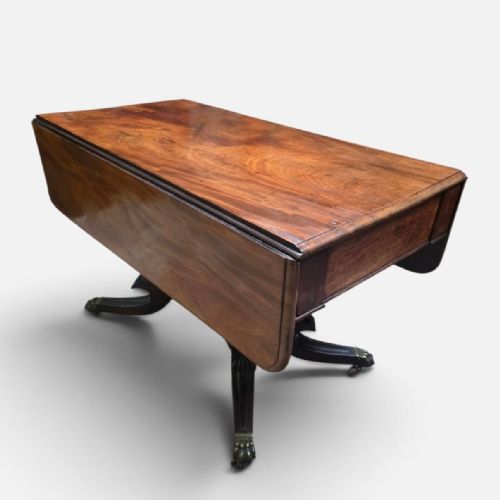
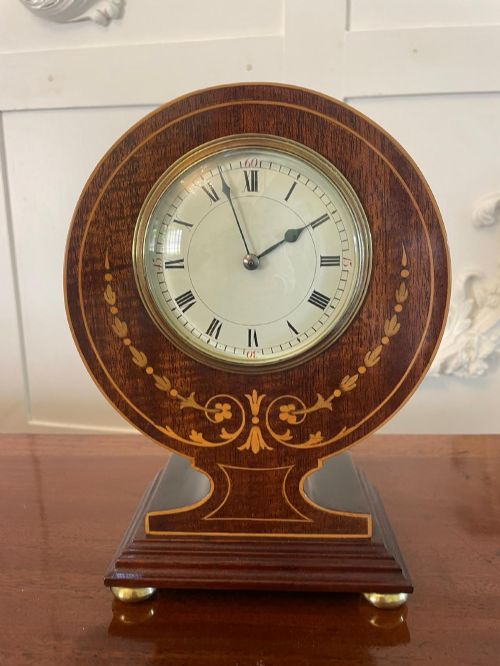
The pieces span several periods, drawing heavily on Georgian, Regency, and Edwardian eras. Mahogany and rosewood form the bulk of the timber bodies, matched with brass castors, paw feet, or inlay.
How they were made
Cabinet makers joined dense hardwoods like mahogany, rosewood, and oak using traditional joinery methods such as dovetails and mortise and tenon joints. Timber surfaces often received careful polishing to show the natural grain.
Metal components, including brass castors, mounts, and ormolu, were cast and turned separately before being fitted to the timber bases. Inlays of satinwood and ebony added contrasting decorative lines into the main tabletops.
Brass Footed Table Retail Price Guide 2026
Typical asking prices for brass footed table among the pieces listed under this phrase on Sellingantiques today, from the lower quarter to the upper quarter. They describe what is for sale here now, not the wider market.
Listings feature timbers including mahogany, rosewood, oak, satinwood, and ebony, paired with brass and ormolu mounts.
What varies in quality
The refinement of the timber selection and the crispness of the brass work define the standard of a piece. Finer examples show thoughtful figuring in the rosewood or mahogany veneers alongside neatly cast metal feet.
Proportion and structural integrity dictate the upper tiers of these tables. Well-balanced pedestals and tightly fitted joints separate workshop output from mass production.
George Bullock·Bush of London·Desbois and Wheeler
The Brass Footed Table Glossary
- Sofa table
- A rectangular table traditionally placed before a sofa, fitted with drop leaves and small drawers. These pieces often feature pedestal supports or trestle ends.
- Card table
- A folding table designed for evening games, featuring a hinged top that opens to reveal a baize-lined playing surface. Many examples stand on slender legs with brass footings.
- Ormolu
- Gilded bronze applied as decorative mounts and feet on furniture and decorative objects. This technique creates a rich metallic contrast against dark timbers.
- Tilt top table
- A table with a mechanism allowing the surface to tilt vertically when not in use, saving floor space. The pivot mechanism is housed on a central pillar base.
- Centre table
- A freestanding table intended to sit in the middle of a room rather than against a wall. These pieces show finished joinery on all four sides.
Brass Footed Table: Frequently Asked Questions
What is a brass footed table used for?
These tables served various domestic functions, acting as dining surfaces, card tables, or central display points in period rooms.
Their sturdy timber construction and metal mounts allowed them to withstand daily use while anchoring the layout of a room.
How do I identify a Regency period table?
Regency tables typically display dark timbers like mahogany or rosewood, often enhanced by brass inlay or bold pedestal bases.
Look for classical motifs and clean architectural lines that reflect the early nineteenth-century design influence.
Where should I place a centre table?
A centre table belongs in the middle of a room where its finished sides and detailed base can be viewed from all angles.
Because these pieces lack a designated front or back, they help break up large floor spaces.
How do I care for antique mahogany and brass?
Maintain the timber with appropriate wax polish applied sparingly to preserve the natural grain and deep colour.
Keep brass components free from moisture and clean them gently without harsh abrasives to maintain their finish.