


Brass Fireside Storage Box
A brass fireside storage box keeps fuel tidy by the hearth, combining utilitarian metalwork with period decorative style.
Brass Fireside Storage Box
A brass fireside storage box functions as a practical container for coal, logs or kindling beside the fireplace. When searching this phrase, buyers encounter various forms designed to hold fuel while concealing it from view.
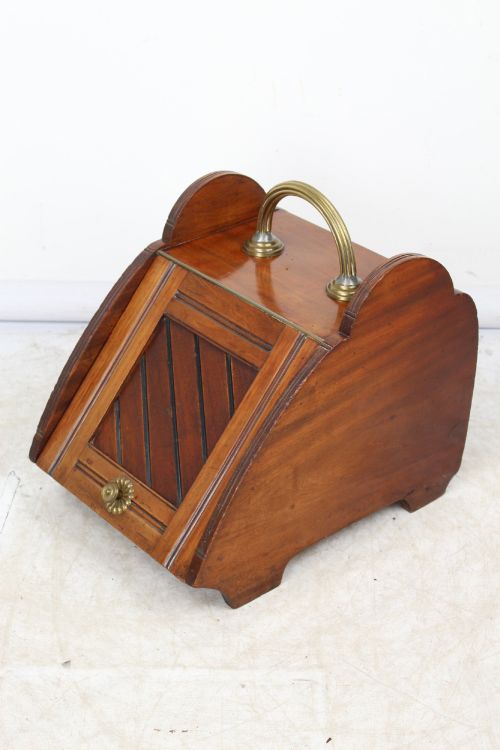
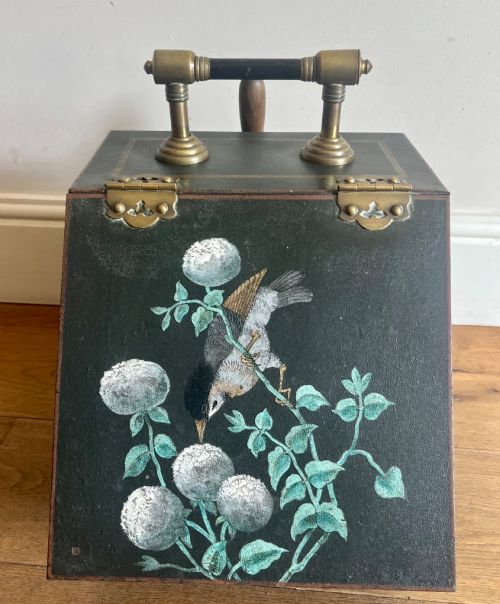
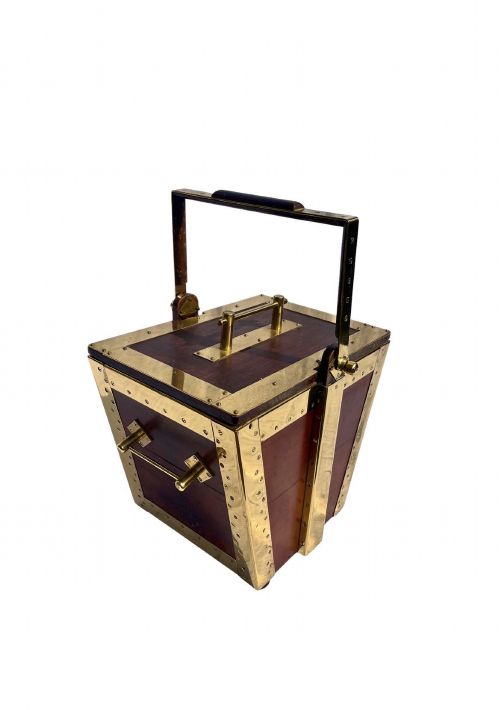
The most common examples on this page date from the Victorian and Edwardian periods, taking the form of coal boxes, scuttles and purdoniums. These items often feature hinged lids, drop handles and occasionally interior metal liners.
How they were made
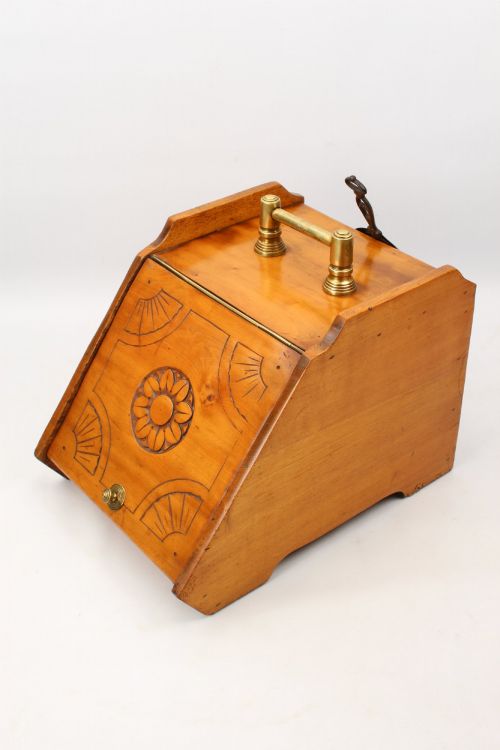
Cabinetmakers constructed the wooden bodies primarily using mahogany, oak and walnut, frequently incorporating carved panels or mahogany inlay. Metalworkers then added structural brass hinges, handles and decorative mountings to reinforce the timber.
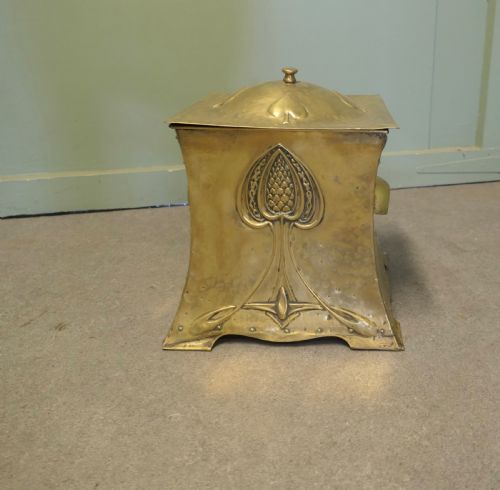
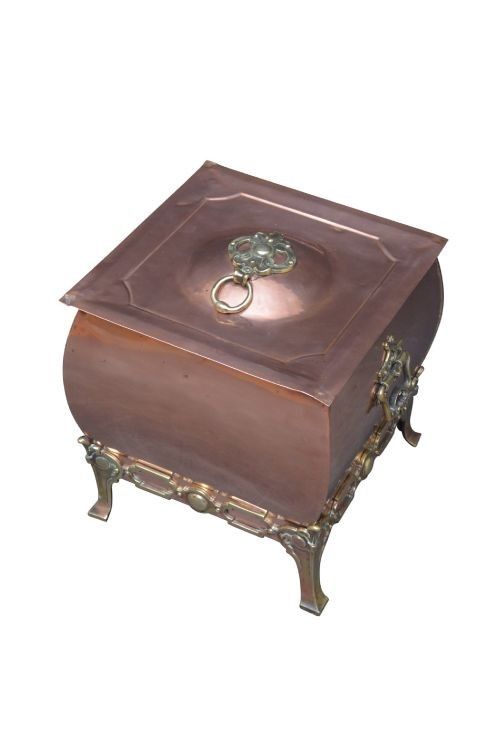
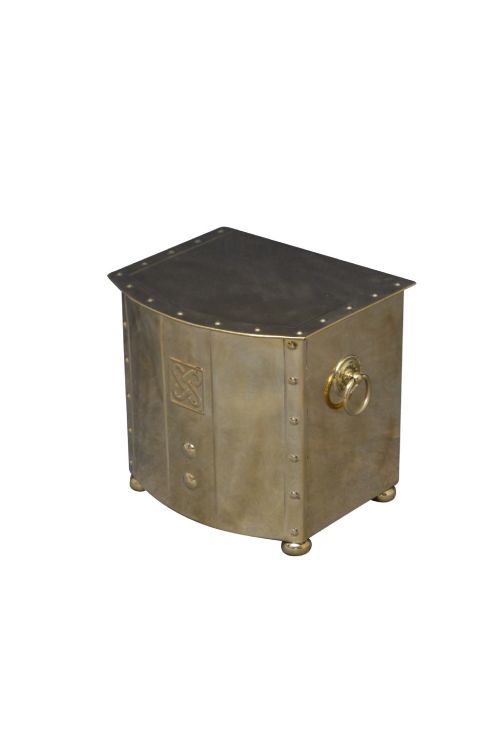
Alternatively, some containers consist entirely of sheet brass, copper or tole ware, sometimes finished with embossed or repoussé surface decoration. Iron internal components and original removable metal liners provided durability against heavy coal and logs.
Listings feature woods including oak, mahogany, walnut and pine, paired with brass, copper and iron across Victorian, Edwardian and Georgian periods.
What varies in quality
The distinction between standard examples and top quality pieces lies in the choice of cabinet timbers and the weight of the metalwork. Heavier gauge brass, substantial brass handles and dense hardwoods like walnut or figured oak indicate superior craftsmanship.
Design complexity and decorative execution also separate the ranges. Plain utilitarian boxes contrast with pieces featuring detailed carved woodwork, Aesthetic Movement motifs, or distinctive Art Nouveau brass detailing and original shovels.
The Brass Fireside Storage Box Glossary
- Purdonium
- A specialised cabinet or box designed specifically for storing coal beside a fireplace, usually featuring a sloping front and a hinged lid. They often include a removable metal liner for carrying fuel.
- Coal Scuttle
- A bucket or container used for carrying and holding coal, typically fitted with a swing handle and a matching shovel. Examples frequently combine brass construction with wooden elements.
- Tole Ware
- Lacquered or enamelled metalware, usually iron or steel, decorated with painted designs. These pieces add colour and contrast to traditional hearth accessories.
- Aesthetic Movement
- A late nineteenth-century design style emphasising visual and decorative beauty over narrative or practical function. Pieces from this period often display refined artistic detailing.
- Repoussé
- A metalworking technique where the artisan hammers the metal from the reverse side to create a raised design on the front. This method appears on decorative copper and brass bin surfaces.
Brass Fireside Storage Box: Frequently Asked Questions
What is a coal purdonium?
A coal purdonium is a specialised fireside cabinet designed to hold coal near the fireplace while keeping the hearth area tidy. They typically include a sloping front door and an internal metal carrier.
These pieces were developed in the nineteenth century to replace open scuttles, hiding the fuel inside domestic furniture that matched surrounding reception room décors.
How do I clean a brass fireside box?
Cleaning depends on the desired finish, though most owners simply dust the wooden surfaces and use mild soapy water on the brass. Avoid harsh abrasive cleaners that strip historic patination.
Unlacquered brass naturally darkens over time with exposure to air and heat from the fire, creating a deeper tone favoured by many collectors.
Can I use these for log storage?
Many of these containers function equally well for logs, kindling or coal, depending on their internal capacity and construction. Lined wooden boxes and open brass bins accommodate dry firewood easily.
Ensure any damp logs are kept outside to protect the historic wood and metal interiors from unnecessary moisture damage.
How do I date a brass coal box?
Dating relies on examining the timber species, manufacturing techniques, and stylistic markers such as Arts and Crafts or Art Nouveau motifs. Georgian pieces show different cabinet construction compared to Victorian or Edwardian examples.
Hardware styles, screw types, and the presence of original metal liners also help establish the approximate period of manufacture.