

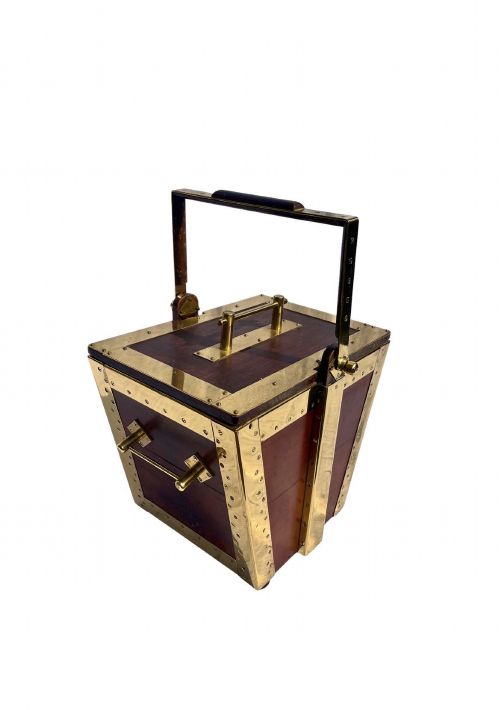


Brass Fireside Log Box
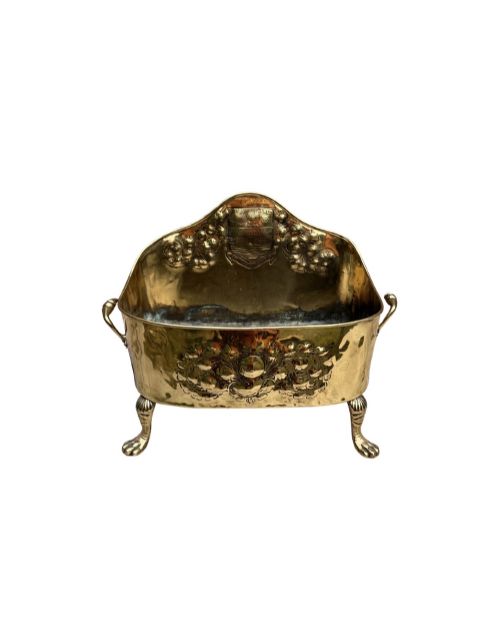
A brass fireside log box keeps hearth fuel close to hand while bringing warm metal tones and solid timber into the room.
Brass Fireside Log Box
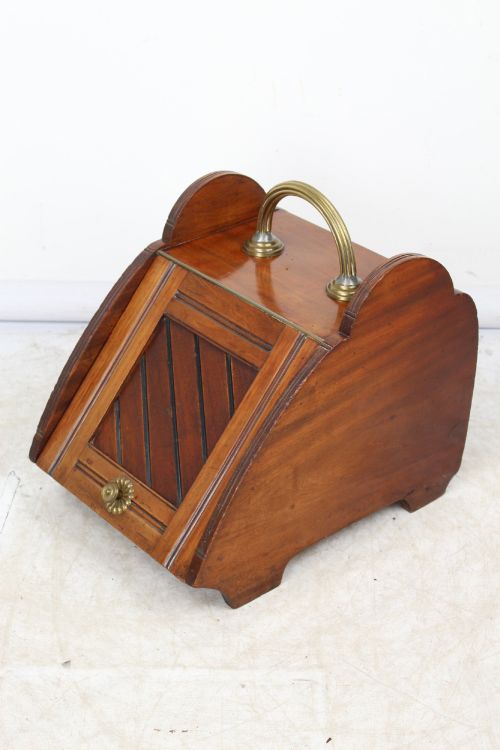
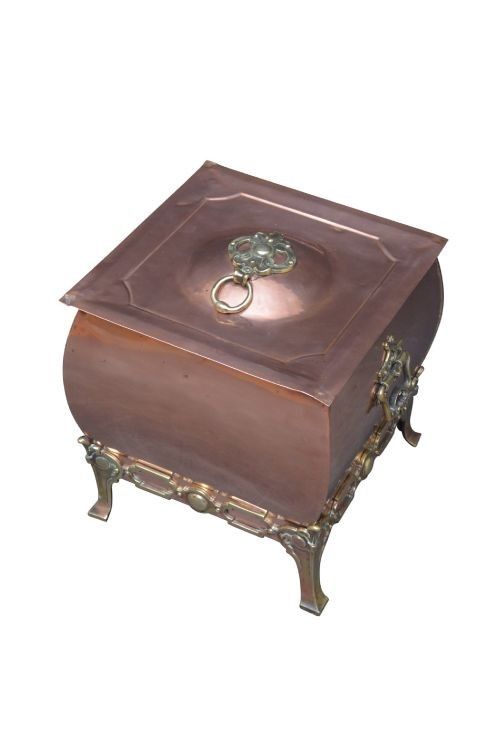
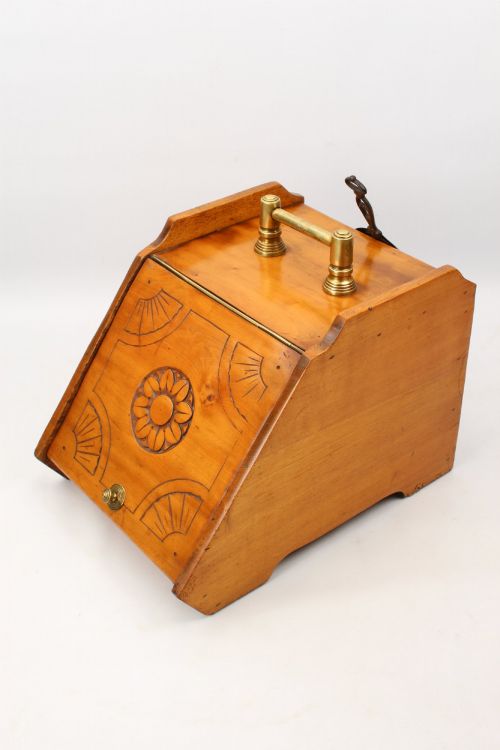
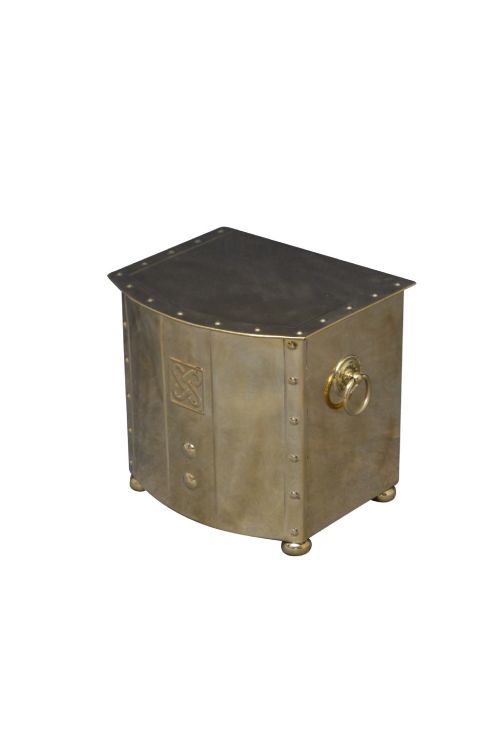
A brass fireside log box serves as a practical container for hearth fuel, combining metal storage with decorative presence beside the fireplace. These items appear in forms such as coal boxes, purdoniums, scuttles, and bins dating from the Georgian period through the Victorian, Edwardian, and Art Deco eras.
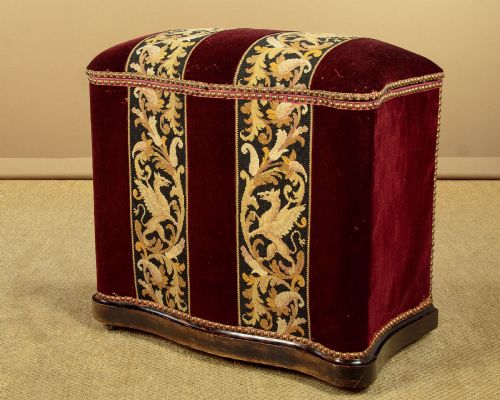
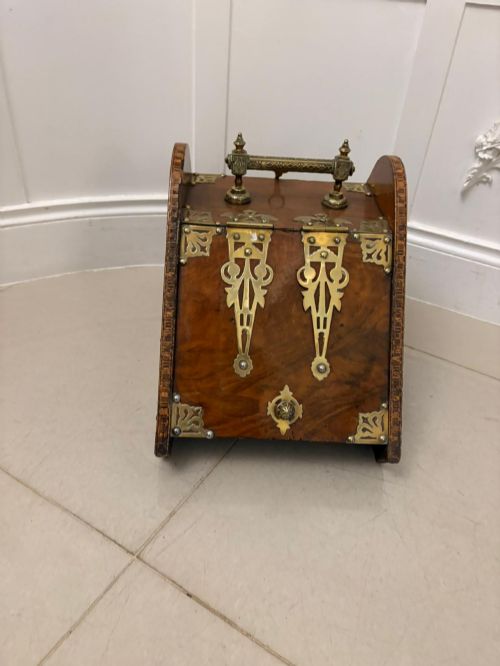
The most common examples on this page date to the Victorian and Edwardian periods, constructed from woods like oak, mahogany, and walnut mounted with brass handles, hinges, and decorative plates. Makers fashioned these containers in English, Scottish, French, and Belgian workshops to sit neatly beside domestic hearths.
How they were made
Craftsmen built these containers using solid or veneered hardwoods such as oak, walnut, mahogany, and pine, joined with dovetail corners and panelled construction to withstand heavy daily use. They mounted panels of polished brass and copper to timber bodies, securing the metal with brass-headed tacks and screws.
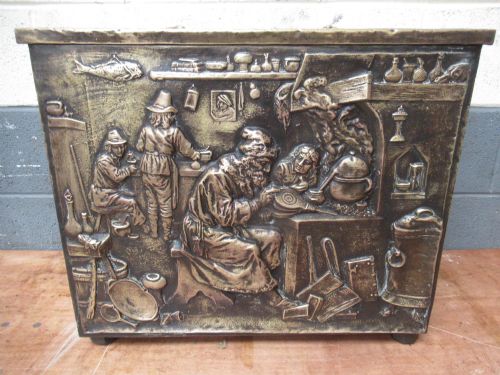
Makers shaped the metal components through hand-beating, embossing, and casting, producing decorative motifs associated with the Arts and Crafts, Art Nouveau, and Aesthetic movements. Interiors often incorporated removable tin or metal liners to catch debris from logs and coal.
Brass Fireside Log Box Retail Price Guide 2026
Typical asking prices for brass fireside log box among the pieces listed under this phrase on Sellingantiques today, from the lower quarter to the upper quarter. They describe what is for sale here now, not the wider market.
Listings feature oak, walnut, mahogany, and pine bodies mounted with brass and copper, spanning the Georgian, Victorian, Edwardian, and Art Deco periods.
What varies in quality
Quality shows in the weight of the timber and the gauge of the brass, where thicker metal sheets resist dents and retain crisp embossing on decorative panels. Superior examples feature integrated brass handles, robust hinges, and original matching shovels stored in dedicated side compartments.
Construction details distinguish standard utility boxes from finer domestic furniture, particularly in the precision of dovetail joints, inlaid woodwork, and carved mouldings. The presence of makers' marks or specific regional cabinet-making traits also elevates an individual piece.
Henry Loveridge
The Brass Fireside Log Box Glossary
- Purdonium
- A specialised lidded cabinet or box designed to store coal or logs beside a fireplace, often featuring a sloping front and an internal metal liner. These containers typically include a matching shovel held in a side rack.
- Coal Scuttle
- A bucket or pail with a hinged handle and a wide lip designed for carrying fuel from an outside store to the hearth. Versions in brass and copper often doubled as decorative fireside planters.
- Arts and Crafts
- A design movement emphasising handcraftsmanship, simple structural forms, and motifs inspired by nature. Pieces from this tradition display hammered metal surfaces and stylized plant or spade decorations.
- Aesthetic Movement
- A late-nineteenth-century style prioritizing visual beauty and decorative refinement over strict utility. Containers from this period utilise contrasting wood grains and disciplined brass mountings.
- Embossed
- A technique where metal sheet is hammered or pressed from the reverse side to raise a decorative pattern in relief. This method decorated many copper and brass coal bin lids and panels.
Brass Fireside Log Box: Frequently Asked Questions
What is a purdonium?
A purdonium is a dedicated fireside cabinet or box designed to hold coal or logs for the hearth. These pieces usually feature a drop-down or sloping front for easy access.
Most examples include an interior metal liner to contain ash and debris, alongside a fitted holder for a small shovel.
How do I date a brass log box?
Dating relies on combining the timber species, construction methods, and decorative style visible on the piece. Georgian and early Victorian items tend to show heavier solid timber construction, while Edwardian versions often incorporate mahogany with delicate string inlay.
Art Nouveau and Arts and Crafts examples feature specific motifs and hammered metal techniques associated with the turn of the twentieth century.
Are these boxes waterproof?
Most antique coal and log boxes rely on removable internal metal liners to protect the wooden exterior from moisture and dirt. These liners allow the boxes to function safely with damp fuel or doubled as planters.
Without a sound liner, direct contact with wet logs or soil can damage the internal timber and fastenings.
Can I use these for modern firewood?
These containers suit modern split logs, kindling, or bagged coal provided the internal dimensions accommodate the fuel size. Many Victorian and Edwardian boxes were built specifically to hold domestic quantities of fireplace fuel.
Checking the interior depth and width ensures standard fireplace logs fit comfortably within the lid or drop-front.