

Brass Fire Screen Guard
A brass fire screen guard stops stray embers while sitting decorative before an unlit hearth, spanning nineteenth century revival styles and twentieth century folding fan designs.
Brass Fire Screen Guard
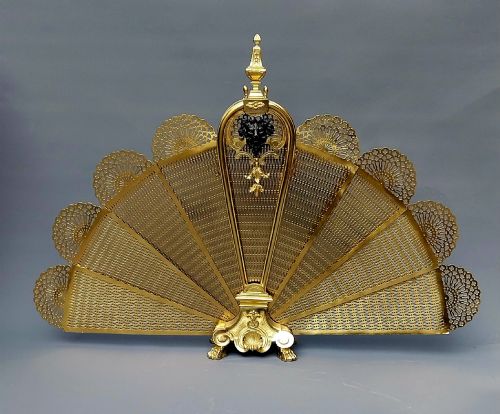
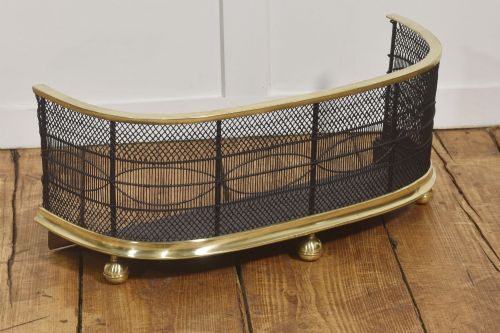
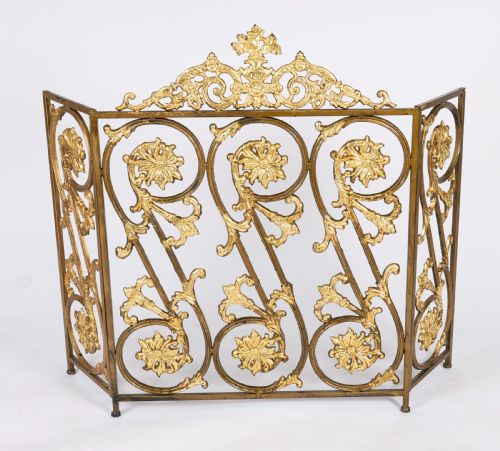
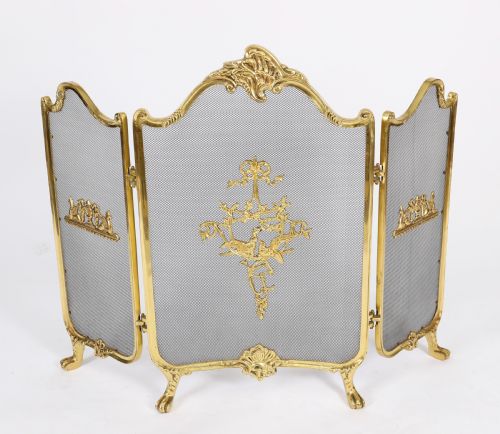
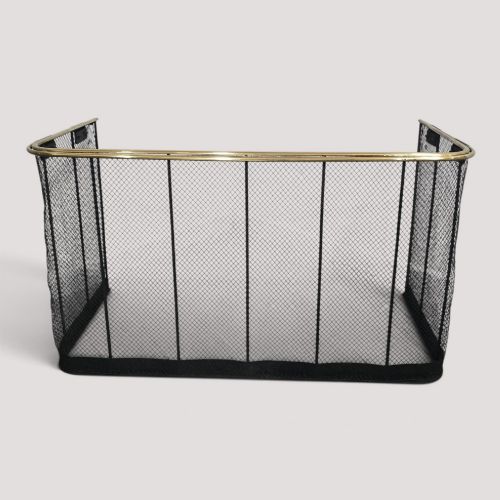
A brass fire screen guard provides a decorative barrier in front of the hearth, protecting the room from sparks while the fireplace is dormant. The selection ranges from nineteenth century revival frames to folding peacock fans and nursery fenders.
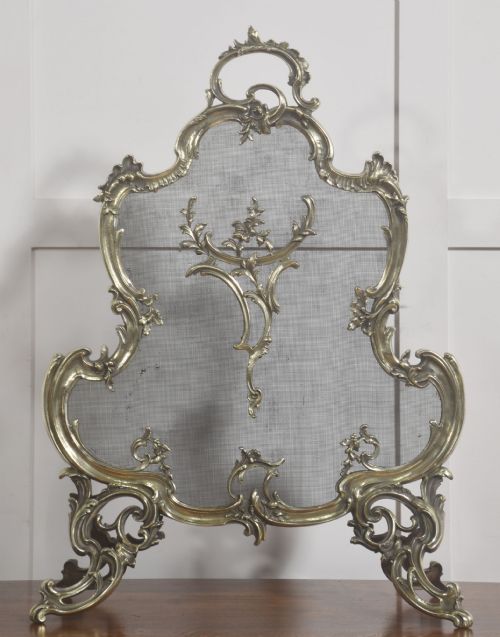
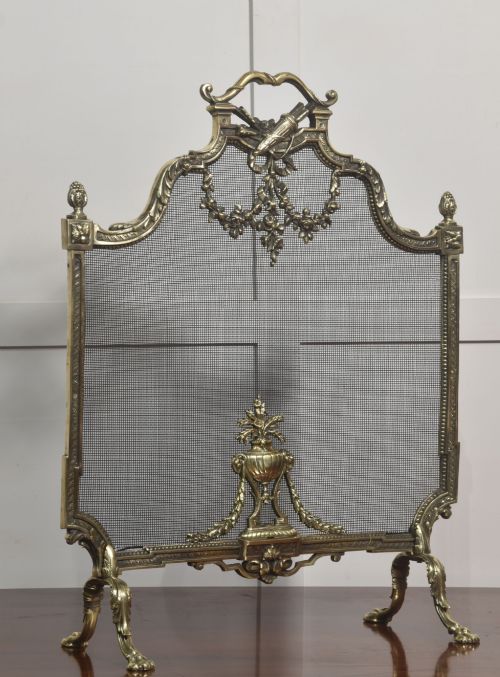
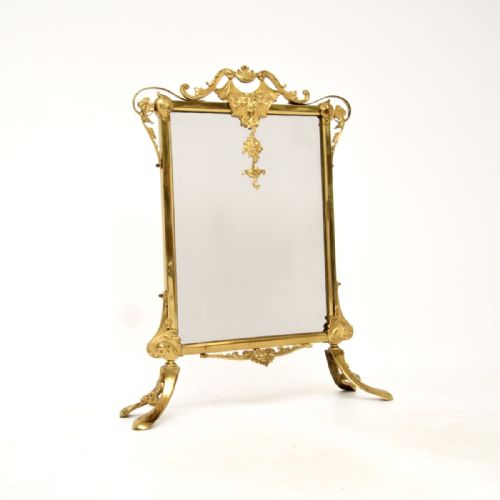
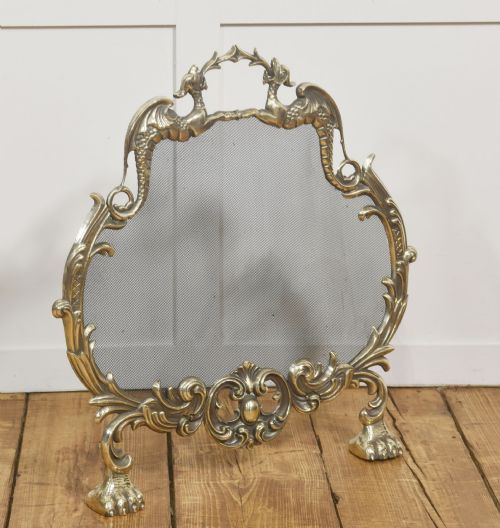
Most examples originate from the Victorian era and the early twentieth century, incorporating French Rococo, Empire, Art Nouveau and Art Deco designs. Common forms include solid panels with pierced decoration, mesh spark guards and expanding fan screens.
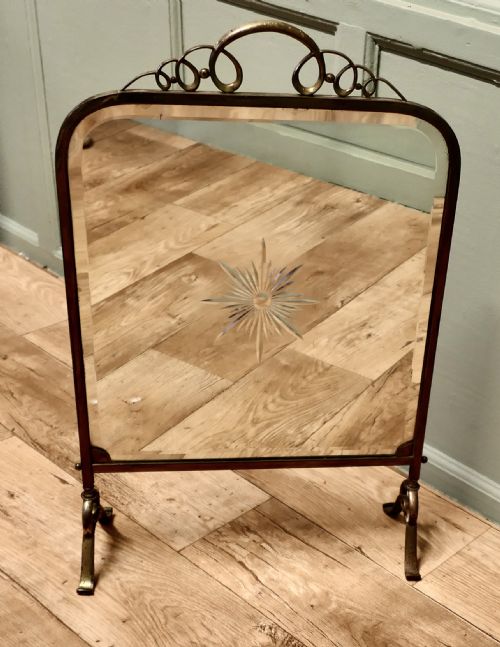
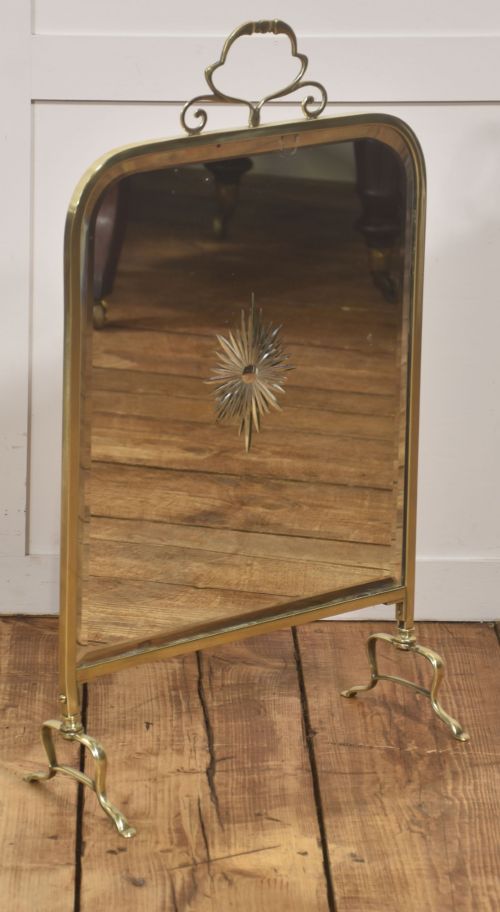
Makers utilised brass, gilt bronze and iron, often incorporating glass, mirror plates or wire mesh into the construction. These pieces served both a practical purpose for safety and a decorative role as a focal point in the room.
How they were made
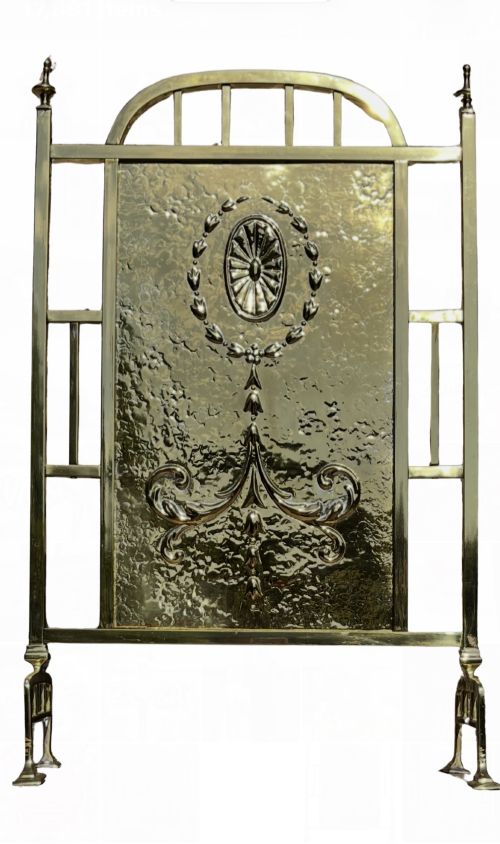
Workshops formed these guards using sheet brass and cast gilt bronze, applying techniques such as piercing, embossing and chasing to create ornate surface detail. Frames frequently incorporate iron for structural rigidity, supporting inset panels of wire mesh, glass or mirror.
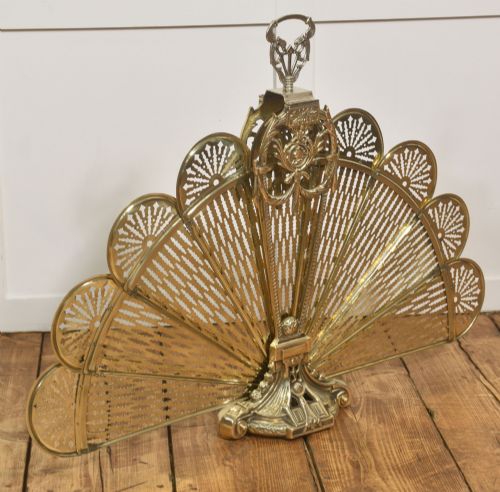
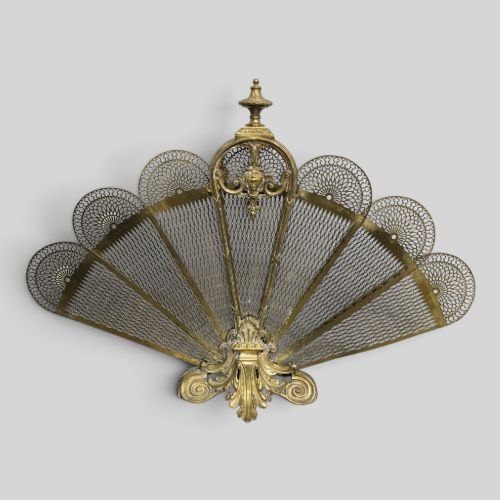
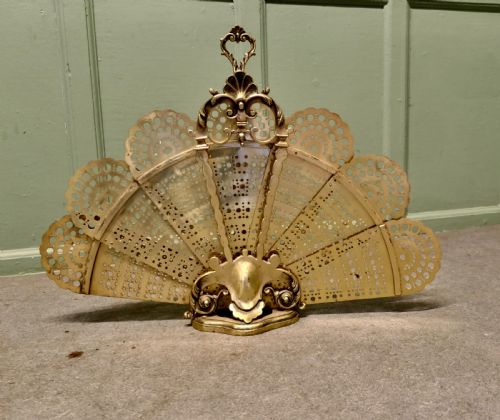
Folding designs utilise articulated metal blades or wirework that expand into a fan shape, securing the individual vanes with pivots. Many panels feature applied cast ornamentation in revival styles, fixed to heavy supportive feet.
Brass Fire Screen Guard Retail Price Guide 2026
Typical asking prices for brass fire screen guard among the pieces listed under this phrase on Sellingantiques today, from the lower quarter to the upper quarter. They describe what is for sale here now, not the wider market.
Listings demonstrate a strong presence of French Rococo and Empire revival styles alongside Art Nouveau and Art Deco brass and mirror screens.
What varies in quality
The distinction between standard production items and finer examples rests in the depth of the metalwork and the crispness of the chased or cast decoration. Heavier gauges of brass and gilt bronze provide stability and longevity to the frame.
Artisanal touches, such as hand-pierced grilles, bevelled mirror glass and detailed figural trophies, separate decorative workshop pieces from simpler utilitarian wire guards.
Bouhon Frères
The Brass Fire Screen Guard Glossary
- Fire screen
- A movable panel placed before a fireplace to shield the room from radiant heat or conceal an unlit grate during warmer months.
- Fire guard
- A protective barrier, often constructed from wire mesh or metal bars, designed primarily to contain sparks and keep children or pets away from the fire.
- Nursery fender
- A low metal barrier enclosing the hearth area to provide safety in domestic settings, sometimes equipped with a top rail.
- Gilt bronze
- Metal alloy cast and treated with a gold-coloured finish, frequently utilised in French revival frames for decorative mounts.
- Peacock fan
- A folding screen composed of radiating metal blades that open into a semicircular fan resembling a peacock tail.
Brass Fire Screen Guard: Frequently Asked Questions
What is a brass fire screen guard used for?
These pieces act as a physical barrier placed in front of the hearth to stop sparks from entering the room. They also serve to decorate an empty fireplace during warmer months when fires are not lit.
Over time their role shifted from strict safety utility towards decorative furnishings that reflected prevailing design styles from the Victorian period onwards.
How do I identify a Victorian screen?
Victorian examples frequently display heavy cast brass frames with ornate Rococo Revival or classical revival motifs. They often incorporate pierced sheet metal or wire mesh panels.
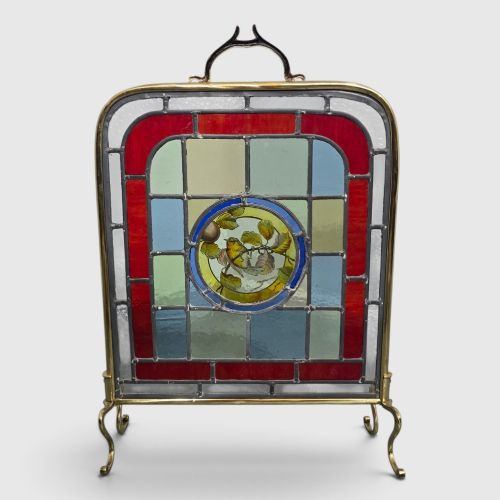
Many pieces from this period utilise folding fan mechanisms or incorporate bevelled mirror plates and stained glass within the primary frame.
Are folding fan screens fragile?
Folding fan screens contain numerous pivoting metal blades that require careful handling when expanding or closing the mechanism. The individual vanes are held by pins that benefit from gentle operation.
When positioned correctly on an even floor, the expanding base provides sufficient stability for daily display beside the hearth.
What materials are used in these guards?
The primary structure relies on brass, gilt bronze and iron, frequently combined with wire mesh for spark containment. Decorative additions include inset mirrors, cut glass and stained glass panels.
Some examples feature wooden elements such as oak frames combined with embossed and chased metal panels depicting coats of arms or floral motifs.