

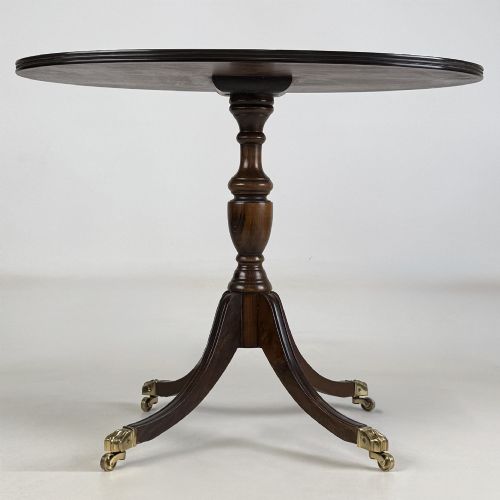
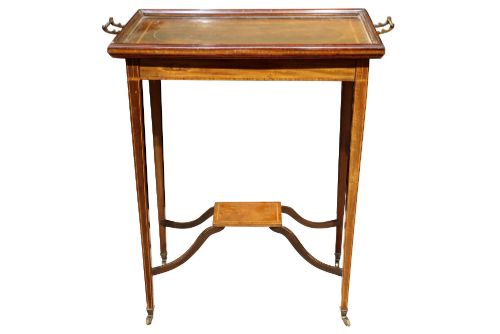
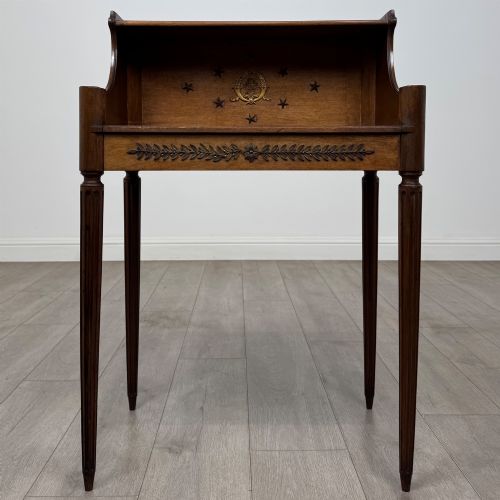
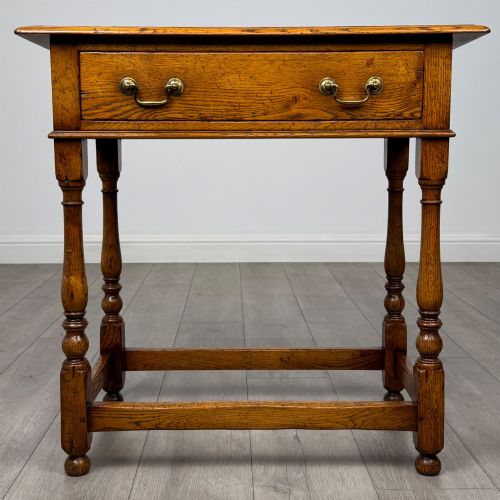
Brass End Tables
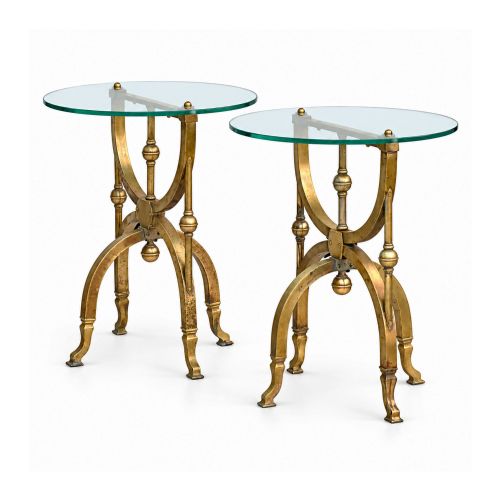
Brass end tables combine metal frames with timber or marble tops, serving as versatile bedside or occasional pieces in traditional and modern rooms.
Brass End Tables
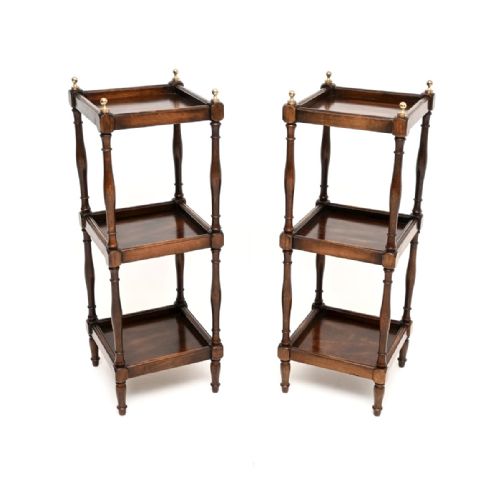
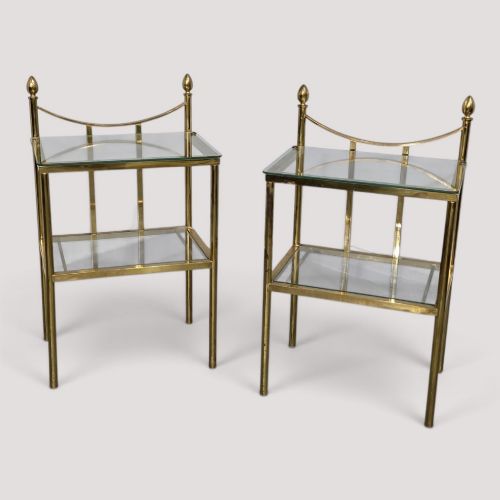
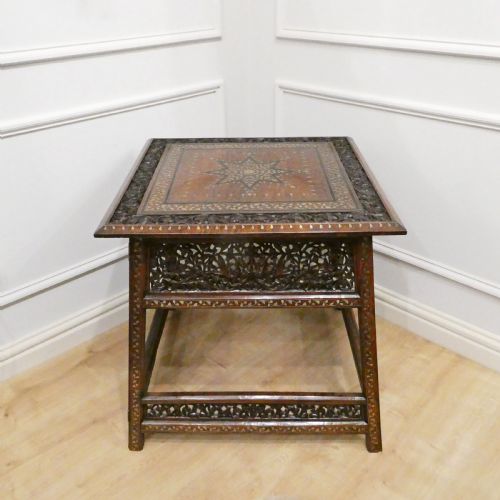
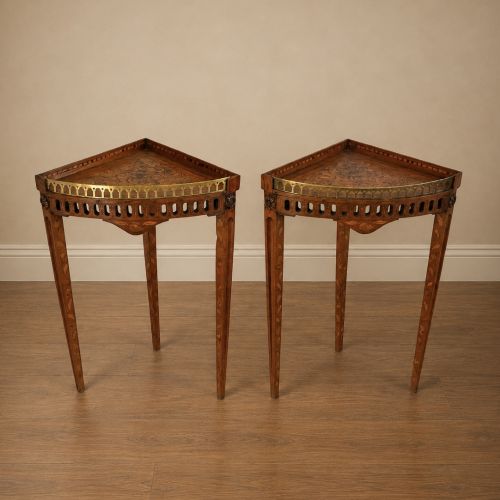
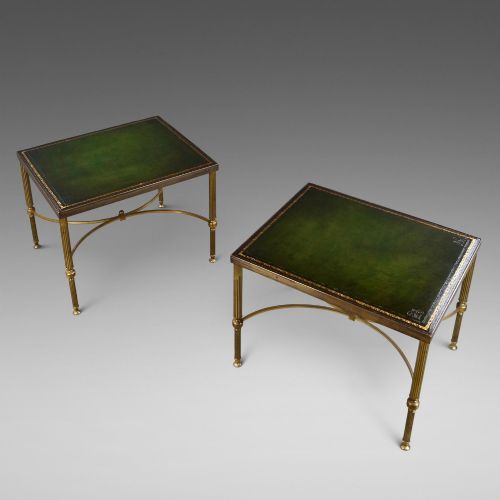
Brass end tables appear in forms such as lamp tables, side tables, etageres, and occasional tables spanning the Georgian, Regency, Victorian, Edwardian, and twentieth-century periods. These pieces serve practical functions beside a sofa or bed, often combining metal framing with timber or glass.
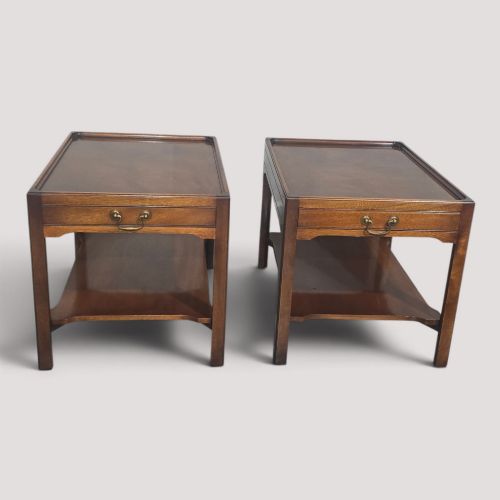
The selections on this page lean heavily towards pairs of lamp and side tables from the early twentieth century and the nineteenth century. Buyers encounter French and English designs, incorporating materials ranging from mahogany to marble and brass.
Examples frequently draw on historical aesthetics, including Neoclassical, Louis XVI, and Hollywood Regency styles. Such tables function effectively to anchor a room while providing a stable surface for lighting and display.
How they were made
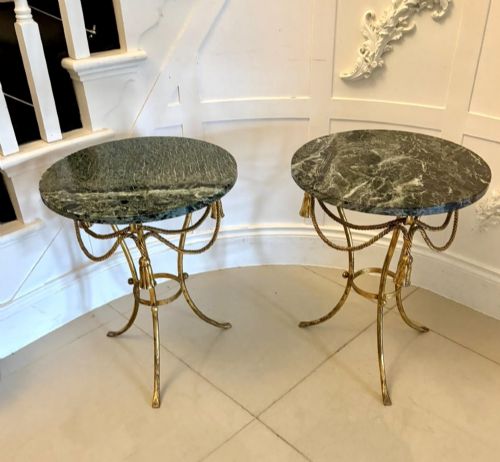
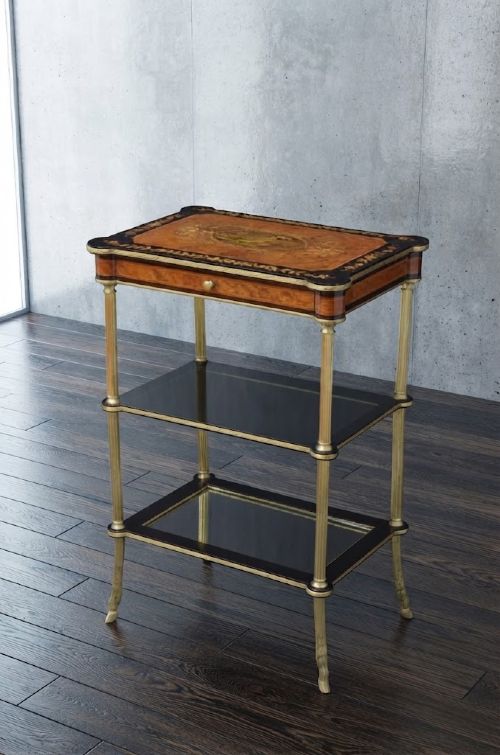
Maker construction relies on combinations of cast or sheet brass with solid hardwoods like mahogany, rosewood, and kingwood. Timber tops often receive marquetry or satinwood inlay, while other variants utilise white marble, green marble, or glass inserted into metal galleries.
Cabinetmakers utilised traditional joinery for the wooden carcasses, pairing them with brass mounts, Ormolu, or framed glass tiers. Etageres and side tables from the later periods integrate ebonised wood and brass inlay, demonstrating varied joinery and metalworking traditions.
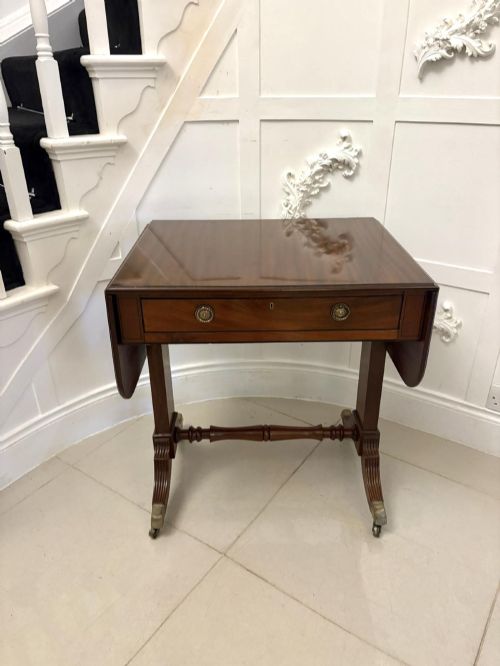
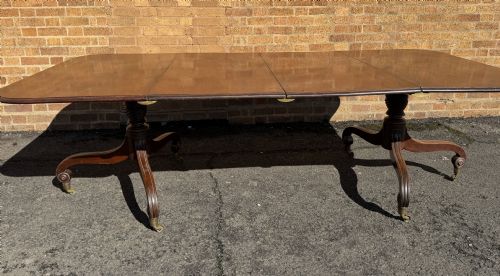
A nineteenth-century games table awaits discovery alongside the lamp tables, ready for an impromptu match.
What varies in quality
Quality rests in the precision of the brass casting, the crispness of any applied ormolu mounts, and the choice of timber veneers. Superior pieces display finely figured mahogany or marquetry work alongside robust, well-weighted metal frames.
Execution of detail defines the upper tier of these pieces, from the integration of the brass gallery to the matching of marble slabs. Lesser examples rely on simpler assembly and plain timber without the refined inlay or patination seen in the finest workshops.
Mallett
The Brass End Tables Glossary
- Etagere
- A set of open shelves for displaying small objects or lamps. These tiers are frequently framed in brass with glass or wood surfaces.
- Gueridon
- A small circular table supported by one or more columns, often featuring a marble top. Originating in France, these pieces serve well as lamp or side tables.
- Marquetry
- Decorative veneer patterns applied to wood surfaces using various contrasting timbers. This technique often appears on the tops of nineteenth-century side tables.
- Ormolu
- Gilded bronze or brass mounts applied to furniture for decoration. High-quality examples exhibit sharp chiselling and a warm finish.
- Pembroke table
- A drop-leaf table with hinged flaps on either side, introduced in the eighteenth century. They frequently function as compact writing or side tables.
Brass End Tables: Frequently Asked Questions
Where do I put a brass end table?
These tables fit easily beside a sofa, armchair, or bed to hold reading lamps and small items. Their compact footprints allow them to sit in corners or narrow hallways without crowding the floor space.
Pairs work particularly well flanking a fireplace or framing a sofa, creating symmetry in a sitting room. Smaller etageres and lamp tables also serve as display surfaces for decorative objects in entrances.
How do I clean brass and marble?
Brass frames benefit from gentle dusting with a soft cloth and occasional treatment with a mild metal cleaner if tarnishing occurs. Avoid harsh abrasives that can scratch the surrounding wood or glass.
Marble tops require simple wiping with a damp cloth and mild soap to remove dust or marks. Acidic liquids should be kept away from stone surfaces to prevent etching.
Are these tables sturdy enough for daily use?
Solid construction using hardwoods and metal framing provides the necessary durability for everyday tasks. Items with multiple tiers, such as etageres, offer balanced weight distribution when loaded with lamps or books.
Care should be taken with antique veneers and glass inserts to prevent impact damage. Regular placement on even floors ensures the frames remain stable over time.
How do I date a brass end table?
Dating relies on observing the prevailing style, construction methods, and materials used in the piece. Georgian and Regency examples typically feature heavy mahogany and classical brass mounts, while later Edwardian and 1930s versions incorporate lighter frames, glass tiers, or ebonised wood.
Examine the underside and joints for signs of age, tool marks, and fastener types. Comparing the decorative vocabulary to known period traits helps narrow down the decade of manufacture.