






Brass Drop Handle Table
A brass drop handle table brings enduring timber and polished metal together, offering small-scale surface utility for any room.
Brass Drop Handle Table
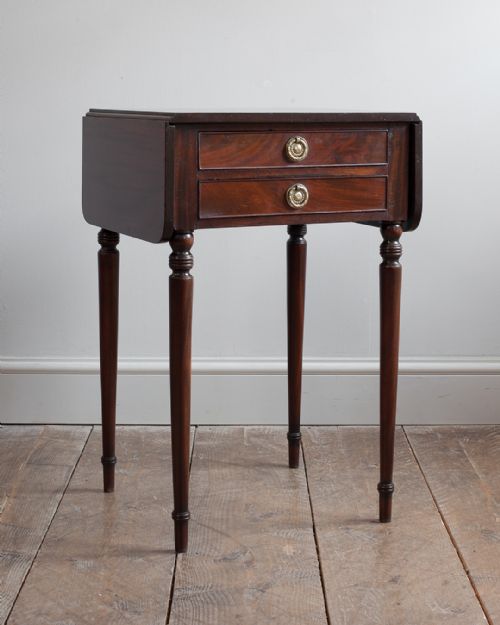
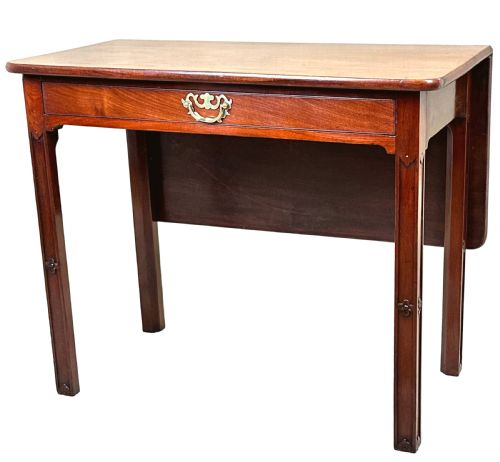
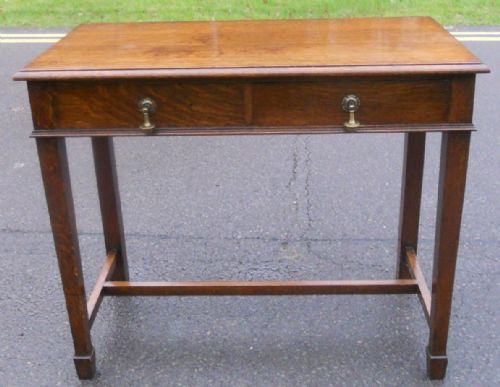
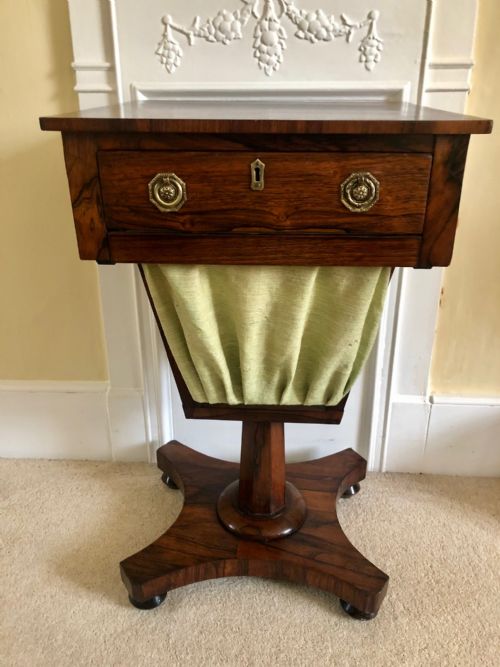
A brass drop handle table encompasses side tables, Pembroke tables, dressing tables, and bedside tables constructed from woods such as mahogany, oak, walnut, and fruitwood. These pieces primarily date from the seventeenth, eighteenth, and nineteenth centuries, spanning Georgian, Regency, and Victorian periods.
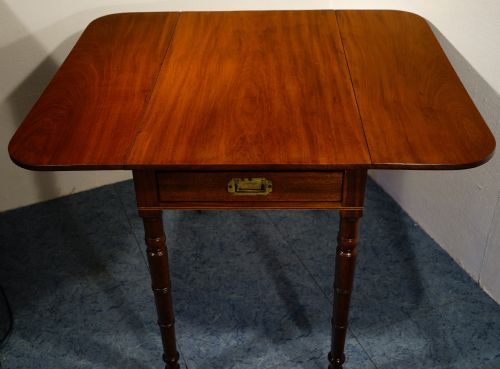
The most frequent form encountered on this page is the Pembroke table, alongside various side and bedside tables fitted with distinctive metal pulls. Cabinet makers of the eighteenth and nineteenth centuries utilised these drop handles on drawers and flaps to ensure practical daily operation without visual clutter.
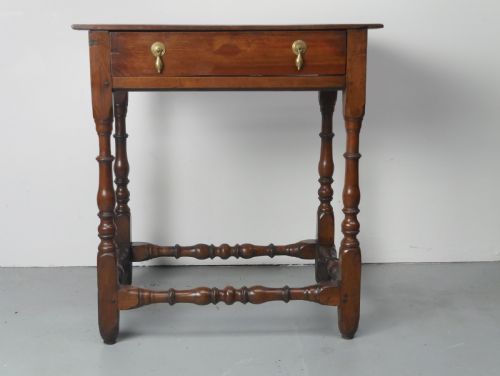
Makers ranged from country vernacular workshops to refined urban cabinet makers, producing tables intended for specific domestic tasks like serving, writing, or bedside storage. The combination of timber surfaces and drop handles creates a functional piece that fits readily beside seating or beds.
Materials and construction
Makers constructed these tables using solid and veneered timbers including mahogany, oak, fruitwood, and burr walnut, frequently incorporating satinwood inlay for decorative contrast. Selected hardwoods provided stable frames and durable tops capable of sustaining regular use in domestic interiors.
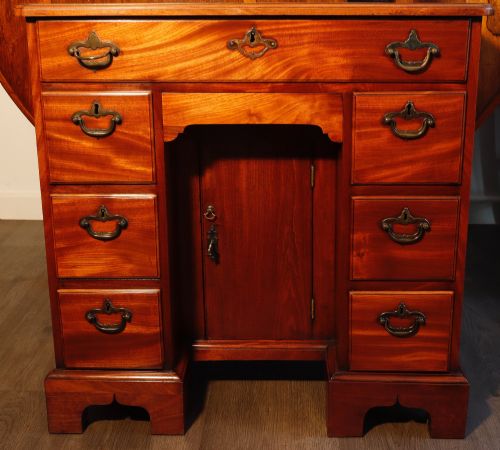
Metal components relied on brass for drop handles, backplates, and occasional hinges, casting or stamping the metal to suit the scale of each drawer or flap. Timber joints such as dovetails secured the drawer construction while turned or tapering legs supported the main table body.
Brass Drop Handle Table Retail Price Guide 2026
Typical asking prices for brass drop handle table among the pieces listed under this phrase on Sellingantiques today, from the lower quarter to the upper quarter. They describe what is for sale here now, not the wider market.
Listings span multiple eras from the seventeenth century through to the early twentieth century, incorporating Georgian, Regency, and Victorian periods.
What separates the grades
The selection of timber grain and the precision of cabinet joinery dictate the standing of an individual table. Highly figured woods like plum pudding mahogany or burr walnut indicate a more costly original commission compared to plain oak or fruitwood country pieces.
The integration and originality of the brass hardware relative to the drawer structure influence the overall integrity of the piece. Subtle details such as fine stringing, crisp inlay work, and well-balanced proportions separate standard vernacular examples from master-carved urban furniture.
Gillington of Dublin
The Brass Drop Handle Table Glossary
- Drop handle
- A pendant metal handle suspended from a fixed backplate or loop, allowing the user to pull open a drawer or flap. These handles hang downwards against the wood when not in use.
- Pembroke table
- A small occasional table with two hinged drop leaves on opposing sides, often fitted with a single drawer. It was designed to be easily moved and expanded as required.
- Lowboy
- A small dressing or side table featuring one or more rows of drawers beneath a flat top, typically raised on slender legs. They gained popularity during the late seventeenth and eighteenth centuries.
- Side table
- A functional small table intended to stand against a wall rather than in the centre of a room. These pieces provide surface space for lamps, books, or decorative objects.
Brass Drop Handle Table: Frequently Asked Questions
What is a drop handle table used for?
These tables served various functions depending on their specific form, such as holding bedside lamps, providing a surface for needlework, or serving tea.
Their compact size allowed them to be moved easily around reception rooms, bedchambers, and hallways according to daily domestic needs.
How do I identify a Georgian table?
Georgian tables generally exhibit classical proportions, precise timber selection, and construction methods characteristic of the eighteenth century, such as hand-cut dovetails.
Stylistic markers range from simple vernacular oak construction to refined mahogany pieces featuring restrained carving and original brass hardware.
What wood are these tables made from?
Makers utilised a variety of native and imported timbers, most notably mahogany, oak, fruitwood, and burr walnut.
Finer examples frequently incorporate decorative elements like satinwood inlay or specialised veneers to enhance the visual appeal of the top and drawer fronts.
How should I care for antique timber?
Antique timber benefits from consistent indoor humidity levels and protection from direct sunlight, which can fade polished surfaces over time.
Regular dusting with a soft, dry cloth preserves the patina without requiring harsh chemical polishes or modern synthetic waxes.