

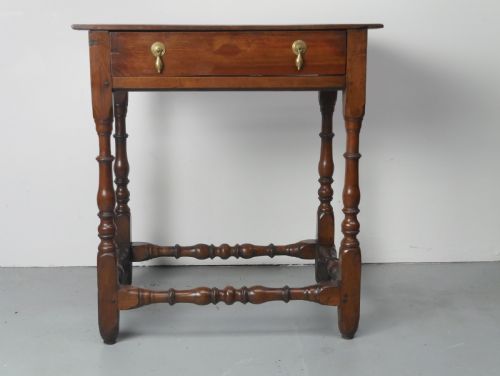

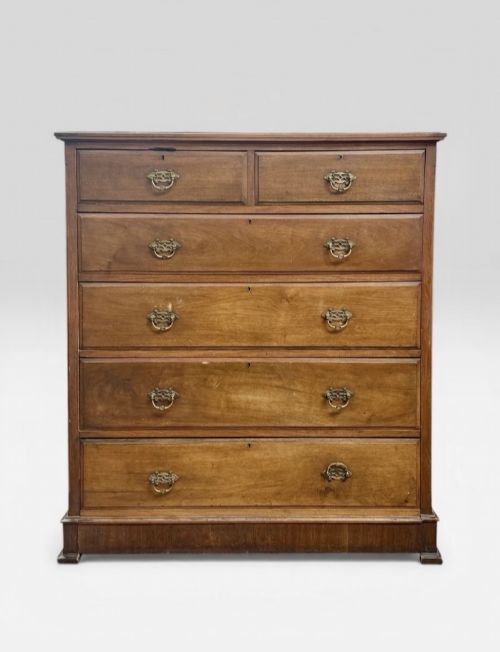
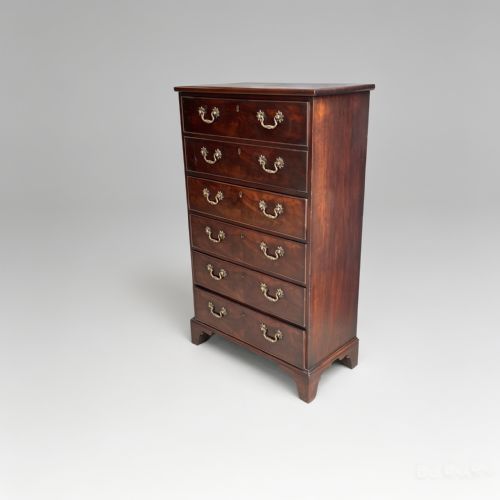
Brass Drop Handle Drawers
Brass drop handle drawers bring tactile period character to a room, offering functional storage grounded in centuries of cabinet-making heritage.
Brass Drop Handle Drawers
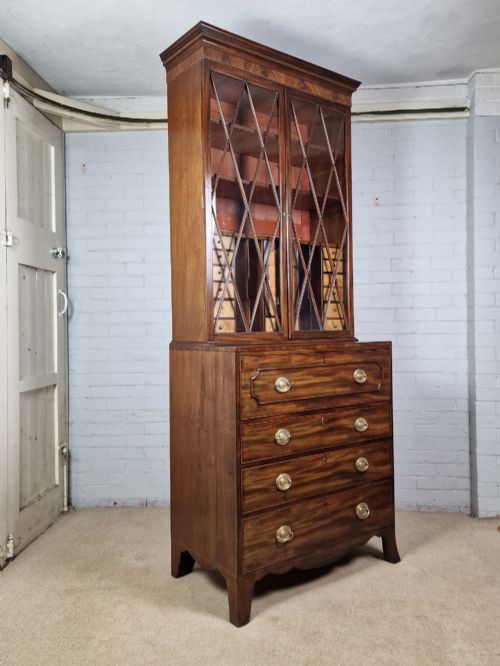
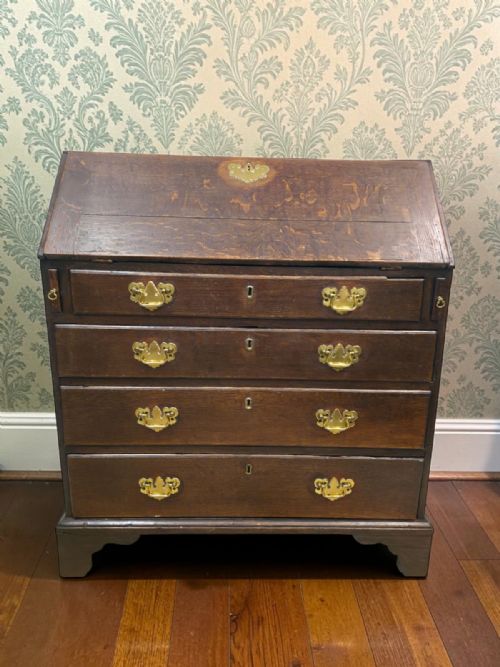
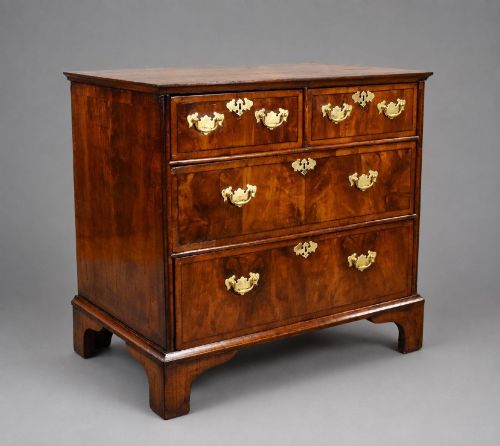
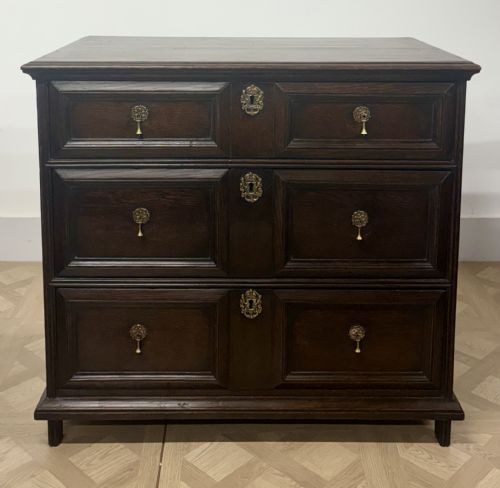
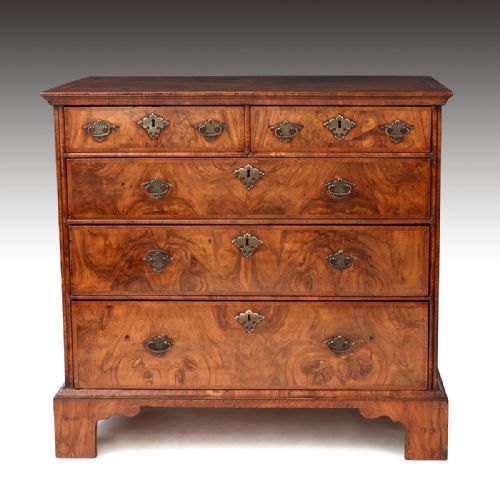
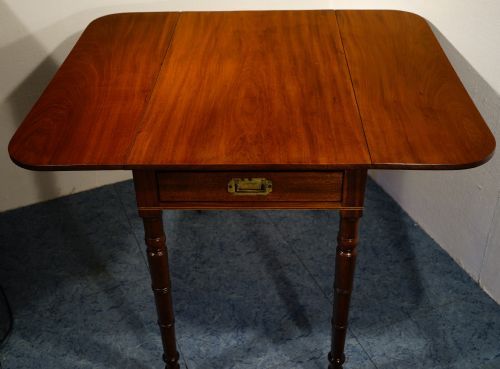
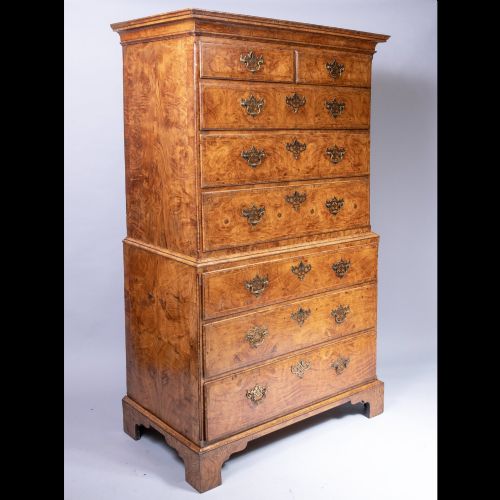
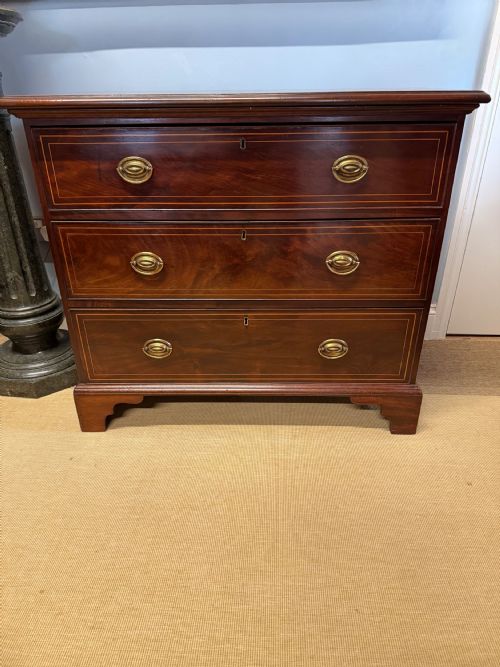
Brass drop handle drawers encompass a variety of storage furniture including chests of drawers, tallboys, bureaus, and side tables spanning several historical periods. When exploring brass drop handle drawers, you will encounter diverse forms ranging from compact banks of drawers to large oak and mahogany storage units.
Makers and craftsmen utilised regional woods alongside imported veneers, mounting the drawer fronts with swinging brass drop handles attached via batwings or backplates. These items served primary storage functions in bedchambers and parlours, evolving in proportion and decorative detail across successive reigns.
Materials and construction methods
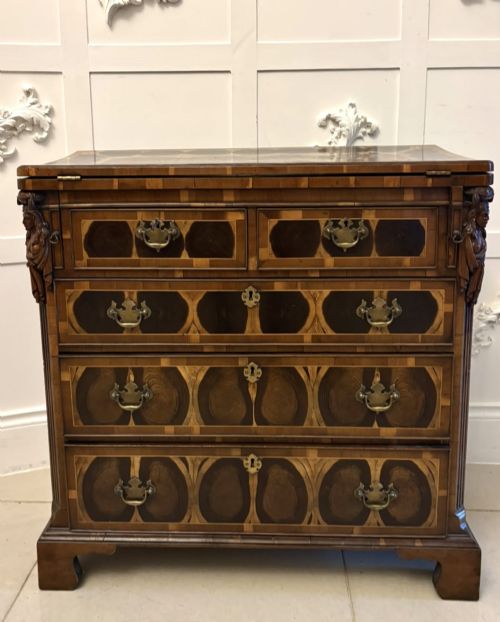
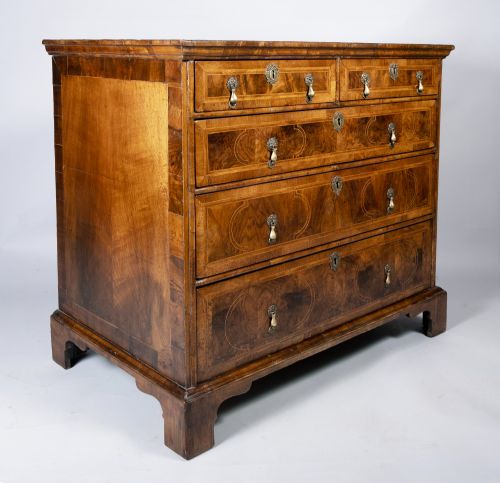
Cabinet-makers constructed carcass frames primarily using native hardwoods like oak, elm, and fruitwood, alongside prized decorative timbers such as walnut, mahogany, and satinwood. Veneers including burr walnut and oyster cuts were applied to primary surfaces to create striking geometric patterns and contrasting visual depth.
Joinery methods relied heavily on hand-cut dovetails for drawer construction and pegged mortise and tenon joints for structural stability. Metalwork components, specifically brass drop handles and escutcheons, were cast and hand-finished, secured through the drawer timber with pins or wires.
Brass Drop Handle Drawers Retail Price Guide 2026
Typical asking prices for brass drop handle drawers among the pieces listed under this phrase on Sellingantiques today, from the lower quarter to the upper quarter. They describe what is for sale here now, not the wider market.
Object forms span standard chests of drawers, tallboys, writing bureaus, side tables, commodes, and compact banks of drawers.
Assessing quality and craftsmanship
Quality reveals itself in the choice of timber and the precision of its application, particularly where book-matched veneers or fine marquetry wrap around the carcass. Superior pieces exhibit tight, even dovetailing on drawer linings and consistent timber selection throughout secondary woods.
The integrity of the brass hardware significantly influences the standing of a piece, with original drop handles and matching backplates carrying higher regard than later replacements. Subtle details such as crisp geometric mouldings, well-proportioned cornices, and undisturbed patination separate master cabinet-making from utilitarian production.
The Brass Drop Handle Drawers Glossary
- Drop handle
- A type of furniture handle featuring a pendant or loop that hangs downwards from a fixed plate. These brass pulls are characteristic of seventeenth and eighteenth-century drawer furniture.
- Oyster veneer
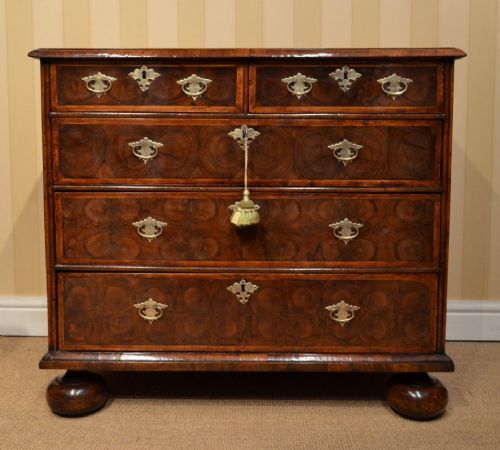
- Slices cut transversely from small branches or roots to produce circular or oval patterns resembling oyster shells. Craftsmen arranged these wooden disks across drawer fronts during the late seventeenth century.
- Bureau
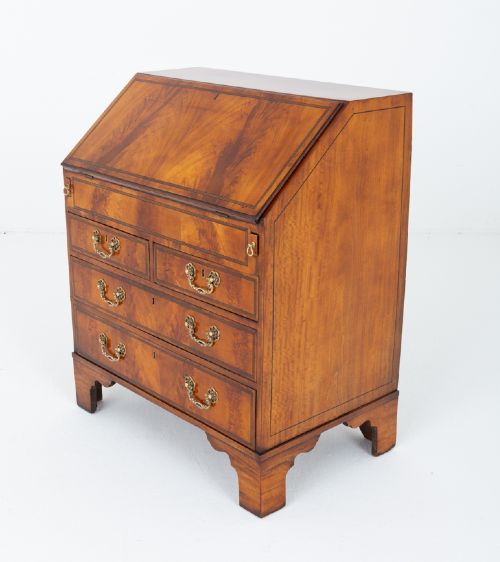
- A desk fitted with a sloping fall-front that opens to reveal an interior arrangement of pigeonholes and small drawers. They frequently incorporate multiple external drawers fitted with drop handles.
- Tallboy
- A tall chest of drawers, typically constructed in two stacked sections to maximise vertical storage space. These pieces often combine fine timber veneers with substantial brass drawer furniture.
Brass Drop Handle Drawers: Frequently Asked Questions
What periods do these pieces span?
The inventory encompasses items dating from the late seventeenth century through the Georgian and Regency eras up to the Victorian period. Earlier examples display distinct seventeenth-century characteristics like geometric mouldings and oak construction.
Later nineteenth-century iterations incorporate mahogany and satinwood alongside compact modular formats. Each era brings specific aesthetic preferences to the design of the drawers and their hardware.
How were these drawers used historically?
These pieces served practical storage and writing purposes within domestic interiors, ranging from master bedchambers to private parlours. Larger chests held garments and linens, whilst specialised forms like bureaus provided dedicated spaces for correspondence.
Side tables and commodes offered surface display alongside concealed drawer capacity for smaller valuables. Their placement reflected the social hierarchy of the home, moving from public reception rooms to private quarters.
How do I care for antique timber furniture?
Maintain stable atmospheric conditions away from direct heat sources and strong sunlight to prevent timber warping and veneer splitting. Regular dusting with a soft, dry cloth preserves the polished surface without damaging the historic finish.
Apply occasional appropriate wax feeds sparingly to nourish dry hardwoods and maintain the natural lustre of the grain. Avoid chemical sprays or excessive moisture which can degrade antique polishes and corrode brass mountings.
Are the brass drop handles original?
Many pieces retain their period brass hardware, though centuries of use frequently resulted in repairs or total handle replacements. Examining the timber around the backplates often reveals earlier fixing holes if the current mounts differ in scale.
Matching patination between the brass drop handles and the surrounding wood helps indicate period consistency. Even when hardware has been replaced, quality pieces maintain sympathetic fastenings appropriate to their manufacturing era.