
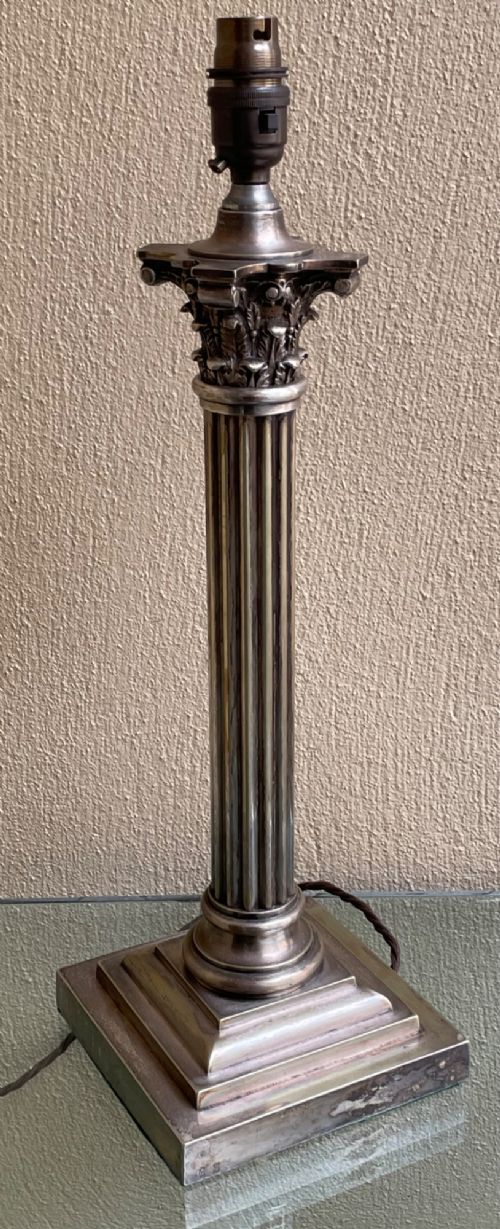
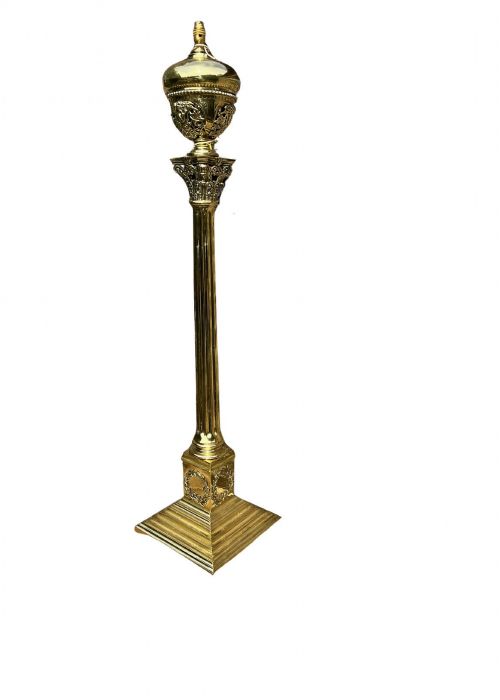

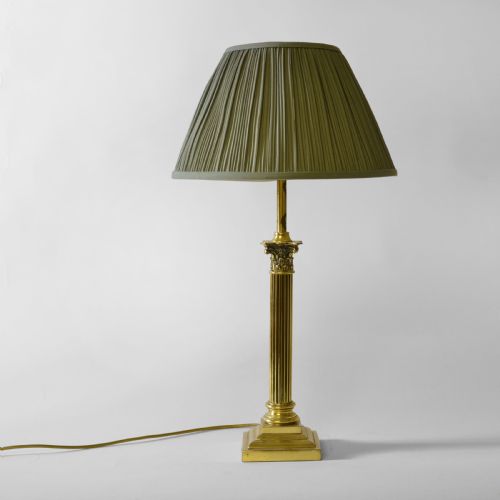
Brass Corinthian Lamp
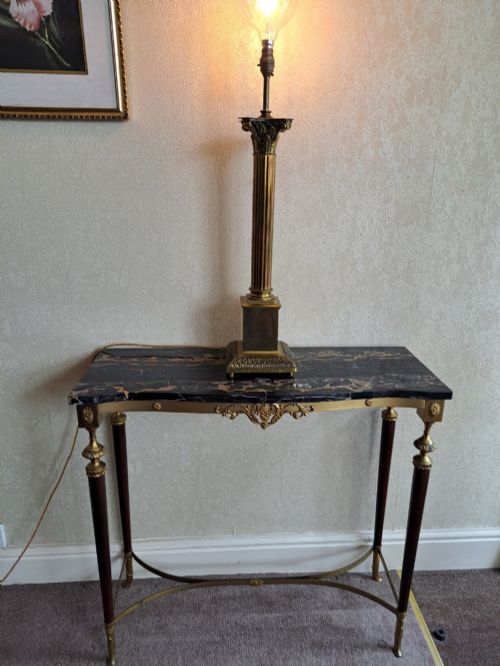
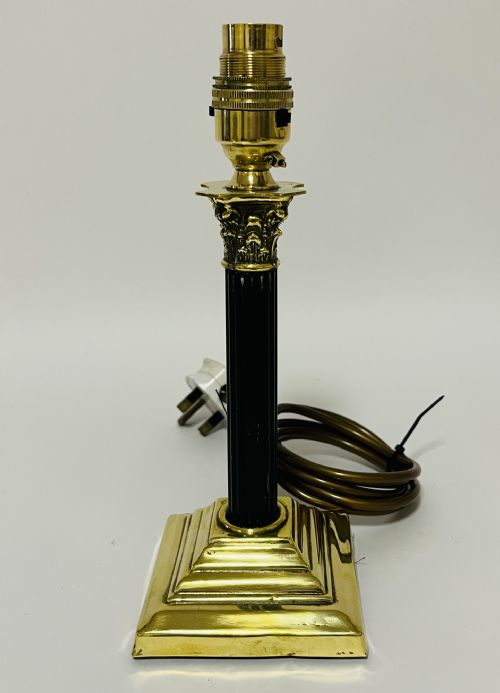
A brass corinthian lamp brings classical order to a room, cast in solid metal with fluted columns and detailed capitals.
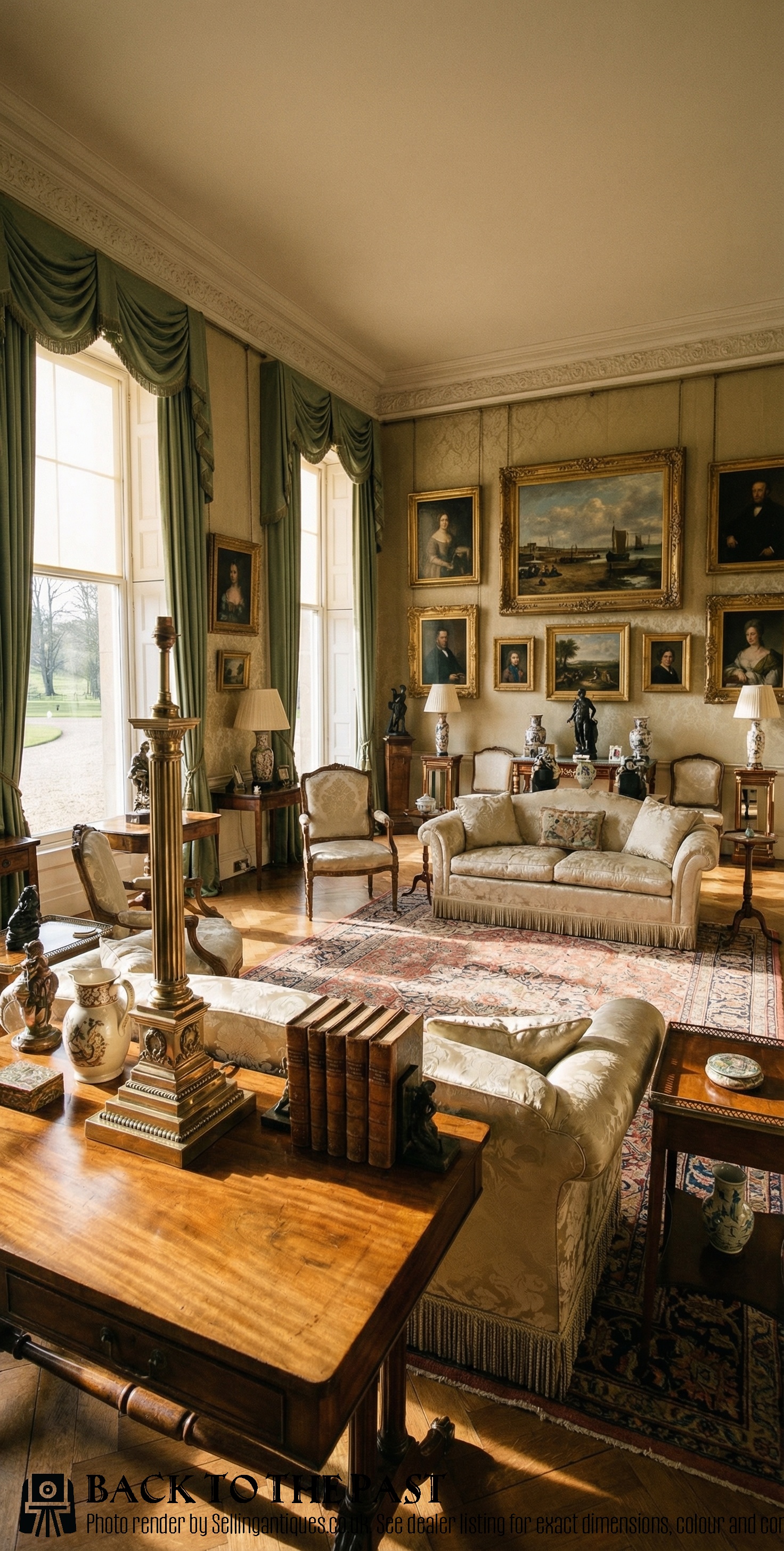
Brass Corinthian Lamp
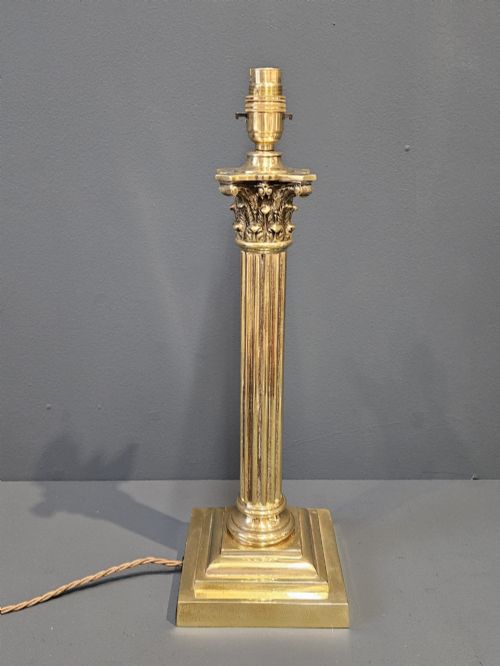
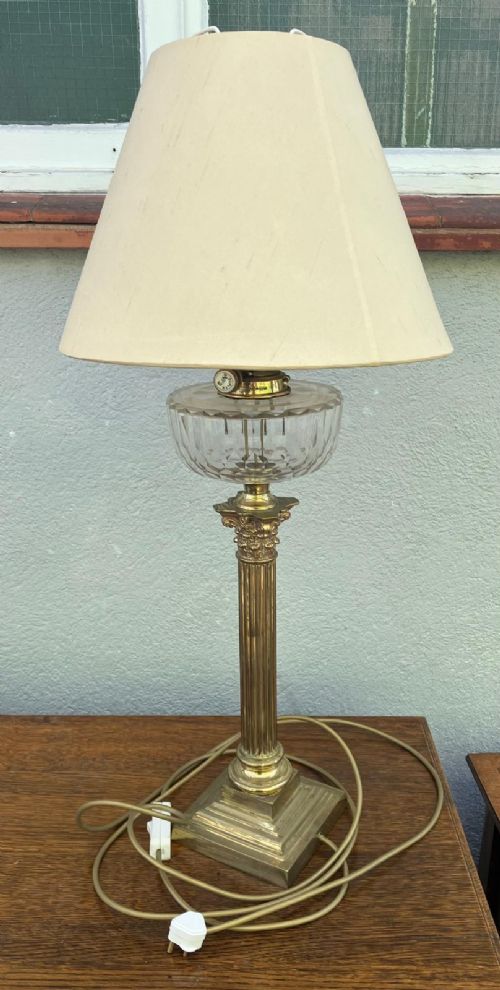
A brass corinthian lamp draws on classical architecture, turning the proportions of ancient stone columns into domestic lighting. These pieces adopt the fluted shaft and ornate capital of the Corinthian order, executed in metal during the nineteenth and early twentieth centuries.
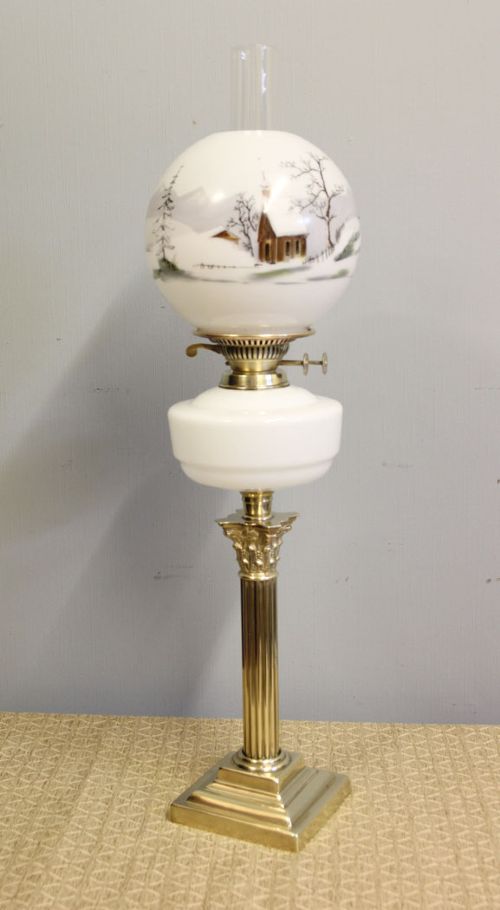
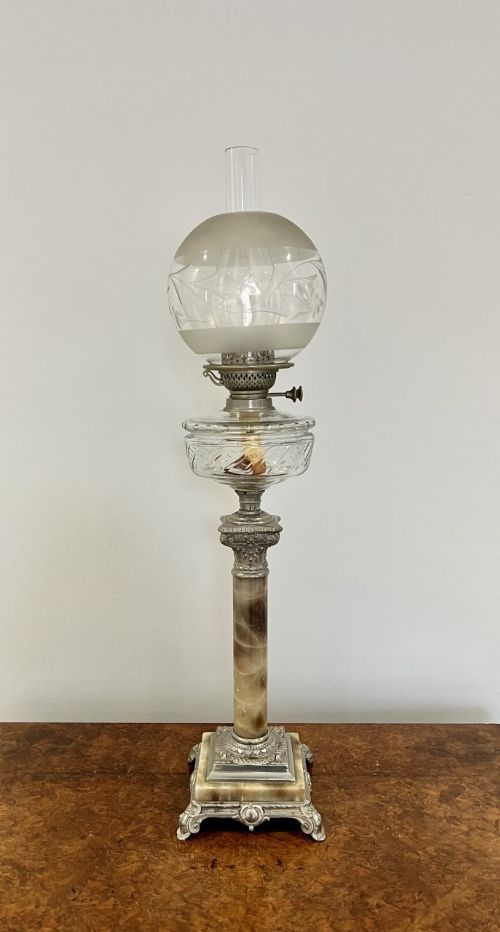
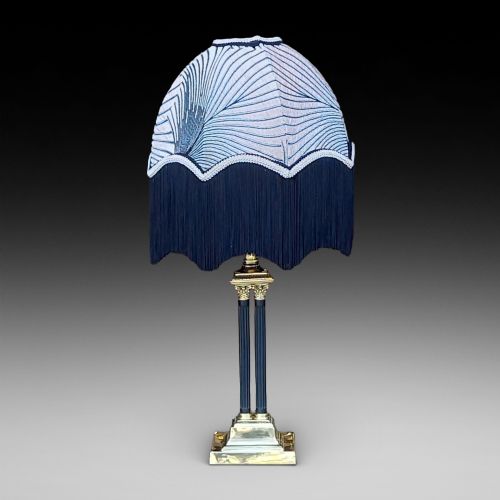
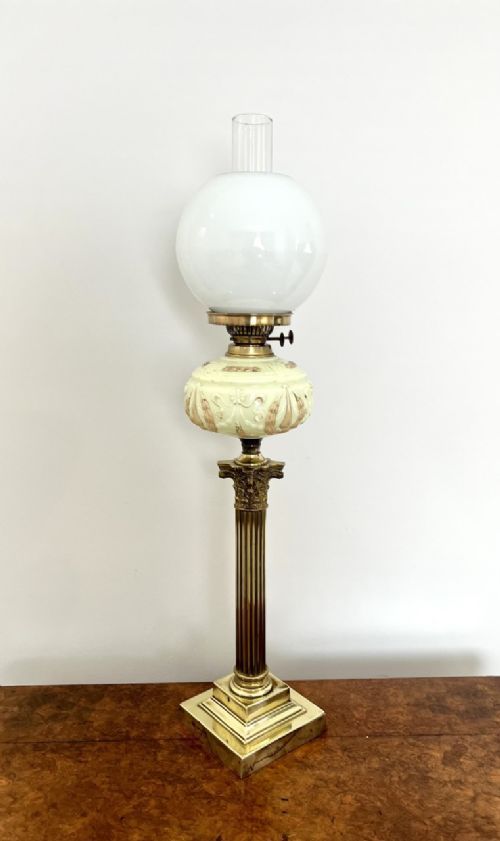
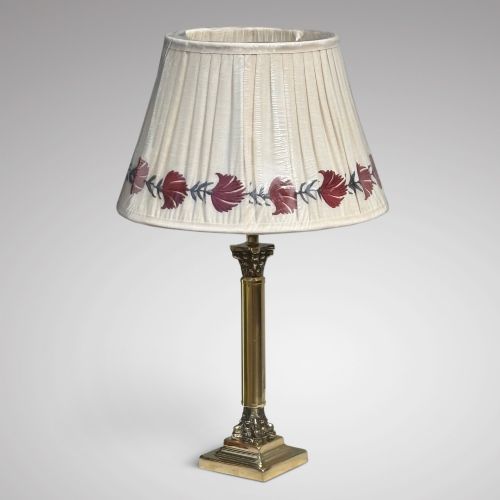
The most common examples on this page are table lamps and tall floor-standing standard lamps, many of which began as oil lamps before later conversion to electricity. Victorian and Edwardian makers produced these columns extensively, often pairing the bright yellow metal with glass fonts or fabric shades.
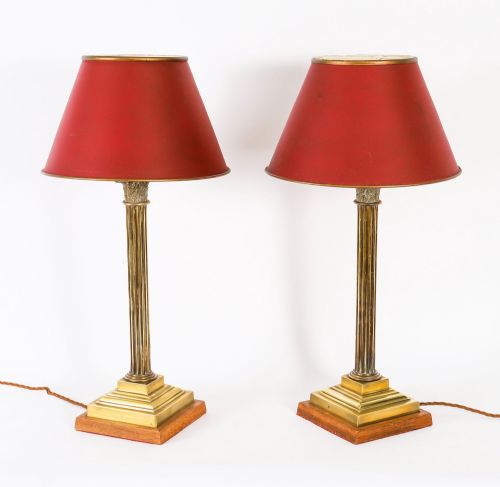
Origins span the nineteenth century through the Edwardian period, encompassing styles from Victorian Neoclassical to Classical Revival. Buyers encounter single table pieces, matched pairs, and adjustable standard lamps designed to illuminate specific corners of a room.
How they were made
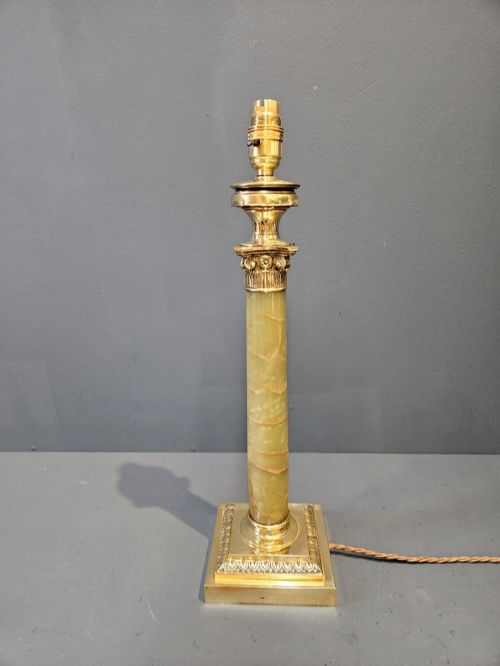
Makers constructed these columns from cast brass, sometimes incorporating marble bases, onyx sections, or heavy metal weighting to keep tall standard lamps stable. Capitals with acanthus leaves and volutes required precise casting and hand-finishing to sharpen the intricate leaf work.
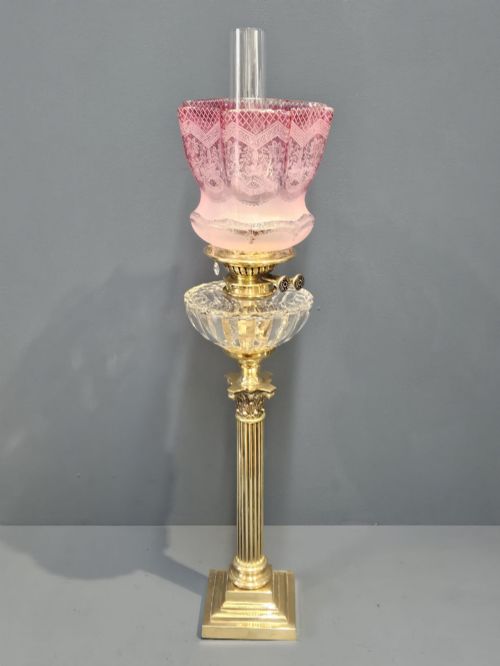
Oil-burning variants integrated glass fonts, including cranberry and etched glass vessels that sat atop the metal columns. Later conversions adapted these bodies for electrical wiring, retaining the original metalwork while updating the functional fittings.
Several heavy standard lamps retain adjustable stems, built so someone could alter the reading height by the hearth.
What varies in quality
The crispness of the casting on the Corinthian capital separates standard production from superior examples, as worn moulds yield soft, blurred leaf details. Heavier gauge brass and substantial bases provide better physical balance, particularly on tall floor lamps where thin metal compromises stability.
Makers such as Hinks applied distinct maker marks and produced robust mechanisms for adjustable standard lamps, while unmarked pieces varied widely in wall thickness and structural rigidity. The presence of undamaged coloured glass fonts or matching pairs elevates the integrity of surviving specimens.
Hinks of Birmingham·Hinks and Sons
The Brass Corinthian Lamp Glossary
- Capital
- The decorative uppermost member of a column, featuring carved acanthus leaves and scroll-like volutes characteristic of the Corinthian order.
- Fluting
- The series of shallow, vertical parallel grooves cut into the shaft of the brass column.
- Duplex burner
- A specific double-wick mechanism found on Victorian oil lamps, designed to produce a brighter flame before conversion to electricity.
- Font
- The oil reservoir of a lamp, frequently fashioned from coloured glass such as cranberry glass or clear crystal.
- Standard lamp
- A tall floor-standing lighting fixture, sometimes constructed with an adjustable telescoping stem.
Brass Corinthian Lamp: Frequently Asked Questions
How do I date a brass corinthian lamp?
Dating relies on stylistic markers and construction methods. Victorian pieces often display heavier cast components and oil lamp fittings, whereas Edwardian examples frequently show lighter proportions.
Base materials also help establish age. The presence of onyx or marble plinths and specific maker stamps points toward late nineteenth or early twentieth-century production.
Were these originally oil lamps?
Many surviving examples began as paraffin or oil burners before being rewired for electricity. Remnants of the original burner mechanism or glass font indicate this earlier domestic use.
Standard floor lamps and table models alike underwent these conversions during the twentieth century to suit modern domestic lighting needs.
How do I clean antique brass?
Polishing requires gentle handling to preserve the aged patina built up over generations. A soft cloth and mild cleaner remove surface dirt without stripping the historic finish.
Aggressive chemical cleaning can damage the fine relief work on the Corinthian capital and reduce the visual depth of the metal.
Are pairs difficult to find?
Matched pairs occur less frequently than single table lamps because many domestic fixtures served as solitary desk or sideboard lights. Finding two identical columns requires looking for matching height, base design, and casting details.
Floor-standing standard lamps are almost exclusively single pieces rather than matched pairs.