


Brass Clock with Case
Brass clock with case examples unite precision engineering with architectural cabinetry, offering a tangible link to centuries of domestic and institutional timekeeping.
Brass Clock with Case
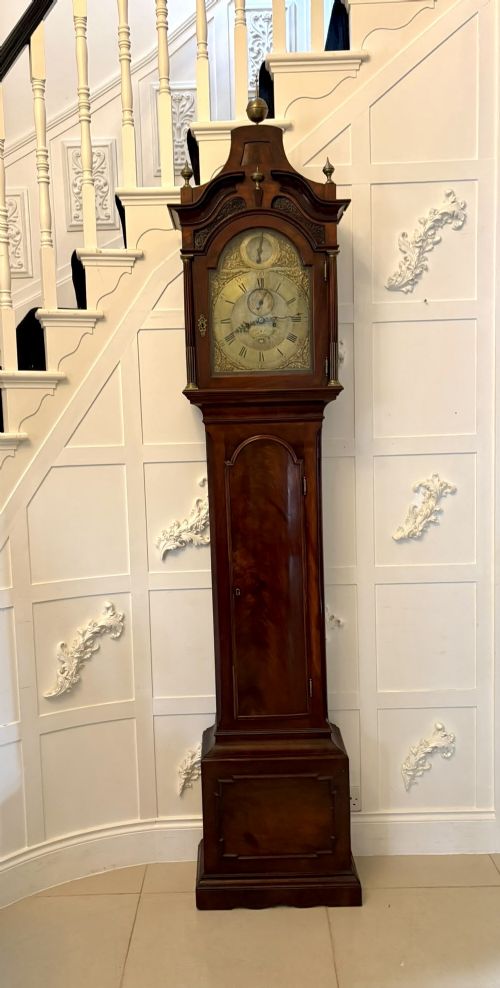
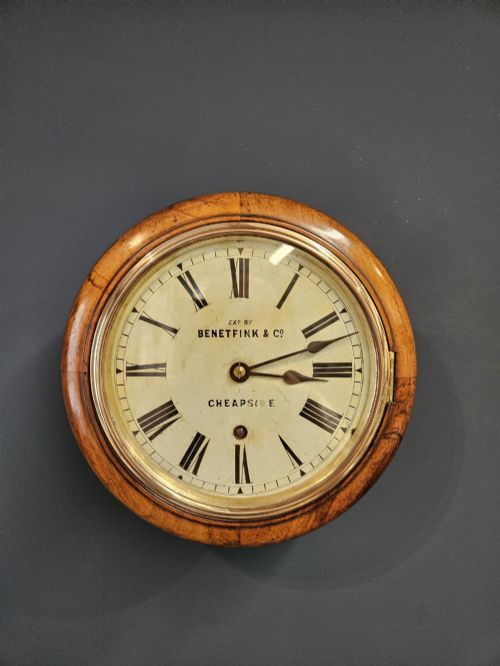
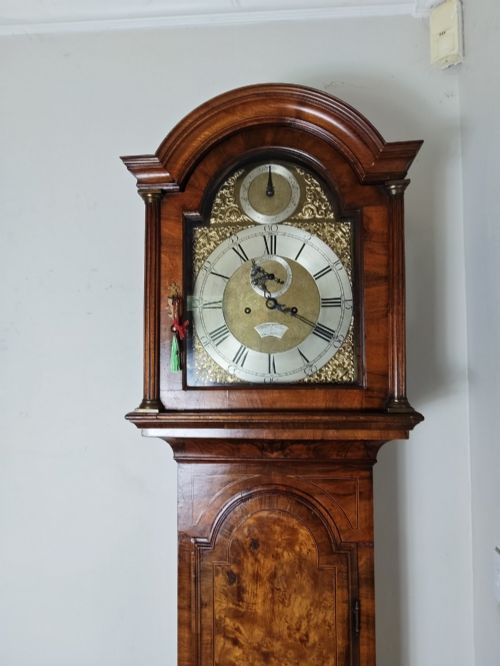
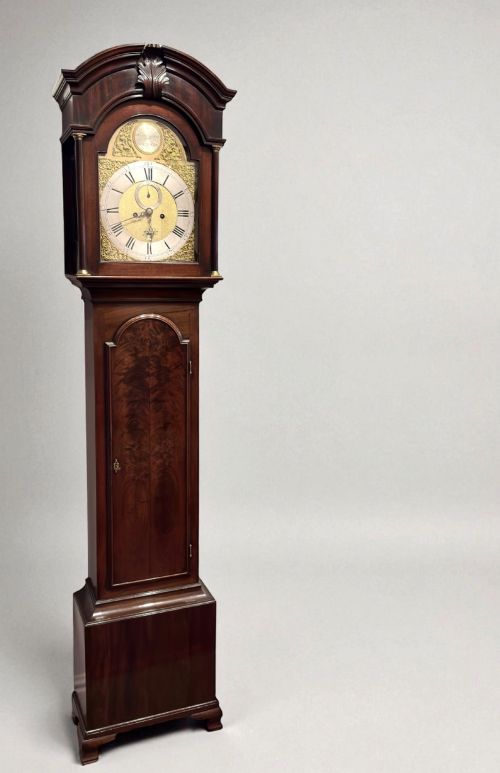
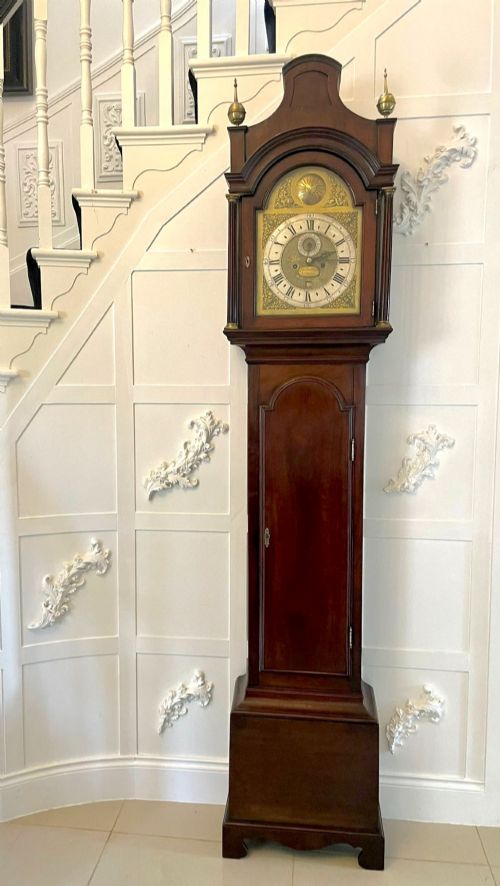
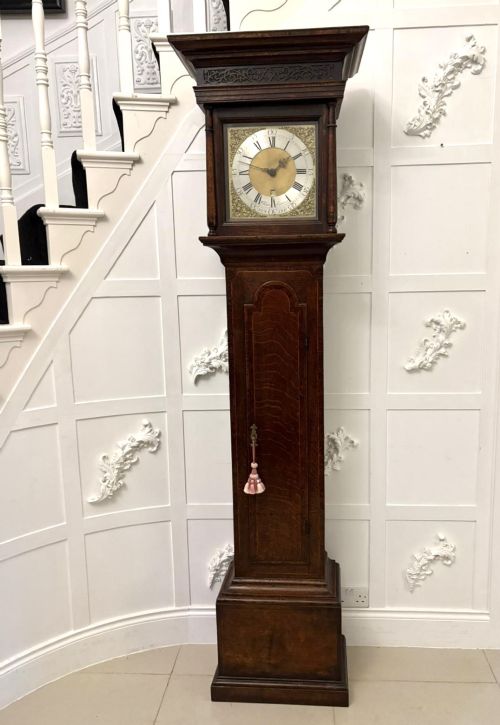
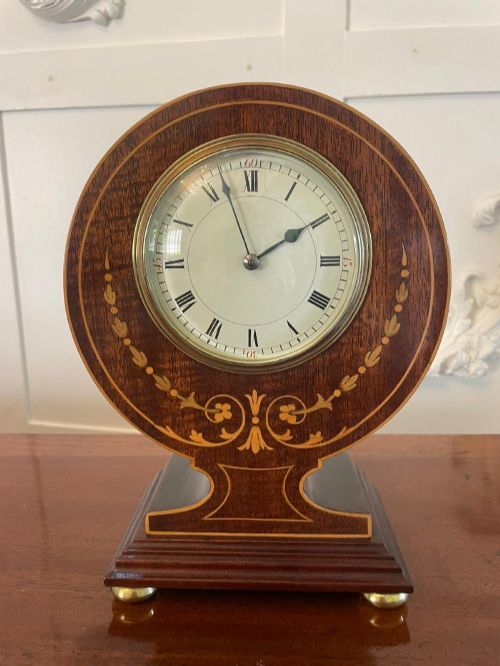
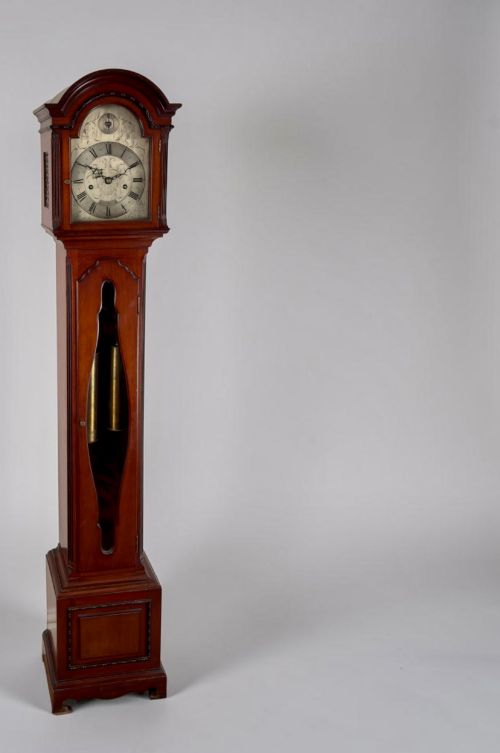
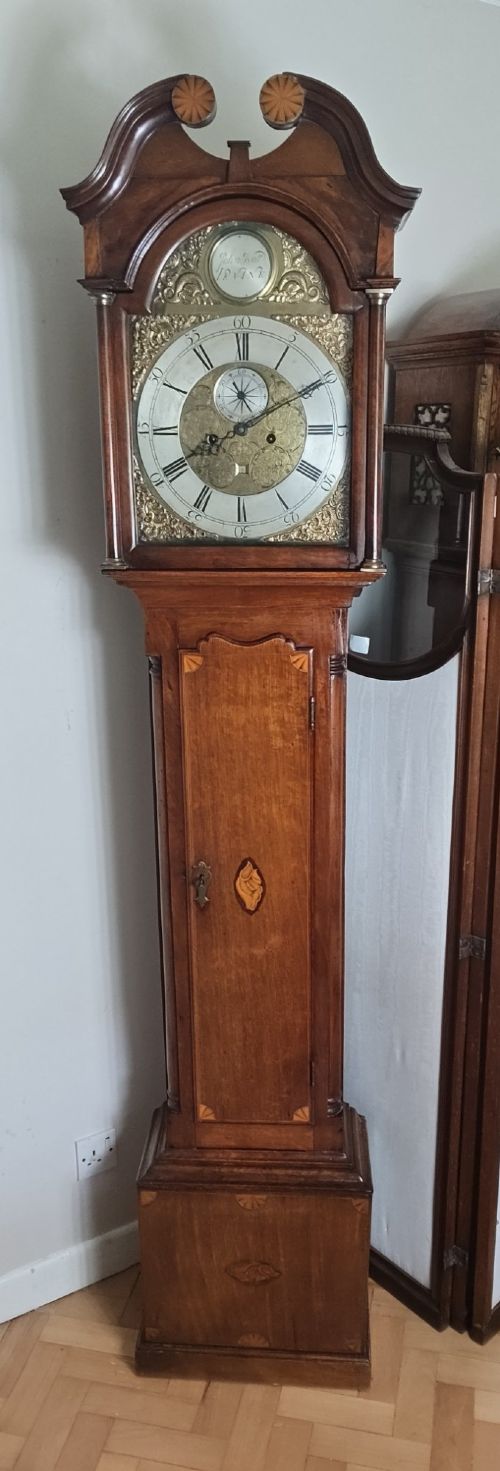
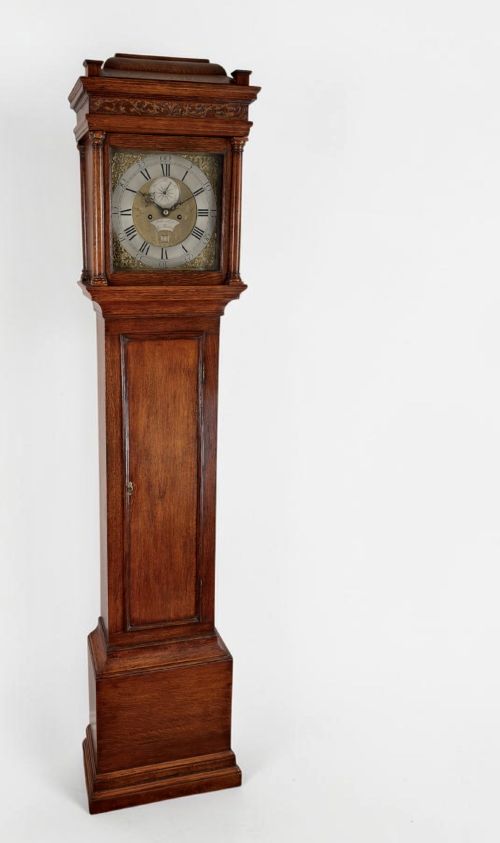
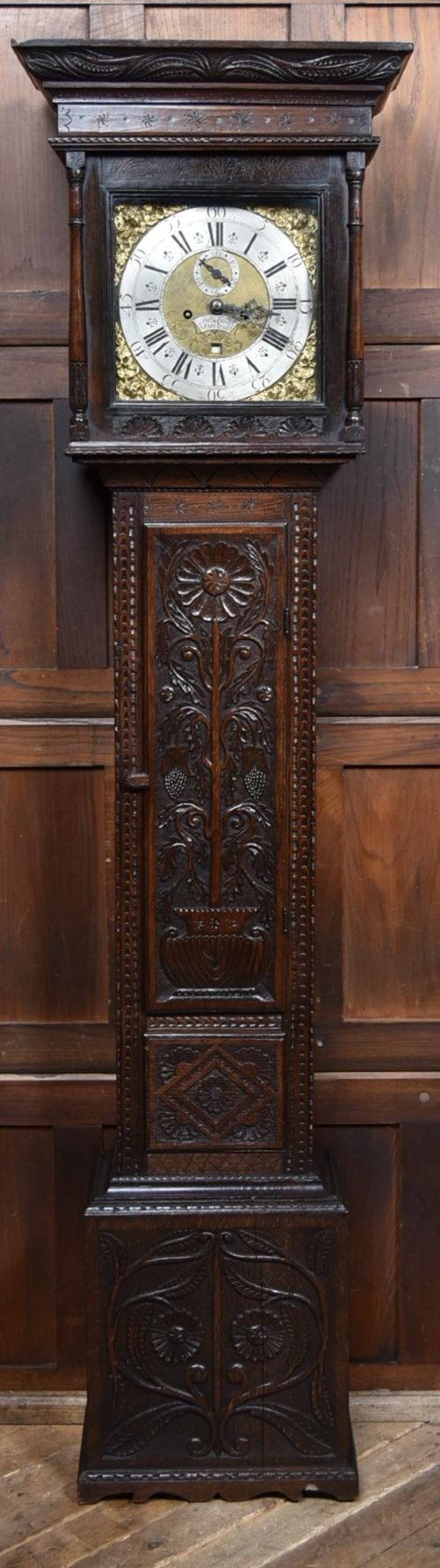
A brass clock with case encompasses a diverse range of horological forms, from towering grandfather clocks to portable carriage timepieces and wall-mounted dials. Longcase and bracket clocks dominate the earlier eras, housed in robust timber enclosures designed to protect intricate movements.
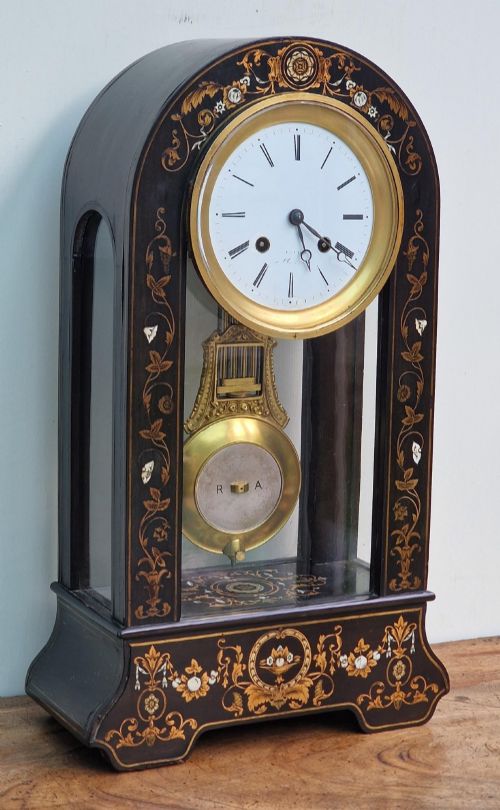
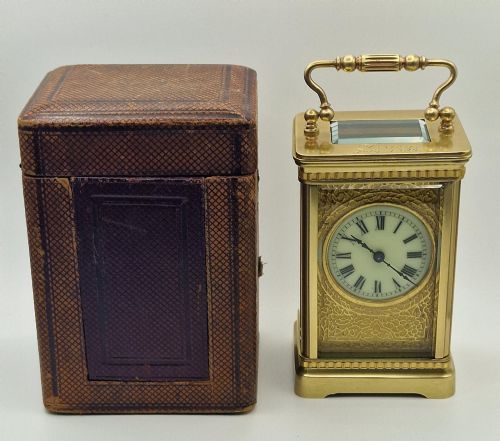
Carriage clocks and smaller mantel pieces frequently arrive in dedicated travel or display cases, utilising glass panels and gilt mounts to showcase the brass framework within. Buyers encounter Victorian and Georgian iterations most frequently, spanning tall floor-standing models to compact desk accessories.
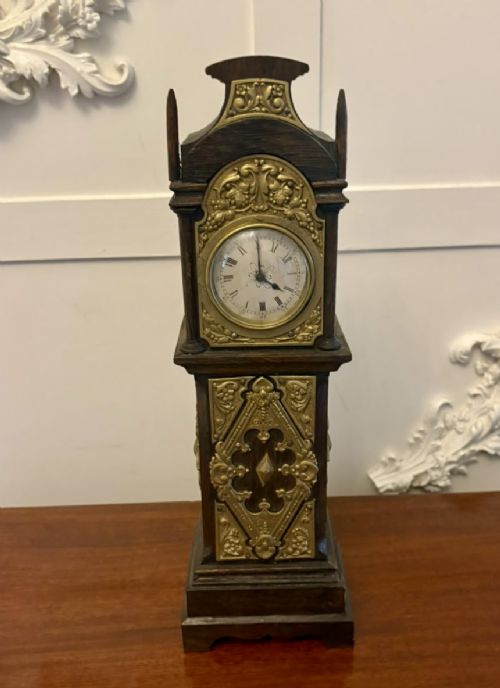
Cabinetry materials vary significantly across these objects, pairing exposed brass dials and bezels with structural timbers such as oak, mahogany, walnut, and rosewood. Enamel dials, steel hands, and specialised escapements complete the physical composition of these timepieces.
Materials and construction
Horologists constructed movements primarily from brass and steel, utilising gear trains, fusees, and various escapement mechanisms to regulate motion. Plates, pillars, and dials received careful hand-finishing, engraving, and gilding to combine mechanical reliability with visual distinction.
Cabinetmakers framed these movements in dense hardwoods, employing oak, mahogany, walnut, and burr veneers alongside glass panels and leather outer containers. Timber cases utilised traditional joinery, inlay, and polished finishes to complement the metallic lustre of the dial.
Certain nineteenth-century carriage clocks incorporated racehorse interests into their records, appealing to sporting enthusiasts.
Quality differences
Superior examples demonstrate meticulous hand-finishing in the gear train and movement pillars, alongside crisp dial engraving and robust, well-proportioned cabinetry. Maker attribution and original components heavily influence desirability, separating standard production items from masterwork creations.
The integrity of the case construction and the survival of original secondary elements, such as travel boxes, keys, or specialised escapements, dictate the standing of an individual piece. Finer specimens retain original gilding, clear enamel work, and matching timber grain across structural components.
Elliott·Henri Jacot·Pickford of London·Thomas May Of Witney·William Evans of Handsworth·John Shelton·James Bullock·Joseph Windmills·Henry Smith·William Noke·George Clapham·Drocourt
The Brass Clock with Case Glossary
- Fusee
- A conical pulley used in spring-driven clocks to maintain a constant force on the gear train as the mainspring unwinds.
- Escapement
- The mechanical linkage that regulates the speed of the clock by translating rotational force into controlled impulses.
- Carriage clock
- A small, spring-driven timekeeper designed for travel, featuring a carrying handle and protective glass panels.
- Longcase clock
- A tall, floor-standing weight-driven clock enclosed in a timber trunk, commonly known as a grandfather clock.
- Sonnerie
- A striking mechanism that chimes the hours and quarters automatically without requiring manual activation.
- Gorge case
- A stepped, pillared brass carriage clock housing style popular during the nineteenth century.
Brass Clock with Case: Frequently Asked Questions
What is a fusee movement?
A fusee movement incorporates a conical pulley that equalizes the diminishing power of a mainspring as it runs down.
This mechanism ensures consistent timekeeping accuracy across the duration of the winding cycle.
How do I identify a carriage clock?
Carriage clocks are portable, spring-driven timekeepers typically housed in brass frames with glass panels on all sides.
They usually feature a swinging handle on top and were originally designed for officers and travellers during the nineteenth century.
What timber was used for cases?
Cabinetmakers utilised a variety of structural woods depending on the period and the form of the clock.
Oak and mahogany appear frequently in earlier longcases and wall dials, while walnut, rosewood, and burr veneers characterise decorative mantel and bracket models.
Are original travel cases common?
Original leather or fitted travel cases survive with select carriage and bracket clocks from the nineteenth century.
These secondary containers protect the gilt brass housing and add significant context for collectors.