




Brass Candle Sconces Stand
Brass candle sconces stand as functional lighting furniture, combining metal work and turned timber to illuminate period rooms.
Brass Candle Sconces Stand
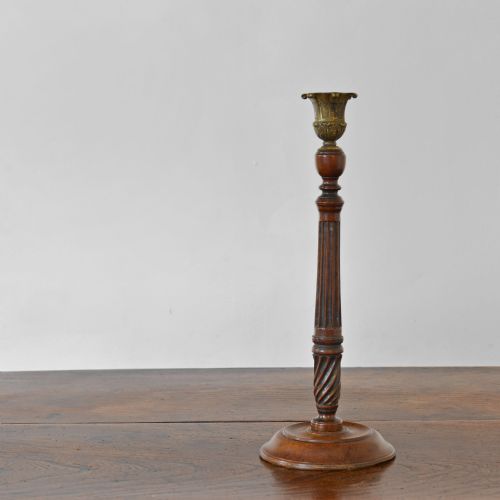
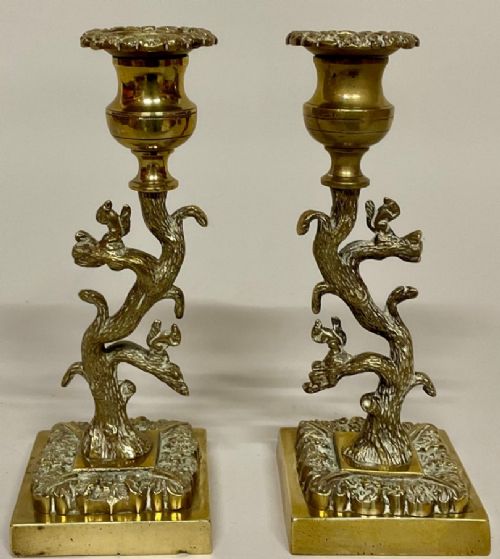
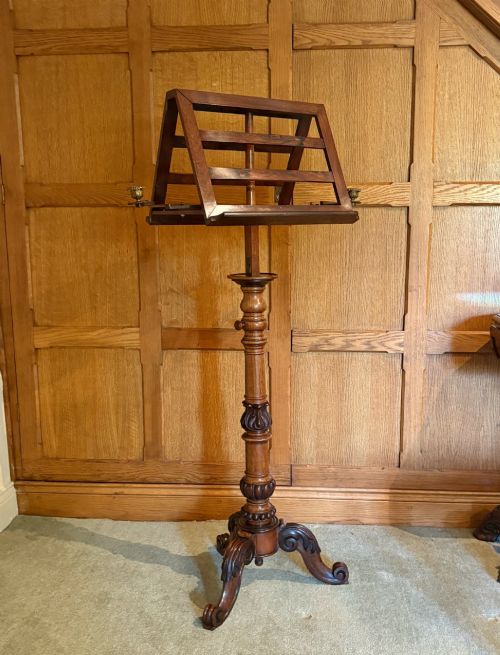
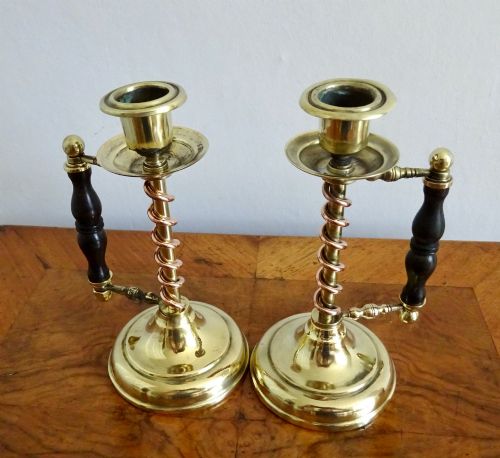
These items encompass lighting supports and adjustable mirrors or music stands featuring fitted candle holders, spanning periods from the eighteenth century through to the early twentieth century. The selection leans heavily towards pairs of candlesticks fashioned in brass, oak, mahogany, and gilt bronze, alongside specific items like music stands and shaving mirrors equipped for illumination.
Makers and designers of the past produced these objects to serve domestic interiors, churches, and drawing rooms, utilising durable metals and dense hardwoods. Examples range from vernacular oak barley twist shafts with brass tops to elaborate French Empire gilt bronze pieces and Gothic revival designs.
How they were made
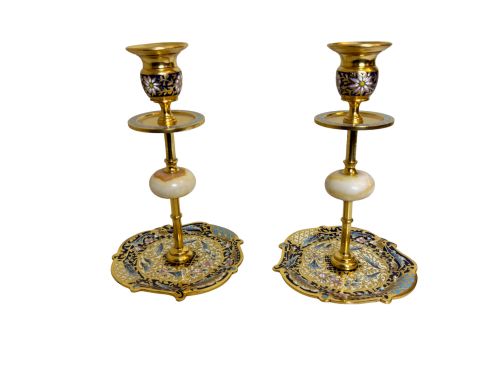
Craftsmen utilised casting techniques for brass, ormolu, and bronze elements, often combining metal sockets and sconces with turned wooden shafts in mahogany or oak. Surface decoration relied on champlevé enamel, hand chiselling, and polished finishes to highlight the grain of the timber and the gleam of the metal.
Structural integrity was achieved through threaded joins, fitted bases, and weighted interiors, particularly in tall church candlesticks and telescopic mirrors where balance was essential for safety and utility.
Object forms include candlesticks, music stands, cheval mirrors, and chambersticks in styles from Regency to Arts and Crafts.
What varies in quality
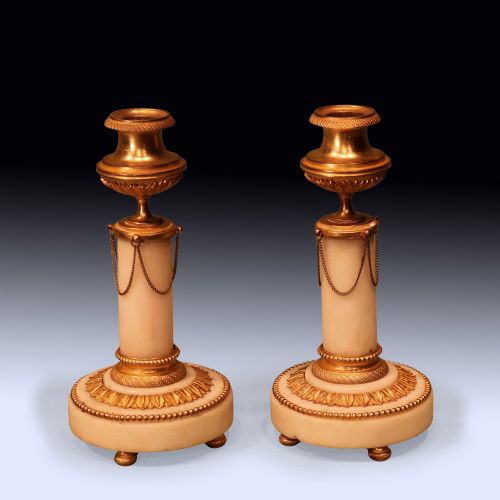
The refinement of the casting and the crispness of the chased detail separate standard production pieces from finer examples, especially in gilt bronze, ormolu, and champlevé work. Proportion and the integration of mixed media, such as white marble or onyx plinths paired with patinated bronze, dictate the visual weight and elegance of an object.
The selection of timber grain in mahogany and oak components, alongside the weight and gauge of the brass used for the sconces and bases, indicates the original workshop investment and standard of manufacture.
Gillows
The Brass Candle Sconces Stand Glossary
- Sconce
- The metal socket or pan at the top of a candlestick designed to catch melting wax and hold the taper steady.
- Ormolu
- Finely ground high-carat gold mercury-gilded onto a bronze base, creating a rich golden surface characteristic of French decorative arts.
- Barley twist
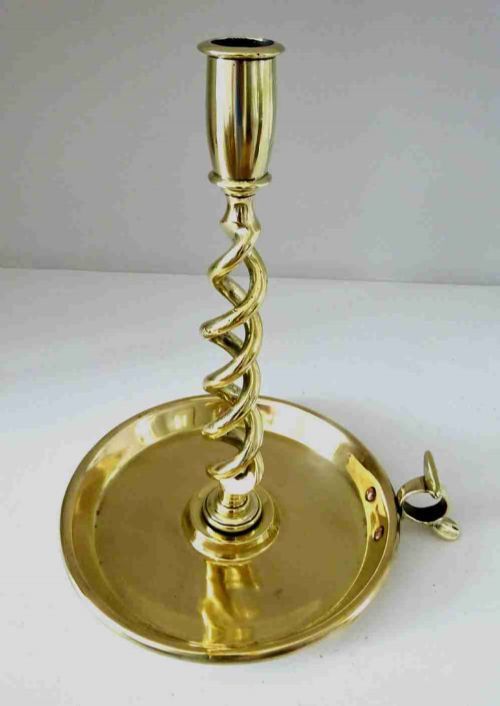
- A structural turning style resembling a winding rope, popular in wooden furniture and candlestick shafts during the seventeenth and early twentieth centuries.
- Champlevé
- An enamelling technique where troughs are dug into a metal surface and filled with vitreous paste before firing.
- Campana
- A vase-shaped candle socket profile reminiscent of classical Greek and Roman pottery forms.
Brass Candle Sconces Stand: Frequently Asked Questions
How do I date an oak and brass candlestick?
Dating relies on examining the turning style of the wood, the method of assembly, and the composition of the brass components. Details such as open barley twists and specific patination point towards Edwardian or early twentieth-century production.
Comparison with documented pieces from similar periods helps confirm whether a piece belongs to the Victorian era or later revival styles.
Were brass candle stands used in churches?
Many large brass candlesticks originate from ecclesiastical settings, designed specifically for altars and church interiors. These pieces are typically taller and heavier than domestic examples to suit large spaces.
Ecclesiastical brasswork often incorporates Gothic revival or Aesthetic movement motifs reflecting liturgical design standards of the nineteenth century.
How do I clean antique brass and ormolu?
Maintenance requires minimal intervention to preserve the historic surface patination and delicate gilding. Gentle dusting with a soft cloth is generally sufficient for regular care.
Harsh commercial metal polishes should be avoided, particularly on ormolu and gilt bronze, as they can strip the thin gold layer entirely.