


Brass Candle Light
Brass candle light brings together centuries of metalwork and illumination, offering enduring forms designed to hold a flame safely and light a room.
Brass Candle Light
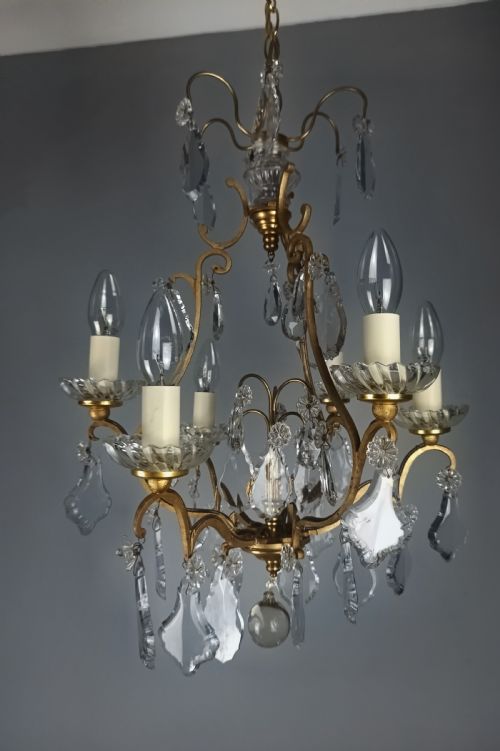
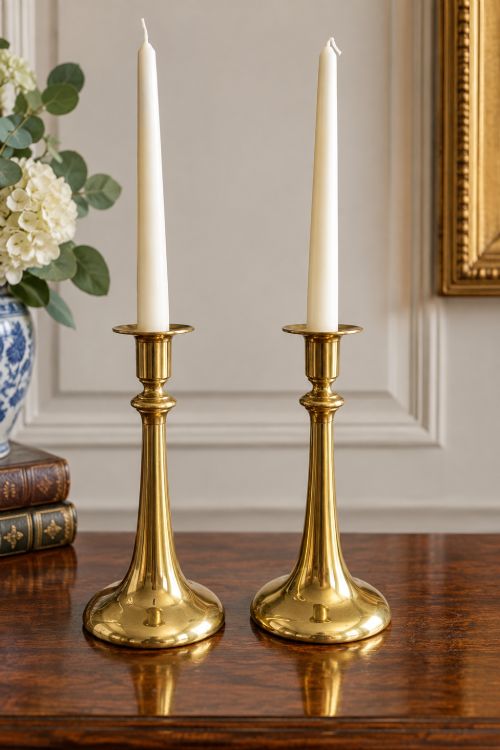
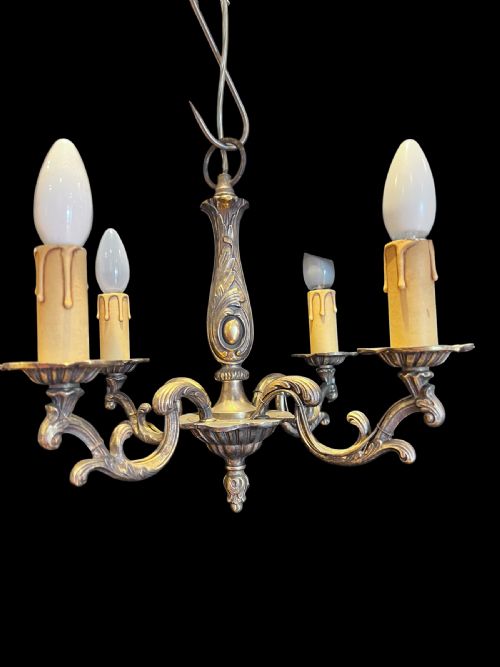
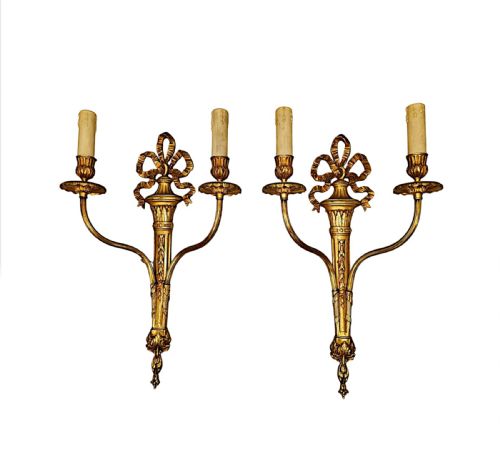
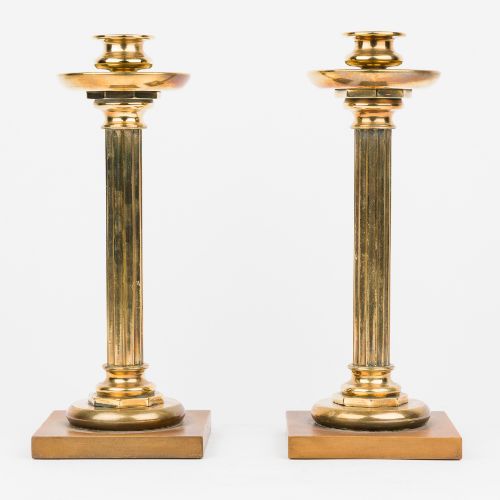
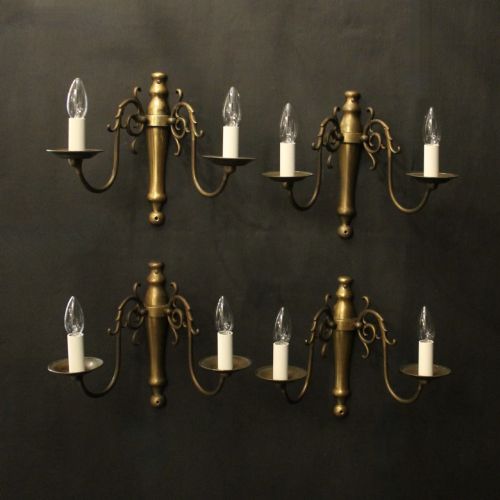
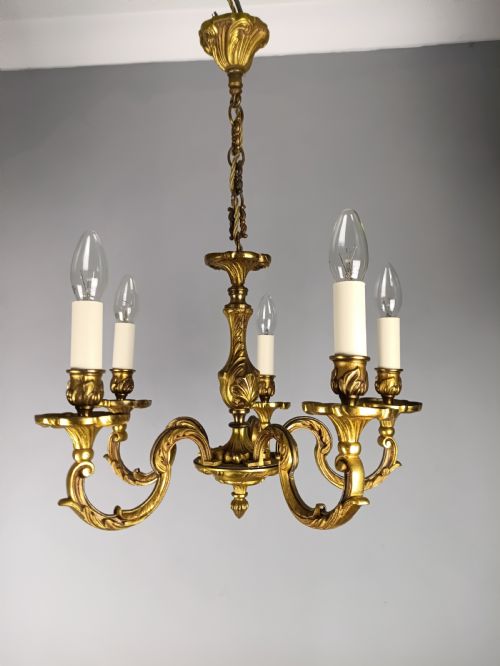
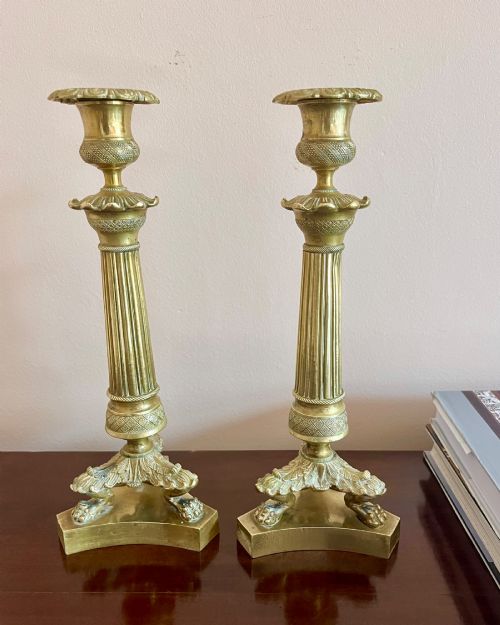
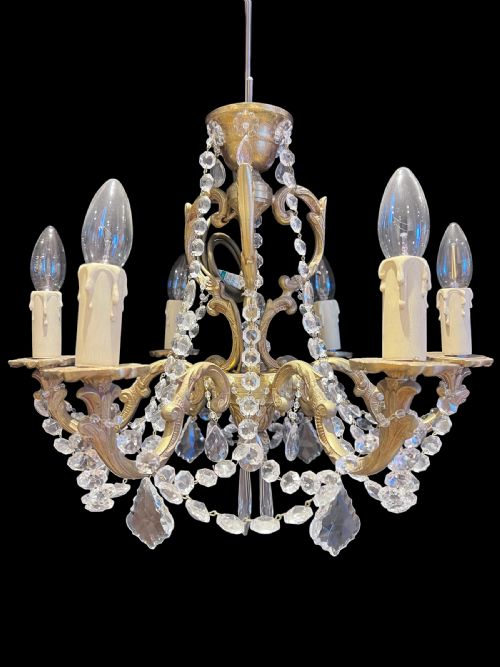
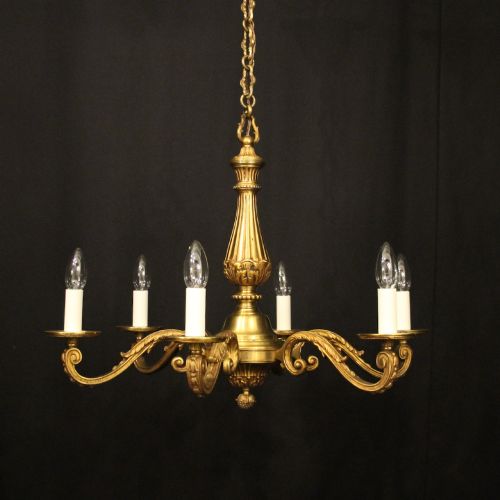
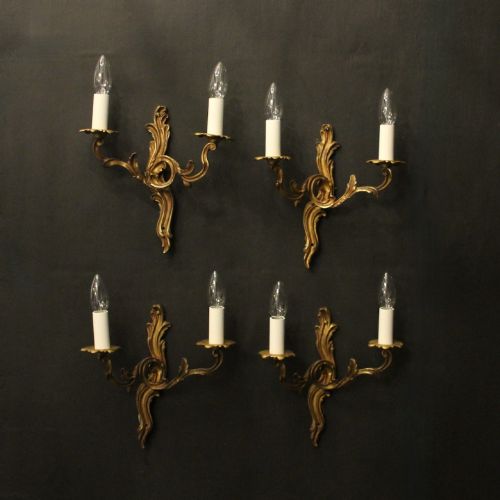
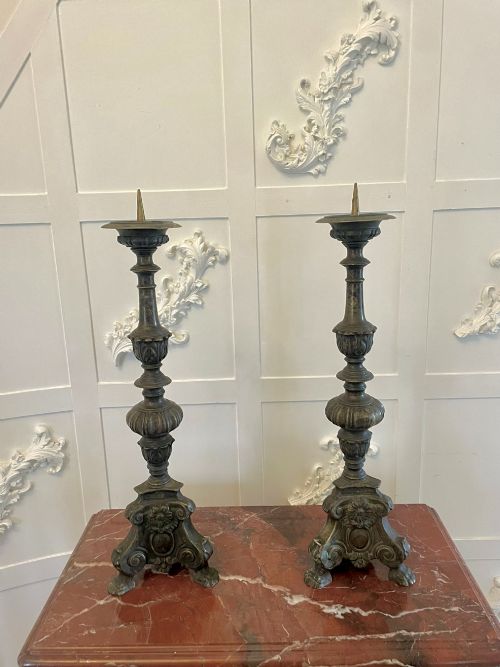
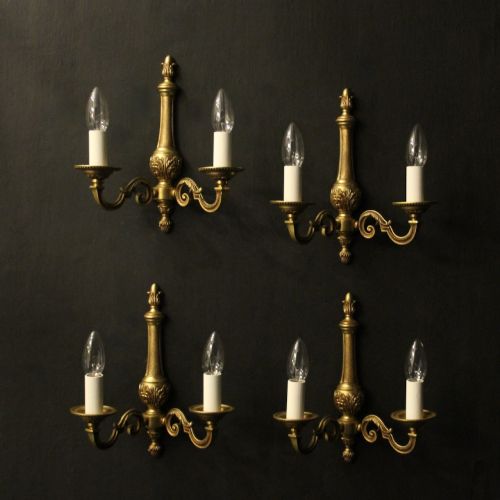
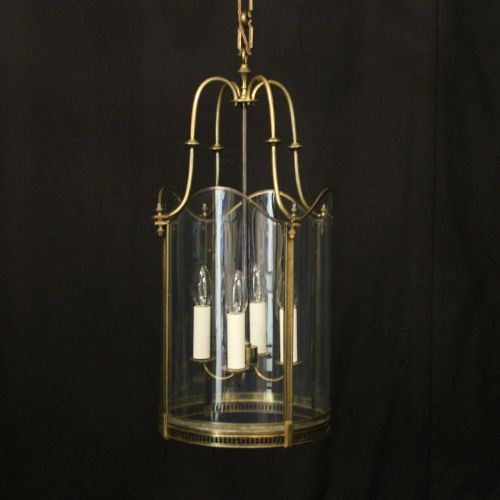
Brass candle light spans everything from simple table candlesticks to grand multi-armed chandeliers, wall sconces, and hanging hall lanterns designed for interior illumination.
The selections here frequently draw on French and English design traditions, ranging through Georgian, Victorian, and later periods with diverse stylistic revivals.
How they were made
Makers utilised cast and sheet brass, alongside gilt bronze and ormolu, shaping metal through founding and hand-finishing techniques.
Many structural assemblies incorporate glass crystal lustres, prisms, and drops to refract the candlelight and increase brightness within the room.
Surfaces often receive mercury gilding, patination, or lacquering to preserve the metal beneath and enhance decorative details.
Objects range from single table candlesticks to large eight-light chandeliers and wall sconces.
What varies in quality
Quality rests upon the crispness of the cast ornamentation, where finely chased foliage and figures retain sharp definition rather than softened edges.
The weight and gauge of the metal indicate the sturdiness of construction, separating robust pieces from lighter, more utilitarian counterparts.
Original components, such as matching crystal lustres and secure structural joints, distinguish well-preserved examples from heavily altered pieces.
Barbedienne·Bruce Talbert
The Brass Candle Light Glossary
- Ormolu
- Gilded bronze, where finely ground high-carat gold is applied to a bronze base using a mercury amalgam technique.
- Pricket
- A sharp metal spike set in the centre of a drip pan to secure a pillar candle.
- Candelabra
- A branched candlestick holding multiple lights on separate arms.
- Lustre
- A cut glass pendant or drop hung from a chandelier or wall sconce to reflect light.
- Sconce
- A wall-mounted bracket designed to hold candles or lights.
Brass Candle Light: Frequently Asked Questions
How do I date an old candlestick?
Dating relies on examining the construction methods, base shapes, and assembly marks. Early examples often feature multi-component hollow castings joined by central spindles.
Stylistic cues such as neoclassical urn motifs or rococo asymmetric curves further help anchor pieces to specific decades or centuries.
Were these always meant for candles?
Most of these fixtures were originally designed exclusively for wax or tallow candles before the widespread adoption of electricity. Many survive in their original configuration with prickets, drip pans, and sockets.
Some later pieces and chandeliers have been adapted for electric wiring while retaining their traditional branch frameworks.
How should I clean polished brass?
Maintenance requires gentle dusting with a soft cloth to prevent the accumulation of grime on intricate castings. Aggressive metal polishes strip away historic patination and can damage delicate gilt surfaces.
Preserving the aged finish ensures the metal maintains its character over decades of display.
What is the difference between a sconce and a chandelier?
A sconce attaches directly to a vertical wall surface to project light outward into a hallway or room. Chandeliers hang suspended from the ceiling by a chain or rod to illuminate a central space from above.