


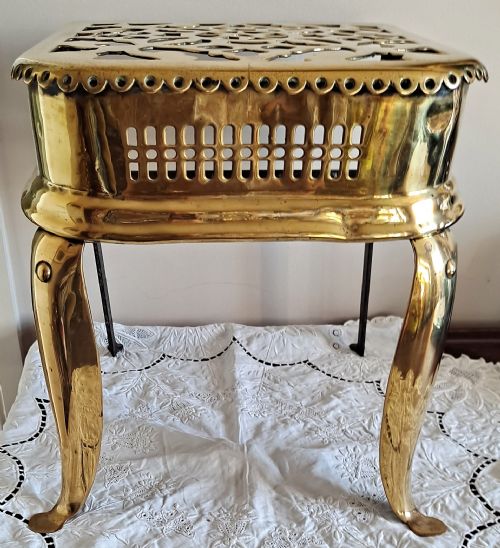
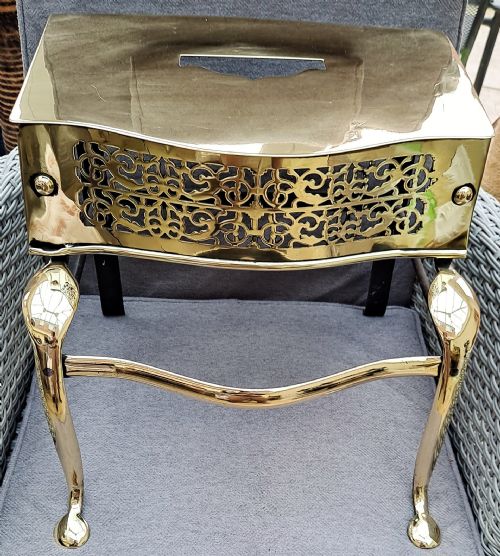

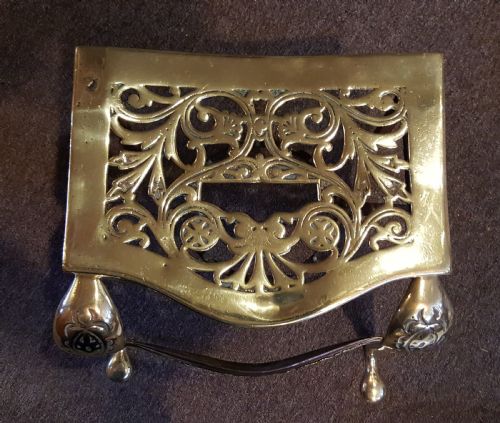
Brass Cabriole Leg Footman
A brass cabriole leg footman is a practical hearth accessory that warms plates by the fire, bringing period character to any fireplace.
Brass Cabriole Leg Footman
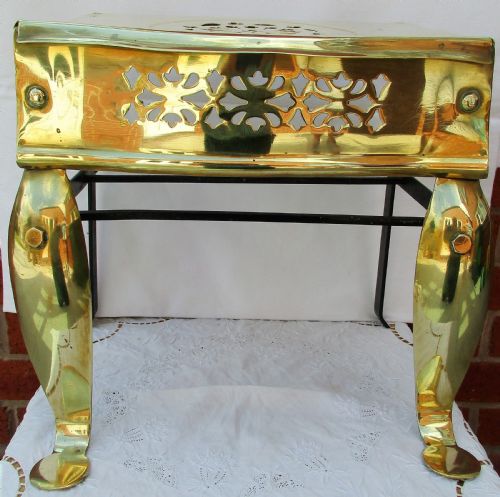
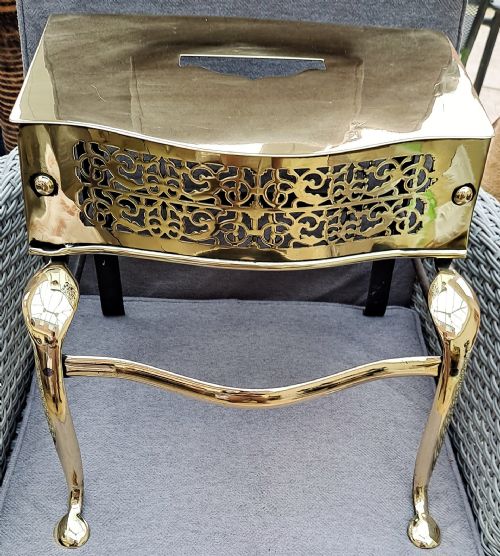
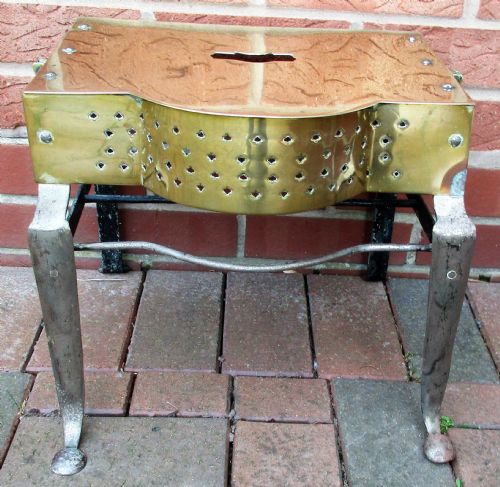
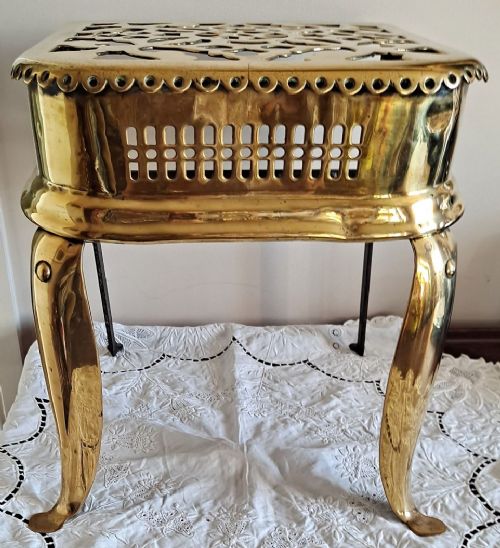
When you search for a brass cabriole leg footman, you are looking at sturdy fireplace accessories designed to stand by an open hearth for warming plates or keeping food hot. These items appear across the Georgian, Regency and Victorian periods, representing traditional English fireside equipment from the nineteenth century.
The versions you are most likely to meet on this page take the form of heavy hearth footmen, trivets and plate warmers featuring distinctive cabriole legs. They function as functional fireplace accessories that double as decorative pieces for period interiors.
How They Were Made
Makers constructed these pieces using a combination of brass and steel or iron, providing the necessary heat resistance and structural weight for use inside an inglenook fireplace. The brass components typically form the visible top plate and decorative legs, while iron and steel provide internal reinforcement and support.
Craftsmen shaped the legs into characteristic cabriole forms, bending and casting the metal to create stable supports that lifted the warming surface above the hearth floor.
Listings feature items from the 19th Century, Georgian, Victorian, and Regency periods, constructed from brass, steel, and iron.
What Varies in Quality
Quality in a brass cabriole leg footman often lies in the weight of the metal and the precision of the casting. Heavier examples demonstrate a more substantial use of brass and steel, offering greater durability and a more imposing presence by the hearth.
The refinement of the cabriole legs also distinguishes finer pieces from simpler utility items. Smoother contours and heavier gauge metal separate superior examples from standard nineteenth-century workshop production.
The Brass Cabriole Leg Footman Glossary
- Footman
- A metal stand placed by the fire to keep plates warm. These hearth accessories often feature cabriole legs and serve as traditional fireplace trivets.
- Cabriole leg
- A furniture and accessory leg that curves outward and then tapers inward. This style appears frequently on Georgian and Victorian brass footmen.
- Trivet
- A small support raised on feet, used for holding hot vessels or plates near a fire. In fireplace terminology, this is synonymous with a footman.
- Inglenook
- A recess or alcove for a hearth, where large fireplaces accommodated seating and heavy warming equipment like steel and brass footmen.
Brass Cabriole Leg Footman: Frequently Asked Questions
What is a brass cabriole leg footman used for?
These pieces served as practical plate warmers and trivets placed directly by the hearth in English homes.
People used them to keep food and dishes warm near the open fire before the advent of modern kitchen appliances.
Which periods do these footmen come from?
The available pieces originate primarily from the Georgian, Regency and Victorian eras of the nineteenth century.
Stylistic details often reflect the prevailing design trends of George III and later nineteenth-century manufacturing.
What materials are used in their construction?
They combine polished brass with durable iron and steel internal components to withstand intense hearth temperatures.
The brass provides a bright decorative surface while the iron and steel supply structural strength.
How do I place a footman in a room?
They sit naturally beside an open fireplace or within an inglenook as a focal point for period fireside accessories.
Collectors also display them freestanding in traditional dining rooms or living spaces.