




Steel Hearth Trivet
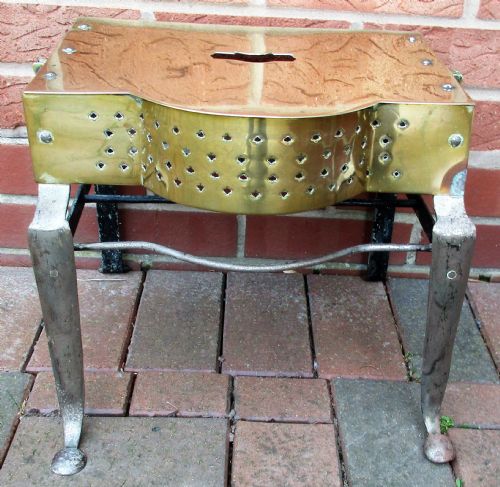
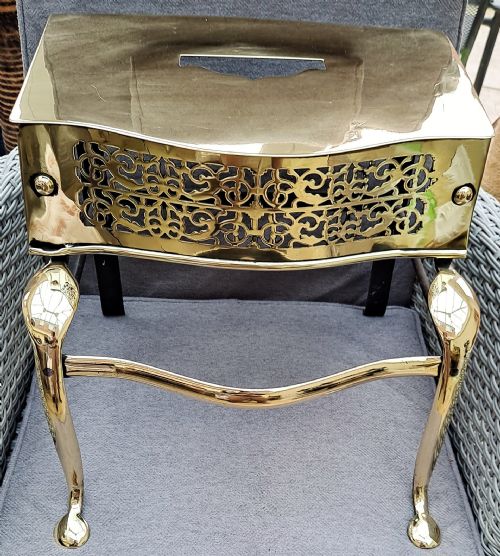
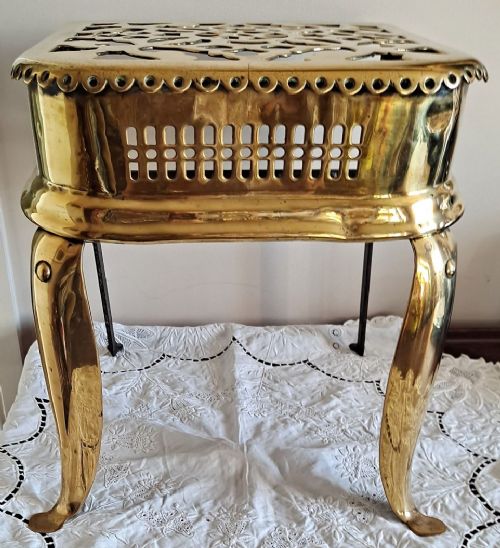
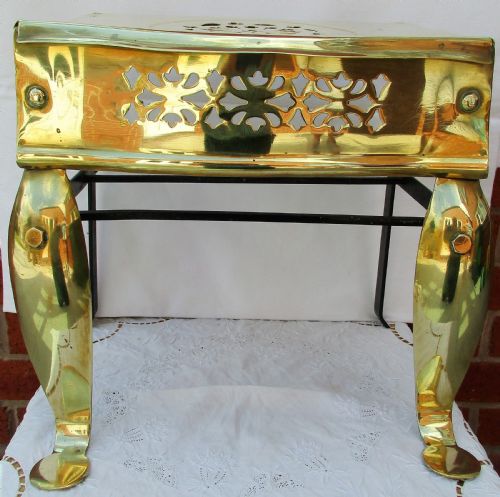
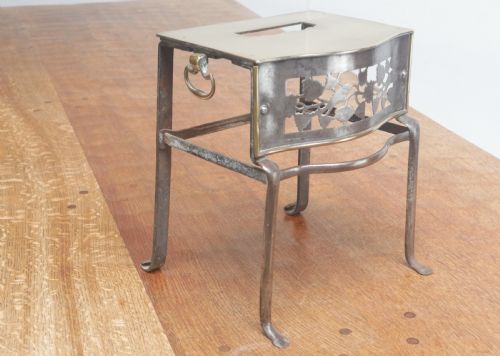
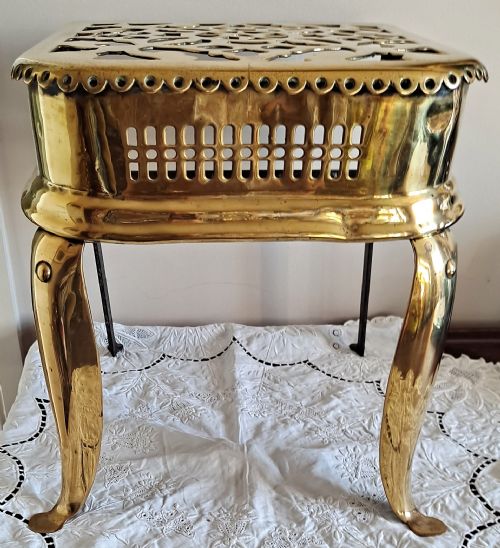
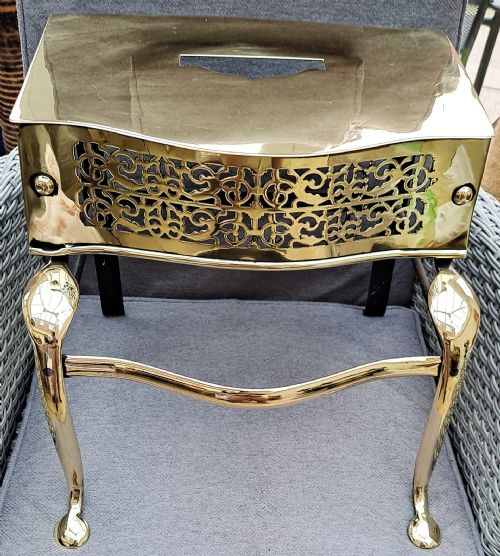
These steel hearth trivet pieces are sturdy domestic implements designed for warming plates by the fire, bringing period character to any hearth.
Steel Hearth Trivet
A steel hearth trivet is a traditional fireside accessory used alongside the open grate for keeping food and kettles warm. When searching for a steel hearth trivet, buyers encounter footmen and hearth accessories dating from the eighteenth and nineteenth centuries. English and Welsh examples dominate the selection, showing Georgian and Victorian design influences.
The objects take the form of footmen and hearth stands constructed primarily from steel, frequently combined with brass elements. These items served a practical daily purpose in period kitchens and parlours before the advent of modern ranges. Surviving pieces reflect centuries of domestic use by the fireside.
How they were made
Blacksmiths and metalworkers shaped these objects using traditional forging and assembly techniques. The construction combines robust steel bodies with contrasting brass fittings, mounted on sturdy legs designed to stand directly on the hearth.
Makers utilised iron alongside steel and brass to build durable accessories that could withstand intense fireplace heat. Surface finishes and patination develop naturally through age and exposure to coal fires.
Steel Hearth Trivet Retail Price Guide 2026
Typical asking prices for steel hearth trivet among the pieces listed under this phrase on Sellingantiques today, from the lower quarter to the upper quarter. They describe what is for sale here now, not the wider market.
These sturdy footmen spent centuries sitting patiently in the soot, quietly holding dinner plates while the coal fire crackled.
What varies in quality
Quality rests in the crispness of the metalwork and the integration of brass components with the steel frame. Finer examples display balanced proportions and careful attention to the shape of the legs and handles.
The distinction between standard domestic items and superior pieces lies in the refinement of the forging and the survival of original brass elements. Heavier gauge metal and clean lines separate better workshops from plain utility items.
The Steel Hearth Trivet Glossary
- Footman
- A metal stand placed by the fire to support kettles or plates. These items are closely associated with hearth trivets.
- Hearth
- The floor of a fireplace, usually made of stone or brick, where these accessories stand. It forms the centre of the traditional room.
- Georgian
- The period spanning the reigns of the four Georges, noted for proportion and classical restraint in metalwork. Pieces from this era show specific stylistic traits.
- Victorian
- The period of Queen Victoria's reign, characterised by heavier domestic manufacturing and diverse decorative styles. Items from this time reflect industrial expansion.
Steel Hearth Trivet: Frequently Asked Questions
What is a steel hearth trivet used for?
A steel hearth trivet served as a sturdy platform placed near the fire for warming plates, food, or water.
In period homes, these accessories stood directly on the hearth stone to assist with daily kitchen and parlour tasks.
How do I date a steel footman?
Dating relies on examining the construction methods, materials, and stylistic cues inherited from Georgian or Victorian periods.
Earlier eighteenth-century examples often feature simpler, hand-forged steel components, while later nineteenth-century pieces incorporate varied brass and iron work.
Where were these fireside accessories made?
The pieces available originate primarily from English and Welsh workshops active during the eighteenth and nineteenth centuries.
Local blacksmiths and metalworkers produced these utility items for domestic hearths across the regions.
How do I care for antique steel?
Maintenance involves keeping the metal dry and occasionally applying light protective wax to preserve the historic surface.
Avoiding abrasive cleaners protects the natural dark patination built up over centuries of fireside use.