




Fireplace Hearth Stool
These fireplace hearth stool pieces bring low seating and practical metal warming frames directly to the hearth in brass, iron, oak and mahogany.
Fireplace Hearth Stool
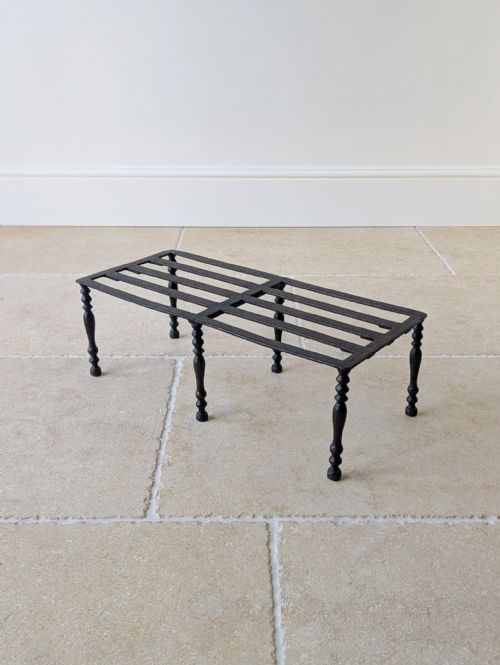
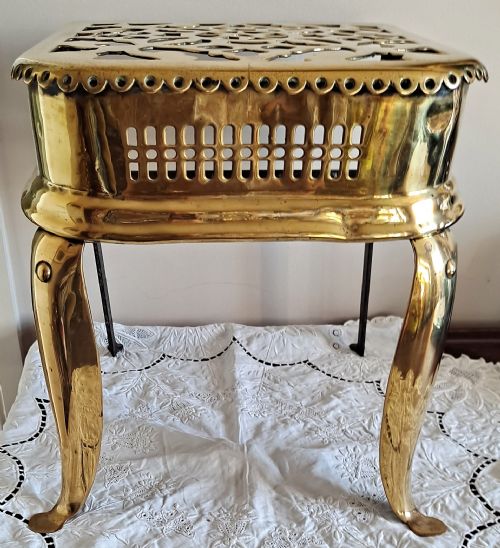
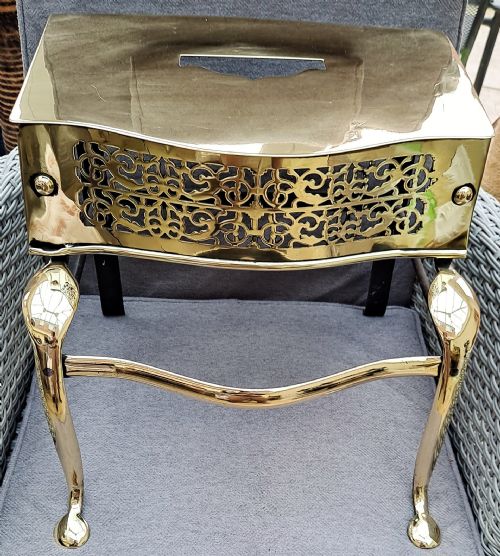
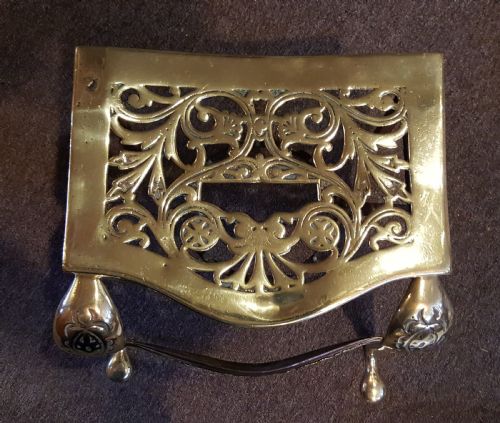
A fireplace hearth stool serves as a low seat or a metal warming accessory positioned right by the fire. When exploring a fireplace hearth stool, buyers encounter both wooden footstools upholstered in leather and metal footmen designed for warming plates.
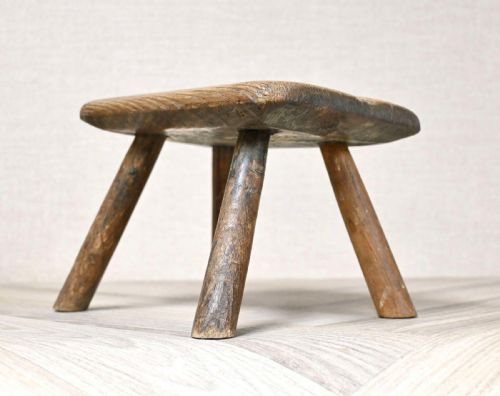
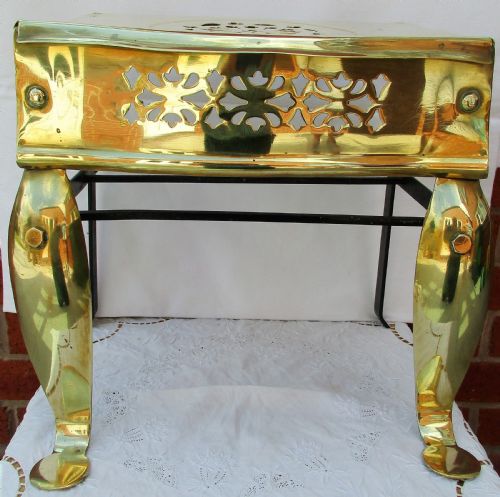
The selection ranges across the Georgian, Victorian and Edwardian eras. Forms vary from simple elm and oak footstools to elaborate brass and steel hearth trivets with cabriole legs.
How they were made
Metal items utilise combinations of brass, iron, steel and wrought iron shaped for fireside use. Wooden examples employ solid timbers such as mahogany, walnut, oak and elm.
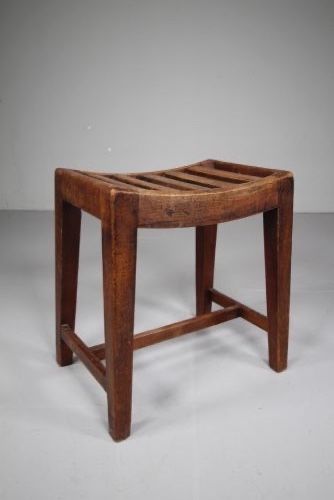
Construction methods include slatted tops, shaped wooden framing and sturdy cabriole legs on metal or wooden bodies.
Footmen often doubled as impromptu toasters when the evening fire burned low.
What varies in quality
Quality shows in the weight and finish of the metalwork, particularly where brass and steel meet in footmen. Solid timber selection in walnut, mahogany and oak dictates the durability of wooden footstools.
Refinement of form marks the distinction between rustic country pieces and formal Georgian or Victorian designs.
The Fireplace Hearth Stool Glossary
- Footman
- A metal stand placed by the fire to warm plates or keep food hot. These brass and steel items often feature cut-out handles.
- Hearth trivet
- A three-legged metal stand used beside the fireplace for similar warming purposes. They share materials with standard footmen.
- Fender stool
- A long, low foot stool designed to sit neatly in front of a hearth fender. They frequently appear in walnut with leather upholstery.
- Cabriole leg
- A curved furniture leg featuring an outward knee and an inward ankle. This form appears on specific brass porter and footman stools.
Fireplace Hearth Stool: Frequently Asked Questions
What is a fireplace hearth stool used for?
These pieces serve either as low seating near the fire or as metal stands for warming plates and kettles. They sit directly on the hearth to keep fireside accessories close at hand.
Wooden versions provide low foot support, while metal footmen utilise the heat of the fire for warming food.
How do I identify a Georgian hearth stool?
Georgian examples often feature mahogany, oak or wrought iron construction with classical proportions. Look for period attributes like shaped slats and cabriole legs.
Earlier pieces tend towards primitive country styles, while later 19th-century items introduce walnut and leather combinations.
What is the difference between a footman and a stool?
A footman is constructed from brass, steel or wrought iron and acts as a metal fireplace plate warmer. A stool is made from timber such as oak, elm, mahogany or walnut and functions as a seat.
Both categories share the hearth as their primary location.
How do I care for brass and steel hearthware?
Metal fireplace accessories require gentle cleaning to preserve their aged finish without stripping character. Keep them dry and free from excessive soot build-up.
Wooden frames benefit from occasional wax application to nourish mahogany, walnut and oak surfaces.