




Metal Fireplace Trivet
These metal fireplace trivet pieces bring period hearth accessory character to a room, offering functional stands designed to hold kettles and pans.
Metal Fireplace Trivet
A metal fireplace trivet is a hearth accessory designed for practical use near an open fire, taking forms such as footmans, hearth plates, and kettle stands. These items originate from periods including the Georgian and Victorian eras, with occasional Edwardian examples appearing.
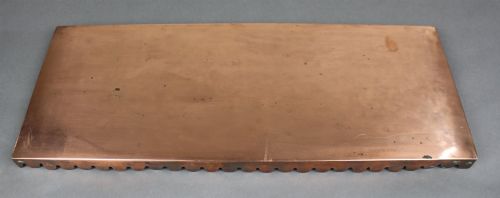
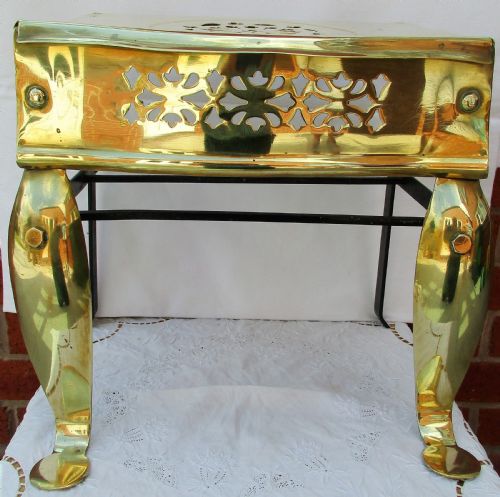
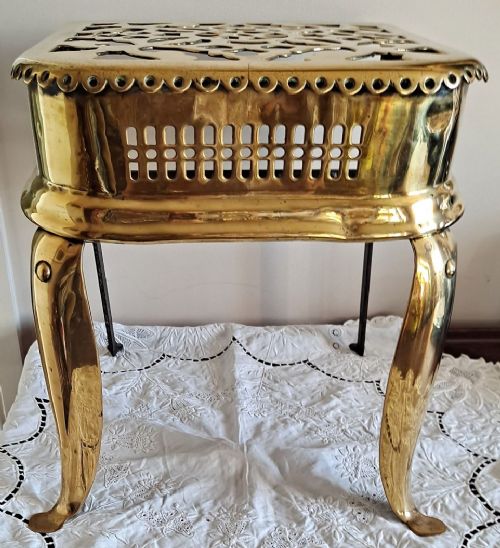
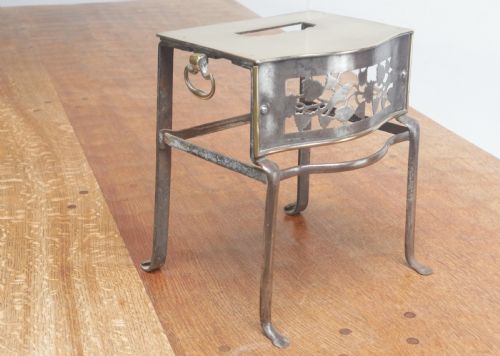
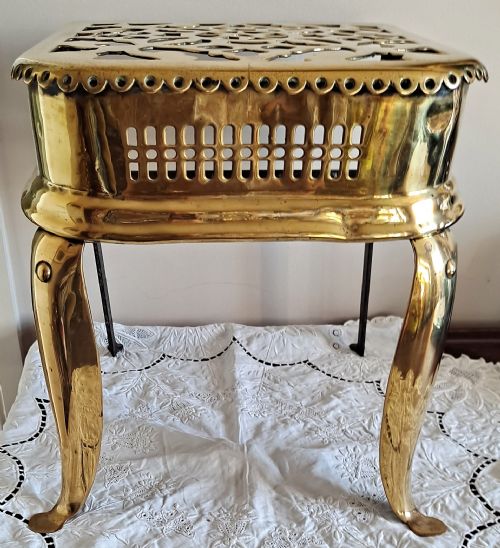
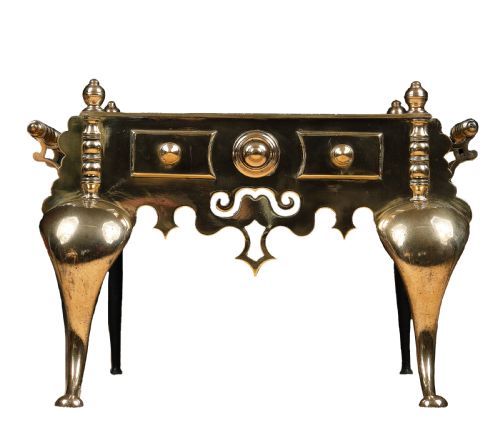
The most common version to meet on this page is the brass and steel footman, often featuring a tabletop surface and supporting legs. Other variations include copper hearth plates with scalloped edges and multi-tiered kettle stands originating from Welsh or English makers.
How they were made
These items rely on combinations of brass, steel, iron, and copper, using metalworking techniques suited to the 18th, 19th, and early 20th centuries. Brass forms the visible plates and stands, while steel and iron provide structural strength for legs and hearth components.
Construction methods involve joining sheet metal and forged components to create stable platforms capable of withstanding hearth heat. Details like scalloped edges on copper hearth plates show careful shaping by period metalworkers.
Listings feature four primary metals: brass, steel, iron, and copper, spanning the Georgian, Victorian, and Edwardian styles.
What varies in quality
Quality differences lie in the weight of the metal used and the refinement of the construction, distinguishing sturdy utilitarian pieces from more decorative household items. Heavier gauge brass and properly forged steel legs indicate superior craftsmanship.
Proportion and detail also separate examples, such as the crispness of a scalloped copper edge or the balanced construction of a two-tier kettle stand. Plain utilitarian items contrast with pieces possessing more elaborate brass work.
The Metal Fireplace Trivet Glossary
- Footman
- A metal stand placed in front of a fireplace to keep food or kettles warm. These typically feature brass tops and iron or steel legs.
- Hearth Plate
- A flat metal plate placed on the hearth for culinary use. Copper versions often feature decorative scalloped edges.
- Kettle Stand
- A raised metal stand designed specifically to hold a water kettle near the fire. Two-tier versions provide additional storage space.
- Georgian
- A period spanning the 18th century and the early 19th century, known for balanced proportions in metalwork. Pieces from this era often display clean lines.
- Victorian
- The period of the 19th century associated with industrial expansion and varied decorative styles. Items from this era frequently combine brass and steel materials.
Metal Fireplace Trivet: Frequently Asked Questions
What is a metal fireplace trivet used for?
These pieces served as practical hearth accessories for heating water in kettles or keeping dishes warm near the fire. They positioned cookware at the correct height above the embers.
Over time, their role shifted from strictly culinary utility to decorative fireside display, remaining popular for period interior styling.
How do I identify a Georgian trivet?
Georgian examples date from the 18th century or around 1800, often featuring simpler, robust construction in brass, copper, or steel. Copper hearth plates with scalloped edges frequently date from this period.
Comparing the form and materials to documented Victorian pieces helps establish the earlier origin, as later 19th-century items often combined bright brass tops with steel frames.
What materials are used in these trivets?
Makers utilised brass, steel, iron, and copper for durability and heat resistance near the hearth. Brass provided a bright, polished surface for the top plates.
Steel and iron provided the necessary structural strength for the supporting legs and frames that sat directly on the floor.
How do I clean an antique trivet?
Cleaning depends on the specific metal, as brass, copper, and iron require different care approaches to preserve their finish. Gentle dusting is generally recommended for daily maintenance.
Avoid harsh chemical polishes that strip away the aged patina accumulated over the 19th and early 20th centuries.