




Brass Box Iron
These brass box iron pieces combine heavy metal and timber for secure storage, giving your room character and history.
Brass Box Iron
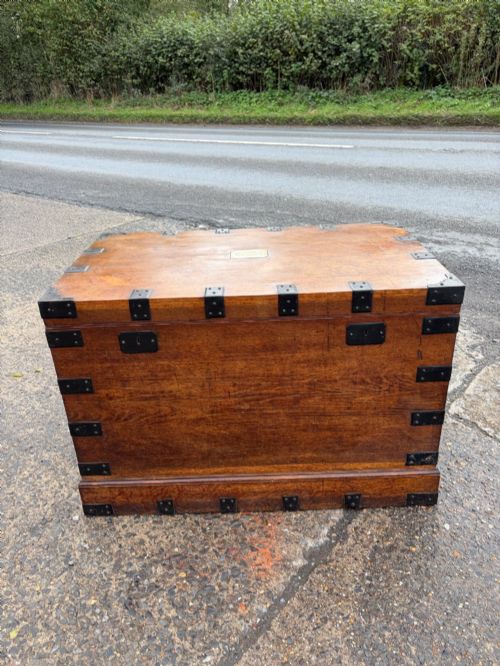
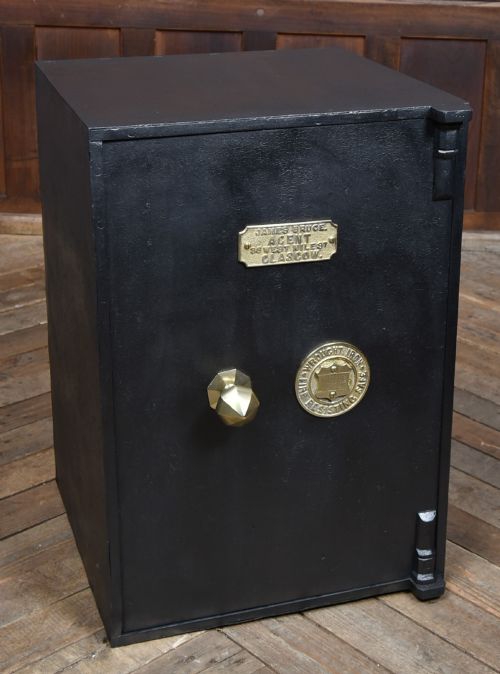
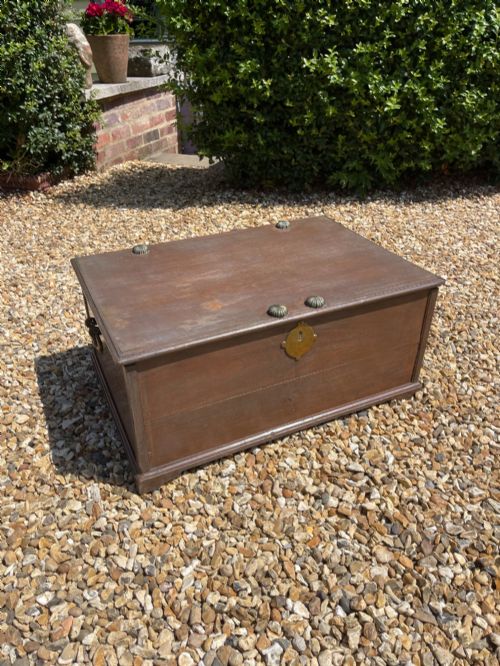
When you search for a brass box iron, you encounter heavy metal-bound chests, trunks, coffers, and safes spanning multiple centuries. These items serve practical storage needs while bringing distinct regional craftsmanship into a modern interior.
The selection here includes Victorian, Georgian, and seventeenth-century examples, alongside pieces from Dutch, Spanish, French, and Indian origins. Trunks, cash boxes, and coin safes dominate the forms you meet.
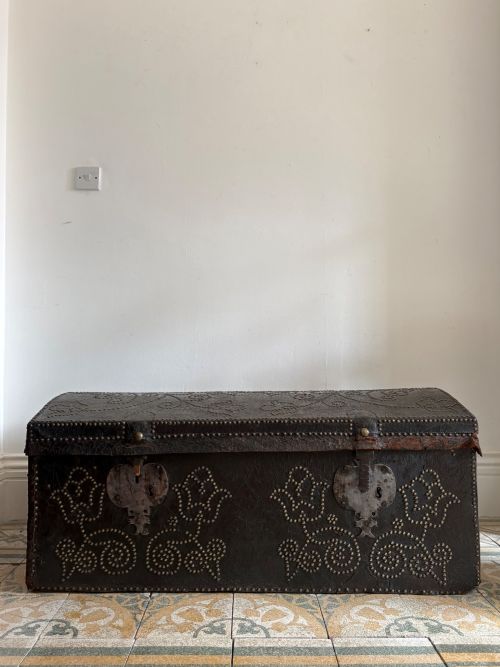
Materials range from cast and wrought iron to brass, oak, teak, and studded leather. Each item shows the utilitarian design of its period, whether travelling across continents or securing valuables at home.
How they were made
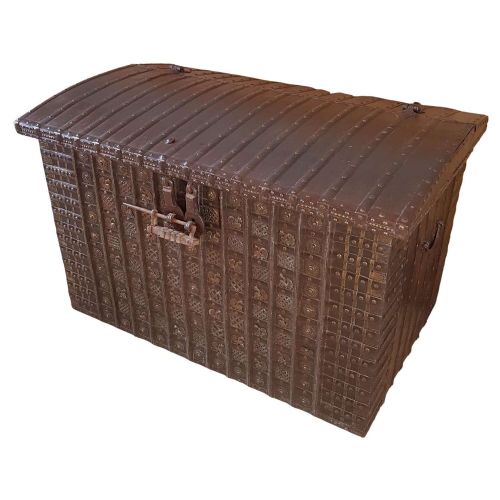
Blacksmiths and cabinetmakers combined timber carcasses with iron banding, brass mounts, and heavy locks. Leather covers and brass studding added protection and decoration to trunks and dome-top chests.
Foundries cast iron and brass for safes, coin boxes, and hardware components. Skilled hands riveted straps and corner brackets to reinforce wooden chests against rough transit.
Brass Box Iron Retail Price Guide 2026
Typical asking prices for brass box iron among the pieces listed under this phrase on Sellingantiques today, from the lower quarter to the upper quarter. They describe what is for sale here now, not the wider market.
What varies in quality
The calibre of metalwork and locking mechanisms separates standard utility boxes from exceptional pieces. Complex dials, original keys, and maker plates elevate certain safes and strongboxes.
The integrity of the timber core and the survival of original leather, paint, or brass fittings determine the overall standard. Pieces retaining their structural joinery and untouched surfaces hold greater interest.
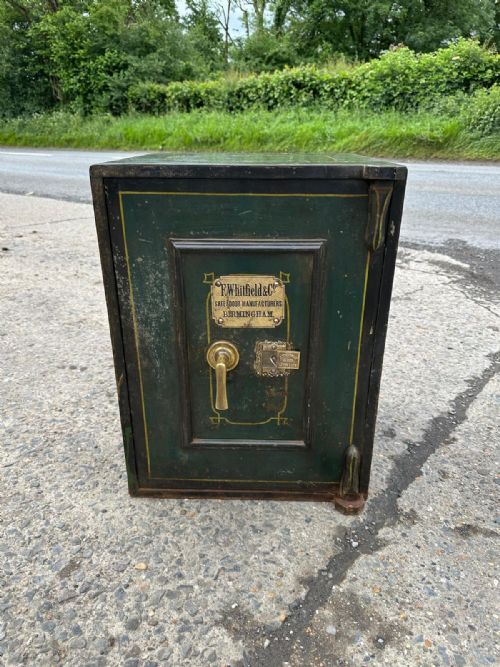
James Bruce·F. Whitfield and Co·Seabrook of St.Pauls·Milners of Liverpool·George Price
The Brass Box Iron Glossary
- Coffers
- Heavy wooden storage chests bound with iron straps, traditionally used for valuables. They date back centuries and often feature complex locking mechanisms.
- Toleware
- Enamelled or painted metalware popular in the nineteenth century. It frequently appears in domestic items like coal boxes and grocery hoppers.
- Damchiya
- A traditional low dowry chest from Rajasthan, heavily banded in iron. These pieces often incorporate elaborate locking systems.
- Strongbox
- A secure metal box designed to protect money and documents from theft or fire. Many Victorian examples feature heavy cast iron construction.
- Dome top
- A chest construction featuring a rounded lid covered in leather or metal. This shape helped shed water during travel.
Brass Box Iron: Frequently Asked Questions
What were brass box iron items used for?
These pieces served to transport and secure valuable goods, cash, and documents during travel or in domestic settings.
Trunks protected clothing and silver on long journeys, while heavy safes guarded currency and deeds against theft or fire.
How do I date an iron-bound trunk?
Look to the construction methods, locking mechanisms, and wood types used in the carcass. Seventeenth and eighteenth-century pieces often feature hand-wrought straps and pegged joinery.
Victorian and later examples incorporate machine-rolled iron, cast brass elements, and maker plates from established foundries.
Where should I place a heavy chest?
Position these substantial pieces as coffee tables, hallway storage, or accent furniture in living spaces. Their weight requires sturdy flooring and careful placement away from direct heat sources.
Leather and timber surfaces benefit from stable indoor climates to prevent drying or cracking.
How do I maintain leather-covered boxes?
Keep leather surfaces clean with a soft brush and apply appropriate conservation waxes sparingly. Avoid harsh chemical cleaners that strip historical patination.
Protect the metal mounts from moisture to prevent rust formation on iron straps.