



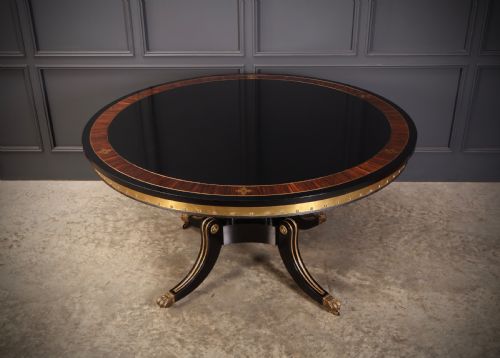

Brass Bound Table
A brass bound table merges robust campaign utility with refined cabinetmaking, offering sturdy metal protection alongside rich timbers.
Brass Bound Table
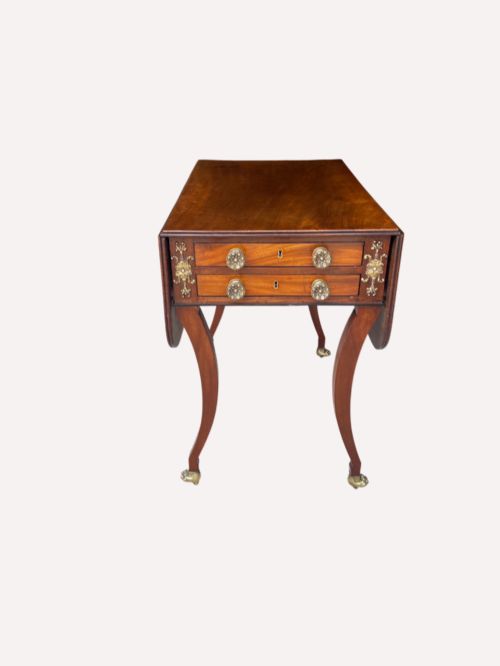
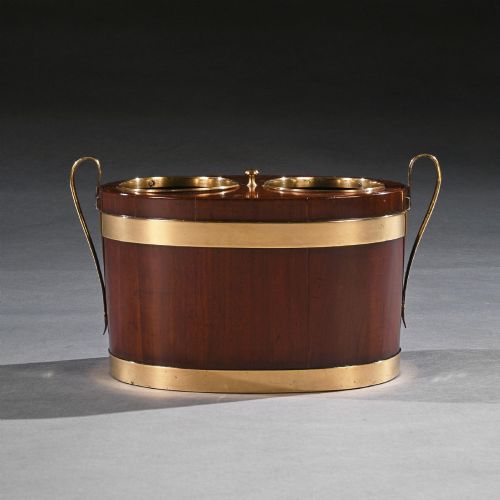
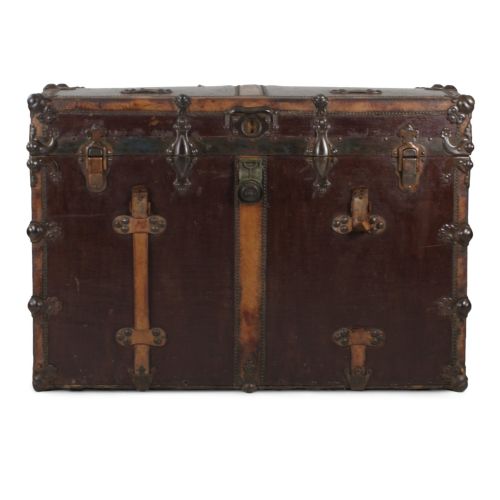
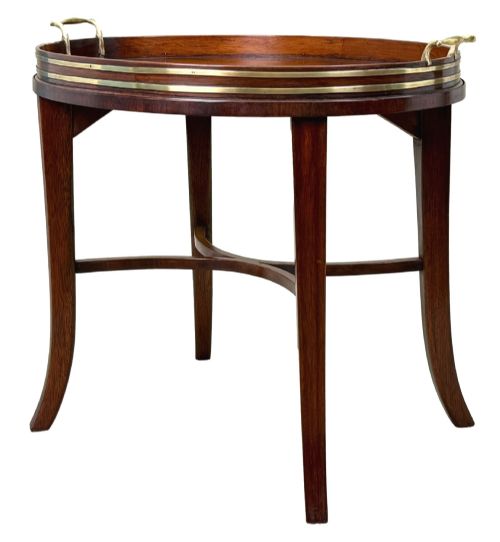
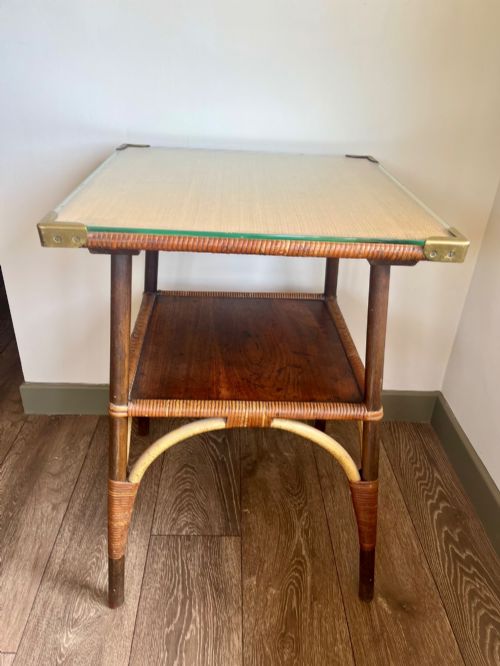
A brass bound table combines structural timber forms with protective metalwork designed to endure travel or daily use. Pieces span Georgian, Regency, and Victorian periods, manifesting primarily in occasional tables, wine coolers, cellarettes, and converted chests.
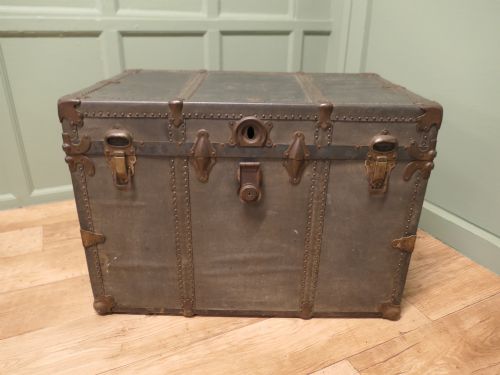
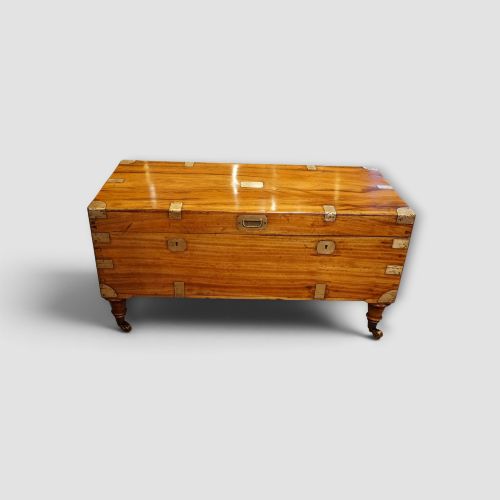
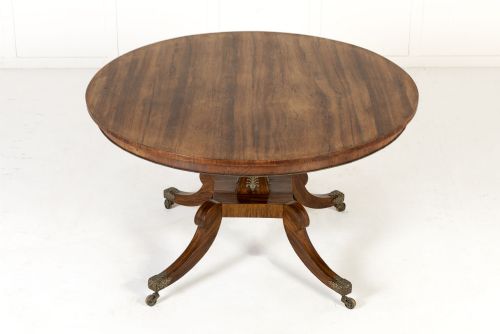
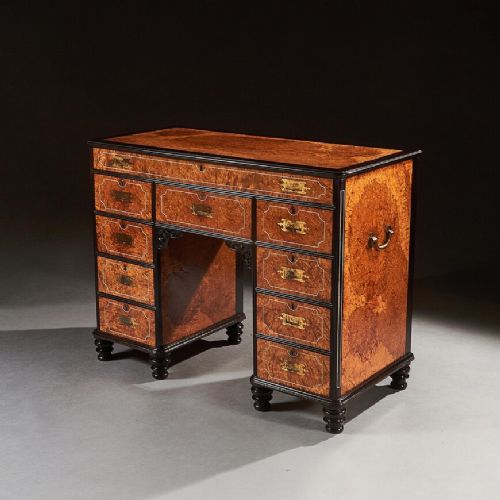
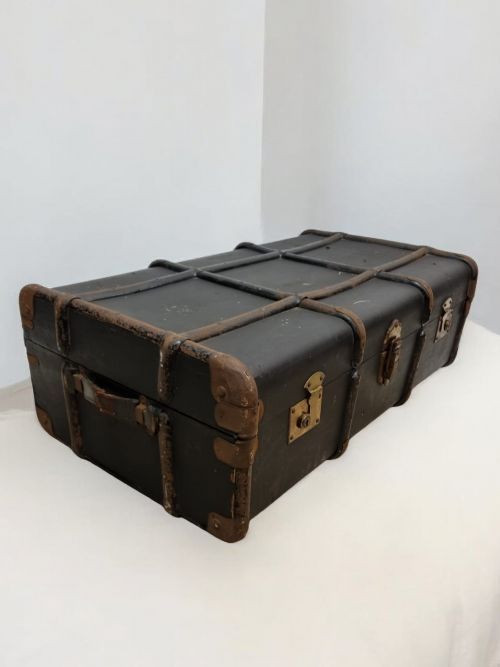
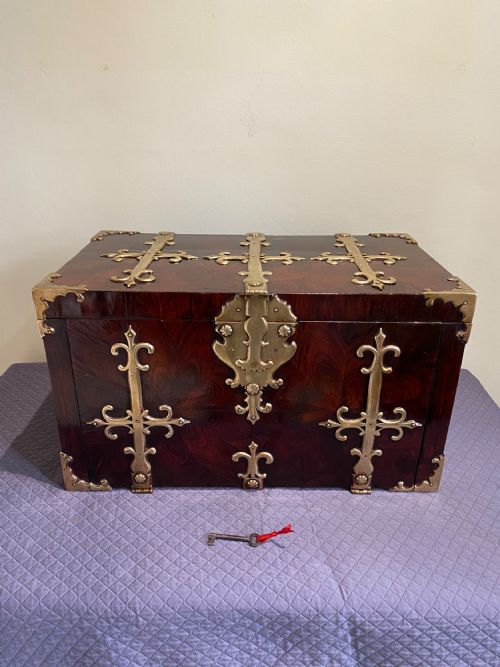
The most common variants on this page include mahogany, camphor wood, and rosewood forms featuring corner brass plates, strapping, and flush-fitting handles derived from campaign furniture. These items reflect an era when portable furnishings required resilient metal reinforcement.
Makers utilised dense hardwoods such as mahogany and teak to withstand the rigours of transit, anchoring the construction with durable brass banding. Collectors encounter these objects in both traditional table configurations and adapted box formats.
Materials and construction
Makers constructed these pieces using dense woods like mahogany, camphor wood, and rosewood, selected for stability and resistance to warping. Timber surfaces receive precise corner jointing and protective metal reinforcements.
Brass banding and strapping are secured with flush screws or pins, reinforcing vulnerable edges and joints against heavy use. This method unites utilitarian strength with decorative metal contrast against dark hardwoods.
Brass Bound Table Retail Price Guide 2026
Typical asking prices for brass bound table among the pieces listed under this phrase on Sellingantiques today, from the lower quarter to the upper quarter. They describe what is for sale here now, not the wider market.
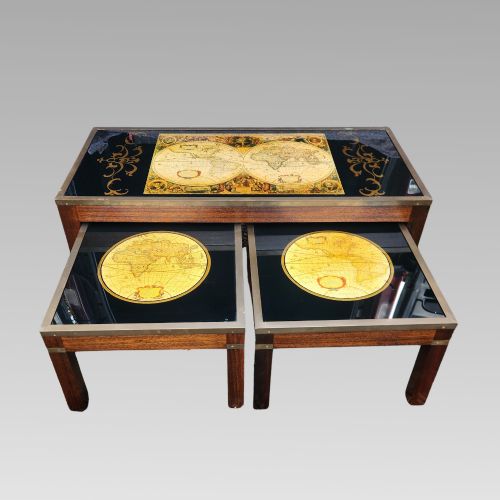
Listings feature pieces spanning from the 17th century through to the 1930s, utilising camphor wood, mahogany, glass, and brass.
Assessing quality and craftsmanship
Quality rests in the precision of the metal inlay and the weight of the timber used in the primary structure. Superior examples display hand-cut brass corners that sit entirely flush with the polished wood surface.
The integrity of the original hardware, including recessed handles and functional locks, dictates the overall standard of the piece. Well-preserved patination on both the timber and the brass indicates careful preservation over centuries.
H Mitchell·C Roberson And Co Ltd·Thomas Gammage
The Brass Bound Table Glossary
- Campaign furniture
- Portable furnishings constructed for military officers and travellers, characterised by folding elements and protective brass fittings. These items were built to dismantle or endure frequent transit.
- Cellarette
- A lockable container or table designed to hold bottles of wine and spirits securely. They frequently feature lead linings and robust brass banding.
- Camphor wood
- An aromatic hardwood native to Asia, utilised extensively for trunks and chests due to its insect-repellent properties. It provides a stable, fragrant base for brass reinforcement.
- Wine cooler
- A freestanding vessel or table fitted to chill wine during dining services. Eighteenth and nineteenth-century examples often incorporate timber staves and brass hoops.
- Occasional table
- A small, movable table utilised for specific domestic tasks or decorative display. These pieces range from simple stands to elaborate mahogany and rosewood designs.
Brass Bound Table: Frequently Asked Questions
What is a brass bound table?
A brass bound table is a piece of furniture reinforced with metal banding along its edges and corners. These additions originally served to protect utilitarian items during travel.
Over time, cabinetmakers adopted the style for domestic tables, combining functional durability with decorative appeal across Georgian and Victorian eras.
How do I date a brass bound table?
Dating relies on examining the timber species, construction methods, and the style of the brass hardware. Georgian and Regency pieces typically feature hand-cut brass screws and dense mahogany.
Later Victorian interpretations often incorporate walnut or camphor wood alongside machine-produced fixings and distinct campaign styling.
Where were these tables used?
Many examples originated as military campaign equipment designed for officers on active service overseas. The brass strapping allowed trunks and portable desks to withstand rough handling.
Domestic iterations later found places in nineteenth-century drawing rooms, libraries, and dining spaces as serving tables or cellarettes.
How do I care for the wood and brass?
Maintaining these pieces requires treating the timber with suitable wax to preserve the natural grain and prevent drying. Avoid harsh chemical cleaners that might strip the original polish.
Brass elements benefit from gentle dusting and occasional light polishing if one prefers a bright finish, though many prefer to leave the aged patina untouched.