
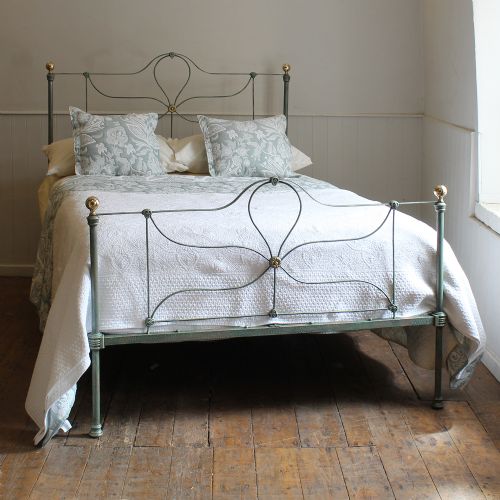
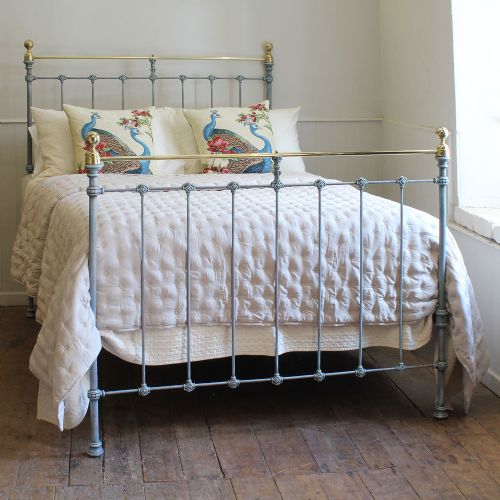
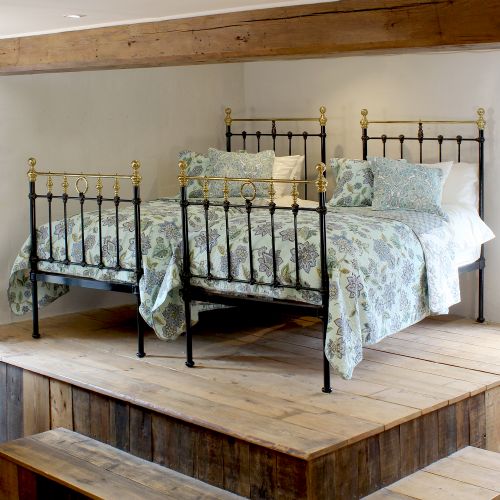
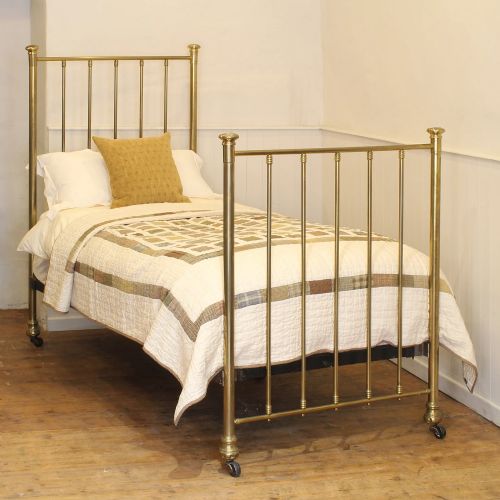
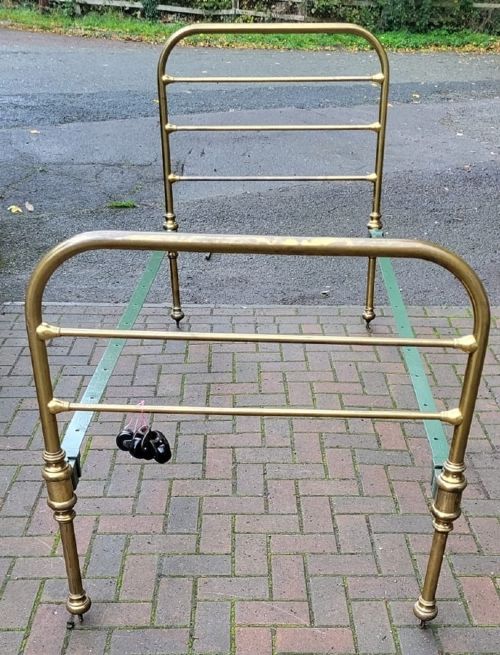

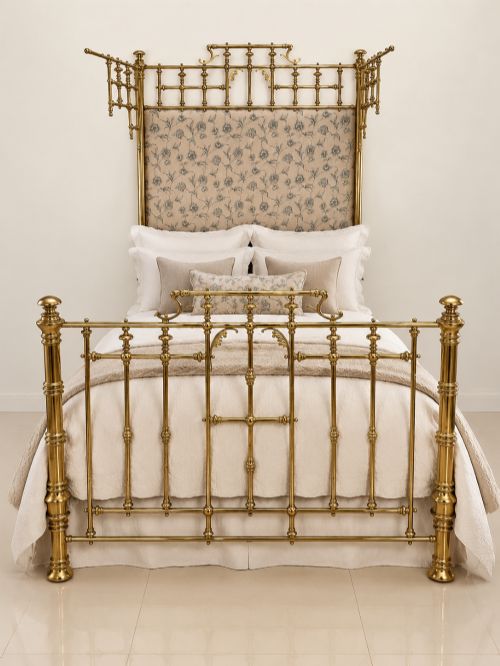
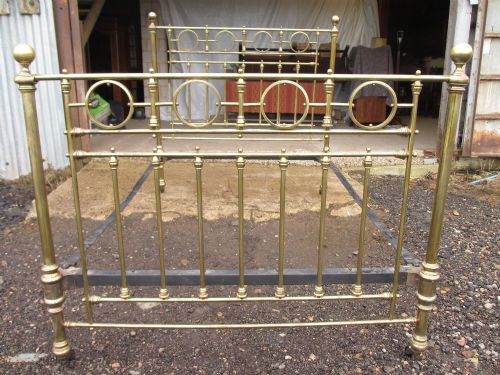
Brass Bedstead Frame
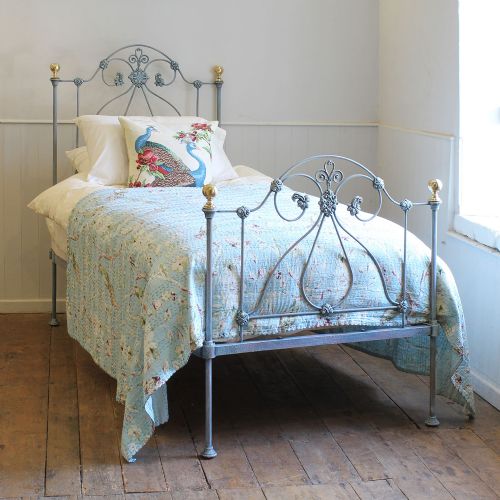
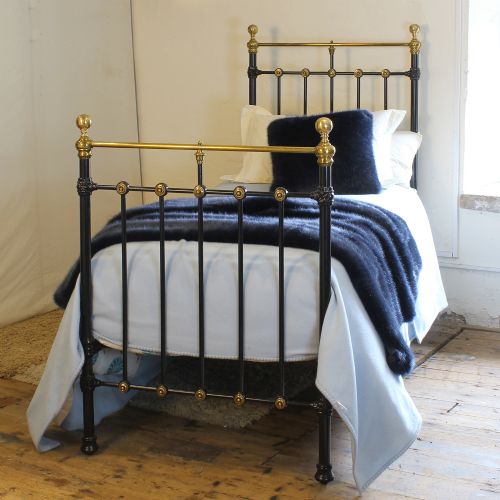
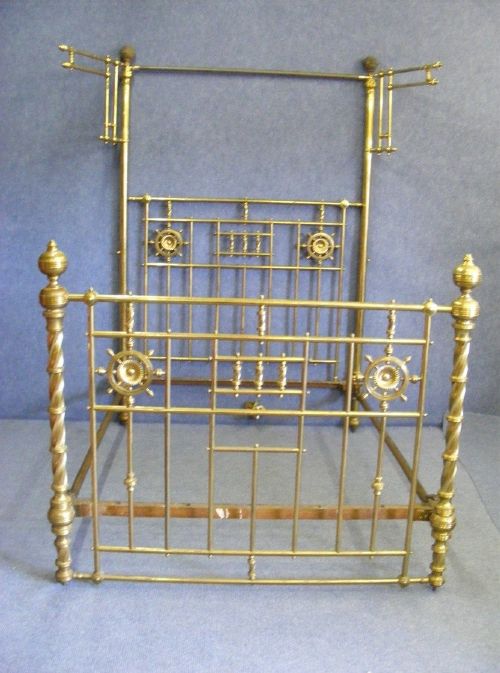
A brass bedstead frame brings structural weight and warm metallic tone to a bedroom, combining metal tubing with decorative castings.
Brass Bedstead Frame
When you search for a brass bedstead frame, you look at robust sleeping structures from the nineteenth and early twentieth centuries. These pieces combine metal frames with headboards and footboards designed to support a mattress base.
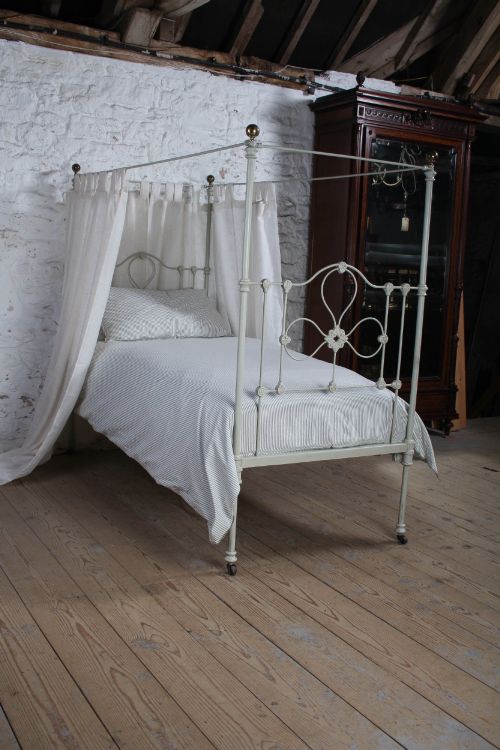
The most common examples on this page date from the Victorian and Edwardian eras. They appear in single, double, king, and super king sizes, often paired with iron rails or supporting half tester canopies.
Makers utilised brass alongside cast iron and wrought iron to construct frames that vary from simple single beds to ornate exhibition quality designs. Many retain their original slot in frames and castors for mobility.
How they were made
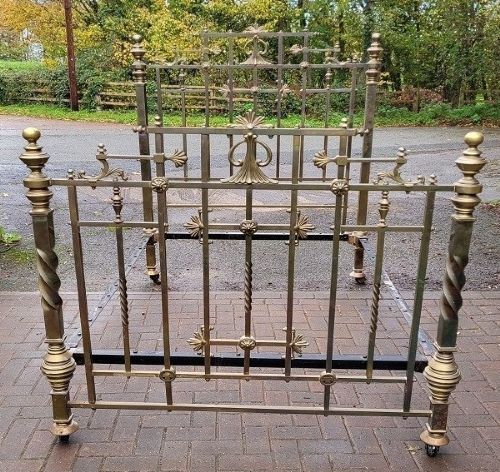
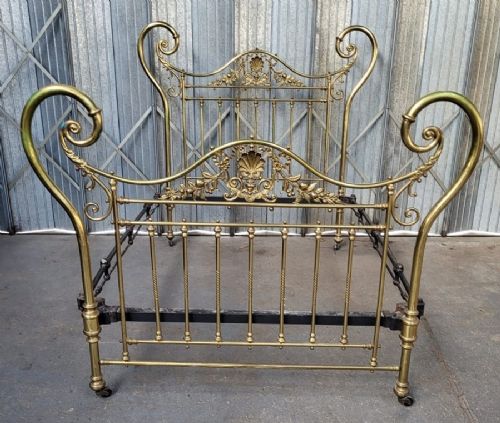
Manufacturers built these bedframes using heavy cast iron for structural rails and strength. Brass tubing and sheet brass formed the visible decorative elements, joined by detailed metal castings at the joints and corners.
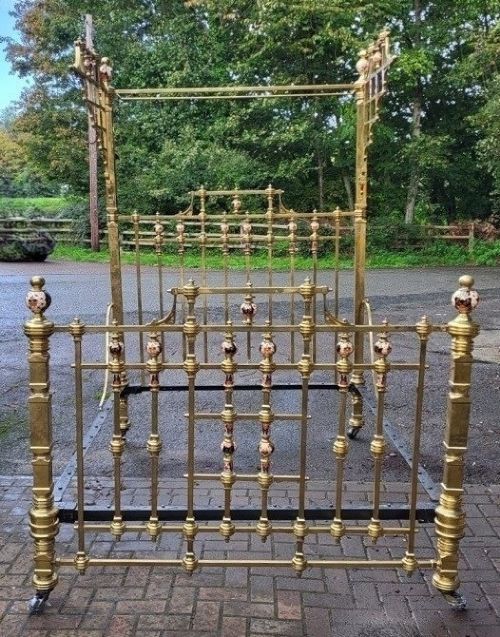
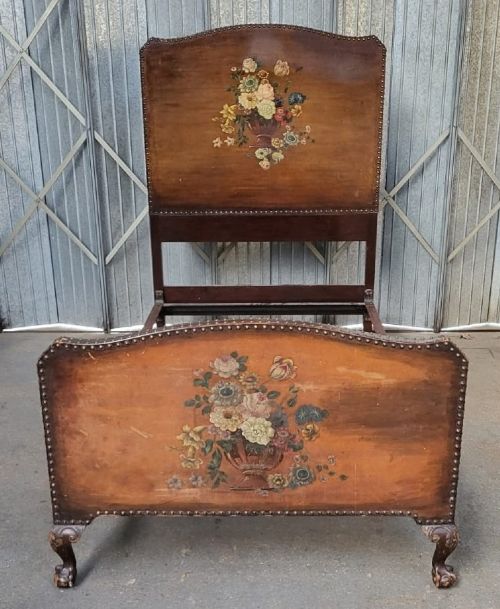
Makers incorporated ceramic elements, mother of pearl inlays, and leather details into the metal framework. Some examples featured hand painted finishes or Toleware alongside traditional metal lacquering.
Joints utilised secure slot in mechanisms that allowed the headboard, footboard, and side rails to dismantle easily. Castors were attached to the base legs for ease of movement across floor surfaces.
Listings feature brass and iron bedstead frames spanning the Victorian and Edwardian eras, incorporating materials like ceramic, timber, and mother of pearl.
What varies in quality
The distinction between standard production items and exhibition quality pieces lies in the crispness of the castings and the weight of the brass. Finer examples display intricate detailing on the corner mounts and substantial metal gauges.
Construction methods affect structural integrity, with superior frames offering rigid slot in iron side rails that prevent lateral movement. The presence of original makers marks indicates higher workshop standards.
Surface preservation separates well maintained frames from neglected ones. Original lacquered or polished brass finishes, intact ceramic components, and matching castors elevate the standing of a piece.
Maple & Co·Hoskins & Sewell·RW Winfield
The Brass Bedstead Frame Glossary
- Half tester
- A canopy that projects partway over the head of the bed from the wall or headboard. It often supported drapery to keep out draughts in older rooms.
- Castings
- Decorative metal components poured into moulds and fixed to the frame corners or joints. They provided both structural reinforcement and ornamentation.
- Dip rail
- A headboard or footboard rail curved downward in the centre. This style appeared frequently on Edwardian frames.
- Toleware
- Painted metalware decorated with enamelled designs. It occasionally appeared on continental bedstead frames.
- Castor
- A small wheel mounted on a swivel attached to the base of the legs. This allowed heavy iron and brass beds to be moved safely across wooden floors.
Brass Bedstead Frame: Frequently Asked Questions
Will a vintage brass bed fit modern mattresses?
Many nineteenth century frames measure in standard historical sizes like single, double, or king, but older widths can sometimes vary slightly from contemporary standards. It is advisable to check the exact internal dimensions of the side rails against your mattress size.
Modern slatted bases or supportive wooden bases can be placed within the iron side rails to accommodate contemporary mattresses. This ensures proper support while preserving the original frame structure.
How do you assemble an iron and brass bed?
These bedframes rely on a simple slot in system where the side rails wedge directly into slots on the headboard and footboard posts. Gravity and weight lock the joints firmly together without requiring screws or bolts.
Begin by standing the headboard and footboard upright, then slot the side rails into place before tightening any stabilising brackets. Having two people makes alignment easier and prevents scratching the metalwork.
How do you clean and polish antique brass?
Dust the brass regularly with a soft, dry cloth to prevent grit accumulation on the surface. Avoid harsh chemical polishes that can strip away aged patination or protective historical lacquers.
If cleaning is necessary, use a mild soapy solution on a damp cloth and dry the metal immediately. Unlacquered brass may be gently buffed with a dedicated metal cleaner if a brighter finish is preferred.
How do I distinguish Victorian from Edwardian frames?
Victorian frames often display heavier ornamentation, gothic revival motifs, or bold brass half tester canopies. The proportions tend to be robust with deep castings and substantial iron rails.
Edwardian designs usually present lighter visual styling, such as dip rails or simpler painted and leather accents. The aesthetic shifted towards cleaner lines and less cluttered decorative elements by the turn of the century.