






Brass Bedside Candlestick
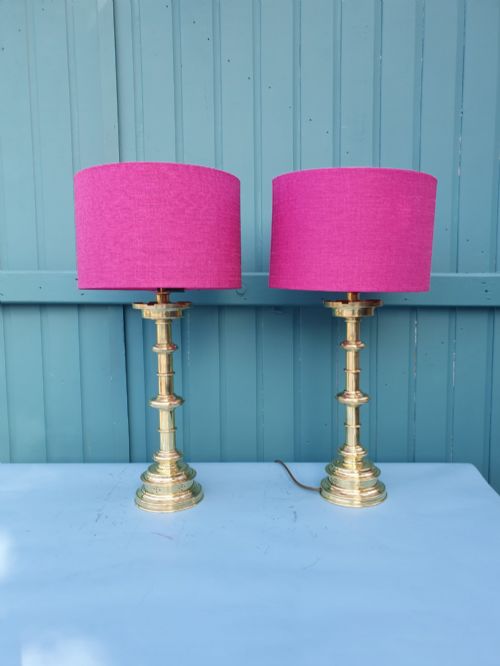
A brass bedside candlestick brings heavy metal gleam and low-lit warmth to a room, offering the practical utility of a lamp alongside period character.
Brass Bedside Candlestick
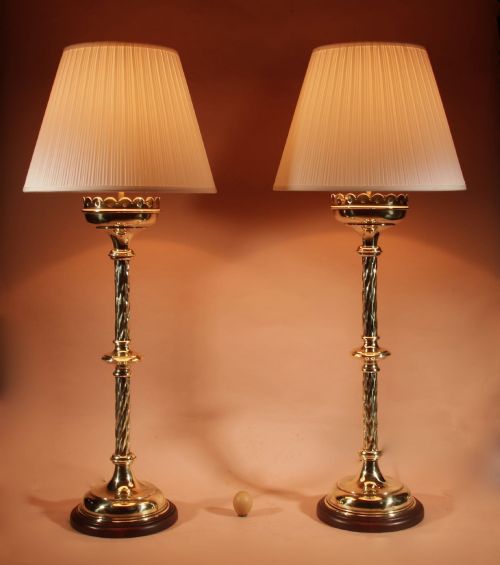
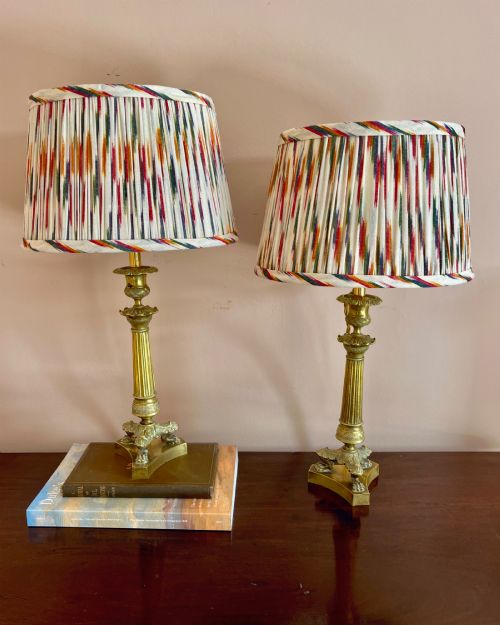
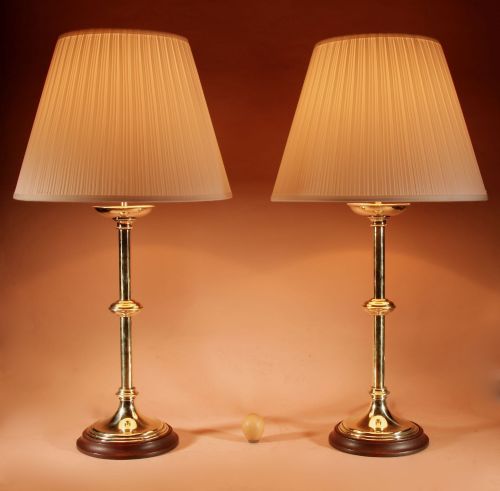
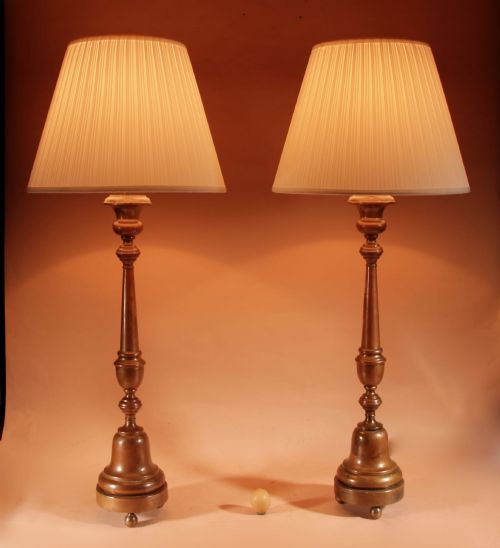
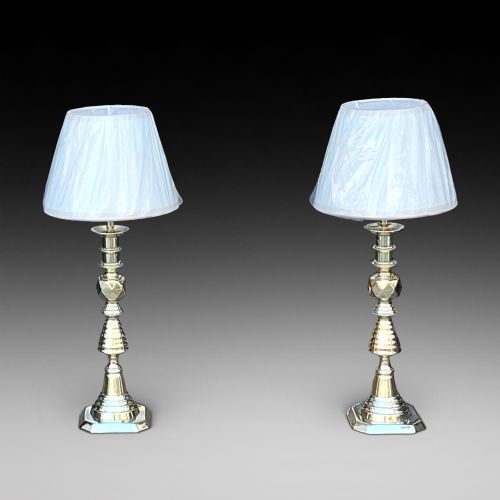
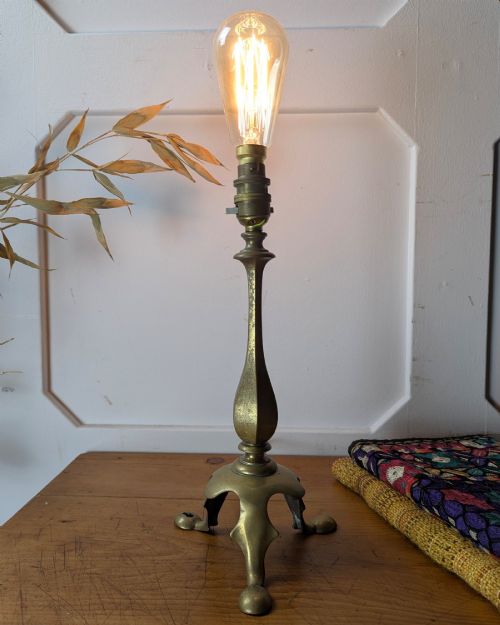
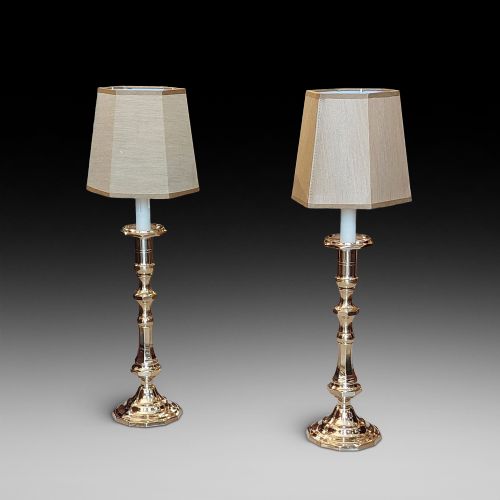
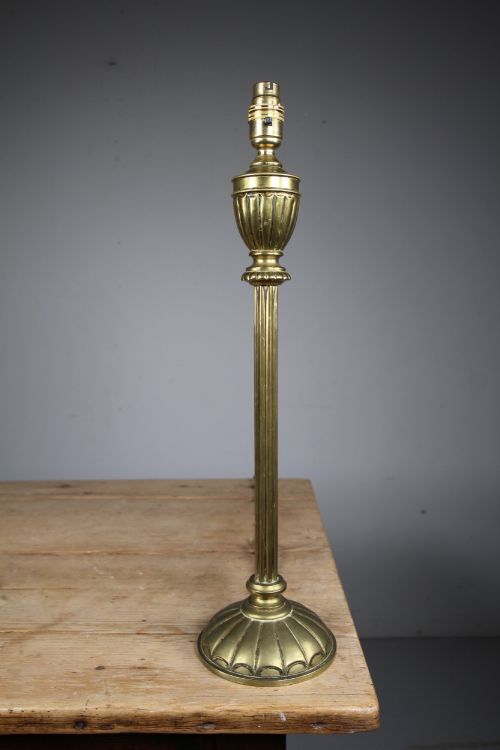
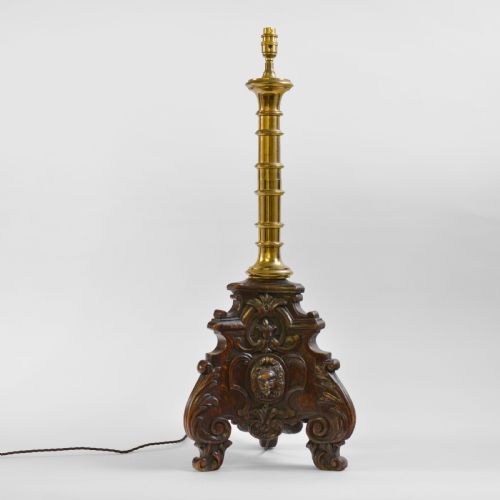
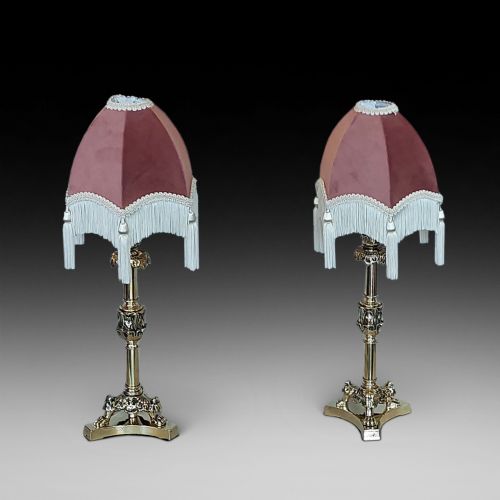
A brass bedside candlestick sits within a broad family of lighting that includes standard candlesticks, chambersticks, and small table lamps fashioned from metal. When searching for a brass bedside candlestick, buyers encounter items ranging from traditional Georgian and Regency designs to Victorian and Edwardian examples, alongside pieces adapted for electricity. Many listings feature conversions where older candle holders or chambersticks now house electrical fittings for modern use.
The materials span standard brass, solid brass, gilt bronze, ormolu, and patinated bronze, sometimes paired with fabric or silk shades. Forms vary from simple baluster shapes and barley twist stems to hexagonal balusters and column styles. Pieces originating from France, England, and Kashmir demonstrate how diverse regional workshops interpreted the form across the nineteenth and early twentieth centuries.
How they were made
The construction relies heavily on metalworking techniques such as casting and turning brass or bronze. Foundries poured molten metal into moulds to create heavy bases, columns, and decorative mounts, which were then lathed, polished, or chased to sharpen the surface details.
Many survivors show evidence of later adaptation, where the original socket for wax candles was drilled or fitted to accommodate wiring and lamp holders. Gilding, ormolu accents, and applied patination were utilised to enhance the finish of finer bronze and brass bodies.
Brass Bedside Candlestick Retail Price Guide 2026
Typical asking prices for brass bedside candlestick among the pieces listed under this phrase on Sellingantiques today, from the lower quarter to the upper quarter. They describe what is for sale here now, not the wider market.
Listings feature brass, bronze, and ormolu pieces spanning the nineteenth and early twentieth centuries, including chambersticks and column lamps.
What varies in quality
The weight and solidity of the metal foundation dictate much of the quality, separating thin modern reproductions or lightweight pressings from substantial cast brass and bronze pieces. Heavier castings hold crisp details in columns, drip pans, and bases without the softness seen in worn secondary moulds.
Finishing work and the integrity of any surface treatment also divide standard items from finer examples. Hand-chased detailing, well-preserved ormolu highlights, and clean integration of electrical conversions indicate superior craftsmanship from the outset.
The Brass Bedside Candlestick Glossary
- Chamberstick
- A short candlestick fitted with a wide drip pan and a loop handle, originally designed to be carried around a house at night. These low-slung holders frequently appear converted into small bedside lamps.
- Ormolu
- Finely ground high-carat gold mercury-gilded onto a bronze object, creating a bright metallic lustre. This decorative surface treatment appears on French examples from the nineteenth century.
- Barley Twist
- A turning style resembling a spiral twist of barley sugar, carved or cast into the stem of a candlestick or lamp. The technique adds tactile movement to upright brass and wooden shafts.
- Baluster
- An architectural column shape with a swollen lower portion tapering upward, commonly used for the stems of table lamps and heavy candlesticks. Hexagonal variations feature six flat sides along this profile.
- Patinated Bronze
- Metal darkened or aged through chemical or natural oxidation to produce a deep, controlled surface tone. This finish highlights raised details while keeping recessed areas dark.
Brass Bedside Candlestick: Frequently Asked Questions
Can I use modern bulbs in a converted candlestick?
Most converted candlesticks accept standard modern SES or BC screw bulbs once rewired to current safety standards. Checking the internal lampholder size ensures the bulb fits the existing shade carrier.
Professional rewiring often updates old wiring while preserving the original brass stem and base components. This keeps the antique character intact without compromising daily electrical safety.
How do I clean antique brass safely?
Dusting with a dry microfiber cloth removes everyday particles without harming the surface metal or historic patination. Avoid harsh chemical polishes that strip away age and flatten the original texture of the casting.
If cleaning is necessary, warm soapy water and a soft brush clear away grime from tight crevices like barley twists or cast leaves. Dry the metal thoroughly immediately afterward to prevent spotting.
What is the difference between a candlestick and a chamberstick?
A standard candlestick stands upright on a weighted base, designed to stay stationary on a table, altar, or desk. It relies on gravity and a broad foot for stability.
A chamberstick incorporates a saucershaped tray beneath the nozzle and a loop handle for carrying by hand. This design caught dripping wax while moving through dark hallways before electric lighting.
Are these lamps safe to leave on a bedside table?
Solid brass and bronze provide a heavy, stable base that resists tipping over easily on a nightstand. Ensuring the electrical cord is untangled and clear of bedding keeps the setup secure.
Older pieces that have been rewired recently offer peace of mind regarding internal insulation. Qualified testing guarantees the wiring matches modern household standards.