


Brass Base Glass Lamp
A brass base glass lamp combines solid metal foundations with luminous glass reservoirs, offering both decorative presence and period charm.
Brass Base Glass Lamp
When you search for a brass base glass lamp, you encounter table lamps, oil lamps, and floor lamps spanning the Victorian era through the Art Deco period. These domestic light sources combine heavy metal foundations with glass reservoirs, shades, or stems.
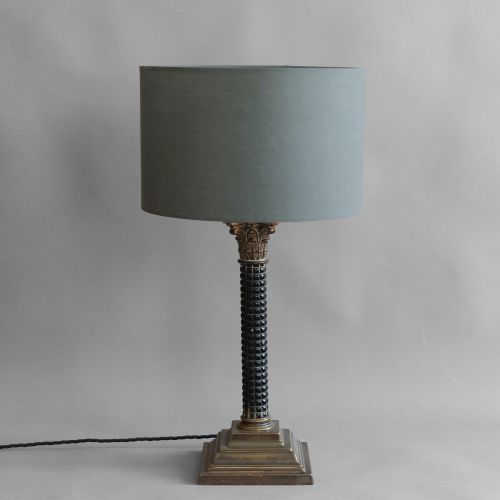
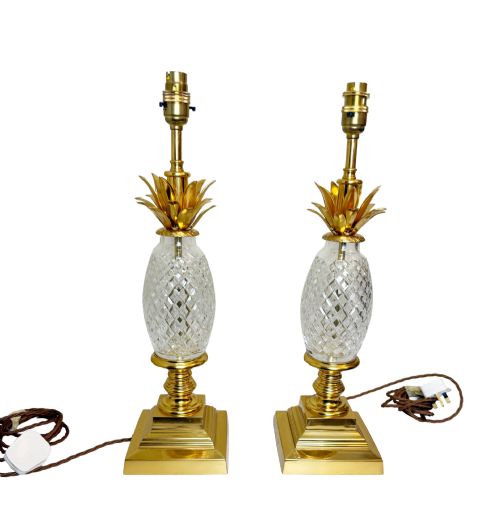
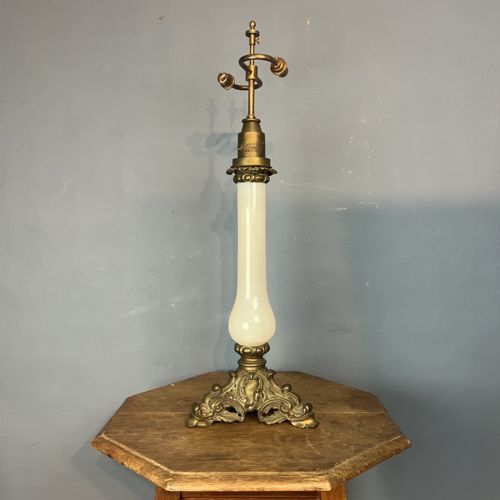
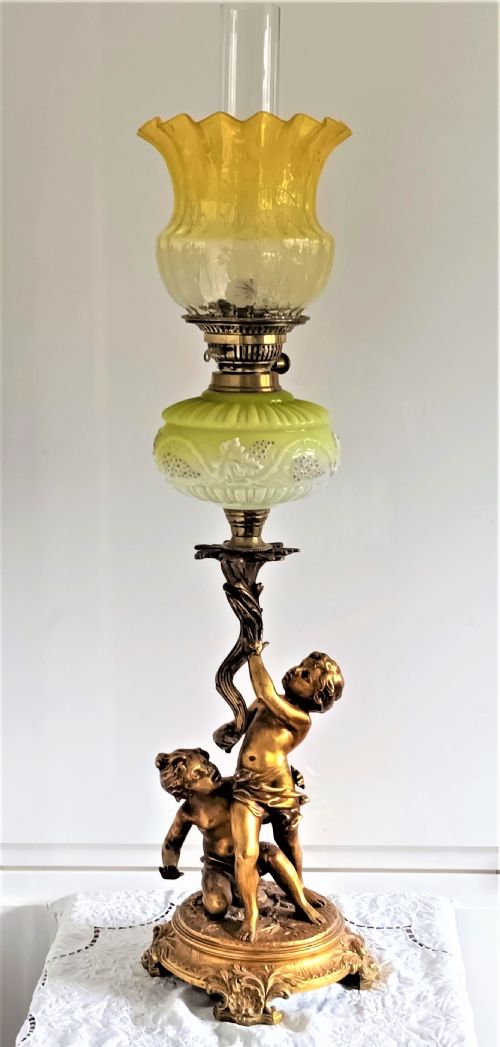
The most common versions on this page are Victorian and late nineteenth-century oil lamps featuring cast brass columns, Corinthian capitals, and coloured glass vessels. Examples range from simple domestic table pieces to substantial column lamps with opaline or cut glass fonts.
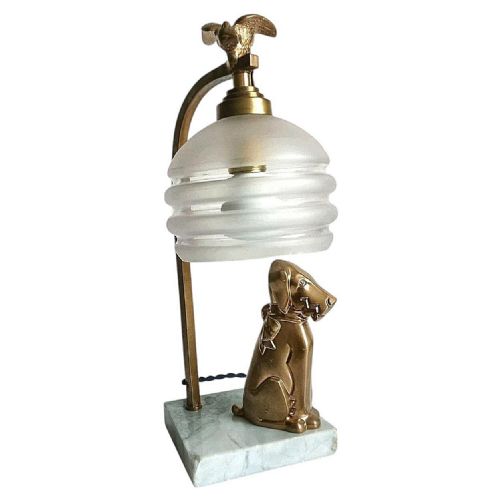
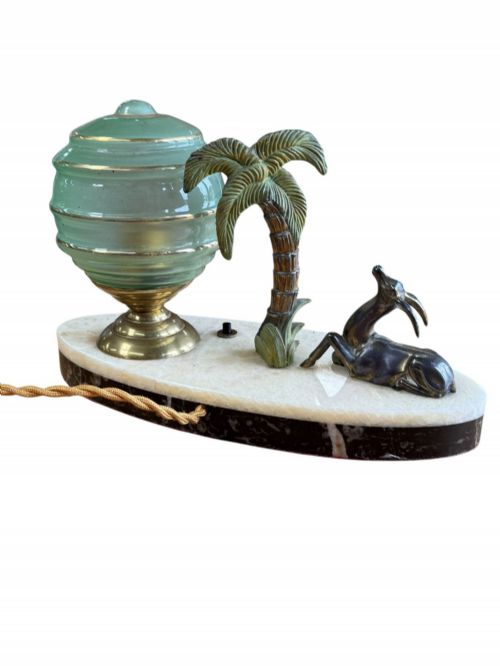
Later twentieth-century pieces shift towards Art Deco styles and early twentieth-century designs, incorporating marble bases, novel animal figures, and frosted or mottled glass shades.
How they were made
Maker utilise cast brass for the structural elements, forming heavy columns, stepped pedestals, and Corinthian capitals that provide a stable foundation for taller glass reservoirs. Gilding, silver plating, or patination finish the metal surfaces.
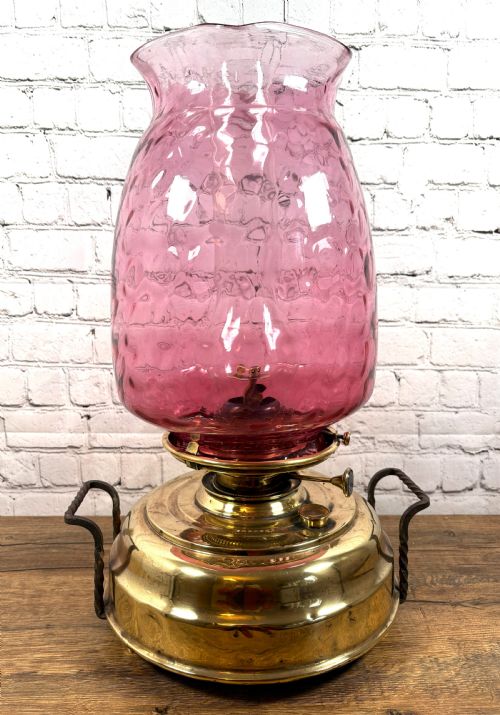
The glass components involve opaline, cranberry, cut crystal, and moulded glass, often blown or pressed into specific shapes such as fluted fonts, spherical shades, or twisted stems. Some vessels combine layered colours or enamel decoration upon the glass body.
Makers integrate these materials using threaded brass collars, ceramic connectors, and marble plinths, joining the metal foot securely to the glass vessel above.
What varies in quality
The weight and crispness of the brass casting separate standard production from superior output. Finer examples display sharply defined acanthus leaves on Corinthian capitals, substantial metal thickness, and precise joining between components.
Glass quality distinguishes the range through depth of colour, clarity of cut crystal, and uniformity in opaline or cranberry vessels. Superior glass elements show hand-finished polish and substantial thickness rather than thin, light moulding.
Proportion and scale dictate the visual success of the piece, where the balance between the brass base and the glass reservoir creates a harmonious silhouette.
Mc Gary·Joseph Hinks·Messenger and Co
The Brass Base Glass Lamp Glossary
- Opaline glass
- An opaque, milky glass popular in the nineteenth century, often tinted in soft pastel shades or bright white. It diffuses light gently and forms the body of many period oil lamp reservoirs.
- Corinthian capital
- The decorative top section of a column, modelled on classical architecture with ornate acanthus leaves. Many Victorian brass lamp columns adopt this architectural detail.
- Peg lamp
- A small oil lamp fitted with a tapered metal or glass peg at its base that drops directly into a separate candlestick or standard. This allows the oil container to sit atop an existing metal support.
- Cranberry glass
- A rich red-pink transparent glass created by adding gold chloride to the molten batch. It appears frequently in Victorian lamp shades and reservoirs.
- Photophore
- A glass shade or candleholder designed to protect a flame from drafts. Nineteenth-century examples often combine gilt-brass stands with coloured glass cylinders.
Brass Base Glass Lamp: Frequently Asked Questions
How do I date a brass and glass lamp?
Dating relies on combining the style of the brass casting with the type of glass used. Victorian pieces often feature heavy Corinthian columns and opaline or cranberry fonts, while later twentieth-century examples lean towards Art Deco geometric lines and marble plinths.
Examining construction methods, burner mechanisms, and any stamped maker marks on the metal collar provides further chronological markers.
Were these lamps originally electric?
Most of these pieces began life as oil lamps or fluid burners during the nineteenth and early twentieth centuries. They were subsequently converted to electricity during later rewiring, often retaining their original brass reservoirs and columns.
Some later twentieth-century examples were manufactured specifically as electric table or desk lamps from the outset.
How do I clean a vintage glass shade?
Cleaning requires removing the shade from the brass base and washing it gently in warm water with mild soap. Avoid harsh abrasives, especially on enamelled or frosted surfaces, to preserve the original finish.
Dry the glass thoroughly with a soft cloth before refitting it to the lamp collar.
Can I use modern bulbs in these lamps?
Modern low-wattage LED bulbs fit most converted lamps safely, provided the interior wiring has been checked by a qualified electrician. Ensure the bulb wattage matches the capacity of the vintage fittings and shade.
Consulting a professional electrician ensures the antique brass and glass structure accommodates contemporary wiring safely.