

Brass and Wood Clock
A brass and wood clock combines mechanical precision with cabinet-maker timber work, offering a tangible link to centuries of timekeeping.
Brass and Wood Clock
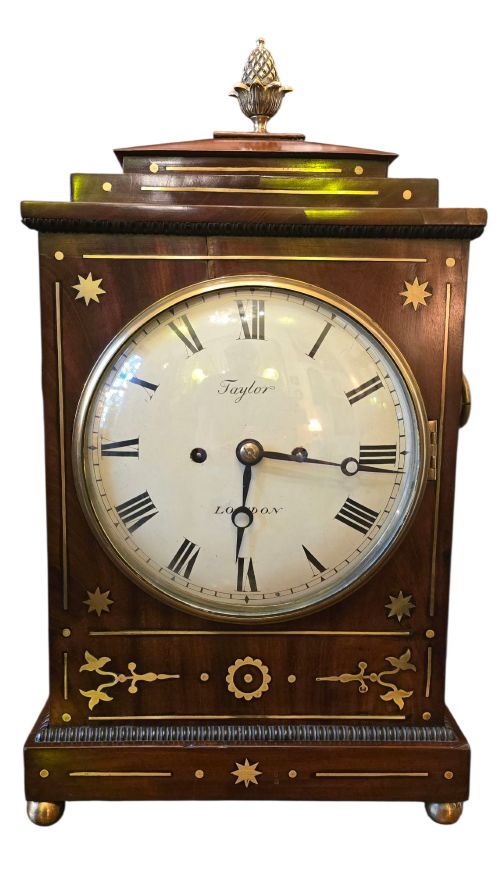
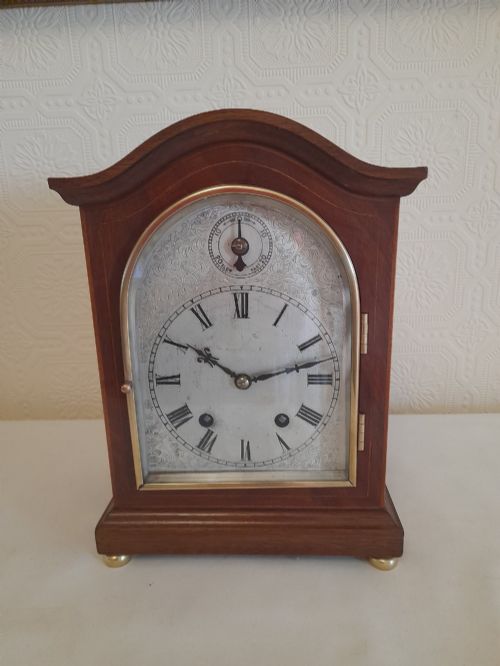
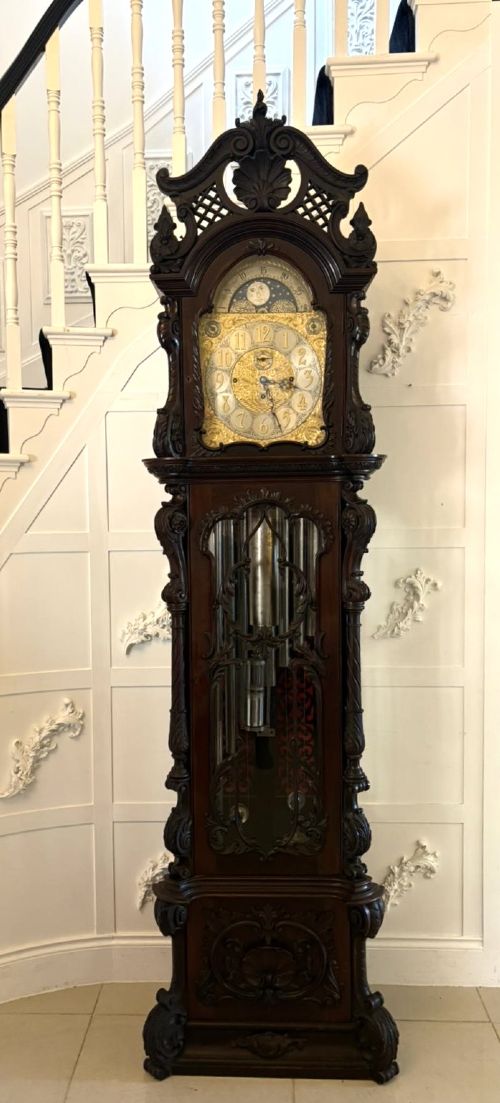
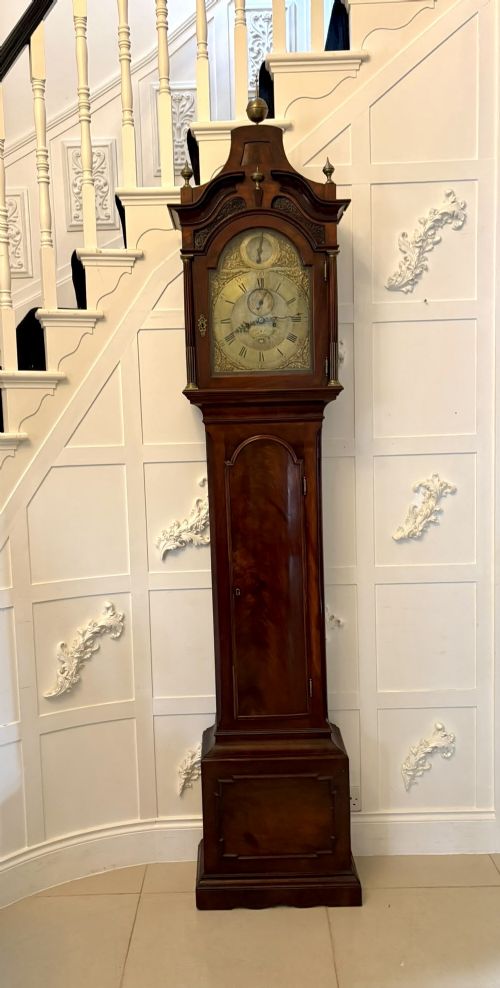
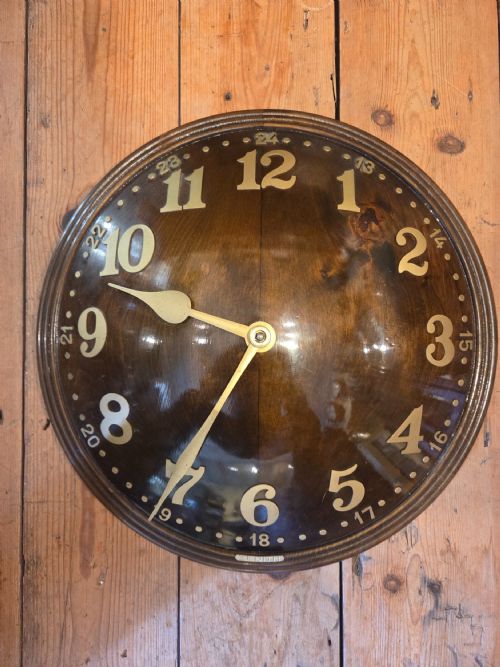
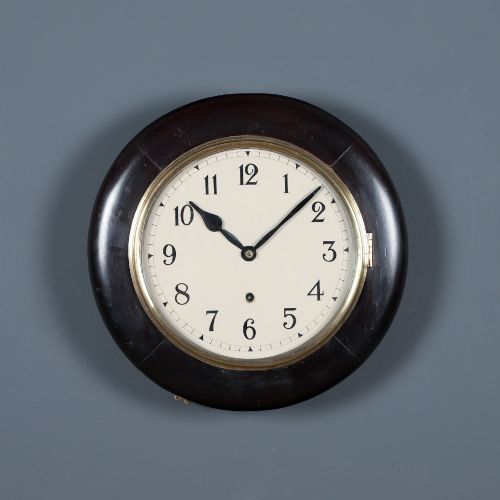
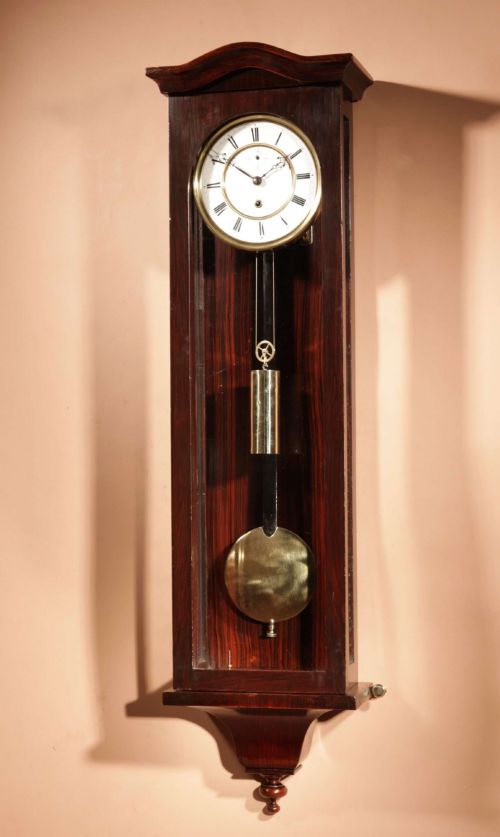
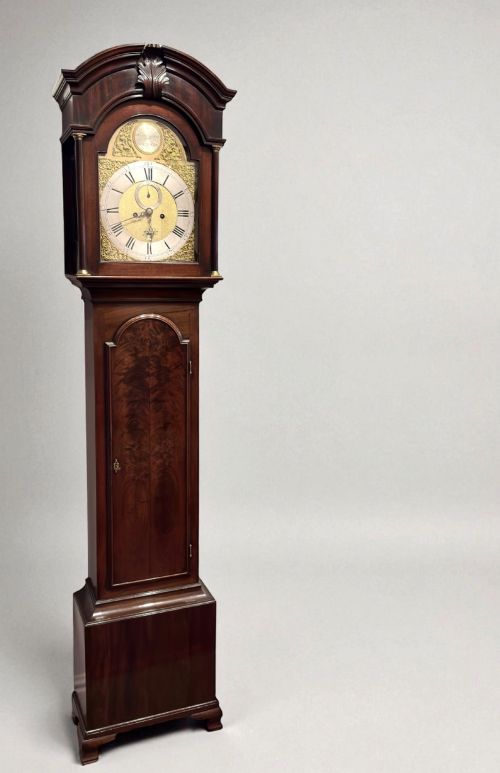
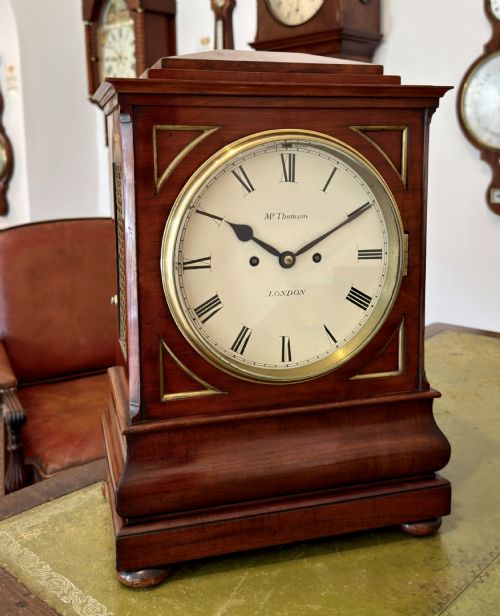
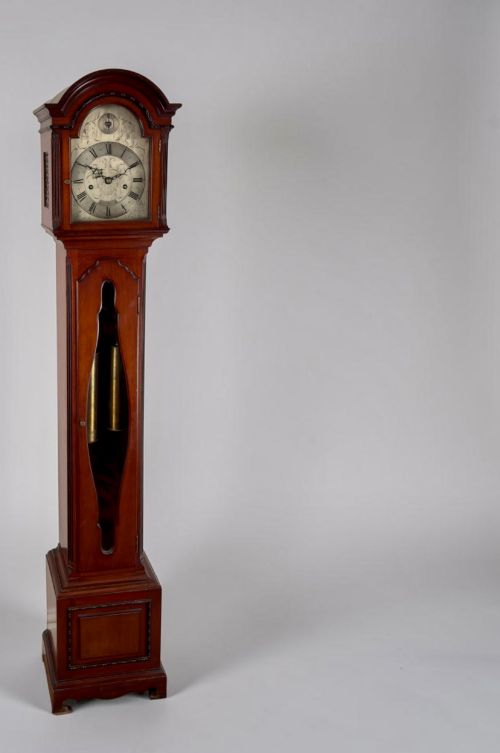
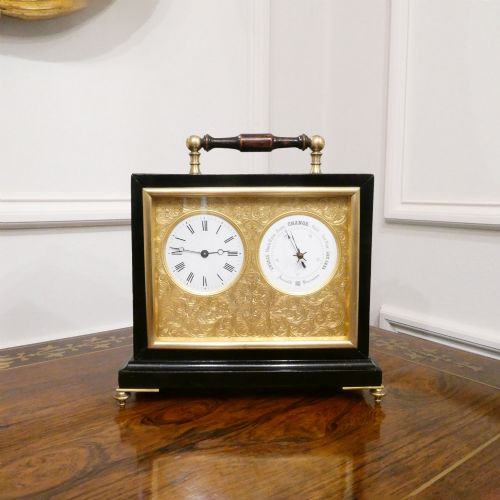
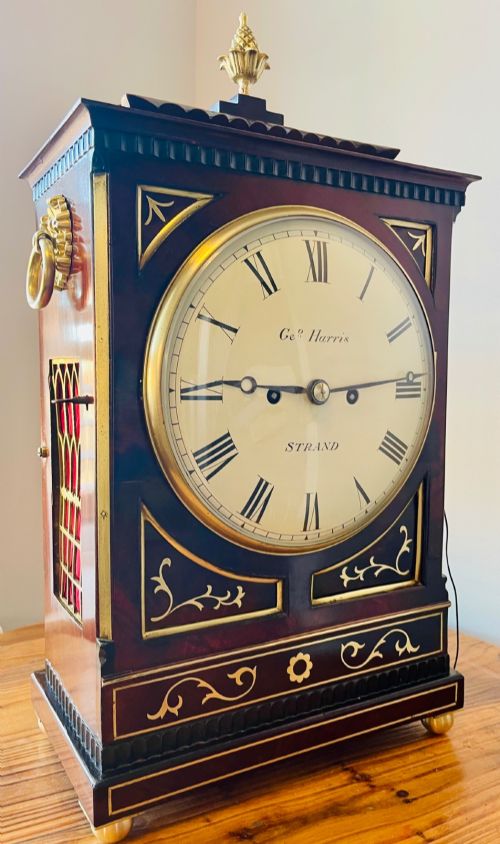
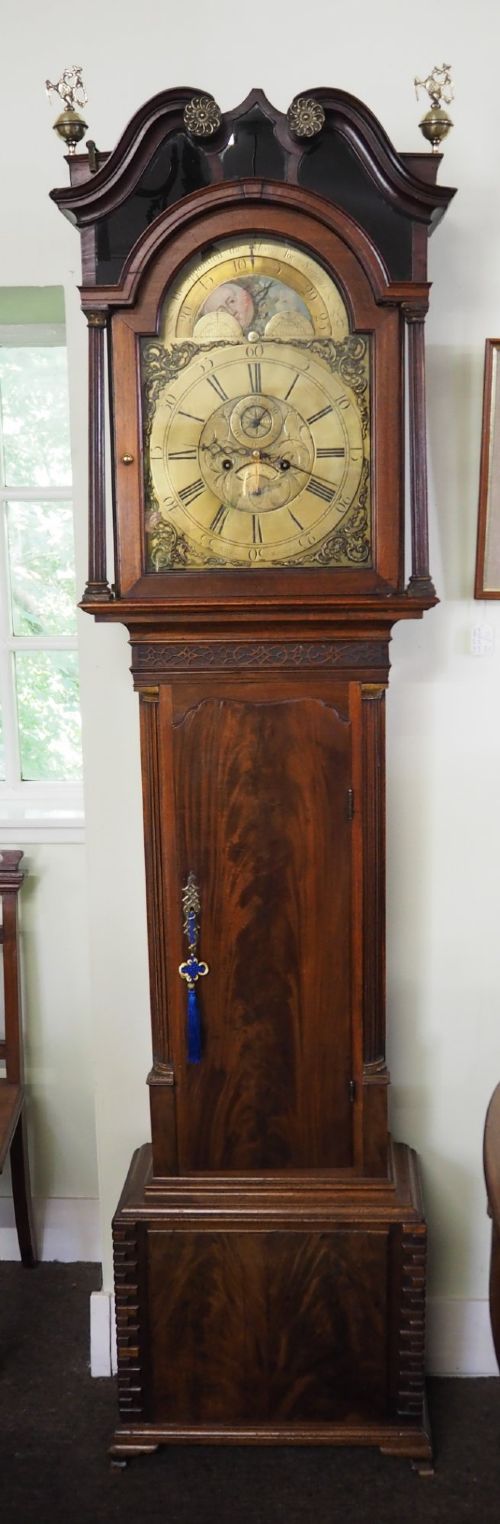
A brass and wood clock encompasses formats ranging from tall floor-standing longcase and grandmother pieces down to bracket, mantel, and wall variants. These objects function as domestic timekeepers housed in timber housings detailed with metal bezels, dials, and movements.
The material pairing of warm hardwoods with bright brass spans numerous centuries, with examples appearing across the Georgian, Victorian, Regency, and Edwardian eras. Buyers frequently encounter floor models alongside smaller shelf-standing and wall-mounted formats.
Makers ranged from provincial clockmakers to specialised London workshops, producing timepieces designed for domestic parlours, public spaces, and offices alike.
How they were made
Cases utilise dense hardwoods including mahogany, walnut, rosewood, oak, beech, and ebonised wood, often shaped with chamfered tops, curved dials, or delicate inlay work. These timber enclosures protect the brass gear trains, plates, and pendulum assemblies housed within.
Movements incorporate brass components paired with enamel or metal dials, relying on fusee mechanisms, spring drives, or heavy weights dropped down longcase trunks. Skilled hands fitted these intricate metal works directly into custom-built wooden chassis.
Listings feature mahogany, walnut, rosewood, oak, beech, and ebonised wood housings paired with brass components across multiple centuries.
What varies in quality
The refinement of the timber joinery and the selection of figured veneers establish the visual calibre of the exterior case. Superior examples display balanced proportions, crisp dial inscriptions, and finely cast brass bezels rather than plain or heavily altered housings.
Internal complexity dictates mechanical value, where multiple trains, chiming capabilities, and precision fusee movements separate basic timepieces from exhibition quality pieces.
Taylor of London·W & H·John Taylor London·Gordon of Aberdeen·Thomson of London·Gillett & Johnston of Croydon·James Field of Hempstead·Brockbanks & Atkins·George Clarke·Barnard·William Jourdain·Rickards Wotton Under Edge·Henry Harris·Barber & North of York·Priory of Dundee Scotland·Mappin & Webb
The Brass and Wood Clock Glossary
- Fusee
- A conical pulley used in spring-driven clocks to equalise the torque of the mainspring as it unwinds. This mechanism helps maintain steady timekeeping accuracy throughout the running cycle.
- Bracket clock
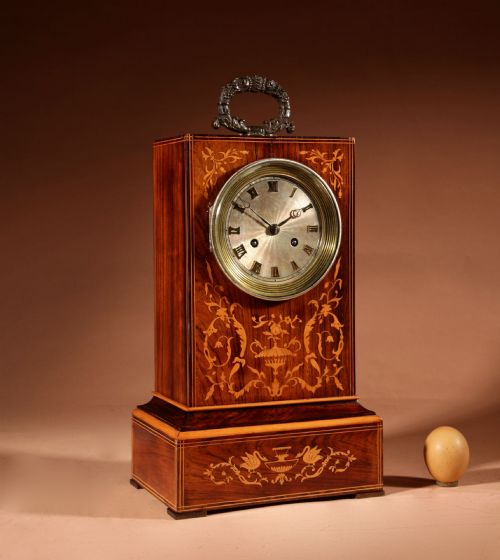
- A portable timekeeper originally designed to sit on a wall bracket or table surface. They frequently feature carrying handles and striking mechanisms.
- Longcase clock
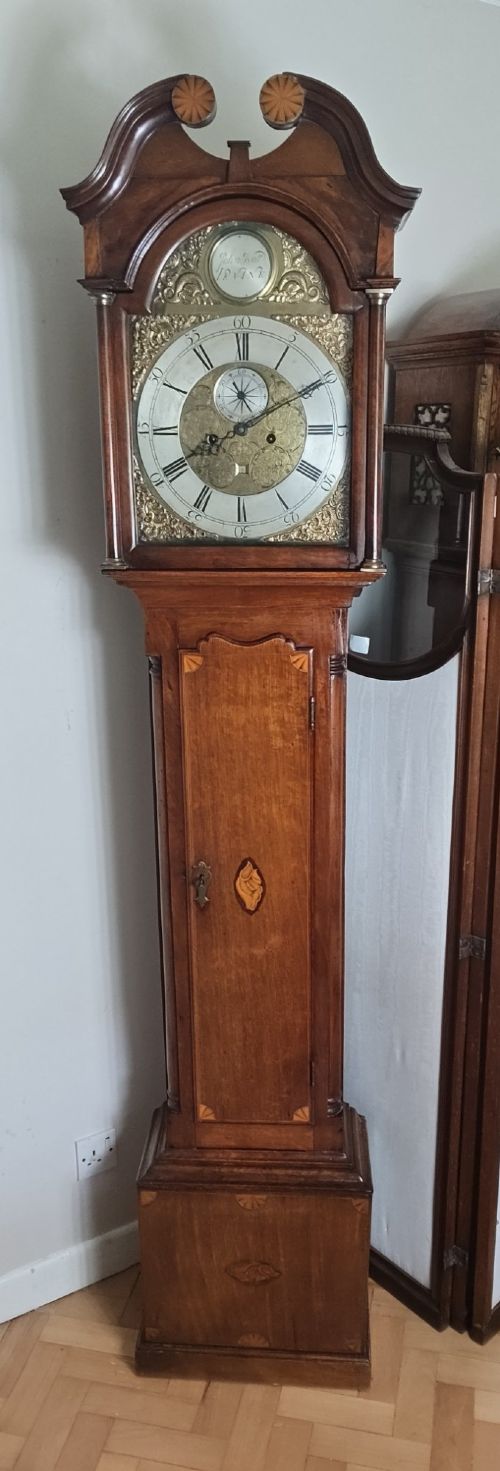
- A tall pendulum clock enclosed in a wooden case consisting of a trunk and a hood, often referred to as a grandfather clock. Smaller versions are known as grandmother clocks.
- Dial clock
- A wall-mounted timepiece featuring a prominent circular face protected by a glass and brass bezel. These were common in public buildings, stations, and schools.
- Verge movement
- An early type of escapement mechanism that controls the release of gear trains in antique timepieces. It operates with a crown wheel and a swinging pallet.
Brass and Wood Clock: Frequently Asked Questions
What is a longcase clock?
A longcase clock is a tall floor-standing timekeeper that houses a pendulum and weight-driven movement inside a protective wooden trunk. They were produced extensively through the eighteenth and nineteenth centuries.
These pieces served as the primary timekeeping anchor in domestic homes, often featuring striking trains to chime the hours across the household.
How do fusee movements work?
A fusee movement uses a specially shaped conical pulley connected to the mainspring by a fine chain or cord. As the spring loses tension, the chain pulls on a wider section of the cone to maintain even power delivery.
This clever mechanical arrangement ensures the clock maintains consistent timekeeping accuracy as the power winds down between sessions.
Where were bracket clocks placed?
Bracket clocks earned their name from the wooden wall brackets upon which they originally rested, though owners frequently placed them directly onto tables or mantelpieces. Their portable nature allowed relocation between rooms.
Many incorporate sturdy brass carrying handles on top to facilitate safe movement around the home without disrupting the delicate internal pendulum or balance.
How do I identify an Edwardian clock?
Edwardian timepieces date from the early twentieth century and often exhibit refined mahogany cases, sometimes featuring subtle inlay work or simpler architectural lines. They bridge late Victorian heavier forms and later twentieth-century styles.
Examining the dial style, timber finish, and internal movement signatures helps distinguish these pieces from earlier Georgian and Regency examples.