





Brass and Tortoiseshell Desk
A brass and tortoiseshell desk combines intricate metallic inlay with rich mottled shell, offering a striking centrepiece for formal writing spaces.
Brass and Tortoiseshell Desk
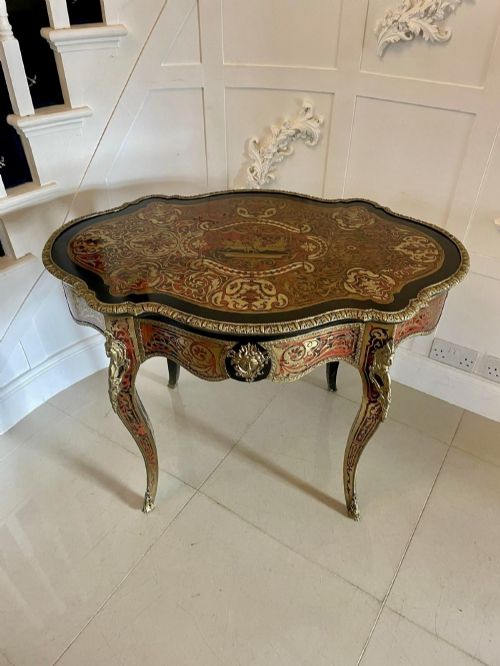
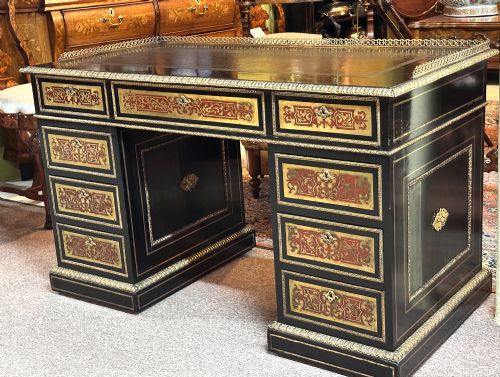
A brass and tortoiseshell desk encompasses elaborate writing tables, bureau plats, and smaller accessories such as desk stands and writing boxes created during the nineteenth century. These objects frequently display French Napoleon III, Louis XV, or Rococo revival styles, reflecting a deep historical appreciation for ornate craftsmanship.
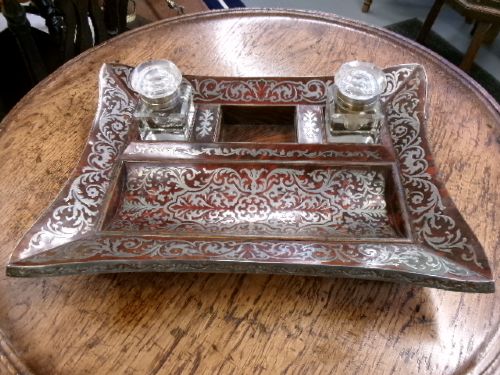
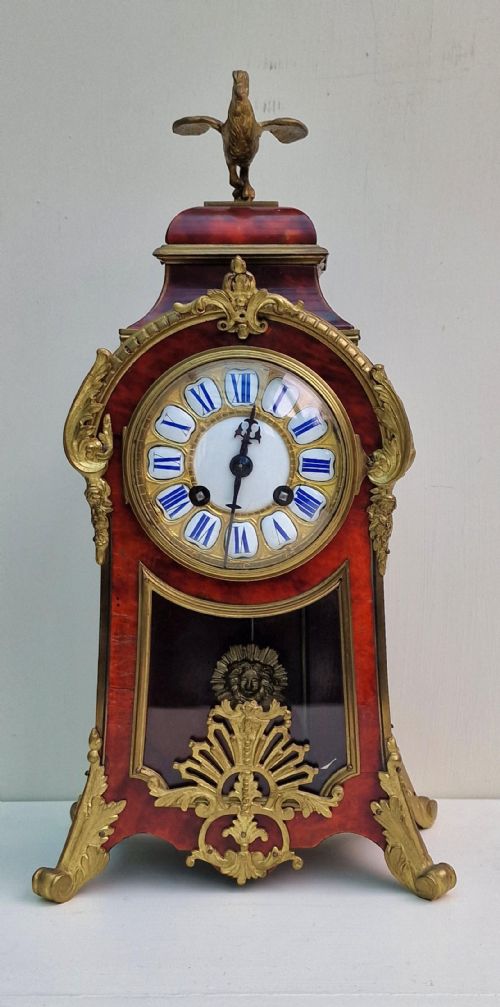
Buyers will most commonly encounter nineteenth-century French centre tables and writing desks decorated with distinctive boulle work. Alongside these larger furniture forms, the selection includes related tortoiseshell items like mantel clocks, inkstands, and lap desks derived from the same decorative tradition.
What varies in quality
The precision of the metal inlay dictates the overall calibre of the piece, with superior examples exhibiting seamless junctions between the brass and the tortoiseshell. Lesser pieces display wider gaps where adhesive or filler was necessary to bridge the materials.
The crispness of the ormolu mounts and the depth of the chasing separate standard production from exceptional workshop output. Finer desks also retain undamaged shell veneers without extensive modern patching.
Brass and Tortoiseshell Desk Retail Price Guide 2026
Typical asking prices for brass and tortoiseshell desk among the pieces listed under this phrase on Sellingantiques today, from the lower quarter to the upper quarter. They describe what is for sale here now, not the wider market.
Listings feature nineteenth-century French and English writing forms, including bureau plats, bonheur du jours, and portable lap desks.
William Hardy London·Asprey London
The Brass and Tortoiseshell Desk Glossary
- Boulle work
- A method of marquetry using contrasting panels of brass and tortoiseshell cut simultaneously from stacked sheets. This decorative technique takes its name from André-Charles Boulle, cabinetmaker to Louis XIV.
- Bureau plat
- A flat-topped writing table, usually freestanding, featuring multiple drawers across the frieze. These tables originated in France and often display elaborate gilt-bronze mounts.
- Ormolu
- Gilded bronze used extensively for decorative mounts on furniture and clocks during the eighteenth and nineteenth centuries. The alloy of copper, zinc, and tin receives a layer of gold amalgam through fire-gilding.
- Bonheur du jour
- A small, light ladies' writing desk featuring a small cabinet or set of drawers on the upper surface. These delicate pieces became popular during the nineteenth-century revival periods.
- Fusee
- A conical pulley used within clock movements to maintain an even tension on the drive chain as the mainspring unwinds. This mechanism ensures more consistent timekeeping.
Brass and Tortoiseshell Desk: Frequently Asked Questions
How do I date a boulle desk?
Dating relies heavily on examining the secondary timbers used in the carcase, the construction methods of the drawers, and the specific style of the brass engraving. Nineteenth-century interpretations of earlier French reigns often incorporate machine-cut elements or distinct framing techniques.
Comparing the hardware and the formulation of the ebonised wood provides further clues to the decade of manufacture. Archive records and stylistic traits typical of the Victorian era help narrow down the exact period.
What is contre-partie boulle?
Contre-partie reverses the standard marquetry formula, featuring a brass background where the intricate design appears in tortoiseshell rather than metal. This variation created a lighter visual effect often utilised on complementary furniture pairs within a room.
Workshop inventories frequently produced both premier-partie and contre-partie versions of the same desk pattern to satisfy contemporary tastes for contrasting surface textures.
How do I care for tortoiseshell?
Tortoiseshell requires protection from direct sunlight and extreme fluctuations in humidity to prevent the material from warping or cracking. Maintaining a stable indoor environment preserves the natural oils within the organic shell.
Cleaning should be limited to gentle dusting with a soft, dry cloth, avoiding harsh chemical polishes that can damage both the shell and the adjacent brass inlay.
Where were these desks placed?
These decorative desks were typically positioned in principal reception rooms or private studies where their elaborate surfaces could be fully appreciated. Because many feature finished backs, they were often floated in the centre of a room rather than pushed against a wall.
Matching centre tables and mantel clocks frequently accompanied the desks to create a cohesive decorative scheme within Victorian and Napoleon III interiors.