



Brass and Iron Table
A brass and iron table brings together sturdy metal frames and gleaming trim, offering a practical surface with industrial character.
Brass and Iron Table
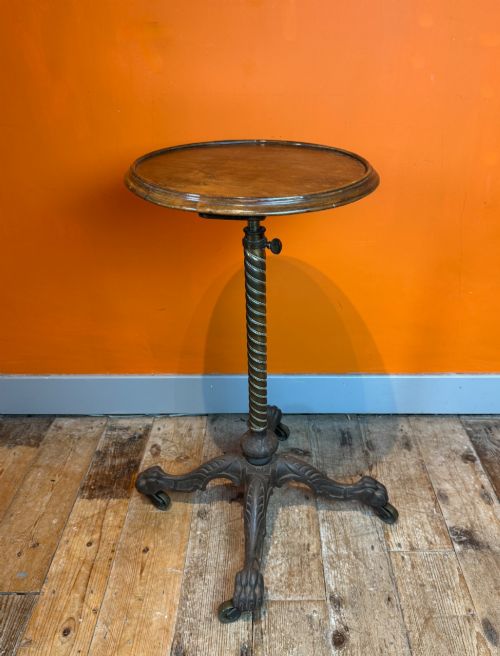
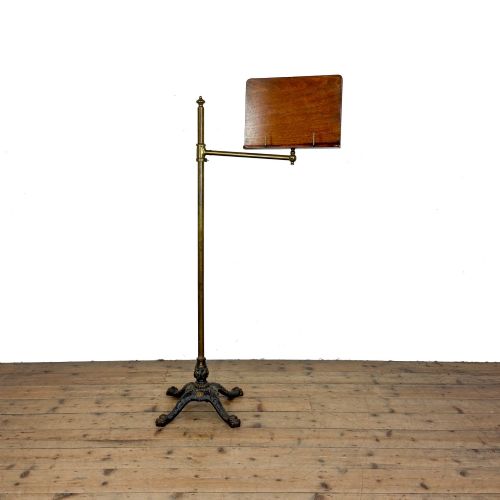
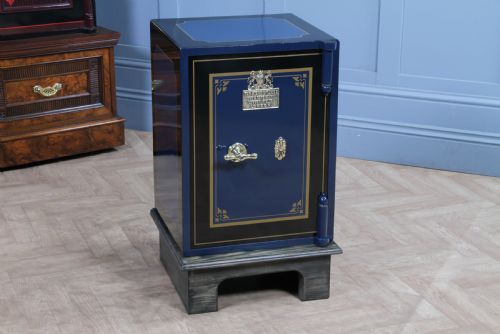
A brass and iron table combines industrial metal foundations with polished brass accents to create a functional surface. The selection spans French bistro pieces, console tables, and coffee tables originating from the nineteenth and early twentieth centuries.
Buyers will encounter utility forms alongside decorative items, including display stands and marble-topped variants. These pieces suit domestic spaces seeking a blend of utilitarian strength and metallic detail.
Construction and materials
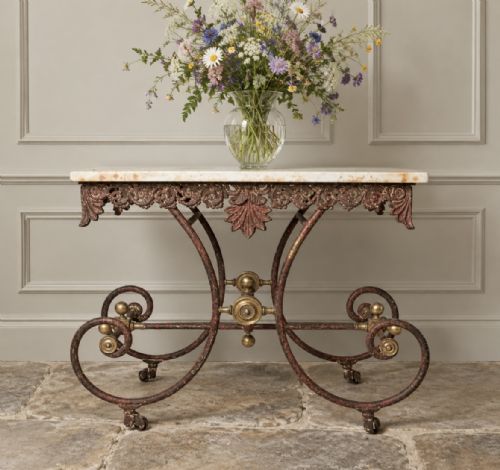
The primary structure relies on cast iron or wrought iron, providing a heavy and stable base for everyday use. Artisans incorporated brass for feet, joints, and decorative mouldings to contrast with the dark iron.
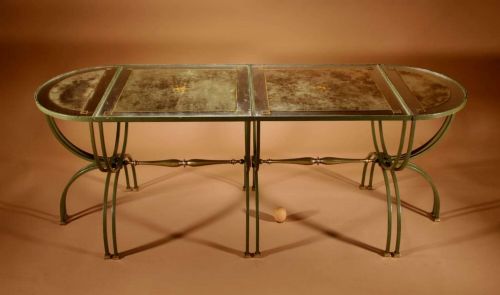
Surfaces frequently feature inset white marble, glass, or timber panels supported by the metal frames. Painted metal and enamel finishes appear alongside patinated bare iron.
Brass and Iron Table Retail Price Guide 2026
Typical asking prices for brass and iron table among the pieces listed under this phrase on Sellingantiques today, from the lower quarter to the upper quarter. They describe what is for sale here now, not the wider market.
Listings feature items spanning the 19th century through the 1940s, utilising marble, glass, and mahogany alongside iron and brass.
Assessing quality
Quality rests in the crispness of the iron castings and the weight of the brass mounts used on the frame. Heavier gauge metals and genuinely integrated structural joints separate robust examples from lighter decorative pieces.
The choice of top surface also dictates the character, with thick original marble or bevelled glass elevating the piece above standard timber or replacement tops.
The Brass and Iron Table Glossary
- Cast iron
- Molten iron poured into a mould to create rigid, decorative or structural bases. This technique allows for intricate scrollwork and heavy load-bearing legs.
- Wrought iron
- Iron heated and hammered into shape by hand, resulting in fibrous strength and subtle surface irregularities. It provides slender lines compared to cast iron.
- Bistro table
- A small café table typically featuring a metal pedestal base and a marble or wooden top. These were designed for commercial dining spaces.
- Console table
- A wall-mounted or freestanding narrow table designed for hallways and reception rooms. They often display decorative brass mounts.
- Neoclassical
- A style drawing inspiration from classical antiquity, featuring symmetrical lines and restrained ornamentation. It influences several pieces in this category.
Brass and Iron Table: Frequently Asked Questions
What is a brass and iron table used for?
These tables function as coffee tables, console surfaces, and small dining or bistro tables within a home. Their sturdy construction suits daily placement in living rooms, hallways, and kitchens.
They also appear as display stands and specialised shop counters, bringing utilitarian history into modern interiors.
How do I care for marble tops?
Marble surfaces require wiping with a damp cloth and mild soap to prevent staining from acidic substances like wine or citrus. Avoid abrasive cleaners that dull the polished finish.
Using coasters and placemats preserves the historical surface from etching and everyday wear.
Are these tables heavy?
The combination of iron and brass results in substantial weight, particularly on pieces with cast iron bases or marble tops. This weight provides excellent stability during daily use.
Lifting and moving larger items typically requires two people to protect both the floor and the frame joints.
How do I identify a 19th-century piece?
Nineteenth-century examples display hand-finished ironwork, traditional joinery, and patination accumulated over decades of use. Materials like heavy cast iron and aged brass reflect period manufacturing methods.
Stylistic cues such as Victorian scrollwork or French industrial forms further anchor the piece to this era.