
Brass and Glass Table
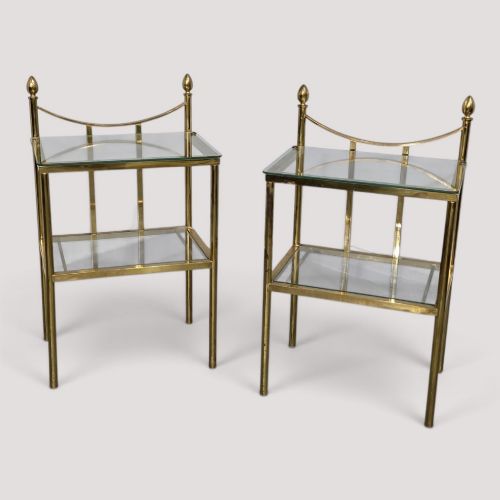
When you search for a brass and glass table, you are looking at functional surfaces that combine metallic frames with transparent tops.
Brass and Glass Table
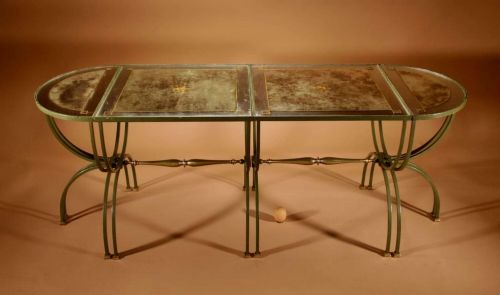
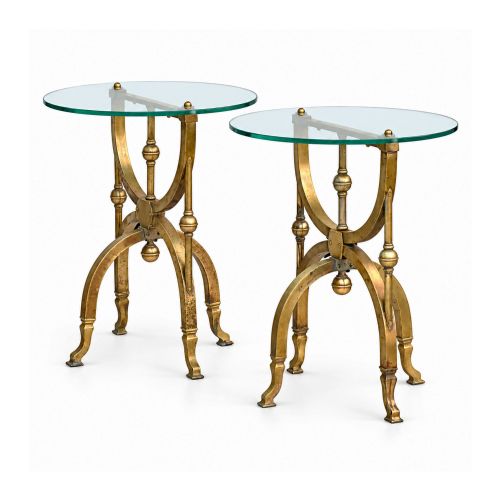
A brass and glass table typically appears as a low coffee table, side table, or occasional surface designed for domestic display and daily use. The form spans various periods, including mid-twentieth-century designs and earlier interpretations that incorporate metal frameworks with glass panels.
Buyers will encounter items ranging from low cocktail tables to specific occasional surfaces recorded in nineteenth and twentieth-century styles. These pieces integrate structural metal supports with transparent or translucent upper surfaces to create an open visual footprint in a room.
What varies in quality
Quality differences emerge in the weight and thickness of the brass frame, the precision of the cast joints, and the clarity of the glass panel. Heavy-gauge metalwork and bevelled or thick plate glass distinguish superior examples from lighter utilitarian items.
The refinement of surface finishing, such as chased detailing on the brass or hand-polished edges on the glass, separates standard production pieces from finer workshop creations.
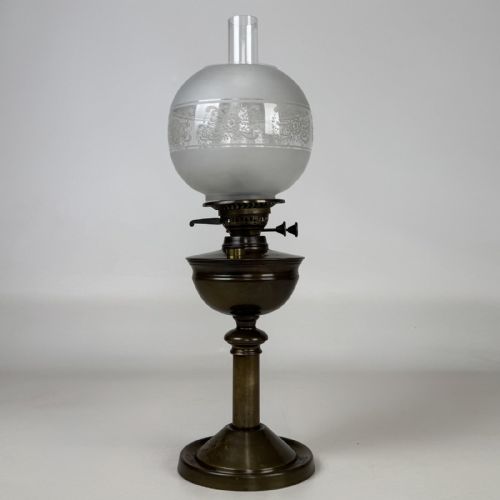
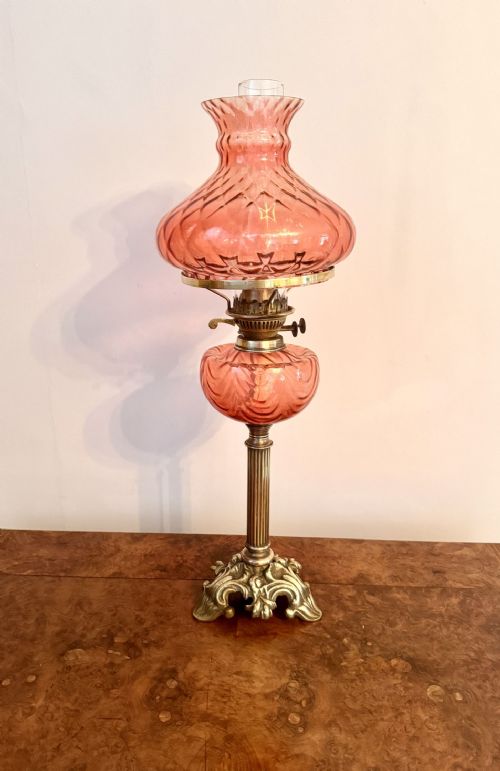
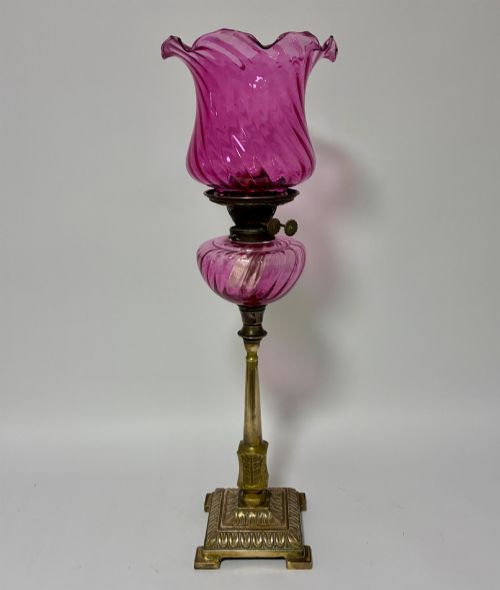
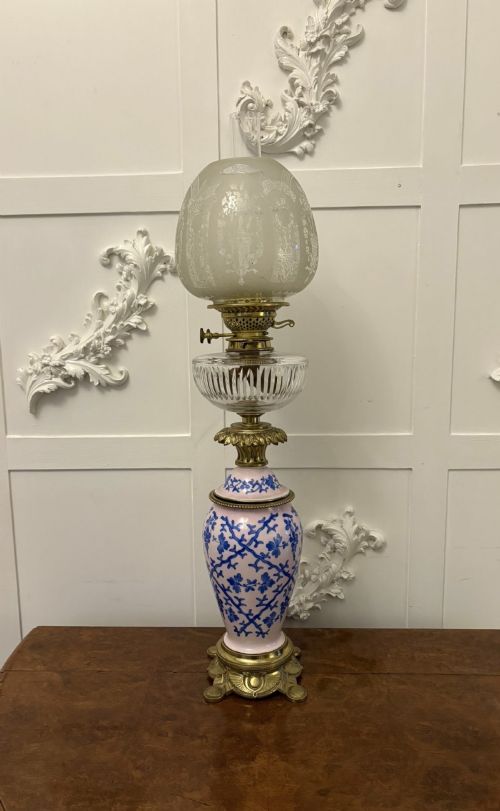
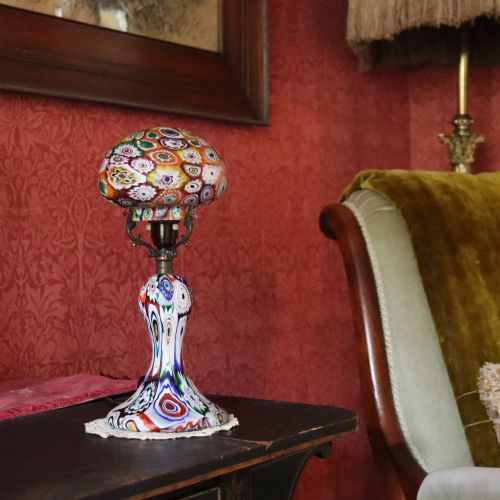
Several items in the records feature unexpected companions, including French novelty dog and parrot table lamps.
Samuel Marti·Fratelli Toso·François Linke·Mappin and Web·Ansonia New York·Maison Jansen
The Brass and Glass Table Glossary
- Gilt bronze
- An alloy of copper and zinc treated with a gold amalgam or electroplating to achieve a brilliant metallic finish. This material is frequently found on decorative mounts and frames.
- Cut glass
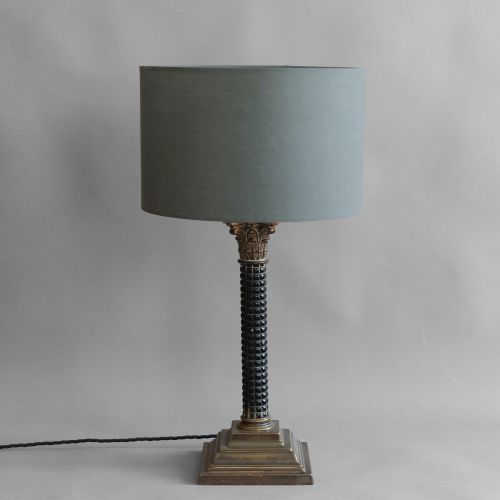
- Glass that has been decoratively shaped and patterned using abrasive wheels, creating deep facets that reflect light. It adds weight and texture to lamp bases and table elements.
- Bijouterie table
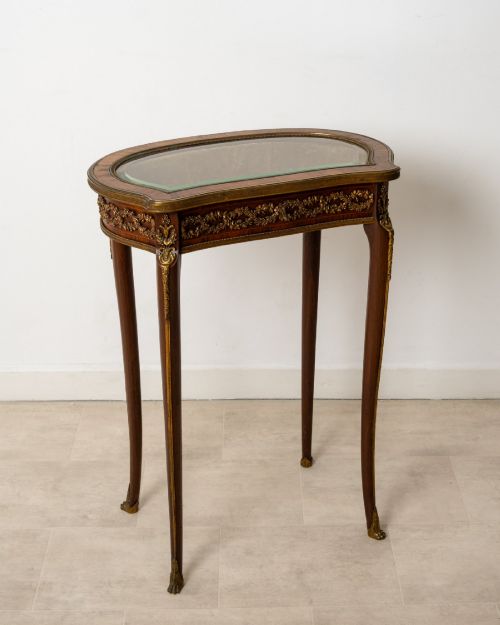
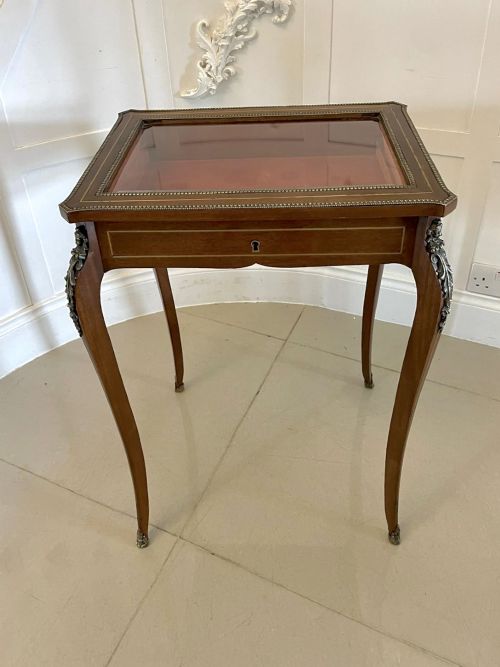
- A glass-topped display table specifically designed for showing small valuable objects or collections. These items often feature hinged glazed lids and lined interiors.
- Patinated brass
- Brass that has developed a natural surface sheen or deliberate chemical darkening over time. Collectors often value this aged appearance for its depth of colour.
Brass and Glass Table: Frequently Asked Questions
What is a brass and glass table?
A brass and glass table is an occasional or coffee table built with a metal frame and a glass surface. These items serve as functional furniture while maintaining an open aesthetic in interior spaces.
They appear in various forms, from mid-century low tables to elaborate display units incorporating bevelled glass and cast brass mounts.
How do I clean brass and glass?
Cleaning involves wiping the glass with a standard glass cleaner and a soft cloth to avoid scratching the surface. The brass frame should be dusted regularly with a dry cloth.
Avoid harsh chemical polishes on antique brass surfaces to preserve any original patination and protective lacquers.
Are these tables sturdy?
These tables rely on metal frames and thick glass panels to provide structural stability for everyday use. Heavier frames offer increased weight and balance.
Properly secured glass inserts and solid corner joints ensure the surface safely supports everyday objects and decorative items.
How do I date a brass table?
Dating relies on examining the construction methods, screw types, and stylistic indicators of the brass frame. Art Deco, Victorian, and mid-century modern eras each employ distinct casting techniques.
Comparing the design motifs and the type of glass used with documented period examples helps establish an approximate age.