


Brass and Glass Shelves
Brass and glass shelves bring clean transparency and metallic gleam to rooms, pairing heavy cast frames with crystal panes for a polished display.
Brass and Glass Shelves
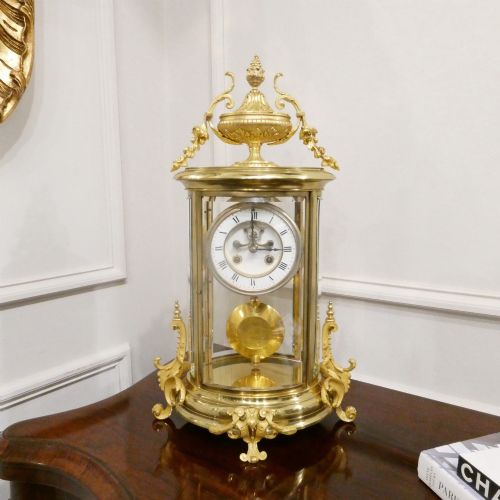
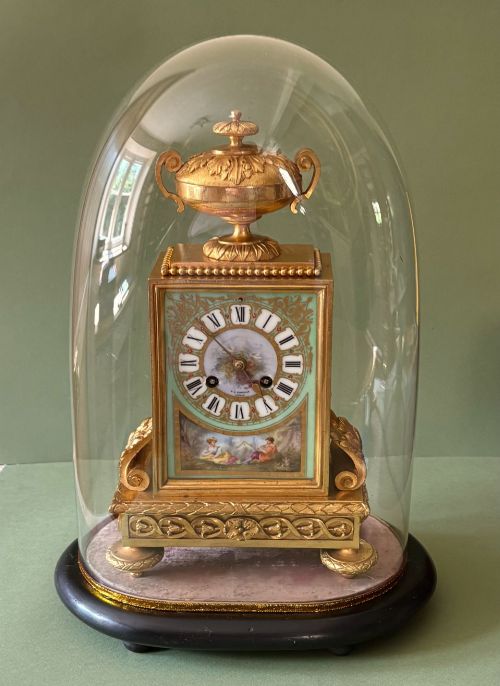
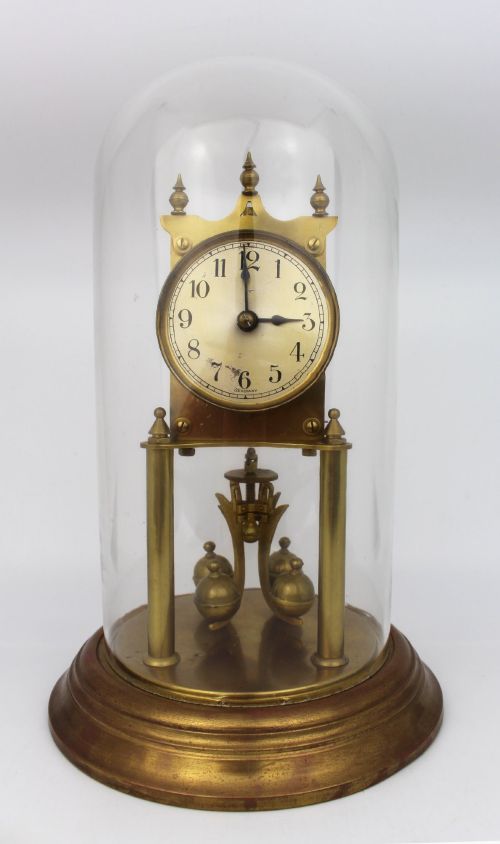
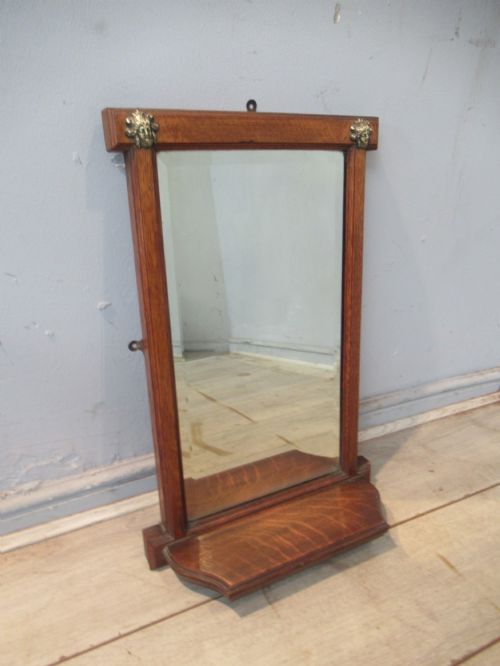
When you search for brass and glass shelves, you encounter various configurations spanning tiered display stands, etagere units, and jewellers countertop shelves from periods such as the nineteen-twenties and the nineteenth century. These forms range from shop display stands in iron and brass to delicate domestic shelving units.
The pieces appearing on this page bridge retail display and domestic utility, showing how metal frameworks support transparent panes to showcase objects effectively. You are most likely to meet polished tiered stands and countertop shelves designed to elevate small items.
Originating across different decades, these structures combine sturdy metal chassis with glass surfaces that lighten the visual load of the furniture. Each piece reflects the functional requirements of its original setting, whether a commercial shop or a nineteenth-century interior.
Materials and construction methods
Makers built these pieces using structural brass, gilt bronze, or ormolu frames joined to clear glass panes, sometimes incorporating enamel, porcelain, or wood elements. The metal components were cast, polished, or gilt to provide a durable and reflective skeleton for the shelving.
Glass panels rested securely within or upon the metal tiers, secured by careful joints that allowed maximum light transmission through the display. Iron also appeared in commercial shop stands to ensure extra stability under heavier loads.
Some nineteenth-century shop display stands spent decades holding pocket watches before finding new life on modern tabletops.
Quality differences in construction
The distinction between ordinary and superior examples lies in the weight and finish of the metalwork, alongside the clarity and thickness of the glass panes. Finer pieces display crisp casting in the brass framework and precise joints that hold the transparent surfaces without wobble.
Heavier gauge metals and genuine gilding elevate a piece above simpler brass-plated iron variants, while undamaged plate glass with bevelled edges marks out better workshops. The integration of auxiliary materials like porcelain mounts or enamel dials further separates standard utility items from luxury display pieces.
Samuel Marti·Drocourt·L Epee France·Jaeger Le Coultre
The Brass and Glass Shelves Glossary
- Ormolu
- Finely ground high-carat gold-copper mercury gilding applied to an object of bronze. This technique creates a rich golden finish on metal mounts.
- Gilt brass
- Brass that has been coated with a thin layer of gold or gold-coloured wash. It offers a bright metallic appearance similar to solid gold components.
- Display stand
- A raised platform or shelving structure designed to exhibit merchandise or collections. These units prioritise visibility from multiple angles.
- Tiered
- Arranged in successive levels rising one above another. This design maximises vertical display space within a compact footprint.
Brass and Glass Shelves: Frequently Asked Questions
What are brass and glass shelves?
These pieces are structural display units combining metal frames with transparent glass surfaces, designed to hold and exhibit items.
They appear as tiered stands, countertop shelves, and etagere units originating from the nineteenth and early twentieth centuries.
How were these shelves used originally?
Shops and homes utilised these fixtures to display small goods, timepieces, and decorative objects where visibility was paramount.
The open structure allowed ambient light to pass through the shelves, illuminating the displayed items from multiple directions.
How do I live with them?
Integrate these reflective stands into living spaces or studies where their metallic frames can catch natural light.
Keep the glass surfaces clean with gentle window cleaners and avoid overloading older brass tiers with excessive weight.
How do I tell periods apart?
Nineteenth-century examples often feature heavier cast brass components and traditional joining techniques, sometimes paired with elaborate ornamentation.
Early twentieth-century units tend towards simpler lines, reflecting the transition into industrial and retail display adaptations.