
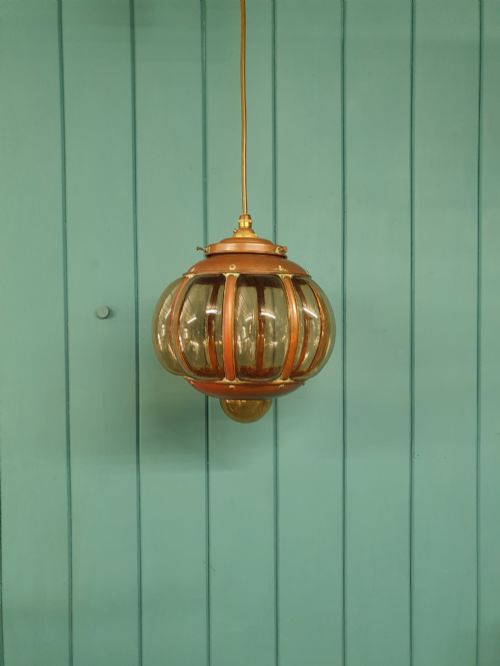


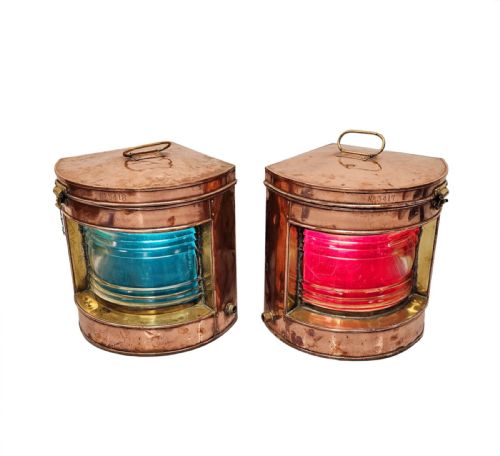


Brass and Copper Lantern
These brass and copper lanterns combine enduring metalwork with functional illumination, offering buyers robust construction and distinct period character for interior or exterior spaces.
Brass and Copper Lantern
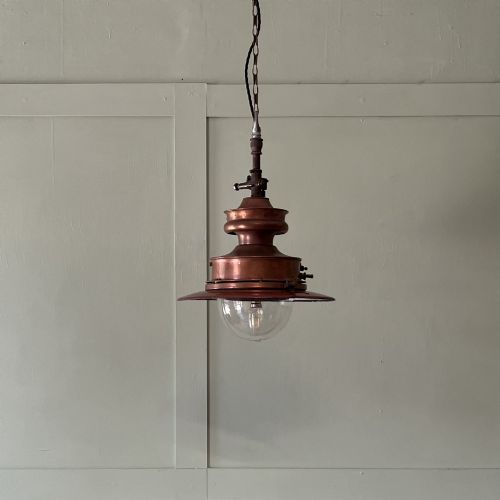
A brass and copper lantern brings together two durable metals that age with a distinctive patina, frequently appearing in maritime, railway, and domestic residential contexts. Buyers searching for a brass and copper lantern will encounter various forms ranging from ceiling pendants and wall sconces to heavy-duty ship lanterns.
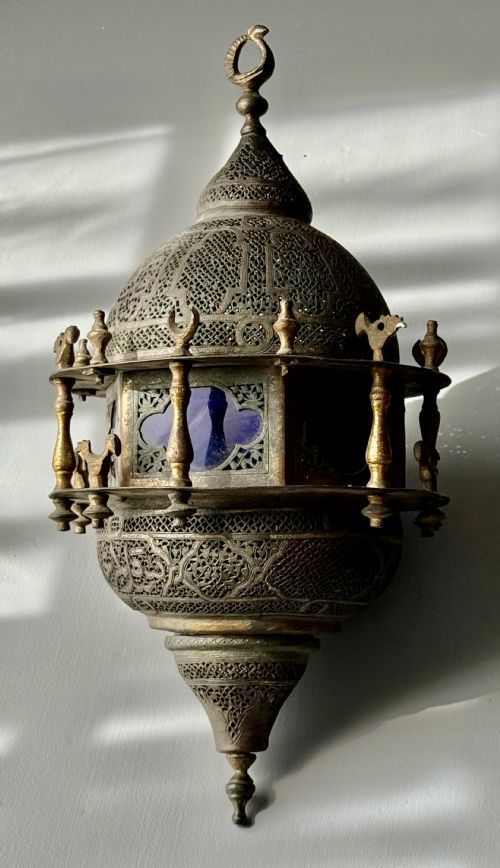
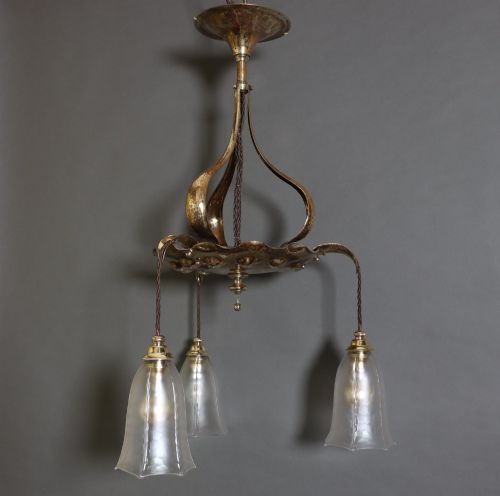
The selection spans multiple periods, including the Victorian era, Edwardian period, and early twentieth century, alongside specific Arts and Crafts and Moorish revival styles. Domestic hall lanterns and porch fixtures sit alongside utilitarian railway carriage lamps and anchor lights.
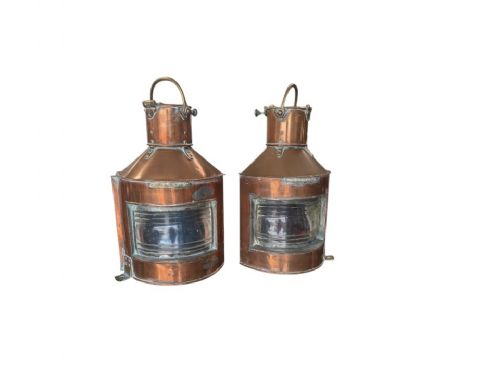
Maritime designs dominate the offerings, particularly port and starboard ship lanterns manufactured for functional use at sea. Alongside these, French half lanterns and small early twentieth-century domestic pendants provide alternative illumination options.
How they were made
Construction relies on sheet brass and copper joined through riveted or soldered seams, often incorporating cast brass fittings and structural brackets. Metals are shaped to house internal burners or electrical components while maintaining weather-resistant housings.
Glazing typically involves clear, curved, or smoked glass panels secured within metal frames by brass clips or corner brackets. Pierced metalwork appears in specific decorative variants, utilising punched brass panels to diffuse light in patterned formations.
Surface finishes include polished metal, patinated copper, and blackened iron elements combined with brass trims. Maritime pieces often feature heavy protective brass cages surrounding the glass lenses to withstand marine environments.
Some maritime ship lanterns still retain faint traces of salt air and decades of harbour soot locked within their riveted copper seams.
What varies in quality
The integrity of the original metal gauge and the weight of the castings set high-grade examples apart from lighter utilitarian pieces. Substantial copper bodies and thick brass mounts indicate sturdier construction and better survival rates through decades of use.
Craftsmanship shows in the precision of riveted joints, the complexity of piercing work on decorative variants, and the preservation of maker stamps or patent plates. Original glass components, particularly curved or smoked lenses, contribute significantly to the integrity of a piece.
Natural patination develops unevenly over time, but the underlying surface stability and absence of structural compromise determine the overall standard of preservation. Complete mounting brackets and intact internal fittings further distinguish superior specimens.
Alderson & Gyde Ltd·Anchor Brand
The Brass and Copper Lantern Glossary
- Port lantern
- A marine navigation light fitted with red glass, historically mounted on the left side of a vessel. It signals the craft's heading to other ships at night.
- Starboard lantern
- A marine navigation light fitted with green glass, historically mounted on the right side of a vessel. It works in tandem with the port light to indicate direction.
- Smoked glass
- Glass that has been darkened during production or chemically treated to reduce light glare. It provides a softer, diffused illumination within enclosed lanterns.
- Arts and Crafts
- A design movement emphasising handcraftsmanship and simple forms over mass production. Pieces from this tradition often display visible construction details and honest material use.
- Moorish Revival
- An architectural and decorative style incorporating traditional Islamic design motifs. Lanterns in this style feature intricate pierced metalwork and geometric patterns.
- Ankerlight
- A small anchor light used by vessels at moorings to signal position. These compact lanterns utilise oil burners or candles within heavy metal frames.
Brass and Copper Lantern: Frequently Asked Questions
What is a brass and copper lantern?
A brass and copper lantern is a lighting fixture constructed from brass and copper components, designed for suspension, wall mounting, or tabletop use. These objects range from heavy-duty marine navigation lights to decorative domestic hall pendants.
Makers utilised these metals for their durability and corrosion resistance, particularly in maritime and exterior environments. Over time, the materials develop a distinct surface oxidation that characterises antique examples.
How were these lanterns used originally?
Many of these pieces served practical roles on ships, railways, and domestic porches where reliable illumination was necessary. Maritime lanterns signaled vessel direction, while railway lamps lighted carriage interiors or acted as signals.
Domestic variants hung in entrance halls or illuminated exterior porches, offering welcoming light while withstanding weather conditions. Their sturdy construction ensured functionality in demanding environments.
How do I clean the metal?
Maintaining antique brass and copper requires minimal intervention to preserve the historic surface patina. Dusting with a dry cloth and gentle cleaning with non-abrasive solutions prevents dirt accumulation without stripping the aged finish.
Aggressive metal polishes remove the oxidation layers that accumulate over decades, which collectors generally prefer to retain. Professional conservation advice is recommended for pieces with delicate patination.
Can antique lanterns be rewired?
Many hanging lanterns and wall lights are adapted for modern electrical use while retaining their original structural metalwork. Rewiring allows historic housings to function safely within contemporary interiors.
Qualified electricians can install modern internal wiring and lamp holders without altering the exterior appearance. This adaptation extends the working life of Victorian and Edwardian lighting fixtures.