
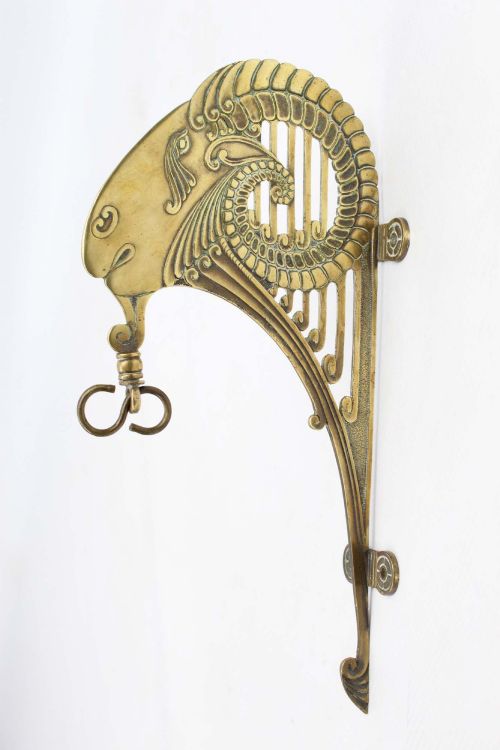




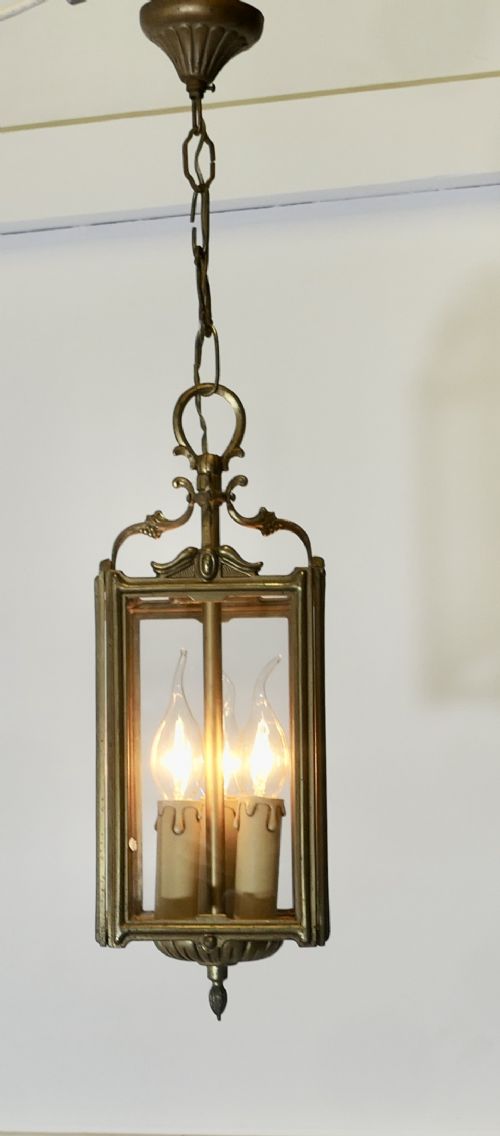


Art Deco Hanging Lantern
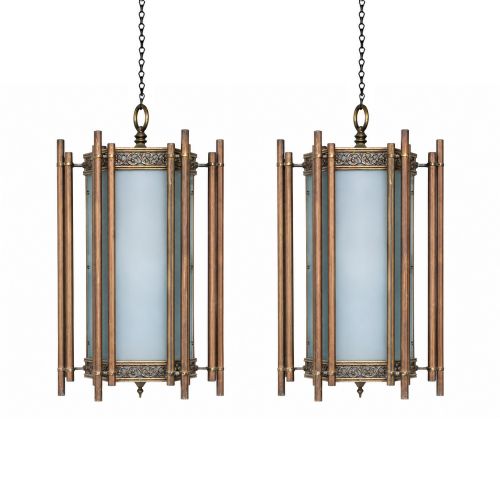
These art deco hanging lanterns bring geometric style and diffused light to a hallway or high ceiling.
Art Deco Hanging Lantern
An art deco hanging lantern provides functional overhead illumination while anchoring a room with period geometry. These light fittings hang from ceilings as pendant lights or hall lanterns, serving spaces that require direct downward or softly filtered illumination.
You are most likely to meet pieces originating from the nineteen-twenties and nineteen-thirties, alongside French and American examples. Forms range from large monumental pairs to compact single globes intended for smaller rooms.
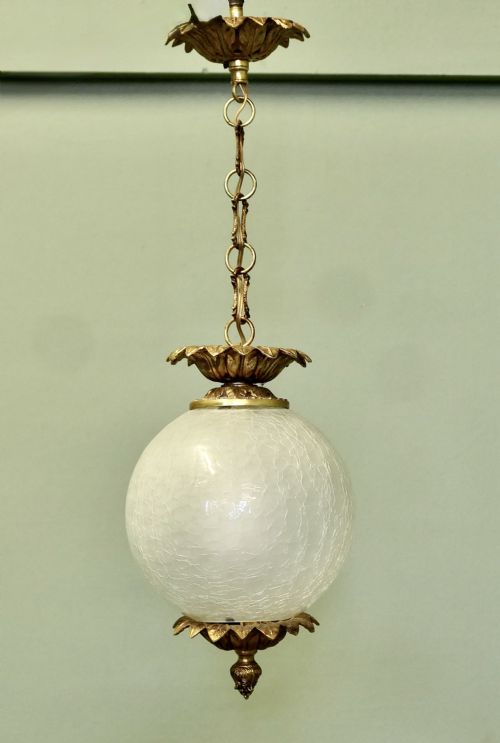
The selection includes ceiling lights configured from iron, brass, and copper frames holding glass shades. These fixtures capture the characteristic architectural lines of the period without excess ornamentation.
How they were made
Maker workshops constructed these lanterns using rigid metal frames of brass, bronze, copper, steel, or wrought iron to support the weight of the glass panels. Metal components were cast, hammered, or plated in chrome to achieve industrial durability alongside decorative appeal.
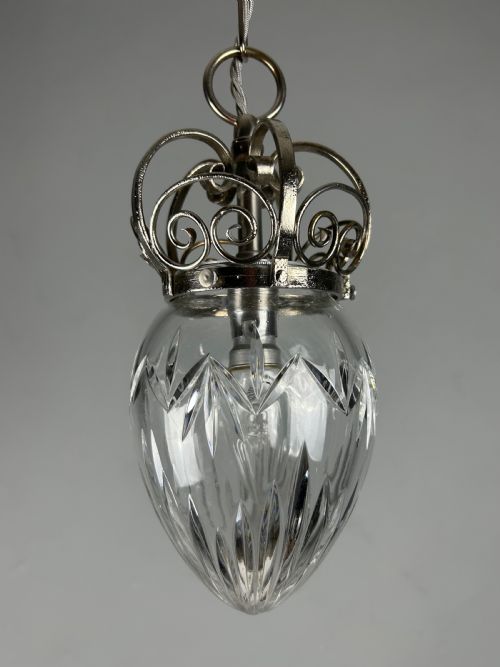
The glazing involves varied treatments such as frosted, etched, cut, crackled, or mirrored glass designed to soften the glare of early electric bulbs. These glass elements fit securely within the metal armature, often held by brackets or screws typical of the era.
Recorded periods span from the nineteenth century through the nineteen-twenties and nineteen-thirties.
What varies in quality
Quality rests in the substantial weight of the metal framework and the clarity or complexity of the glass work. Thicker cast bronze, brass, or iron frames with crisp geometric detailing sit at the top of the range compared to lighter pressed metal.
The sophistication of the glass panels further separates ordinary examples from finer pieces. Etched, cut, or crackled glass displays deliberate artistry, whereas plain frosted panels offer a more utilitarian appearance.
The Art Deco Hanging Lantern Glossary
- Pendant light
- A hanging light fixture suspended from the ceiling by a chain, rod, or cord. This form directs light downward into the room.
- Frosted glass
- Glass treated to create a cloudy or opaque surface that diffuses light evenly. It reduces the harsh glare of the bulb.
- Wrought iron
- Iron beaten or bent into shape by hand while hot. This material provides structural strength and dark textural contrast in light fittings.
- Cut glass
- Glass decorated by grinding facets or patterns into the surface using a wheel. This technique creates sparkling reflections when illuminated.
Art Deco Hanging Lantern: Frequently Asked Questions
Where should I hang an art deco hanging lantern?
These lanterns suit high-ceilinged hallways, landings, or entranceways where their downward light and architectural profile can be fully appreciated.
Ensure you measure the drop from the ceiling to allow adequate headroom for passage below.
How do I date an art deco hanging lantern?
Dating relies on stylistic markers from the nineteen-twenties and nineteen-thirties, such as geometric brass, bronze, or wrought iron frames.
Materials like chrome and particular acid-etched glass treatments also point firmly to this interwar period of design.
What metals were commonly used?
Workshops utilised brass, copper, bronze, steel, wrought iron, and chrome-plated metals to construct the supportive framework.
The choice of metal often determined the overall weight and industrial character of the finished pendant light.