





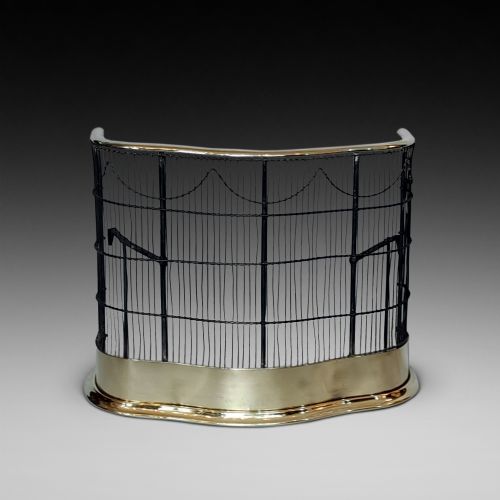
Brass and Black Guard
These brass and black guard pieces are functional hearth barriers and military items that bring period character and robust construction to a room.
Brass and Black Guard
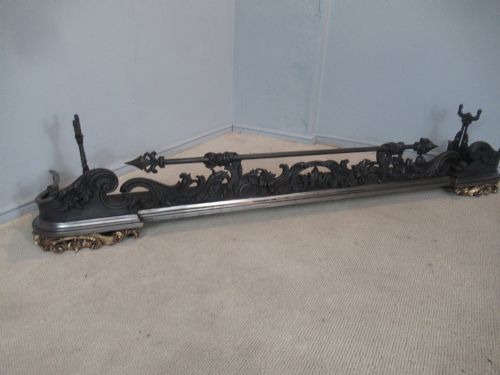
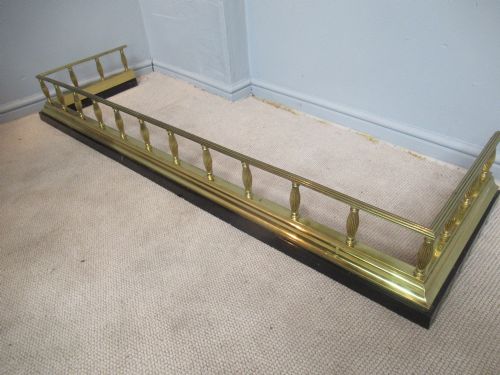
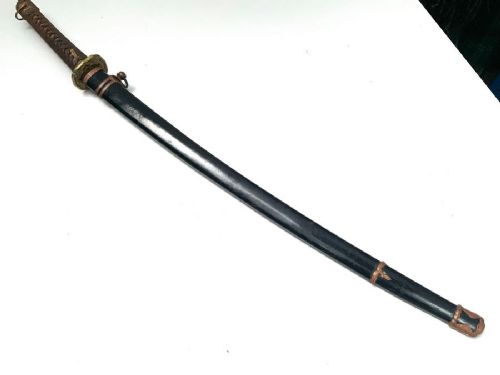
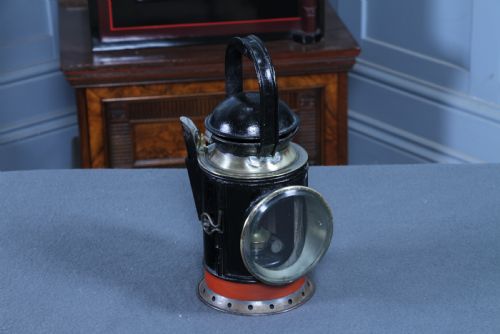
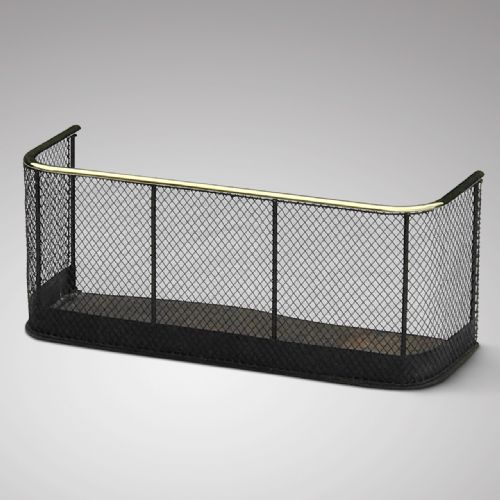
A brass and black guard encompasses utilitarian fireplace accessories and historical military items, reflecting the varied objects found within this search phrase. Buyers encounter nineteenth century nursery fenders, wirework fire guards, and military arms alongside railway lanterns.
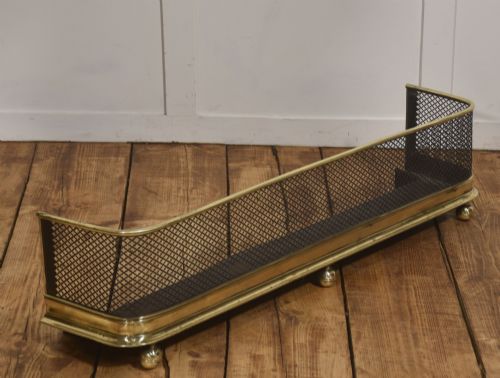
The nineteenth century and Victorian periods dominate the selection, bringing substantial iron, steel, and brass construction to domestic hearths. Functional nursery fenders and spark guards remain the most frequent domestic forms on this page.
Military pieces, including percussion pistols and swords from the Regency and later periods, appear alongside domestic fireplace accessories. These items share a reliance on durable metals and dark finishes tailored for utility.
Materials and construction
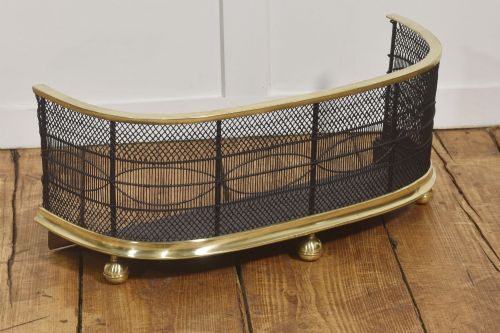
Makers combined polished brass with dark iron and steel to build sturdy frames and protective mesh panels. Woven wire mesh and iron wire provided secure barriers for hearths while maintaining visibility of the fire.
Structural elements incorporated heavy cast iron and steel alongside warm walnut and glass details on specific lamps and fenders. Black finishes on iron components contrasted with bright brass top rails and rims.
Brass and Black Guard Retail Price Guide 2026
Typical asking prices for brass and black guard among the pieces listed under this phrase on Sellingantiques today, from the lower quarter to the upper quarter. They describe what is for sale here now, not the wider market.
Listings span from the Regency period through the 1940s, combining brass, iron, steel, and woven wire mesh.
Judging quality
Superior examples display clean riveting, tight wire mesh weaves, and substantial gauge metal that withstands daily use. Finer domestic fenders feature well-cast brass mouldings and securely attached top rails rather than flimsy joins.
The integrity of the black finish and the crispness of brass detailing distinguish better-preserved pieces. Original components and honest patination across the iron and brass surfaces elevate an object's appeal.
The Brass and Black Guard Glossary
- Nursery fender
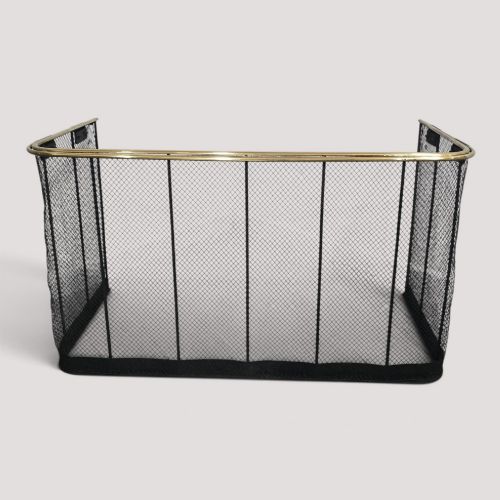
- A tall protective barrier designed to encircle a fireplace and keep children safely away from the flames. These guards typically feature a solid brass top rail and fine wire mesh panels.
- Serpentine fender
- A hearth barrier with a gently curving front outline, often following the projecting shape of a fireplace. This style gained popularity during the Regency and Victorian periods.
- Percussion pistol
- A firearm that uses a percussion lock mechanism to detonate a priming cap, standard for military and civilian use during the nineteenth century. These pieces feature steel barrels and timber stocks.
- Wirework fire guard
- A protective hearth screen constructed from woven iron or steel wire supported by a metal frame. Such guards prevented sparks from escaping onto domestic flooring.
Brass and Black Guard: Frequently Asked Questions
What is a nursery fender?
A nursery fender is an elevated hearth barrier built to surround an open fire completely. It provides a secure enclosure that protects children and pets from sparks and hot coals.
These pieces typically combine a sturdy black iron or steel frame with a polished brass top rail and fine wire mesh panels. Their height distinguishes them from standard low hearth fenders.
How do I date a brass and black guard?
Dating relies on observing construction methods, material combinations, and stylistic details characteristic of specific decades. Nineteenth-century examples often display hand-woven wire mesh and heavier cast iron components.
Comparing the specific brass mounts and the type of black finish helps place an object within the Victorian or Regency periods. Maker marks or military stampings can also narrow down the manufacturing era.
Were these guards used in homes?
Domestic fire guards and nursery fenders were essential safety fixtures in nineteenth-century homes with open coal fires. They protected interiors from flying sparks while allowing heat to circulate.
Other items listed under this phrase, such as railway lanterns and military arms, served utilitarian and operational roles outside the domestic hearth. Each object reflects the practical demands of its original environment.
How do I clean brass and iron?
Cleaning requires gentle methods that preserve the historic patination on both the brass elements and the dark iron frames. A soft cloth removes surface dust without harming the aged metal surfaces.
Harsh chemical polishes should be avoided on dark iron and steel components to maintain their original black finish. Brass sections benefit from careful attention with appropriate metal cleaners used sparingly.