


Brass Accented Desk
These pieces gather the functional utility of a brass accented desk alongside diverse historic lamp forms, chairs, and tables.
Brass Accented Desk
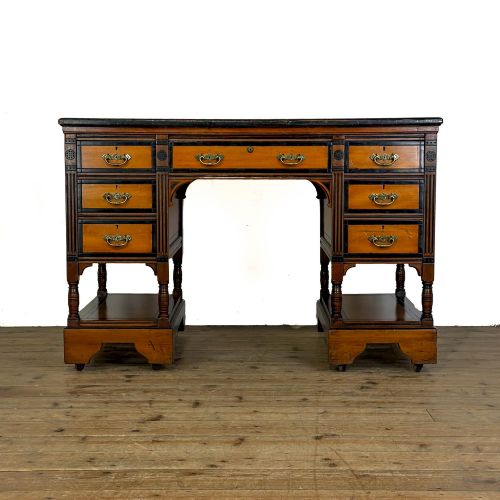
A brass accented desk brings utilitarian workspace alongside metal mounts, handles, or decorative highlights. The selection on this page ranges through multiple centuries of furniture and decorative objects rather than focusing solely on writing surfaces.
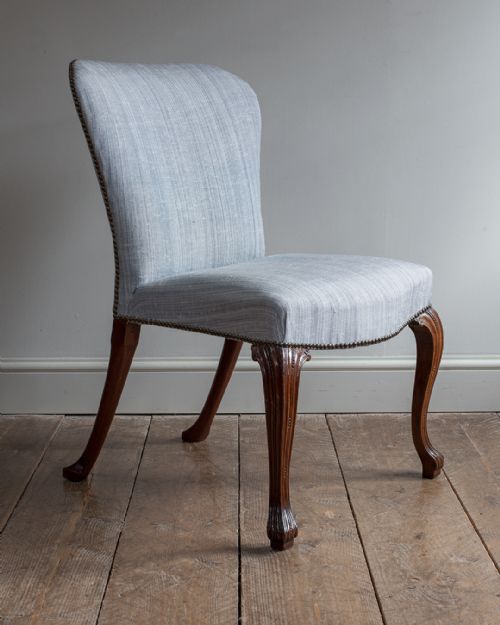
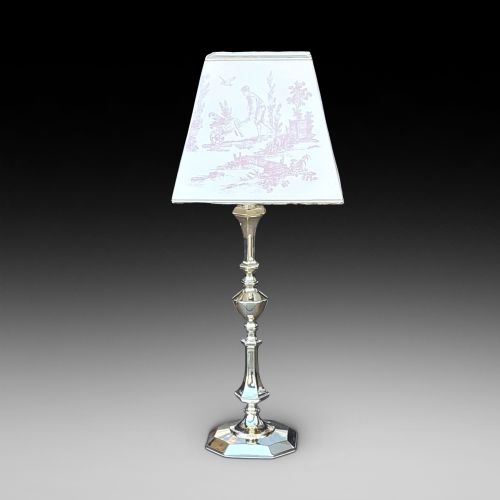
Buyers will encounter desks alongside a high proportion of table lamps, side chairs, armchairs, and small tables spanning the eighteenth through the twentieth century.
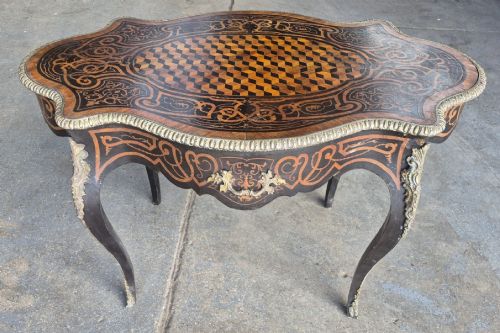
The material vocabulary draws heavily upon mahogany, oak, walnut, and various woods paired with brass, ormolu, and gilt bronze highlights.
Materials and construction
Construction relies on traditional cabinet-making timbers such as mahogany, oak, yew, and burr walnut, shaped into desks, tables, and seating frames. Wood elements frequently incorporate inlay, drop leaves, or serpentine fronts.
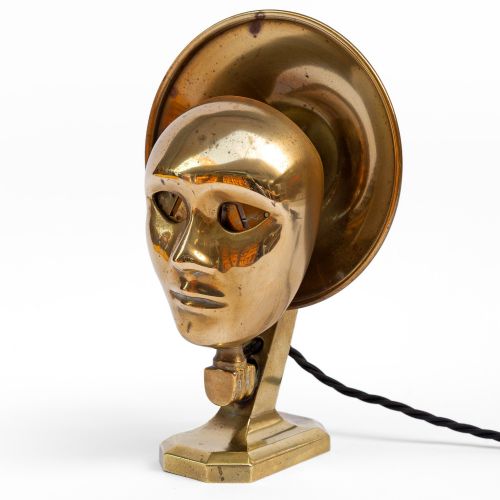
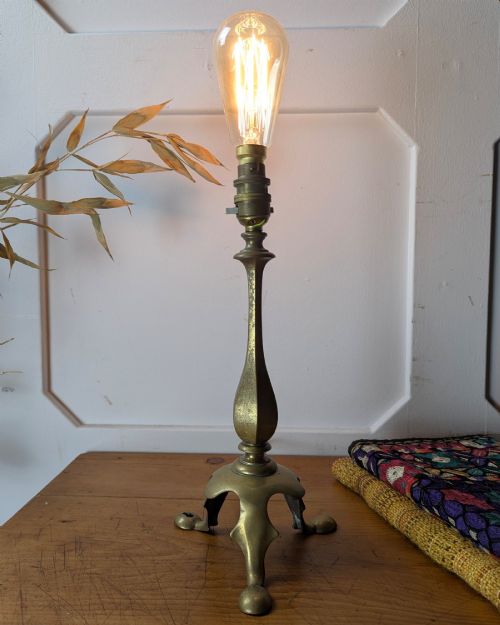
Metal accents utilise brass, ormolu, and gilt bronze cast into decorative mounts, handles, and structural lamp bodies. Certain pieces combine these metals with marble, onyx, glass, or porcelain components.
Brass Accented Desk Retail Price Guide 2026
Typical asking prices for brass accented desk among the pieces listed under this phrase on Sellingantiques today, from the lower quarter to the upper quarter. They describe what is for sale here now, not the wider market.
Listings incorporate items from the 18th century, Victorian, Edwardian, and Art Deco periods, utilising mahogany, oak, marble, and brass.
Assessing quality
Quality rests upon the crispness of metal casting and the integrity of timber surfaces. Ormolu and gilt bronze components display varying degrees of chisel work and patination detail.
Cabinet work shows distinction in timber selection, such as figured mahogany, satinwood inlay, or burr walnut veneers, paired with sound structural joinery across desks and tables.
The Brass Accented Desk Glossary
- Ormolu
- Gilded bronze applied to furniture mounts and lamp bases. This technique produces a bright golden finish popular in French and English decorative arts.
- Partners desk
- A large double-sided desk designed for two people to work opposite one another. These frequently incorporate extensive drawers and pedestals.
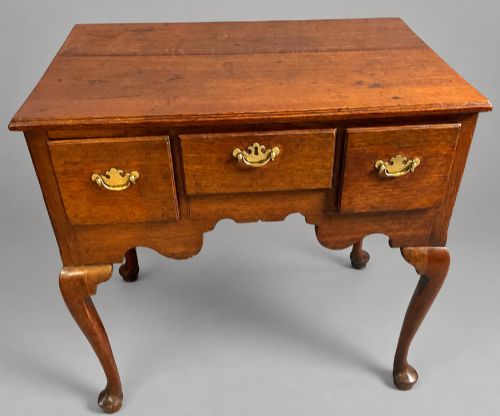
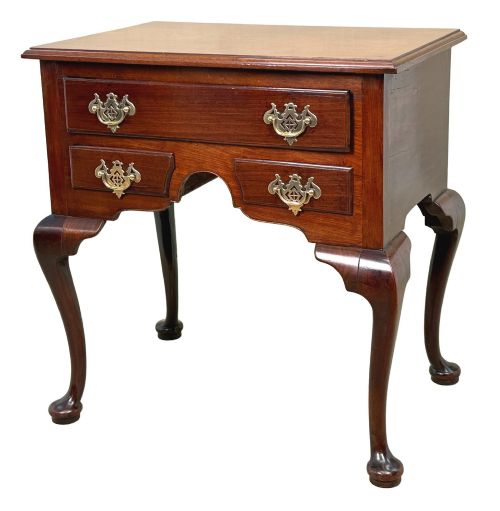
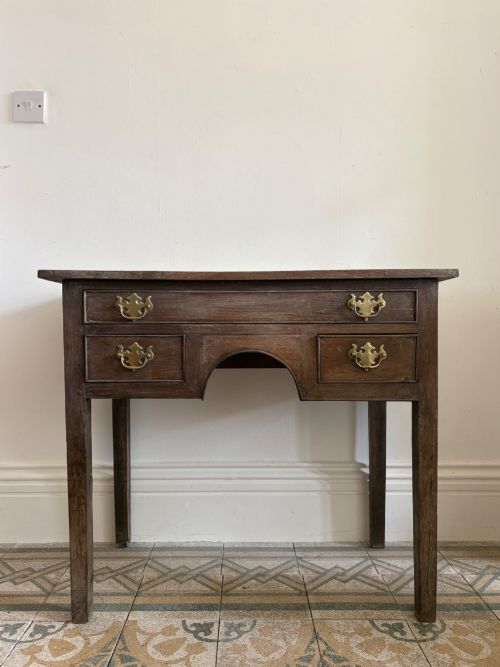
- Lowboy
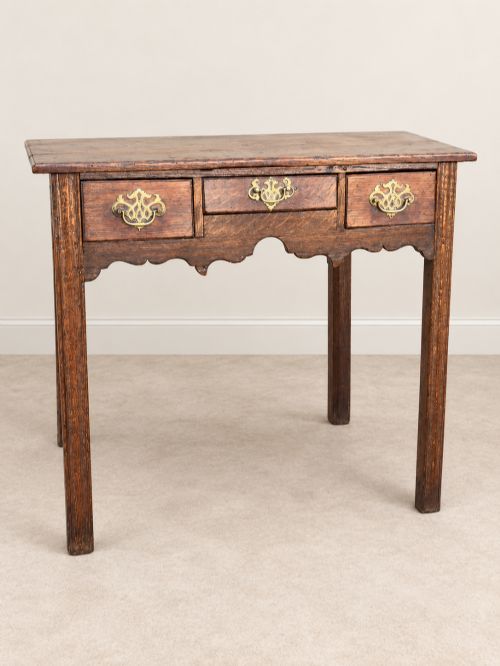
- A small seventeenth or eighteenth-century dressing table or side table featuring one or more rows of drawers beneath a flat top. They typically stand on slender legs.
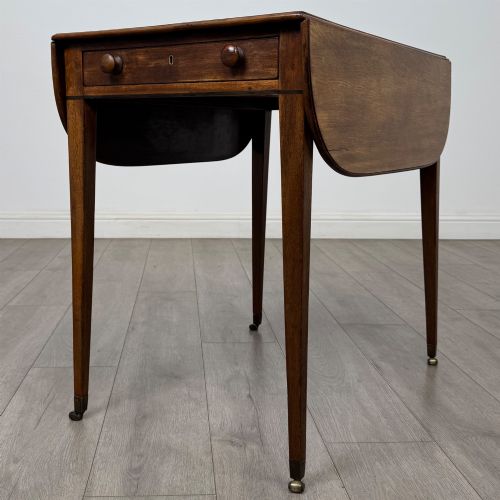
- Pembroke table
- A small table with hinged drop leaves on either side. It generally includes a single drawer and slender legs.
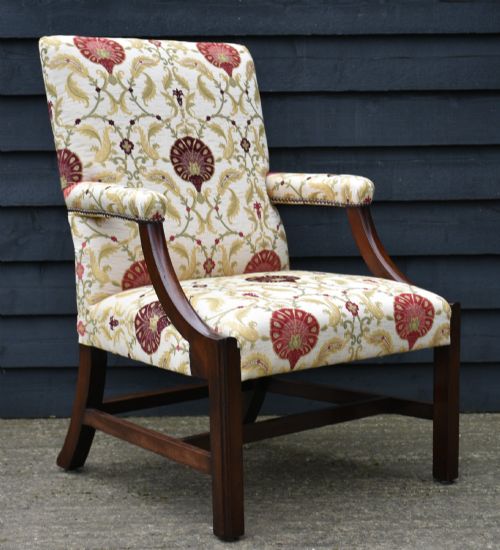
- Gainsborough chair
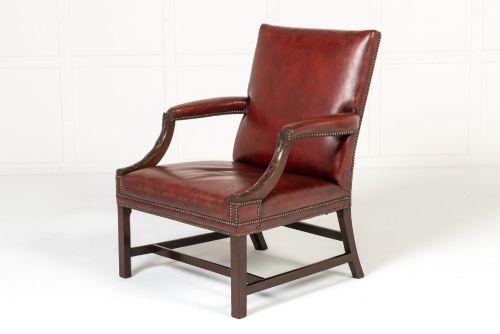
- A wide eighteenth-century armchair with an upholstered seat and back and open padded arms. The design accommodates the voluminous clothing of the period.
Brass Accented Desk: Frequently Asked Questions
What is a partners desk?
A partners desk is a large double-sided writing table built to accommodate two people sitting opposite each other. These pieces provide independent workspace and storage on both sides.
They appear in larger studies and libraries from the Victorian period onward, often finished with leather writing inserts and brass hardware.
How do I identify an eighteenth-century lowboy?
An eighteenth-century lowboy is a compact side table with drawers set beneath the top surface. They typically sit on square or cabriole legs and utilise oak or mahogany.
These tables functioned as dressing tables or general side tables in domestic interiors before later evolving into various occasional table forms.
What makes ormolu different from brass?
Ormolu consists of a finely ground gold-mercury amalgam applied to a bronze base metal, whereas brass is an alloy of copper and zinc. Ormolu produces a deeper, richer golden lustre.
Craftsmen utilised ormolu for high-end decorative mounts on nineteenth-century furniture and luxury lighting.
How do drop leaf tables work?
Drop leaf tables feature hinged flaps on opposite sides that fold down to save space or lift up to extend the surface area. Wooden or metal pivoting brackets support the raised leaves.
Examples like the Pembroke table utilise this mechanism to provide flexible utility in smaller rooms.