


Boxed Silver Tableware
Boxed silver tableware brings together fitted cases and precious metals to protect functional dining pieces for formal presentation.
Boxed Silver Tableware
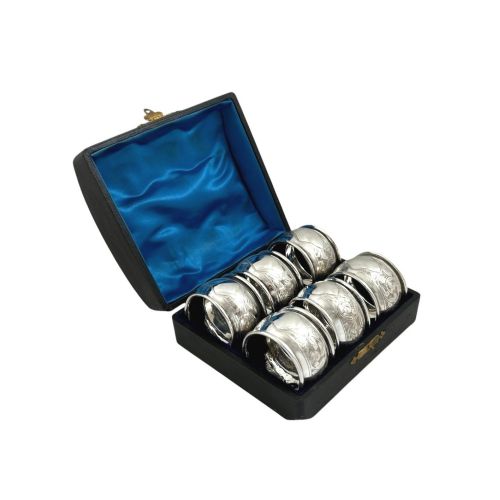
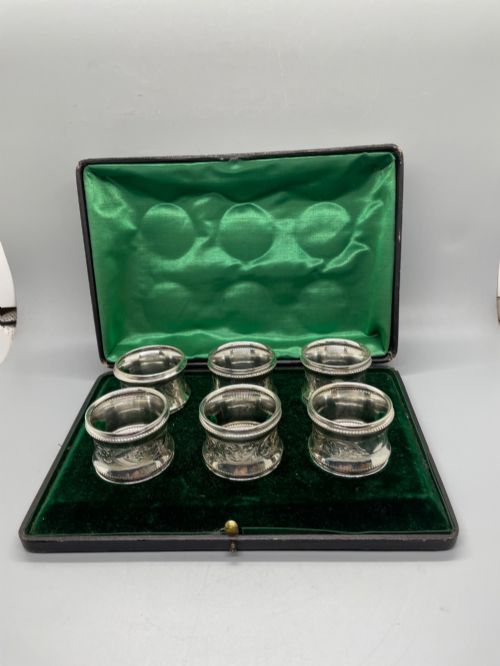
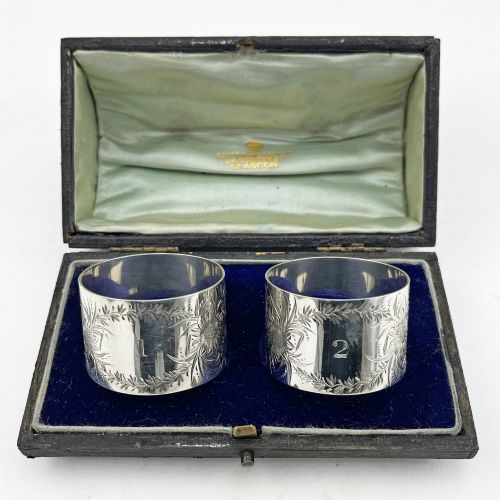
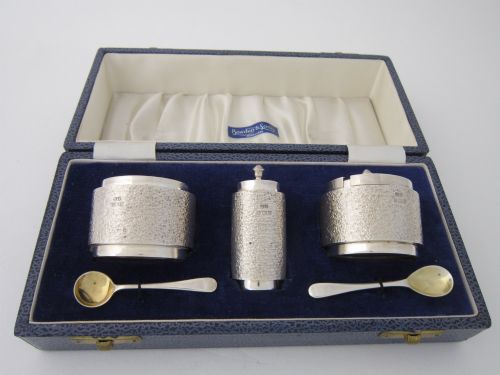
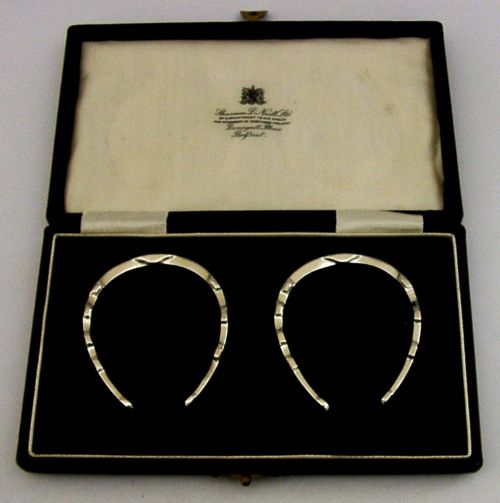
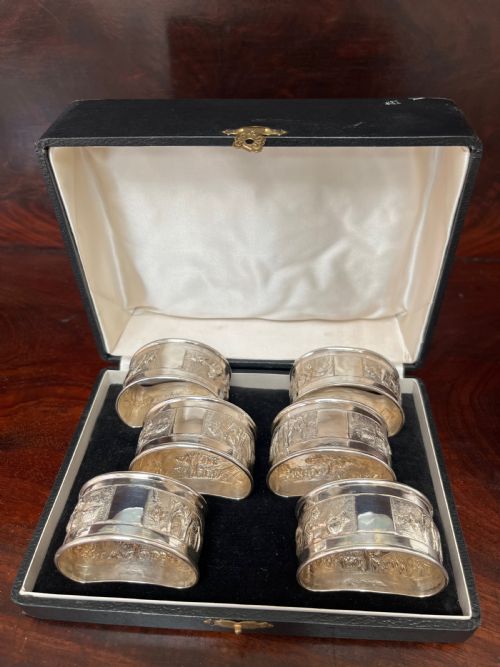
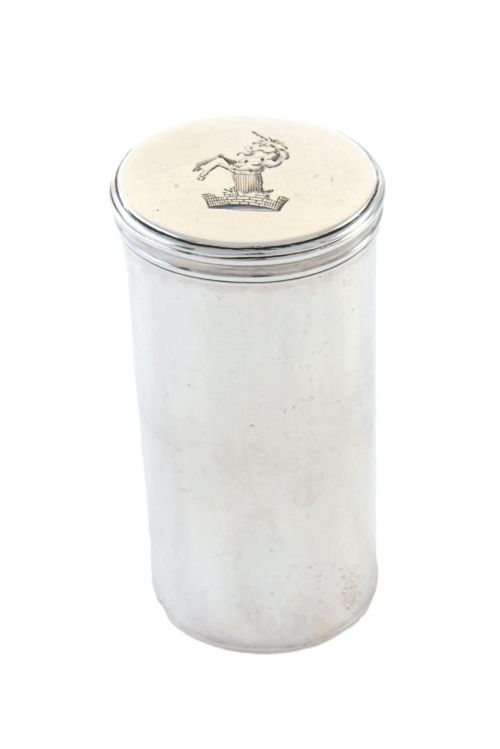
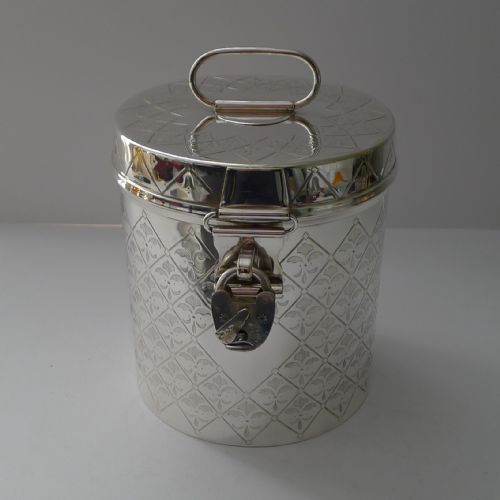
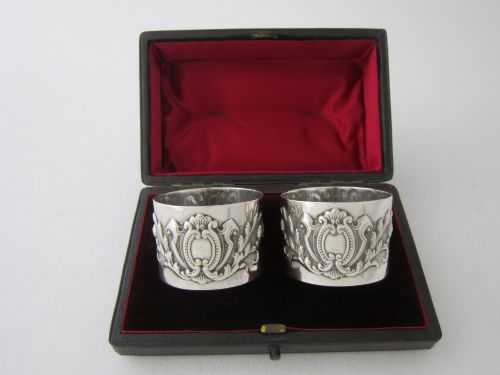
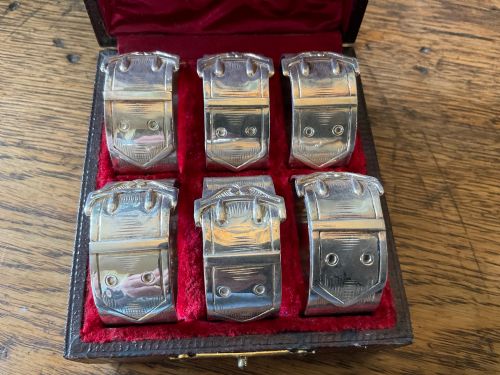
When searching for boxed silver tableware, buyers encounter fitted sets intended for dining and hospitality, ranging from individual napkin rings to large condiment assemblies. These items span periods from the eighteenth century through to the mid-twentieth century, capturing shifts in domestic dining habits.
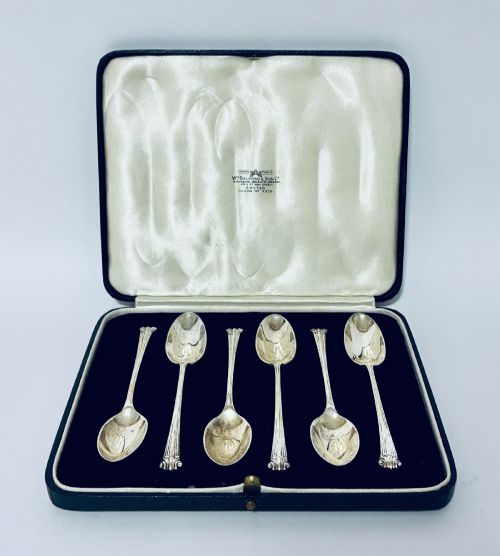
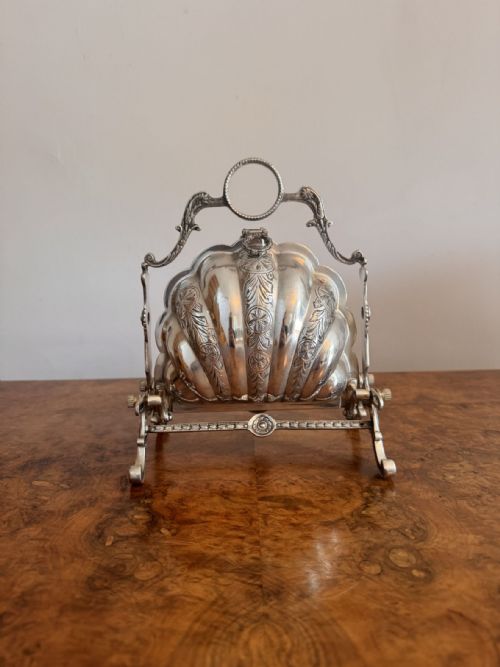
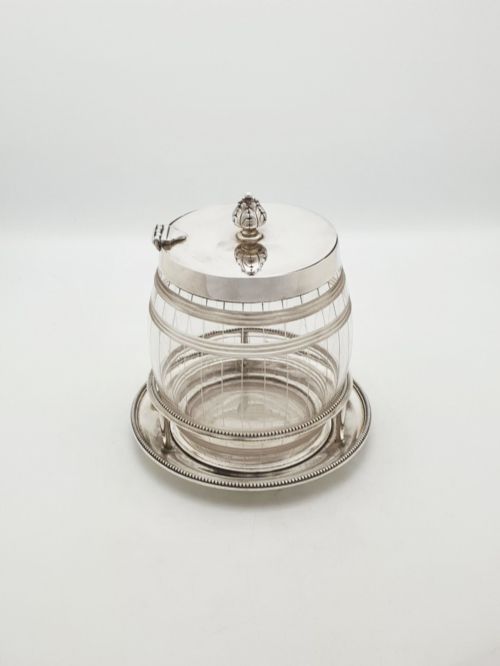
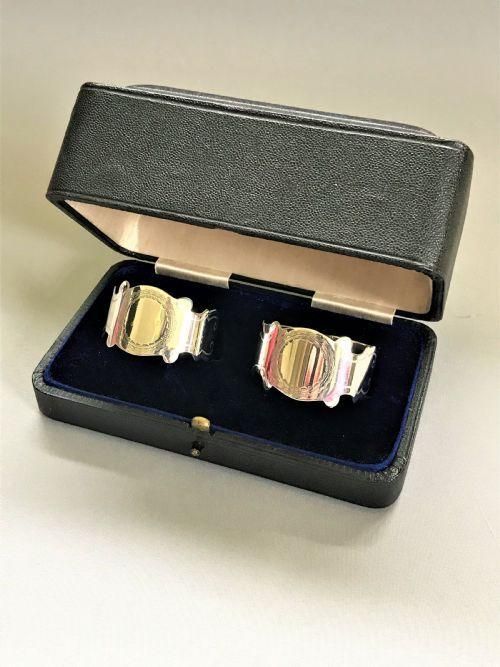
The most frequent items on this page are matched sets of napkin rings, biscuit barrels, and serving spoons housed in protective containers. These pieces originate predominantly from Victorian, Edwardian, and later twentieth-century British silversmiths, alongside continental European makers.
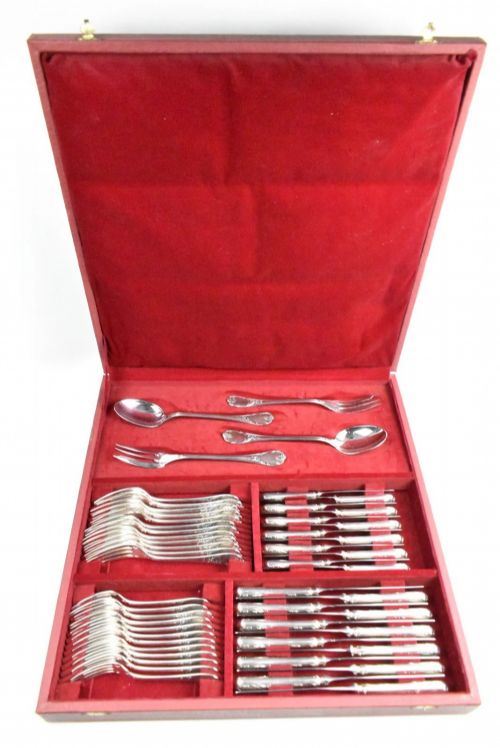
Sets designed for specific dining functions, such as butter dishes, lobster picks, and fruit serving spoons, appear alongside general tableware. Each grouping reflects the formal table settings of its respective period.
Materials and Technique
Items in this category combine solid sterling silver or silver plate with structural elements of glass, wood, and steel. Biscuit barrels frequently pair cut glass or cranberry glass with silver-plated or sterling mounts.
Protection and presentation rely on fitted interior linings made from silk, velvet, and leatherette within rigid wooden or cardboard outer cases. Outer surfaces often utilise textured leather or embossed paper to simulate hide.
Boxed Silver Tableware Retail Price Guide 2026
Typical asking prices for boxed silver tableware among the pieces listed under this phrase on Sellingantiques today, from the lower quarter to the upper quarter. They describe what is for sale here now, not the wider market.
Heraldic dragon finials peer from Victorian biscuit barrels, guarding the biscuits within.
Assessing Execution
The standard of execution depends on the weight of the silver and the precision of the metalworking, such as pierced detailing, engraved decoration, and cast finials. Thicker gauge silver resists bending during daily use and retains crisp lines in chased motifs.
Interior presentation adds distinction, with original fitted silk and velvet linings preserving the exact contours of the cutlery or rings. Intact maker stamps on both the silver pieces and the interior case lids indicate higher workshop standards.
Mappin and Webb·Elkington·Christofle·Hermes Paris·C.T. Burrows and Sons·Asprey and Co·Cartier·Robert and Belk·Walker and Hall·Harrods
The Boxed Silver Tableware Glossary
- Sterling silver
- A silver alloy containing 92.5 percent pure silver by mass, with the remainder composed of copper or other metals. This standard ensures structural rigidity for items handled frequently at the dining table.
- Silver plate
- A layer of silver applied to a base metal core, such as copper or nickel silver. This technique provides the visual appearance of solid silver at a lower material cost.
- Biscuit barrel
- A specialised lidded container designed to store and serve dry biscuits or crackers at the table. These vessels often feature a glass body secured by a hinged metal frame and handle.
- Condiment set
- A matched collection of small vessels holding salt, pepper, mustard, or other table sauces. These sets typically include miniature spoons and sit within a dedicated tray or case.
- Grape shears
- Scissors specifically shaped for cutting portions of fruit from a larger bunch without bruising. The blades often display ornate engraved foliage matching accompanying dessert flatware.
Boxed Silver Tableware: Frequently Asked Questions
What items are included in boxed silver tableware?
This category includes fitted collections of napkin rings, condiment sets, biscuit barrels, and serving flatware housed in original protective cases. These ensembles were designed for formal dining and safe storage.
Most sets contain matched components intended for coordinated table service, ranging from small butter knives to large fruit serving spoons.
How should I store cased silver items?
Keep the pieces inside their original fitted cases away from direct sunlight and damp environments to protect both the metal and the lining fabrics. Proper enclosure minimises exposure to airborne sulfur compounds that accelerate tarnishing.
Avoid storing silver in contact with rubber or certain synthetic foams, which can react with the metal surface over extended periods.
Are these sets suitable for everyday use?
Many items, such as napkin rings and solid silver flatware, remain durable enough for regular dining when handled and cleaned with appropriate care. Plated items and pieces with delicate glass liners require more careful handling to preserve the finish.
Hand washing with mild soap and warm water is recommended, followed by immediate drying with a soft cloth to prevent water spots.
How can I identify the period of the tableware?
Hallmarks stamped directly onto the silver provide official assay office marks, date letters, and maker symbols that date the metal components precisely. Stylistic indicators like Art Deco geometric lines or Victorian rococo revival scrolls also help determine the era.
The materials used in the protective cases, such as silk linings or textured leatherette, offer additional contextual clues to the manufacturing decade.