


Boxed Silver Napkin Rings
Boxed silver napkin rings bring formal dining history to the table, pairing precious metal with fitted presentation cases.
Boxed Silver Napkin Rings
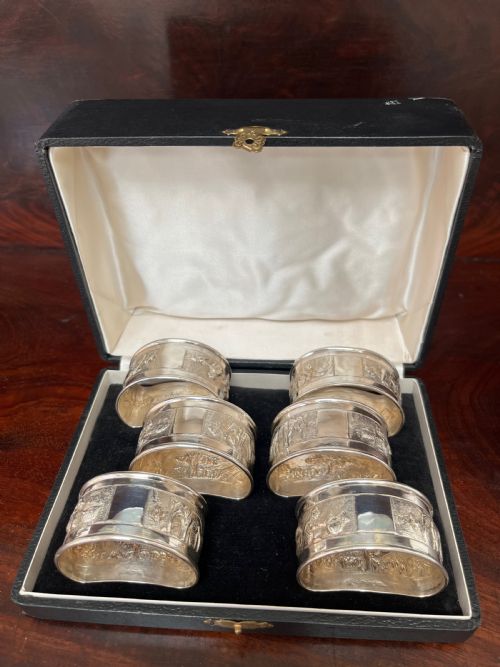
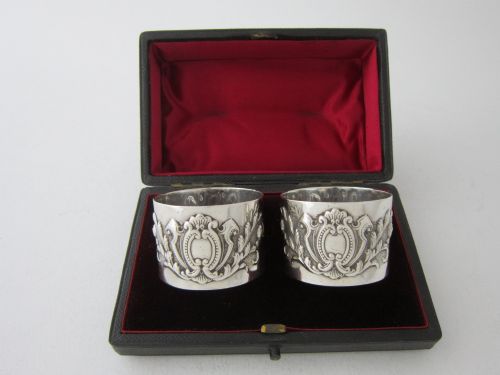
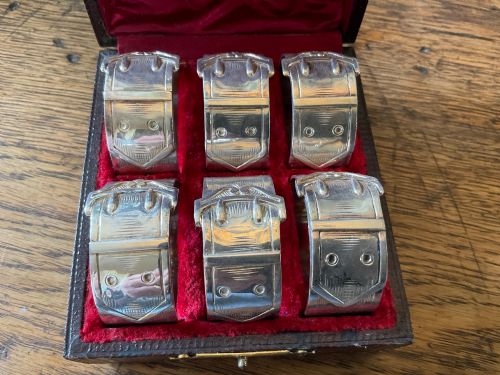
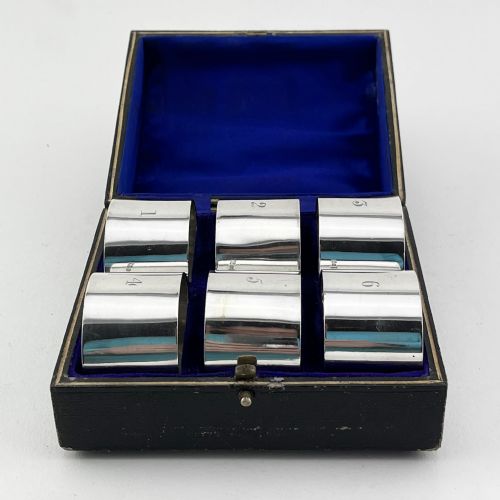
When you examine boxed silver napkin rings, you encounter sets designed to keep family linens organised at the dining table. These items appear most frequently as sets of four or six, housed in fitted containers that protected the metal from tarnish and wear when not in use.
The selections span the Victorian, Edwardian, and Art Deco periods, alongside later mid-century examples. You will find individual pairs as well as larger matched sets, often accompanied by christening pieces or specialised storage chests.
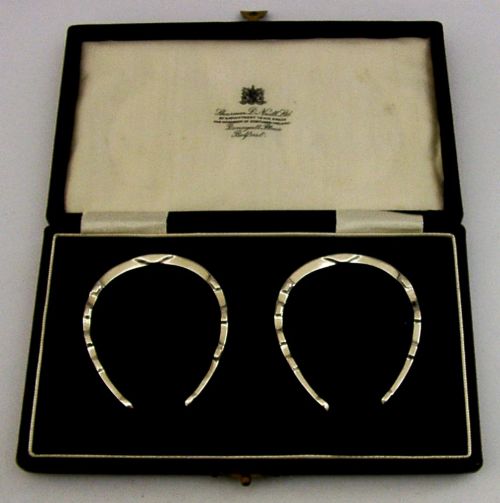
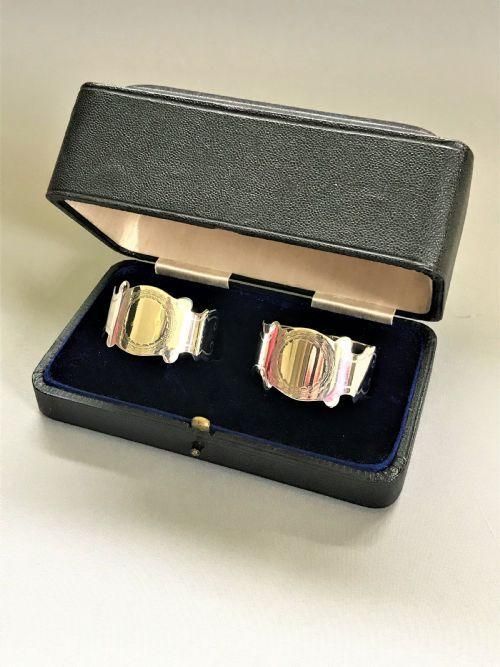
Formations range from plain barrel shapes to ornate pierced designs, lucky horse shoes, and belt buckle motifs. The inclusion of original fitted presentation cases elevates these items from simple tableware to complete collector sets.
Materials and construction
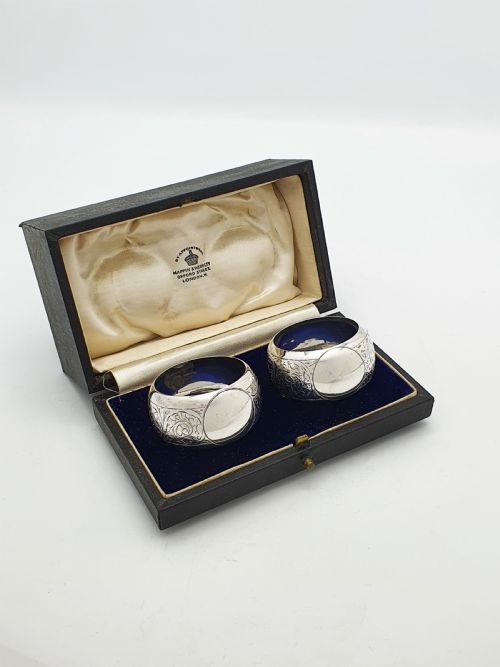
The primary metal utilised is solid sterling silver or silver plate, shaped into cylindrical, circular, or D-shaped bands. Many examples incorporate intricate engraving, piercing, or applied floral and scroll borders executed by period silversmiths.
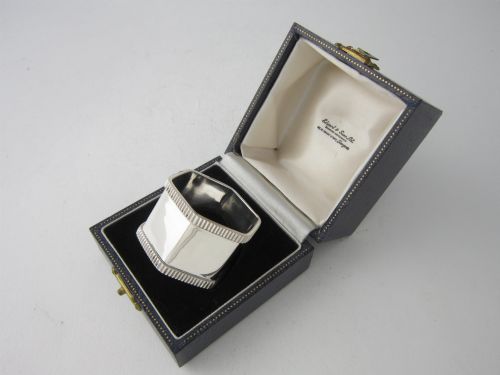
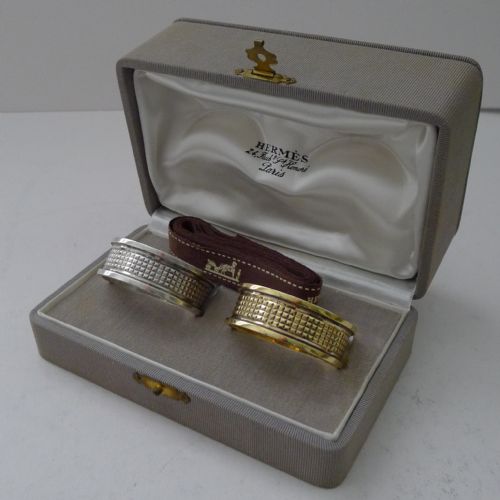
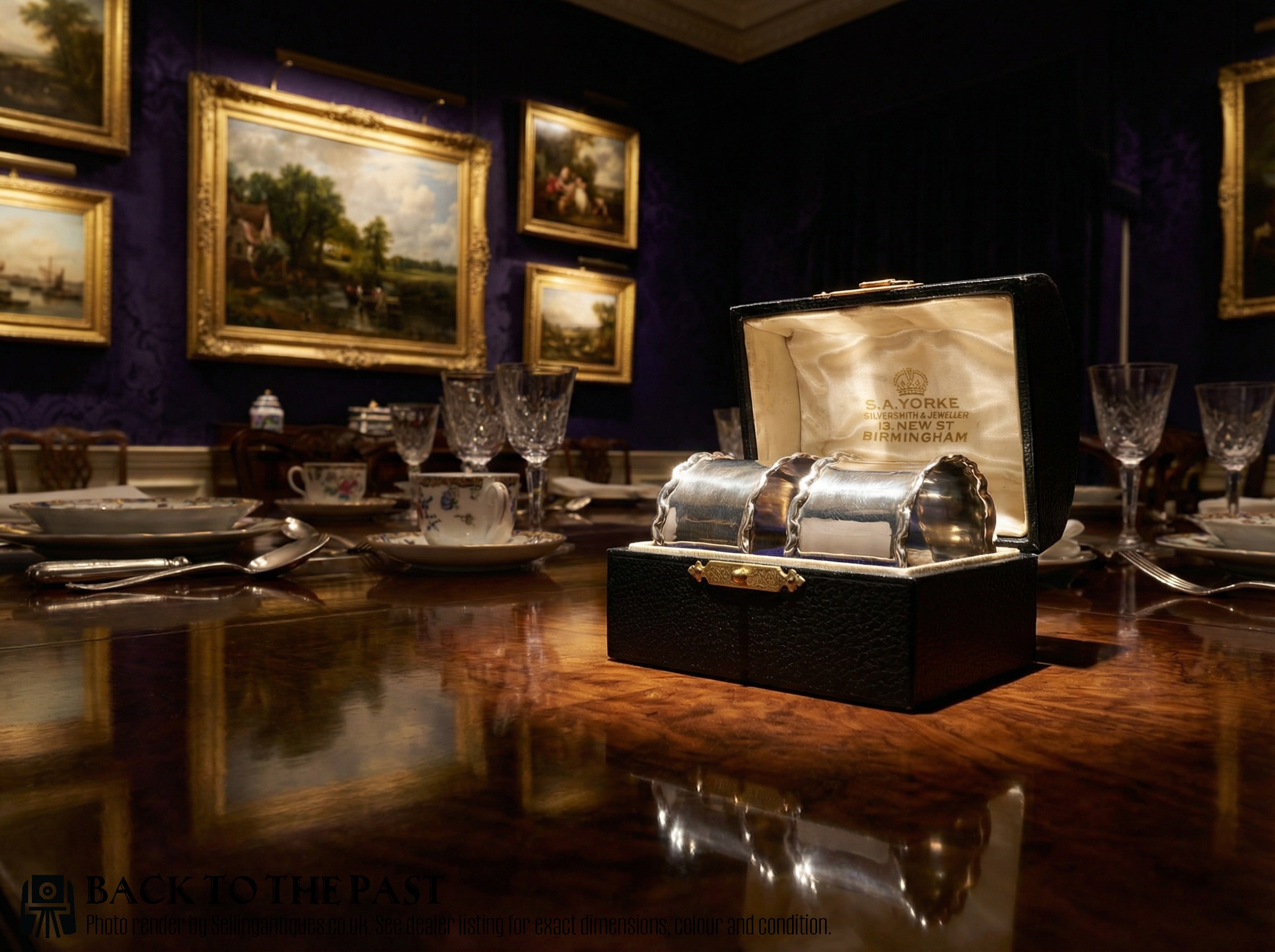
Protection and presentation relied on fitted cases constructed from wood, leather, or leatherette. The interiors of these boxes were lined with tactile materials such as velvet, silk, or satin to cushion the metal rings securely.
Boxed Silver Napkin Rings Retail Price Guide 2026
Typical asking prices for boxed silver napkin rings among the pieces listed under this phrase on Sellingantiques today, from the lower quarter to the upper quarter. They describe what is for sale here now, not the wider market.
Listings feature solid sterling silver alongside silver plate, housed in velvet, silk, and leatherette cases spanning the Victorian to Art Deco eras.
Distinguishing quality
Quality reveals itself through the thickness and weight of the silver used to form each band. Substantial gauge metal resists denting and maintains its structural integrity through decades of handling and polishing.
The craftsmanship of the presentation box is an equally vital indicator. Superior examples feature robust hinges, intact internal silk or velvet linings, and well-fitted recesses that match the precise contour of the enclosed rings.
C.T. Burrows & Sons·Tiffany & Co·Mappin & Webb·Cartier·Hermes
The Boxed Silver Napkin Rings Glossary
- Sterling silver
- A silver alloy containing 92.5 percent pure silver and 7.5 percent other metals, usually copper, ensuring durability for functional items.
- Silver plate
- A base metal substrate coated with a thin layer of pure silver, providing the appearance of solid silver at a different cost point.
- Cartouche
- An ornamental frame or panel inscribed on the napkin ring, often left blank for personal engraving or monograms.
- Assay office
- A statutory body that tested precious metals and applied official hallmarked stamps to guarantee metal purity.
- Pierced work
- A decorative technique where sections of the metal are cut out to create intricate openwork patterns.
Boxed Silver Napkin Rings: Frequently Asked Questions
How were napkin rings used?
Napkin rings served a practical domestic purpose in communal households where laundering happened infrequently. Each family member retained their assigned ring between meals to identify their specific cloth napkin.
Over time, these items transitioned from daily utility to formal dining accessories and popular gifting choices for christenings and weddings.
Why are some rings numbered?
Numbered napkin rings ensured that household members retrieved their exact personal napkin at every meal. Matching numbers stamped on the rings corresponded to a household seating plan or family roster.
Sets featuring sequential numbering inside original fitted boxes remain particularly sought after by collectors preserving complete dining suites.
How do I care for silver rings?
Solid silver and silver plate require gentle cleaning with specialised non-abrasive polishes to maintain their surface shine. Regular handling actually helps retard tarnish accumulation on display items.
Storing the rings inside their original velvet or silk-lined boxes protects them from airborne sulphur compounds that cause dark oxidation.
How do I identify the period?
Hallmarks stamped directly onto the silver surface provide definitive dating evidence through specific town marks, maker marks, and date letters. Comparing the typography of these stamps against historical records reveals the exact year of manufacture.
Stylistic cues such as geometric Art Deco lines or flowing Edwardian floral engraving also help determine the era of production.