



Boxed Salt Cellars
Boxed salt cellars are fitted sets designed to hold individual portions of salt at table, combining precious metals and protective lined cases for display and storage.
Boxed Salt Cellars
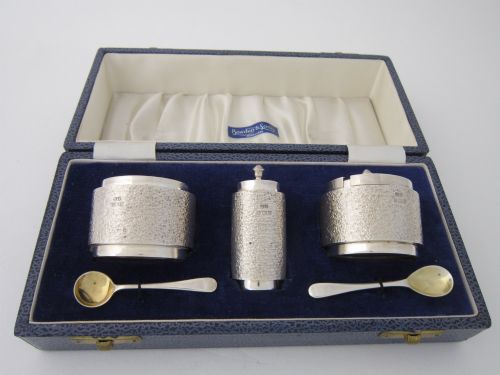
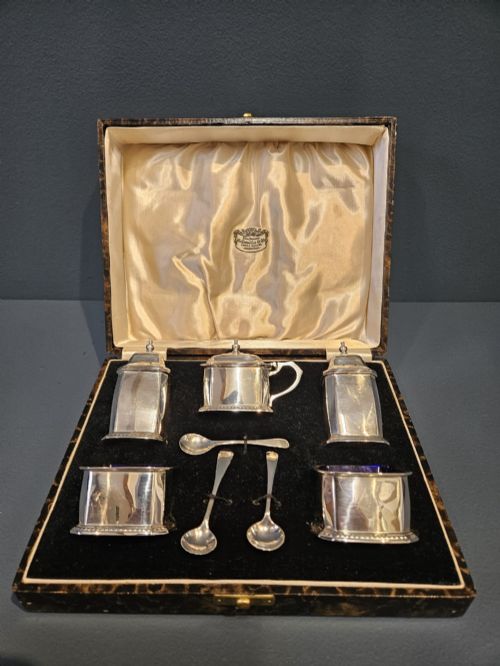
When you search for boxed salt cellars, you encounter matched sets of open salt vessels accompanied by small spoons, all housed in bespoke fitted cases lined with fabric. The evidence shows these pieces span multiple eras, including Victorian, Edwardian, and Art Deco periods, each reflecting the dining customs of its time.
You are most likely to meet silver condiment sets or pairs of open salts resting in leatherette or velvet-lined boxes dating from the late nineteenth century through to the mid-twentieth century. These sets range from simple domestic tableware to elaborate service pieces marked by distinct period styles.
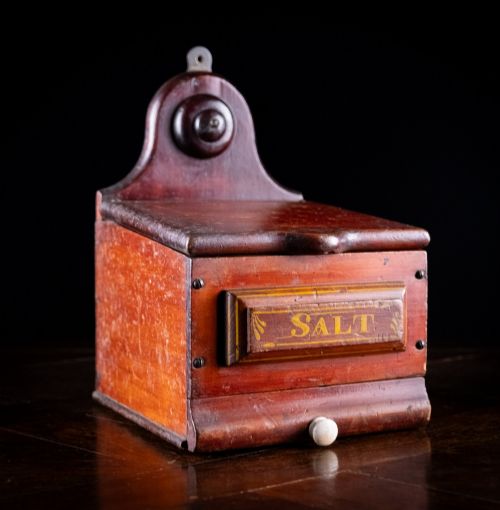
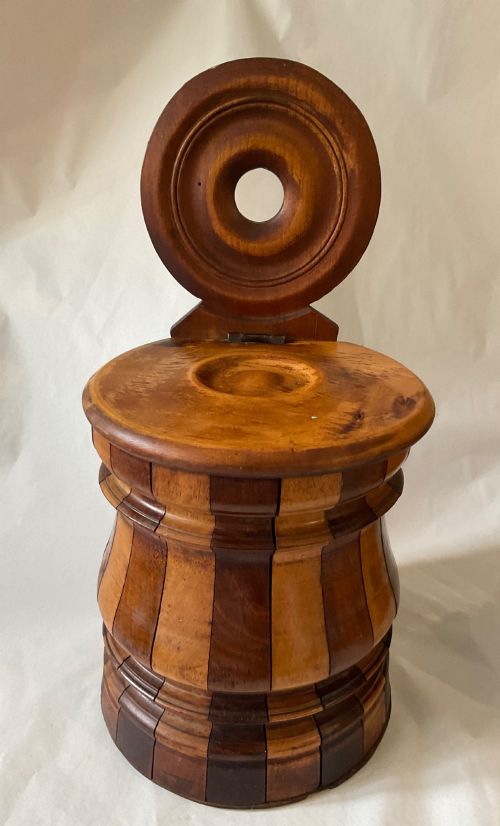
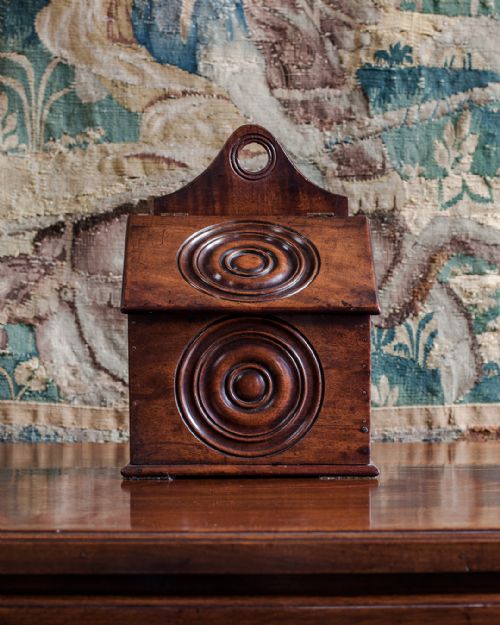
The assortment includes larger wall-mounted or freestanding wooden salt boxes alongside table sets, though the boxed iterations specifically target formal dining service. Their forms encompass three-piece, four-piece, and five-piece groupings designed to sit neatly upon the dining table.
How they were made
Makers utilised sterling silver and standard silver for the salt cellars and spoons, often pairing them with clear or coloured glass liners to protect the metal from corrosion. These components were shaped through casting, stamping, and hammering before receiving hallmarks to indicate their purity and origin.
The protective cases rely on a wooden or card carcass covered in textured leatherette, satin, or velvet, then internally fitted with silk and fabric to cradle each individual piece. This combination of precious metalwork and fitted upholstery required collaboration between silversmiths and specialist box makers.
Boxed Salt Cellars Retail Price Guide 2026
Typical asking prices for boxed salt cellars among the pieces listed under this phrase on Sellingantiques today, from the lower quarter to the upper quarter. They describe what is for sale here now, not the wider market.
The documented condiment sets range from single-pair salt cellars with spoons to five-piece cruet collections housed in leatherette cases.
What varies in quality
The distinction between ordinary and superior pieces rests on the weight and gauge of the silver, the crispness of the chasing or decorative borders, and the structural integrity of the fitted box. Heavier metal gauge yields a more substantial feel in the hand, while precise interior lining ensures the components remain secure during transit.
Workmanship evident in the hinges and clasps of the case, alongside the matching of spoons to their specific salt cellars, separates standard production items from those produced by premier silversmiths. Complete sets retaining their original glass liners and undamaged fitted interiors command greater appreciation among collectors.
Wilmot Manufacturing Co·Mappin & Webb
The Boxed Salt Cellars Glossary
- Open salt
- A small open vessel used to hold salt at the dining table before the invention of the spring-loaded salt shaker. They typically require a small spoon for dispensing the condiment.
- Cruet set
- A matched collection of bottles, castors, or cellars designed to hold condiments such as salt, pepper, mustard, and vinegar together on the dining table. These are frequently housed in a fitted box or mounted in a metal frame.
- Leatherette
- A simulated leather material made from a fabric base coated with a plastic or pyroxylin compound. It appears commonly as the exterior covering on nineteenth and twentieth-century presentation cases.
- Hallmark
- A series of official marks stamped onto precious metal items in the United Kingdom, indicating the maker, metal purity, assay office, and year of testing. They provide the primary means of dating British silver items accurately.
Boxed Salt Cellars: Frequently Asked Questions
What is a boxed salt cellar?
A boxed salt cellar is a matching set of small open salt dishes and spoons sold together in a fitted, lined presentation case. These sets were designed for formal dining tables and safe storage.
The inclusion of a dedicated box indicates a presentation piece, often given as a wedding gift or prize, keeping the delicate silver components protected from tarnishing when not in active use.
How were salt cellars used at table?
Diners used small salt spoons to transfer salt from the open cellar directly onto the side of their plate. Each guest often had their own individual salt cellar placed beside their dinner plate.
This method of service predated the widespread adoption of salt shakers, requiring guests to manage individual portions rather than sharing a central cellar across a large dining table.
How do I date a silver salt set?
Dating relies primarily on the assay office hallmarks stamped into the sterling silver components of the salts and spoons. These marks correspond to specific active years for the maker and testing office.
The style of the box, the lining fabrics, and the overall design aesthetics such as Victorian ornamentation or Art Deco geometry also help narrow down the period of manufacture.
Do salt cellars need glass liners?
Many silver salt cellars were manufactured with fitted blue or clear glass liners to prevent salt from corroding the interior silver surface. While some designs function without them, original liners add completeness to a set.
Salt is highly corrosive to sterling silver over extended periods, making the glass insert a practical addition that preserved the metalwork during long-term domestic use.