

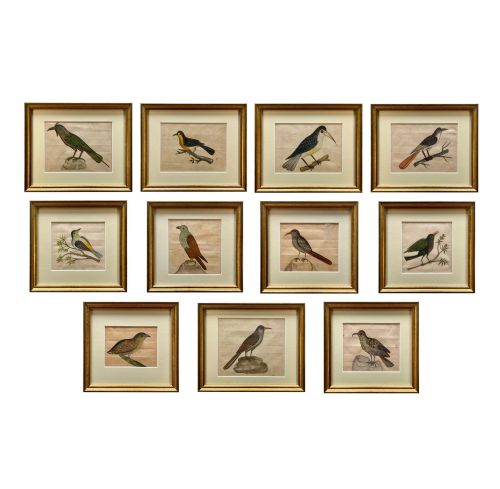
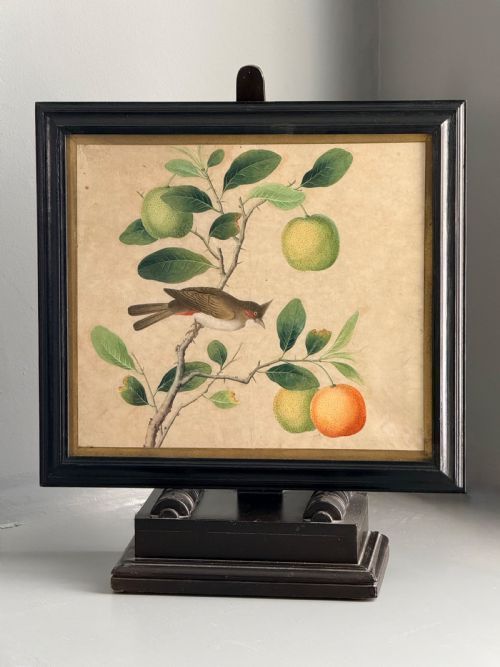
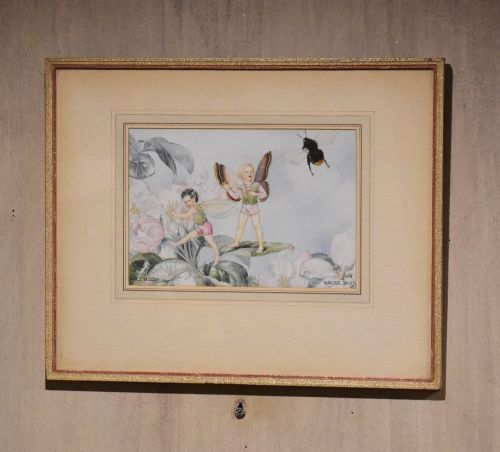
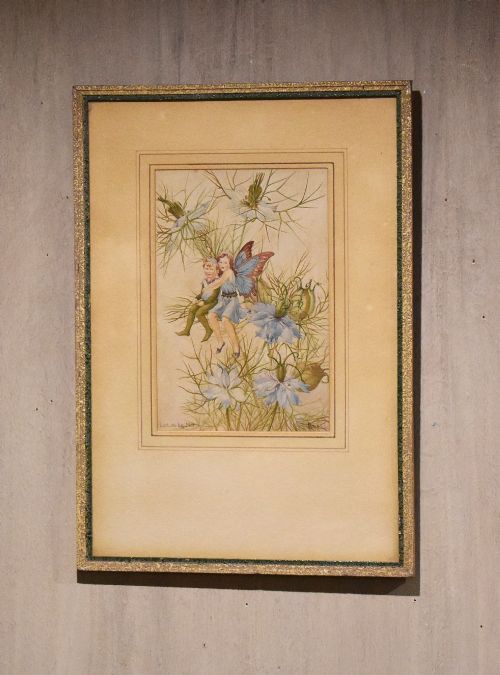

Botanical Watercolor Painting
Botanical watercolor painting captures plants and flowers with precise pigment on paper, offering enduring studies of natural forms for interior display.
Botanical Watercolor Painting
A botanical watercolor painting portrays flowers, fruit, and garden scenes through water-based pigments applied to paper supports. These works range from precise scientific studies to looser artistic interpretations created across the nineteenth and twentieth centuries.
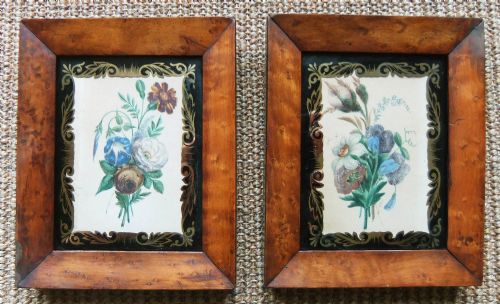
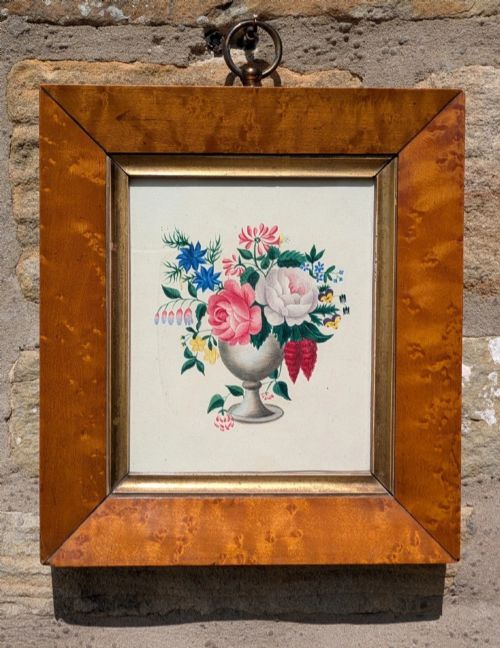
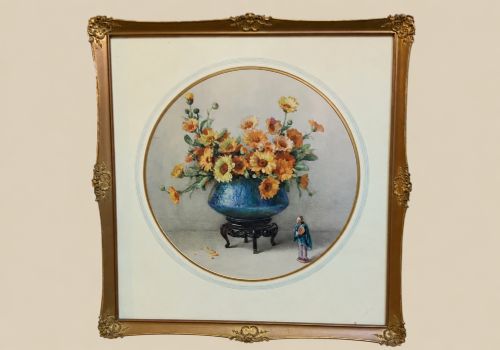
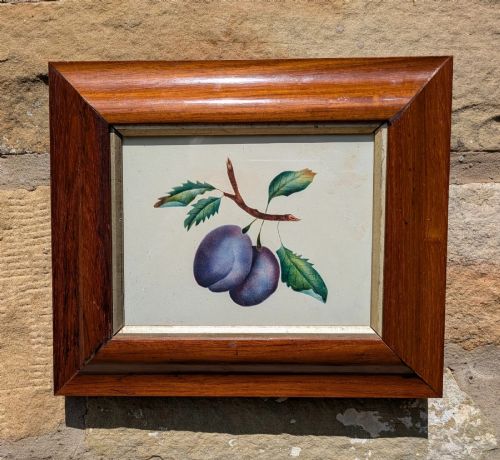
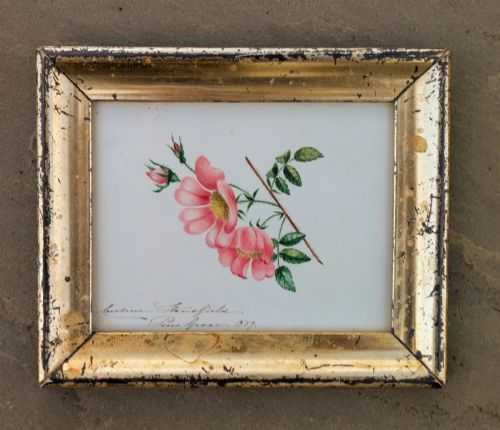
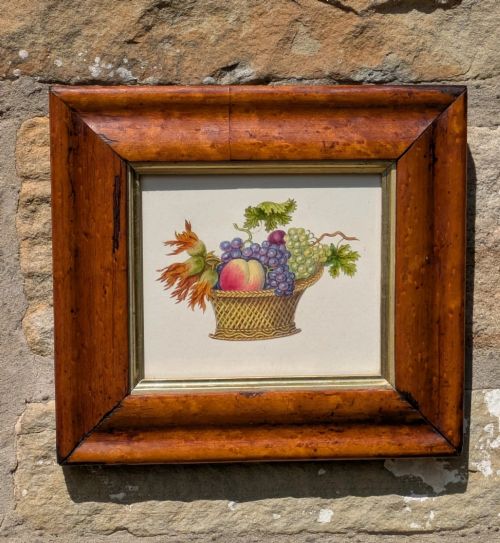
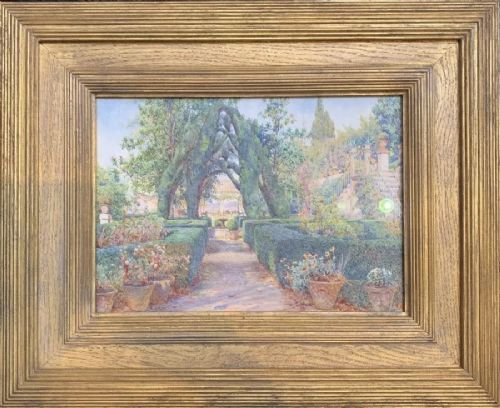
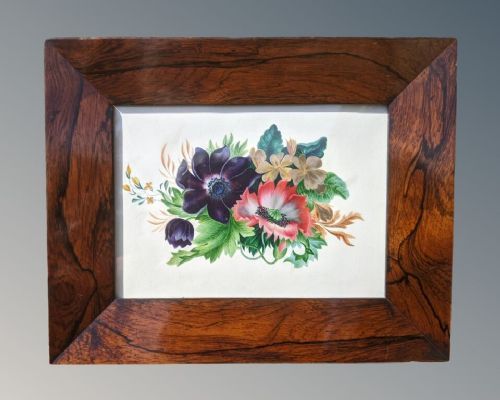
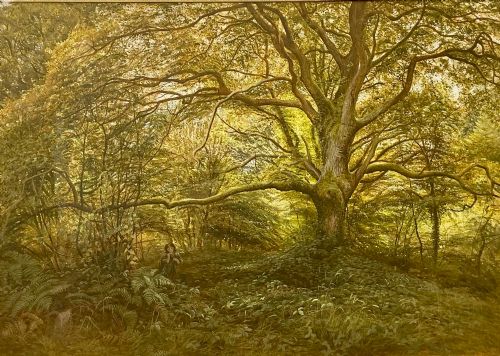
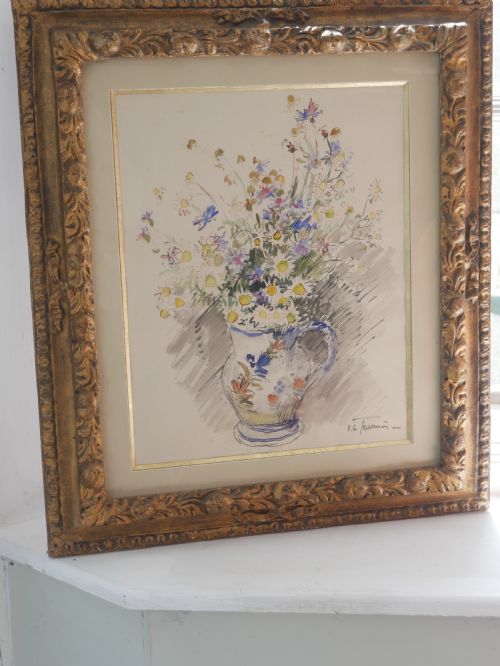
Buyers seeking a botanical watercolor painting encounter varied formats, including single flower studies, elaborate still-life arrangements in jugs or baskets, and garden landscapes. Pieces span Regency, Victorian, Edwardian, and mid-century periods, often housed in period rosewood or gilt wood frames.
The version most frequently met on this page is the nineteenth-century floral study or early twentieth-century garden view, rendered on paper with watercolor and occasionally gouache or pencil highlights.
How They Were Made
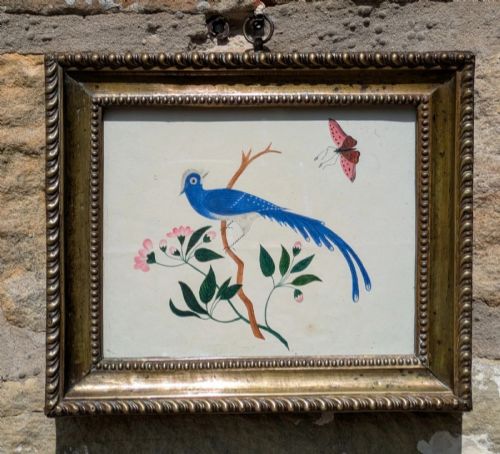
Artists executed these works on paper using water-soluble pigments, frequently combining watercolor with gouache for opaque highlights and pencil for underlying botanical structure. Some specialised examples utilise pith paper as a support medium.
Completed works found protection behind glass within timber frames, which range from simple rosewood mouldings to ornate French Aesthetic movement pewter frames and gilt wood surrounds.
Botanical Watercolor Painting Retail Price Guide 2026
Typical asking prices for botanical watercolor painting among the pieces listed under this phrase on Sellingantiques today, from the lower quarter to the upper quarter. They describe what is for sale here now, not the wider market.
Listings feature works from the 18th Century, Regency, Victorian, and mid-20th Century periods.
What Varies in Quality
Quality rests upon the precision of the botanical drawing and the handling of pigment, where assured brushwork creates convincing texture in petals, leaves, and vessels. Finer examples display accurate observation of plant anatomy alongside balanced composition.
The integrity of the paper support and the preservation of the pigments determine longevity, as fading alters the intended colour relationships. Original period framing also contributes to the historical completeness of the piece.
Marjorie L Davies·Ernest Arthur Rowe·Bonomi Edward Warren·James Tower·Alice Anne Renshaw·Harry Wanless·Henrietta Creswell·Lester Sutcliffe·William Andrews Nesfield·Lilian Stannard·William Hough·Eloise Harriet Stannard·Edith Barrow·Rowland Henry Hill·Grace Hastie·Margaret Laing·Phyllis I Hibbert·Marian Chase·Alfred W Parsons·Jabez Bligh·Owen Bowen
The Botanical Watercolor Painting Glossary
- Watercolour
- A paint consisting of pigment suspended in a water-based solution, applied in translucent washes to paper. It allows artists to build delicate layers of tone and light.
- Gouache
- An opaque water-based paint containing pigment and a binding agent, mixed with a white filler. It provides solid highlights and denser colour application than standard watercolour.
- Pith paper
- A traditional Asian plant material formed from the pith of the Tetrapanax papyrifer plant. It provides a unique absorbent surface for delicate watercolor and gouache painting.
- Regency
- A British stylistic period spanning the early nineteenth century. Works from this era often feature refined classical restraint and delicate botanical detail.
- Aesthetic movement
- A late nineteenth-century design approach emphasising visual beauty over narrative. Frames and paintings from this movement often incorporate distinct artistic metalwork and stylised floral motifs.
Botanical Watercolor Painting: Frequently Asked Questions
What is a botanical watercolor painting?
A botanical watercolor painting is an artwork executed on paper using water-based pigments to depict flowers, plants, and garden scenes. These pieces combine artistic expression with observational study of natural subjects.
Created across various historical periods, these works function as decorative wall art that brings natural forms into interior spaces.
How should I frame and hang these paintings?
These works on paper require framing behind glass to protect the delicate watercolor pigments from moisture, dust, and direct sunlight. Many pieces arrive in period frames that complement the age of the artwork.
Display the paintings on interior walls away from direct sunlight to preserve the original colour intensity of the pigments over time.
How do I tell Victorian pieces apart?
Victorian botanical paintings often feature detailed studies of flowers in garden settings, baskets, or decorative jugs, frequently executed with a combination of watercolor and gouache. The paper stock and framing styles help establish the nineteenth-century origin.
Signatures, dates, and framing materials such as rosewood or ornate gilt wood provide further clues to distinguish Victorian works from later twentieth-century productions.
Did artists use materials other than paper?
While paper serves as the primary support for these watercolors, some specialised nineteenth-century works utilise pith paper. Framing materials include wood, glass, rosewood, gilt wood, and pewter.
Pencil and gouache frequently accompany watercolor pigment on the paper surface to add structural lines and opaque highlights.