

Botanical Still Life Oil
Botanical still life oil paintings capture enduring floral arrangements on canvas and panel, offering interiors a rich depth of natural colour.
Botanical Still Life Oil
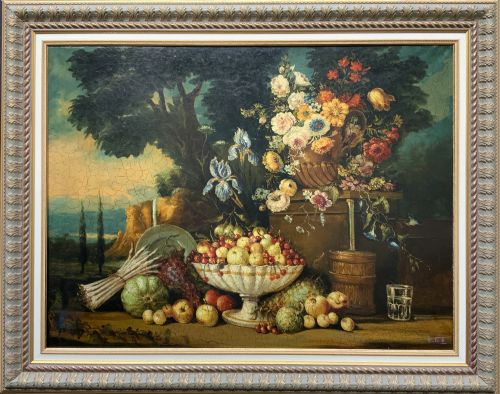
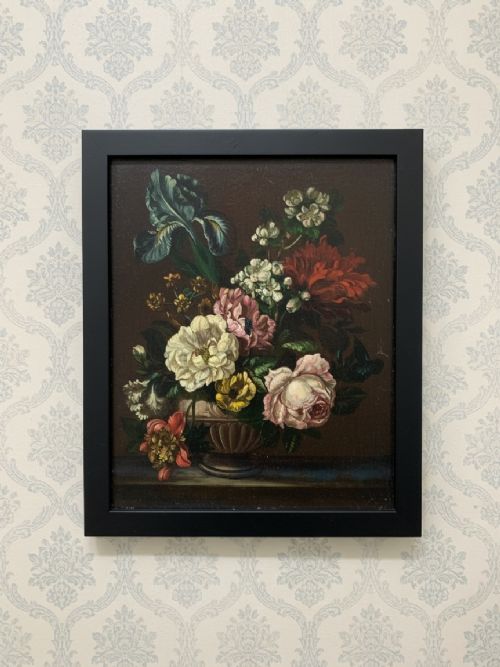
A botanical still life oil brings together the careful study of flowers, fruit and foliage rendered in pigmented oils across centuries of artistic tradition. You will encounter nineteenth-century canvases alongside seventeenth-century Flemish Baroque compositions and mid-century impressionist interpretations.
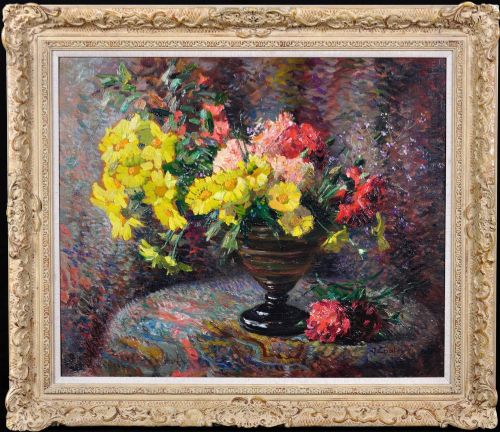
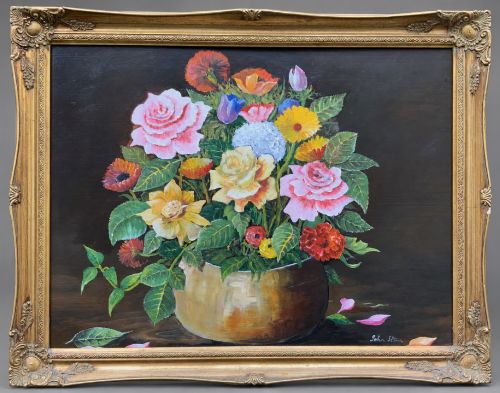
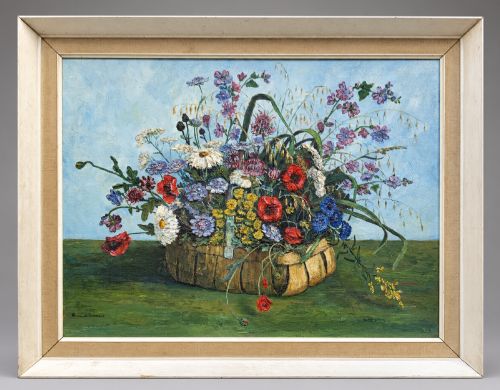
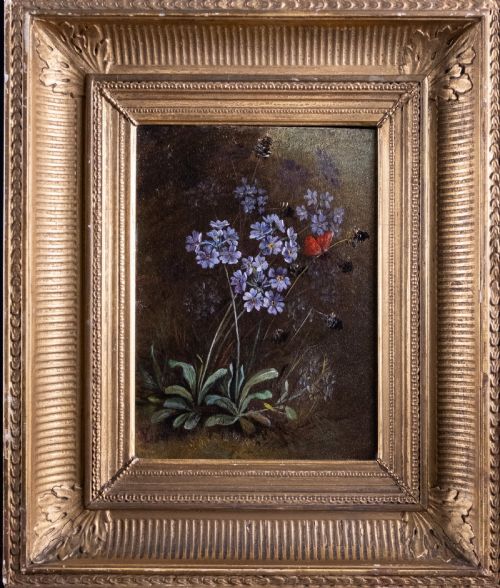
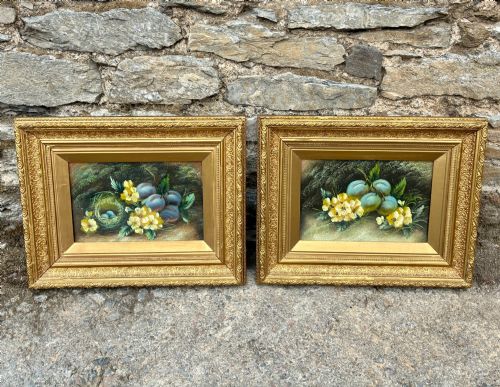
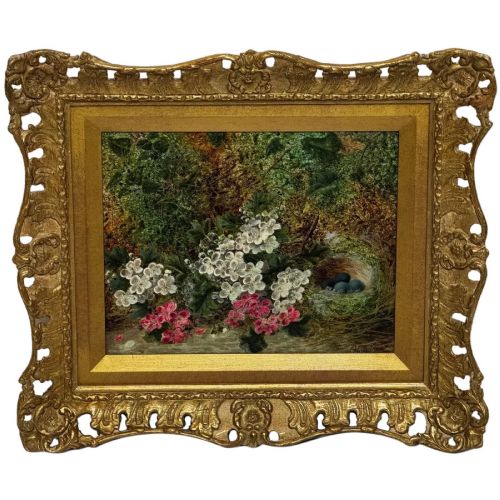
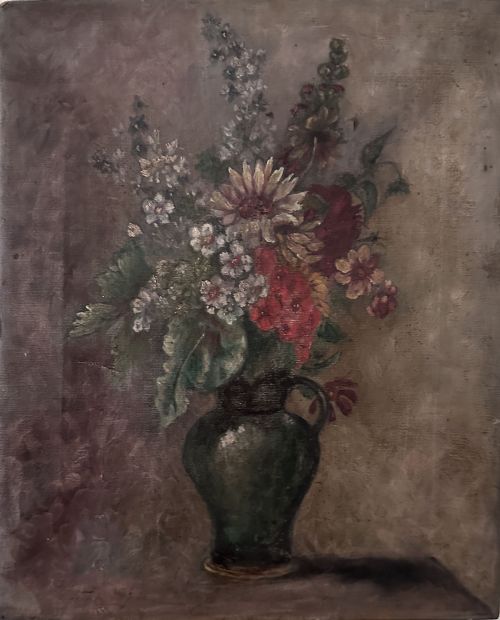
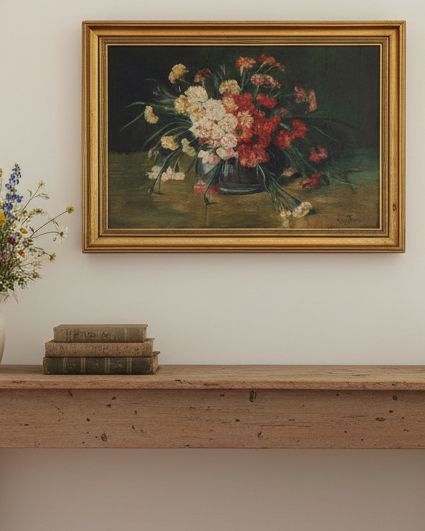
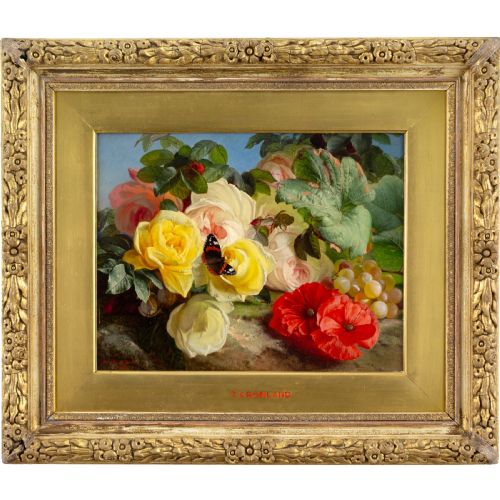
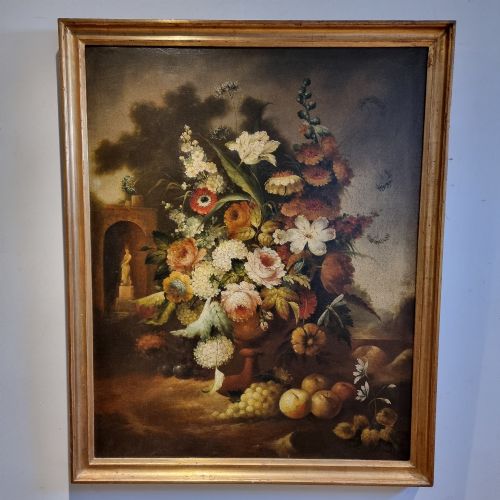
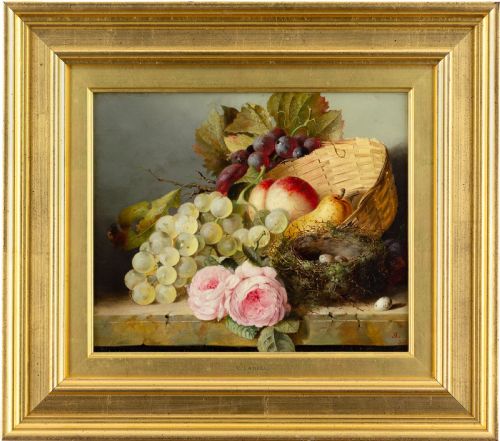
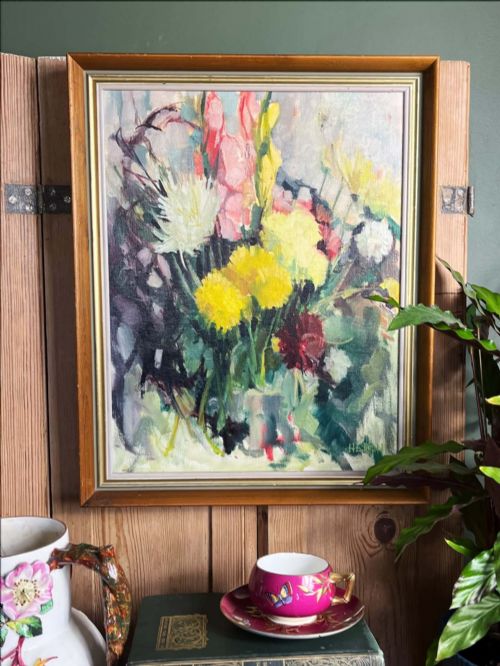
The most common pieces on this page are mid-century and twentieth-century floral panels and canvases, often depicting roses, poppies and summer blossoms in vases or wicker baskets. These sit alongside grander Dutch Golden Age style works and Victorian depictions featuring birds' nests and autumn fruits.
Works range from intimate signed studies on board to monumental decorative pieces framed in gilded wood. Each painting reflects the prevailing botanical interest of its period, moving from meticulous realism to looser impressionist brushwork.
Materials and technique
Artists built these compositions primarily using oil paint applied to stretched canvas, wooden panels or thick board. The slow-drying nature of oil allowed painters to blend pigments smoothly, capturing the soft petals of roses and the translucent quality of glass vases.
Botanical Still Life Oil Retail Price Guide 2026
Typical asking prices for botanical still life oil among the pieces listed under this phrase on Sellingantiques today, from the lower quarter to the upper quarter. They describe what is for sale here now, not the wider market.
Several baskets appear heavy with fruit and flowers, sheltering small birds that apparently dropped by to inspect the arrangement.
What separates the fine from the ordinary
Quality in a botanical still life oil rests upon the precision of the draughtsmanship and the handling of light across organic forms. Stronger pieces reveal confident brushwork that defines the individual texture of a leaf, the fragile curve of a petal and the interplay of shadow within a basket.
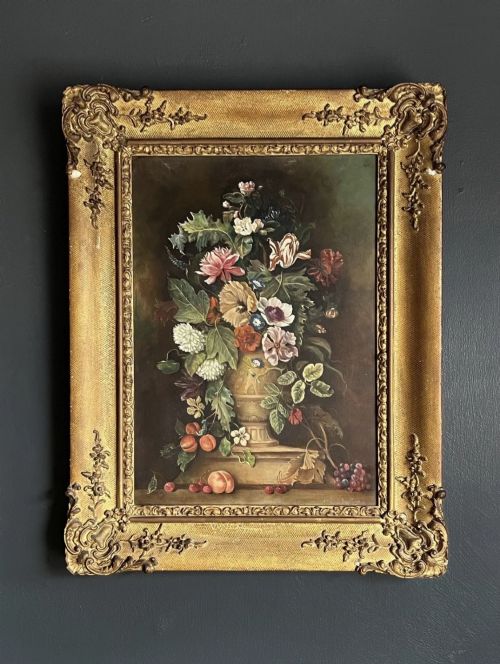
The integration of the subject with its frame also dictates distinction, as period gilt gesso surrounds enhance the depth of the painted canvas. Lesser works rely on repetitive composition and flat application, whereas superior examples demonstrate structural vitality and convincing spatial depth.
Theude Grönland·Oliver Clare·Edward Ladell·Emma Fordyce MacRae·Gaspar Peeter Verbruggen·Konstantin Stoitzner·Owen Bowen·Amile Coppieters
The Botanical Still Life Oil Glossary
- Oil on canvas
- A traditional painting method where oil pigments are applied to a woven fabric support stretched across a wooden frame. This combination allows for rich colour saturation and subtle blending.
- Gesso
- A plaster-like mixture applied to wooden frames as a base for gilding and ornamentation. It provides a smooth surface that takes gold leaf effectively.
- Gilt frame
- A wooden picture frame coated with a thin layer of gold leaf or metallic paint. These frames add warmth and visual weight to the artwork they enclose.
- Impressionism
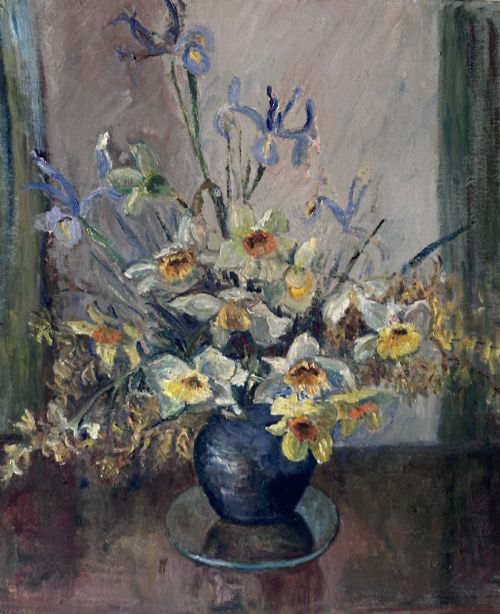
- A style of painting emphasising loose brushstrokes and the shifting effects of light rather than microscopic detail. It appears frequently in twentieth-century floral studies on this page.
- Flemish Baroque
- A seventeenth-century artistic movement known for dramatic lighting, rich textures and complex arrangements of flora and fauna. Works in this style display intense realism.
Botanical Still Life Oil: Frequently Asked Questions
How do I identify the period of an oil painting?
Examine the canvas preparation, stretcher construction and framing materials alongside the stylistic conventions of the brushwork. Earlier works often show hand-planed wood and heavier craquelure in the pigment.
Compare the floral arrangement and container type with historical painting trends from the seventeenth century through to the mid-twentieth century.
Where were botanical still lifes displayed historically?
These paintings traditionally hung in formal dining rooms, drawing rooms and private studies of domestic interiors. They served to bring the vibrant colours of seasonal gardens indoors throughout the year.
Larger scale works were often commissioned as statement pieces for grand entrance halls and country houses.
How should I care for an antique oil painting?
Keep the artwork away from direct sunlight, high humidity and dramatic temperature fluctuations that can cause the canvas or wooden panel to warp. Dust the surface gently with a soft, dry brush without applying pressure.
Avoid using water or liquid cleaning agents on either the oil paint or the gilt frame.
What is the difference between canvas and panel supports?
Canvas consists of woven fabric stretched over a wooden frame, offering a flexible surface with subtle texture. Panels are solid pieces of wood or board providing a rigid base that resists sagging over time.
Both supports have been utilised across different centuries depending on artist preference and regional availability.