



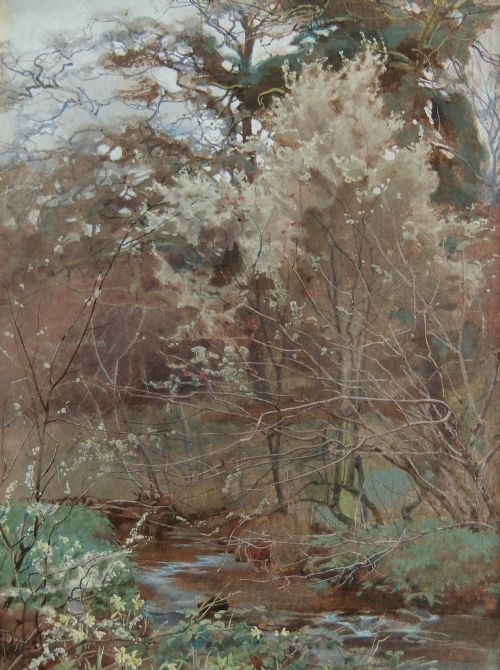


Botanical Landscape Painting
Botanical landscape painting captures the careful intersection of gardens and the natural world, offering collectors a vibrant record of historic flora.
Botanical Landscape Painting
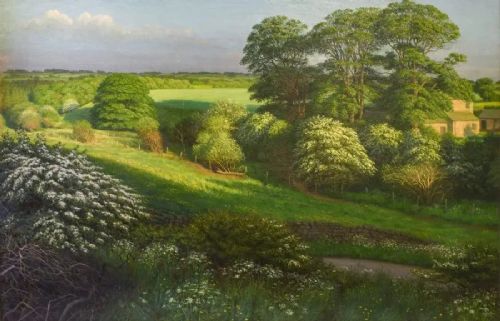
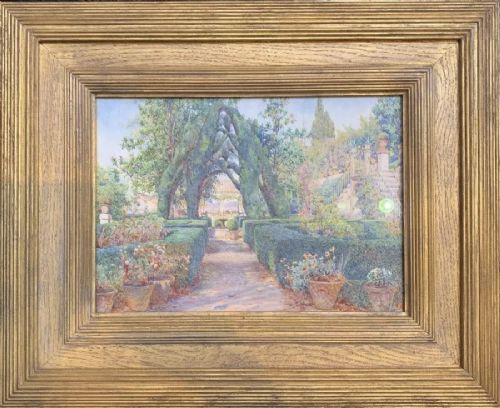
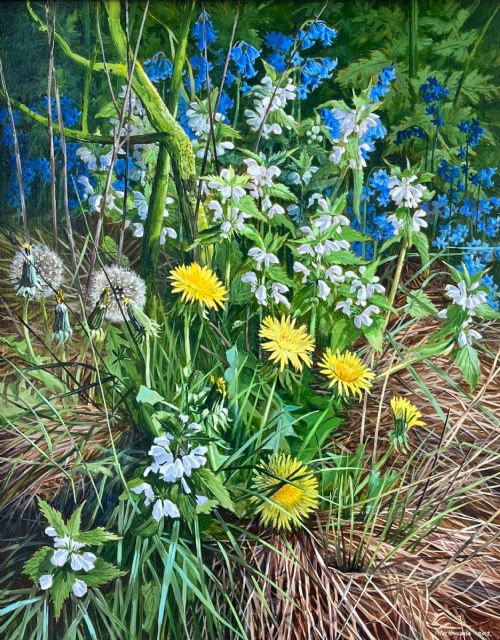
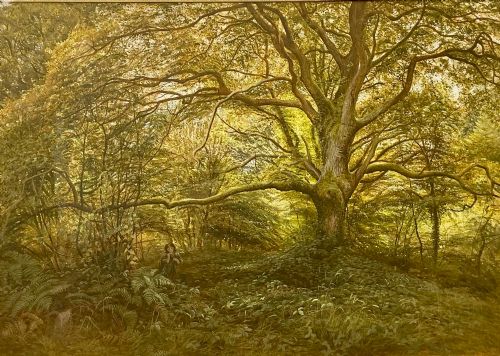
A botanical landscape painting merges detailed studies of plants and flowers with expansive outdoor scenery, capturing domestic gardens, woodland paths, and municipal parks. These works record specific horticultural settings, from walled country house gardens to intimate woodland corners filled with blossom and bluebells.
The pieces available span from the Victorian period and the late nineteenth century through the Edwardian era into the twentieth century, with modern and mid-century examples also appearing. Watercolours dominate the selection alongside oil paintings on canvas and mixed media works.
Buyers seeking a botanical landscape painting will frequently encounter framed watercolours executed by established British artists, portraying seasonal garden scenes with meticulous attention to floral detail. Such pieces bridge the gap between pure botanical illustration and traditional landscape art.
Materials and Technique
Artists relied primarily on watercolour paint applied to paper or oil paint on canvas, utilising the distinct properties of each medium to render light and petal texture. Watercolour permitted delicate, translucent washes suitable for spring crocuses and garden flowers, while oil paint allowed heavier impasto for water lilies and garden foliage.
Framed artwork of this type often incorporates protective glass alongside wooden framing to preserve delicate paper supports and pigment integrity over time. The physical construction combines traditional stretcher frames for canvas works with secure matting and glazing for works on paper.
Several artists clearly spent long, damp hours in Kew Gardens and St James Park waiting for the crocuses to finally behave.
What Varies in Quality
Quality rests upon the artist's ability to balance botanical accuracy with atmospheric landscape composition, distinguishing masterly handling of light from stiff or formulaic garden depictions. The finest works demonstrate confident brushwork that defines individual plant species without sacrificing the naturalistic mood of the outdoor scene.
The preservation of the medium heavily influences the standing of a piece, particularly with works on paper where pigment fading or paper discoloration alters the original colour harmony. Stronger examples retain their initial vibrancy, particularly in the rendering of seasonal blooms like yellow rudbeckia or Michaelmas daisies.
Raymond Booth·Ernest Arthur Rowe·Peter Newcombe·Harry Wanless·Lilian Stannard·Alfred W Parsons·Owen Bowen·Beatrice Parsons·Edgar Bundy·George Frederick Nicholls·Minnie Smythe
The Botanical Landscape Painting Glossary
- Watercolour Paint
- A water-soluble medium utilising finely ground pigments suspended in a binder, widely employed for detailed botanical studies on paper. This medium allows artists to achieve delicate transparency when capturing spring blossoms and garden scenes.
- Oil Paint
- A slow-drying medium composed of pigments particles suspended in drying oils, typically applied to canvas or wood supports. It offers rich colour depth and textural flexibility suitable for capturing impressionistic water lilies and dense foliage.
- Mixed Media
- An artwork utilising more than one medium or material combined on a single support, bridging traditional painting techniques. Such pieces appear in twentieth-century floral garden scenes.
- Framed Artwork
- A finished painting or watercolour enclosed within a protective wooden structure, frequently incorporating glass for paper preservation. It prepares the piece for wall display while shielding the surface from environmental damage.
Botanical Landscape Painting: Frequently Asked Questions
What defines a botanical landscape painting?
A botanical landscape painting focuses specifically on plant life integrated within a wider outdoor setting, such as a garden, park, or woodland path. It differs from a pure botanical study by placing flowers and trees in an environmental context.
These works combine horticultural precision with landscape perspective, capturing seasonal changes like spring blossoms or autumn daisies.
How do I care for watercolour paintings?
Watercolour paintings on paper require careful placement away from direct sunlight to prevent the pigments from fading over time. Maintaining stable indoor humidity levels also protects the paper and any underlying mounting materials.
Displaying them behind protective glass under subdued lighting preserves the delicate washes characteristic of nineteenth and twentieth-century works.
What is the difference between oil and watercolour versions?
Oil paintings utilise pigments bound in drying oil on canvas or wood, offering a heavier texture and deeper colour saturation suitable for impressionist lake scenes. Watercolours employ water-soluble paints on paper, yielding a lighter, more translucent quality ideal for detailed garden views.
Both techniques capture natural light differently, with oils allowing visible brush texture and watercolours relying on the reflective quality of the white paper beneath.
Which periods are most common for these paintings?
The selection includes a strong representation of Victorian and Edwardian pieces from the late nineteenth and early twentieth centuries. Works from the 1920s and 1930s also appear frequently alongside occasional mid-century and later examples.
This span reflects a historical period when garden painting and botanical observation enjoyed significant popularity among British artists.