


Botanical Flower Study
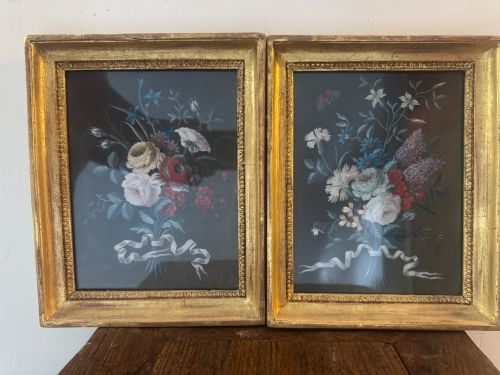
A botanical flower study brings the precise study of plants into your home through watercolours, oils, and gouache.
Botanical Flower Study
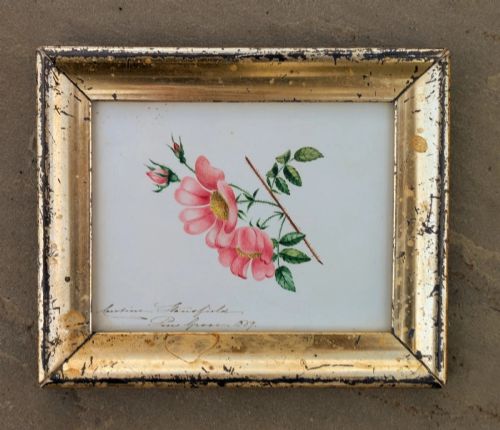
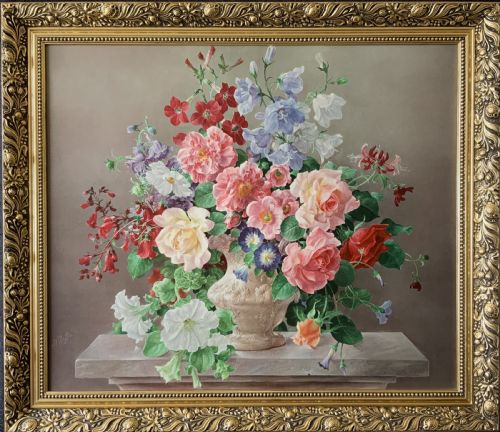
A botanical flower study encompasses detailed floral depictions found across wall art, paintings, and framed artwork from the 18th century to the mid-20th century. Buyers searching this phrase look for works capturing specific blossoms, such as fuscias, wild roses, and azaleas, rendered with observational precision.
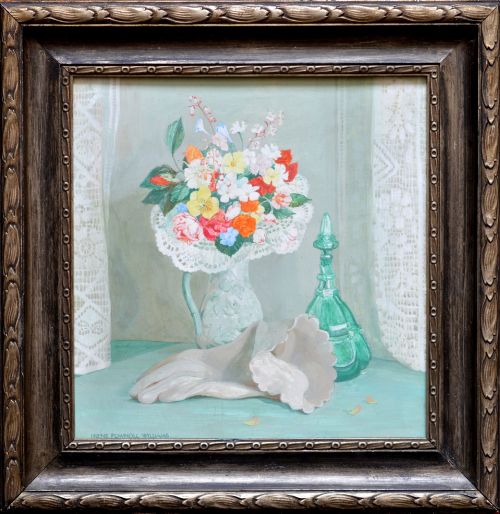
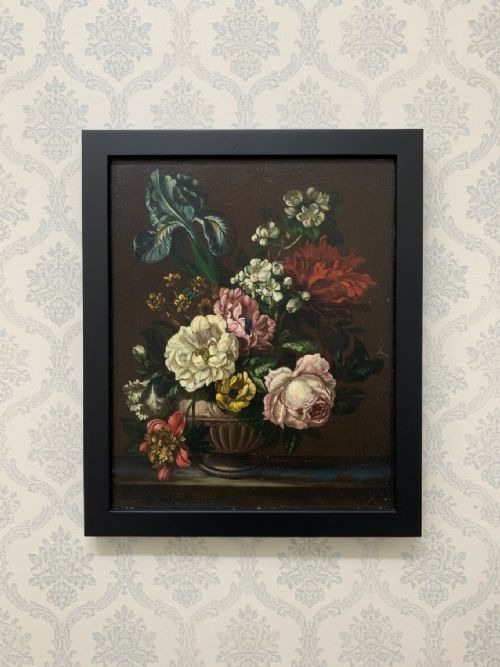
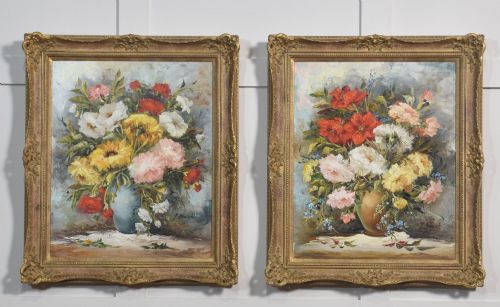
The most common examples on this page are 19th-century watercolours and mid-20th-century oil paintings on canvas or board. These range from intimate miniature still life paintings to larger studies produced during the Victorian and Edwardian periods.
Pieces frequently reflect English country house aesthetics, alongside Dutch Golden Age influences and British Impressionism. They serve as historical records of plant specimens as much as decorative works.
Materials and Techniques
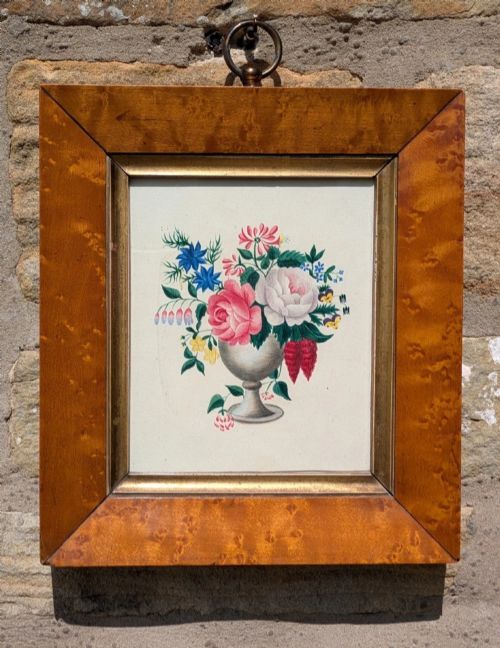
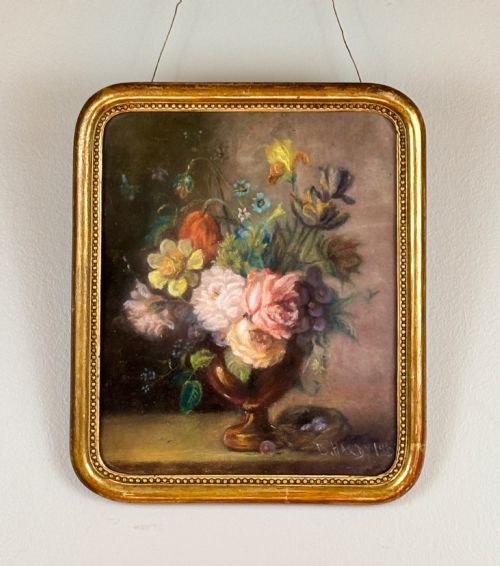
Artists utilised watercolour, gouache, oil paint, and pastel on paper, silk, panel, and canvas. Watercolour and gouache provided the precision required for detailed botanical accuracy, often applied with fine brushes to capture individual petals and leaves.
Oil paint allowed richer textures, particularly on canvas and board, as seen in mid-20th-century floral still lifes. Framing often involved wood and gilt wood surrounds, preserving works on paper behind glass.
Several artists felt compelled to sign their watercolours twice, just in case the flowers stole all the attention.
Distinctions in Quality
Quality rests primarily on the draftsmanship and the botanical accuracy of the depiction. The finest pieces demonstrate a deep understanding of plant morphology combined with confident brushwork, avoiding stiff or purely decorative illustration.
Material preservation also defines the tier of a piece. Works retaining strong pigments without excessive fading or paper discolouration command greater appreciation among collectors.
Irene Christobelle Pownoll Williams·Harold Clayton·D Hardy·Manuela Bonati·Sir Matthew Smith·Edith Barrow·Grace Hastie·Phyllis I Hibbert·Marian Chase·L Wilford·Pierre Joseph Redoute·Jennifer Toombs·Charlotte Isa James·Alice Macallan Swan·Marion Broom·Annie Mary Youngman·Margaret Evangeline Wilson·M K Rhodes·Owen Bowen·Minnie Smythe·George Dionysius Ehert·Otto Soltau
The Botanical Flower Study Glossary
- Watercolour
- A paint method using water-soluble pigments. It allows for translucent washes that suit delicate floral studies.
- Gouache
- An opaque water-based paint. It provides solid blocks of colour and denser highlights than standard watercolour.
- Panel
- A flat wooden support used for paintings. Artists frequently painted oils and tempera directly onto prepared wooden boards.
- Still life
- An artwork depicting inanimate subject matter. Floral arrangements form a central focus within this traditional genre.
Botanical Flower Study: Frequently Asked Questions
What is a botanical flower study?
A botanical flower study is an artwork focused on the detailed representation of plants and flowers. These pieces combine artistic expression with scientific observation of floral structures.
They range from precise watercolours intended for study to oil paintings designed as decorative still life compositions for the home.
How should I hang framed botanical art?
Works on paper, such as watercolours and gouache, require protection from direct sunlight to prevent the pigments from fading. Hanging them in rooms with controlled indirect light preserves their colours.
Pairing smaller framed studies in groups creates a traditional gallery wall effect reminiscent of historic country house interiors.
How do I identify a 19th-century watercolour?
Nineteenth-century watercolours often show characteristic paper ageing, such as minor toning or foxing marks around the edges. Examining the paper texture and framing materials helps determine the period.
Signatures, inscriptions on the reverse, and stylistic conventions of the Victorian era also provide reliable clues to the date of creation.